

Specialist Fabric Engineering — Verified fire-retardant and anti-static treatment matched to the compliance demands of mining, tunnelling and aviation ventilation projects, backed by documented test reports per roll batch.
Technical Specifications
| Parameter | Value |
|---|---|
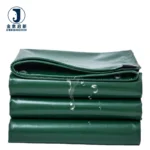
| Product Type | PVC Tarpaulin Roll |
| Base Fabric | High-strength polyester mesh fabric |
| Coating Material | PVC |
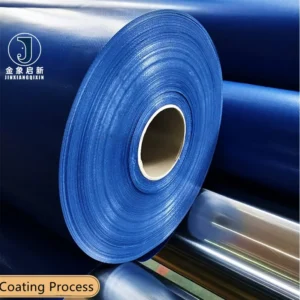
| Coating Method | Laminated technology & Hot-melt Coating technology |
| Weight Range | 350gsm / 420gsm / 500gsm / 550gsm / 600gsm / 750gsm |
| Thickness Range | 0.32mm / 0.35mm / 0.4mm / 0.45mm / 0.5mm / 0.65mm |
| Roll Width | 2m / 2.1m |
| Roll Length | 75m / 50m |
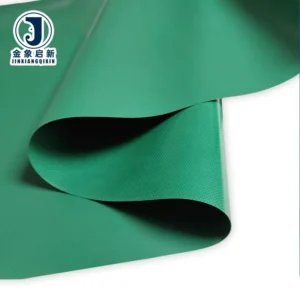
| Surface Finish | Glossy Surface or Matt Surface |
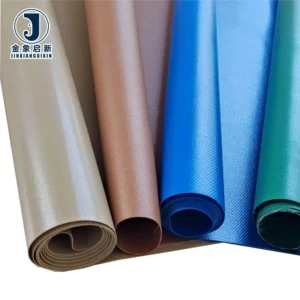
| Colour Options | Blue / Red / Yellow / Light blue / Grey (Customized) |
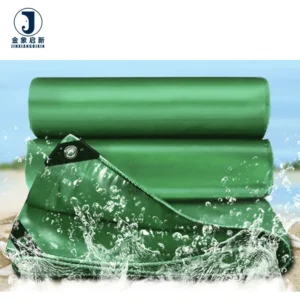
| Key Features | Cold Crack Resistance, Anti-Mildew, Anti-Static treatment (grade not stated in source), Waterproof, Sunproof (test basis not stated in source), Flame Retardant (grade not stated in source) |
| Standards | ISO, CE |
Application Suitability
| Application | Exposure & Requirement |
|---|---|
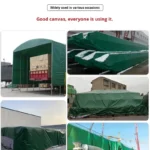
| Mine and tunnelling ventilation duct | Continuous forced airflow, rock dust abrasion, mandatory fire-retardant and anti-static compliance underground |
| Aviation ground support ducting | Fuel vapour environment, strict fire classification, repeated deployment and pack-down cycles |
| Inflatable and membrane structures | Wind load tension, UV exposure, welded seam integrity under positive pressure |
| Temporary industrial enclosures | Weather exposure, mechanical contact from plant equipment, rapid install and strike |
| Construction ventilation sock ducts | Cement dust, moisture, high-frequency flexing from fan vibration |
What Happens When Ventilation Duct Ships Without the Certification Your Site Requires
Every roll must ship with a test report that matches the fire-retardant and anti-static standard your project specification demands — no exceptions.
Mining and tunnelling contractors routinely receive PVC Tarpaulin Roll fire retardant / anti-static / certified material that arrives without documentation the site safety officer can file. The duct gets fabricated, hung underground, and then fails the compliance audit because the supplier never matched the grade to the local regulation. [NEED_CITE: fire-retardant classification standards for underground ventilation ducting]
Anti-static performance carries the same risk. A roll labelled "anti-static" without a measured surface resistivity value leaves the contractor exposed in environments where electrostatic discharge could ignite methane or coal dust. The cost is not the replacement fabric — it is the downtime while the duct section is pulled and re-hung with compliant material.
Coating Adhesion and Its Role in Duct Fabrication
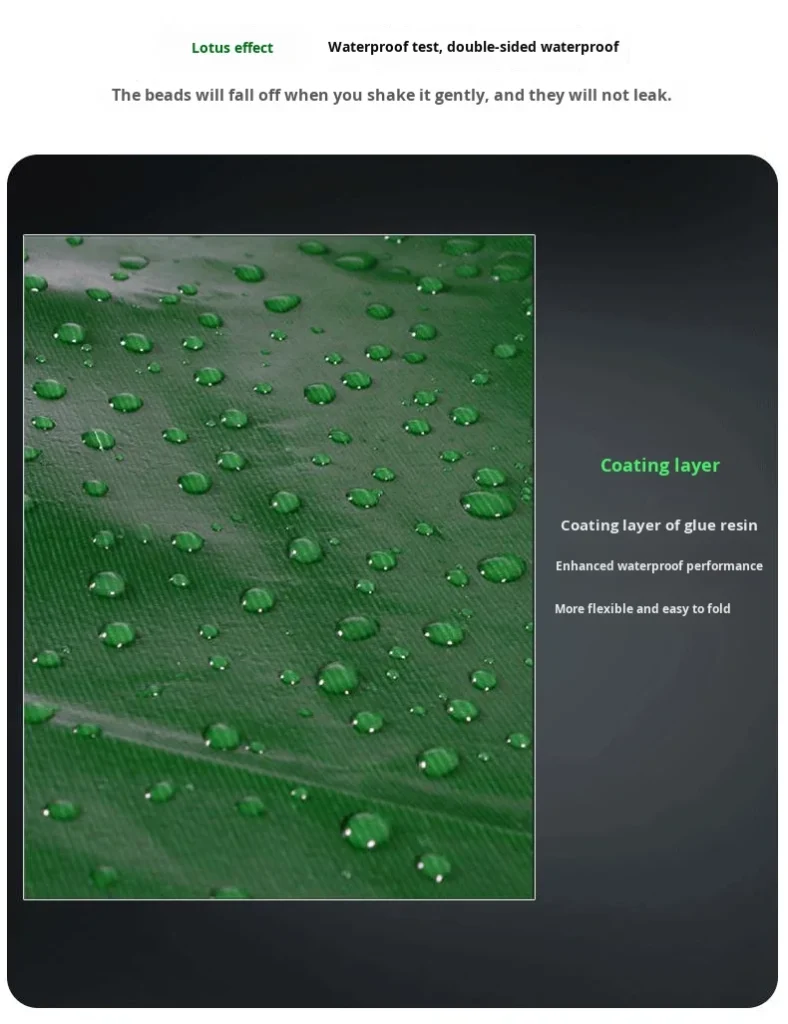
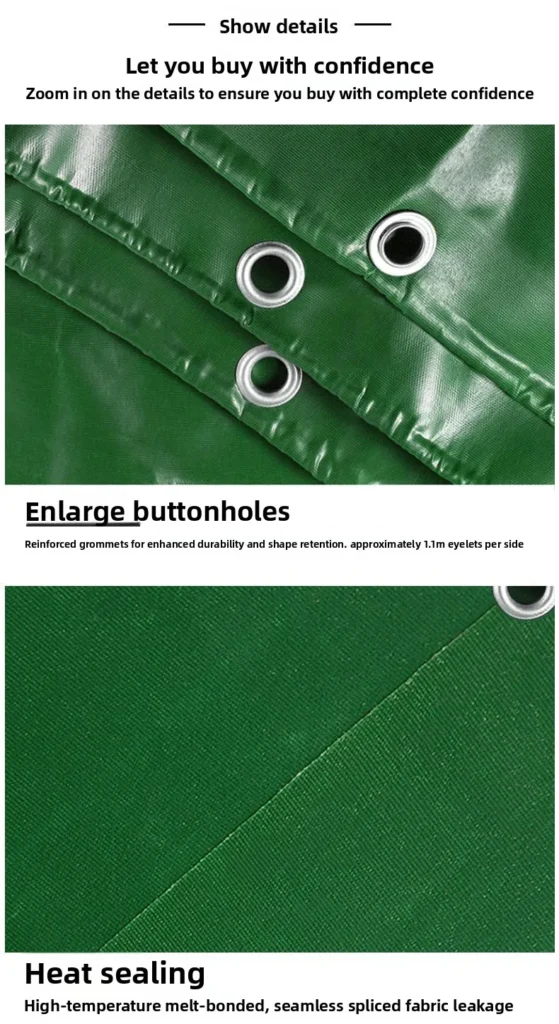
The hot-melt coating and laminated technology used on these PVC Tarpaulin Roll fire retardant / anti-static / certified products delivers a stable bond between the PVC layers and the polyester base mesh. For duct fabricators, consistent adhesion across the full roll length means the heat-welded seam performs predictably when the duct pressurises and flexes under fan vibration.
Delamination at the weld line is a failure mode that shows up only after the duct has been in service. Hot-melt coating reduces this risk by penetrating the mesh structure rather than sitting on the surface, which gives the weld zone a more uniform melt behaviour during high-frequency or hot-air joining.
Anti-Static and Fire-Retardant Grades — Confirm Before You Order
Anti-static treatment is available for environments where surface resistivity compliance is mandatory, with certification issued on request against the standard your site specifies. Fire-retardant grades are similarly supplied with test reports matched to recognised frameworks such as M2, B1, NFPA 701 or DIN 4102 — confirm the grade required for your market before placing the order. [NEED_CITE: surface resistivity measurement methods for anti-static coated fabrics]
Supplying the correct grade is only half the obligation. The documentation must travel with the roll so the fabricator can present it during the site safety audit. Every PVC Tarpaulin Roll fire retardant / anti-static / certified batch from this production line ships with test reports referenced to the roll batch number, closing the traceability gap between the quotation and the installed duct.
Reading the Specifications Beyond the GSM Number
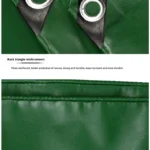
GSM alone does not define how a coated fabric behaves during duct fabrication or under long-term ventilation service. The high-strength polyester mesh base fabric provides the tensile and tear resistance that determines whether the material survives the welding process and holds under cyclic pressure loading. A 620gsm roll with a low-denier base will tear more easily at the eyelet or clamp ring than a roll of the same weight built on a heavier yarn.
Coating method directly affects weld performance. Laminated and hot-melt coated fabrics melt at different rates during heat welding, so the fabricator must adjust temperature and dwell time to the specific product. The total thickness range — from 0.32mm to 0.65mm — correlates with both the coating weight and the stiffness of the finished duct, influencing how the sock holds its shape when partially pressurised.
Roll width options of 2m and 2.1m determine how many longitudinal welds a duct of a given diameter will require. Fewer welds mean fewer potential leak paths and less fabrication time, but the wider roll must still fit the manufacturer’s welding table and the transport dimensions to the job site.
The Hidden Cost of Specifying the Wrong Grade Underground
A ventilation duct that passes airflow tests but fails the fire-retardant audit forces the contractor to pull the entire run and re-fabricate from compliant stock. The project delay compounds: the mining shift loses production hours, the ventilation engineer re-submits paperwork, and the original material sits as dead inventory. [NEED_CITE: compliance audit failure rates for underground ventilation installations]
Anti-static non-compliance carries an even sharper consequence in methane-prone environments. Without a measured surface resistivity value on file, the site safety officer has grounds to shut down the section until the duct is replaced. Colour inconsistency between rolls in the same duct run is a secondary but visible problem — it signals poor batch control and invites closer scrutiny of every other specification claim.
Why Specialist Contractors Source Here
A 10-person R&D team handles material selection, fire-retardant grade matching, and sample development for custom duct specifications, turning sample requests around within days rather than weeks.
Three full production lines and 36 sets of professional equipment provide the bulk capacity to deliver a full container of matched-grade PVC Tarpaulin Roll fire retardant / anti-static / certified product on a reliable schedule, without splitting the order across production windows that could introduce batch variation.
Dedicated QA and QC at every production stage — including 100% inspection before shipment — means GSM, colour, and coating adhesion are verified roll by roll, not averaged across a batch. This level of inspection matters most when the end use demands documented compliance.
Nearly 30 years of focused coated fabric production gives the process team the experience to advise on weld parameters, duct construction details, and the interaction between coating chemistry and fire-retardant additives.
Documentation & Verification
- Material specification sheet stating GSM, base fabric denier, coating method and colour reference for every roll batch
- Test reports for flame-retardant and anti-static grades issued against recognised standards matched to the site compliance requirement
- Pre-shipment inspection record confirming roll-to-roll consistency in weight, colour and coating adhesion
- ISO and CE certificates, certificate of origin and customs documentation included with every dispatch
- Roll packing list with batch reference supporting colour consistency traceability across the full order
Fabrication, Handling & Storage
- Set hot-air weld temperature to match the specific coating method — hot-melt and laminated grades require different dwell times
- Store rolls upright on pallets to prevent flat-spot creases that become visible after the duct is pressurised
- Allow cold-stored rolls to reach ambient temperature before unrolling to protect the cold crack resistance treatment
- Use a rotary cutter rather than shears on the 2m and 2.1m widths to maintain a clean edge for welding
- Clean glossy surface finishes with mild detergent only — solvents can degrade the PVC coating and compromise fire-retardant additives
Preparing Your Enquiry
To specify the correct PVC Tarpaulin Roll fire retardant / anti-static / certified grade, provide the ventilation environment (underground mine, tunnel, aviation hangar), the fire-retardant standard your jurisdiction requires, and whether anti-static certification is mandatory. Include the duct diameter, roll width preference, and annual volume so the production team can plan batch-matched runs. Request a sample roll if you need to validate weld parameters or confirm colour against existing ductwork on site.
Frequently Asked Questions
Q: Which fire-retardant standards can your PVC tarpaulin rolls meet for mining and aviation projects?
A: Fire-retardant grades are available and matched to the standard your project requires — frameworks such as M2, B1, NFPA 701 and DIN 4102 are supported. Specify the classification needed in your enquiry so the correct additive formulation is selected and a test report is issued against the roll batch. Confirm the exact standard with the production team before ordering.
Q: How is anti-static performance measured and what certification do you provide?
A: Anti-static treatment is applied during the coating process and surface resistivity is measured against the relevant standard for your operating environment. A test certificate stating the measured value ships with the roll batch. Provide your site compliance requirement at enquiry stage so the correct treatment grade is selected and documented before production.
Q: How do you verify GSM and coating weight to match the quotation?
A: Every roll undergoes weight verification during the 100% pre-shipment inspection, with results recorded against the batch reference on the packing list. The material specification sheet states the target GSM, base fabric denier and coating method. This documentation allows you to cross-check the physical roll on arrival against the agreed specification.
Q: What roll widths and lengths are available, and how do you control colour consistency?
A: Standard roll widths are 2m and 2.1m, with lengths of 50m and 75m depending on width. Colour is controlled through in-process QA checks at every production stage, and batch references on the packing list support traceability. For large orders requiring multiple rolls of the same colour, the production run is scheduled as a single batch to maintain consistency.
Q: What welding guidance do you provide for duct and membrane fabrication?
A: Welding parameters vary between the hot-melt coated and laminated grades, and the R&D team provides temperature and dwell time recommendations matched to the specific product ordered. Sample rolls are available for fabricators to run weld trials before committing to a bulk order. Provide your welding equipment type and method when requesting fabrication guidance.