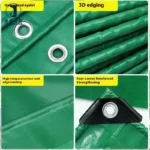
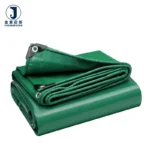
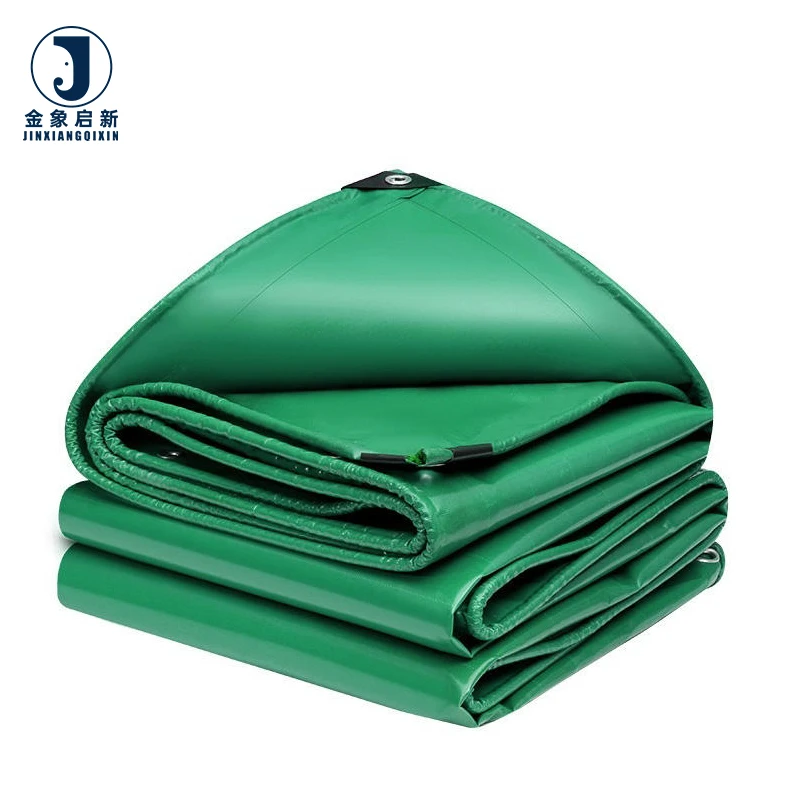
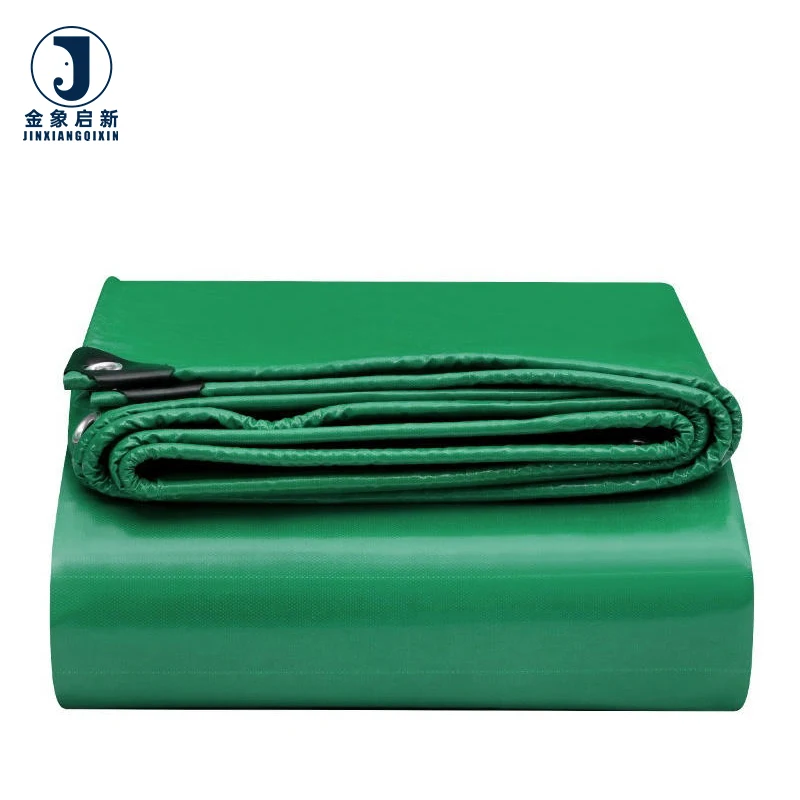
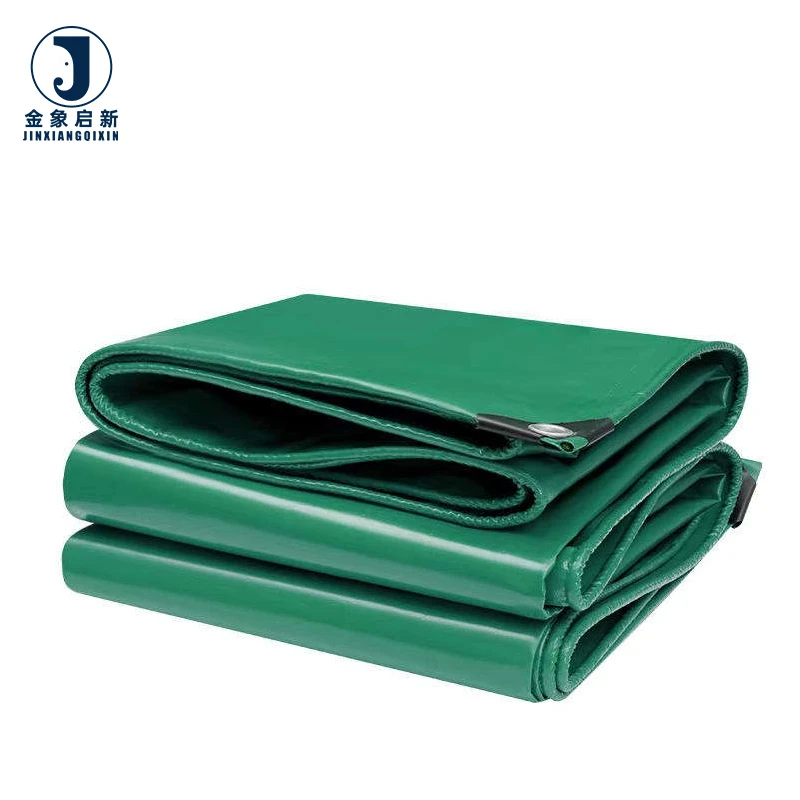
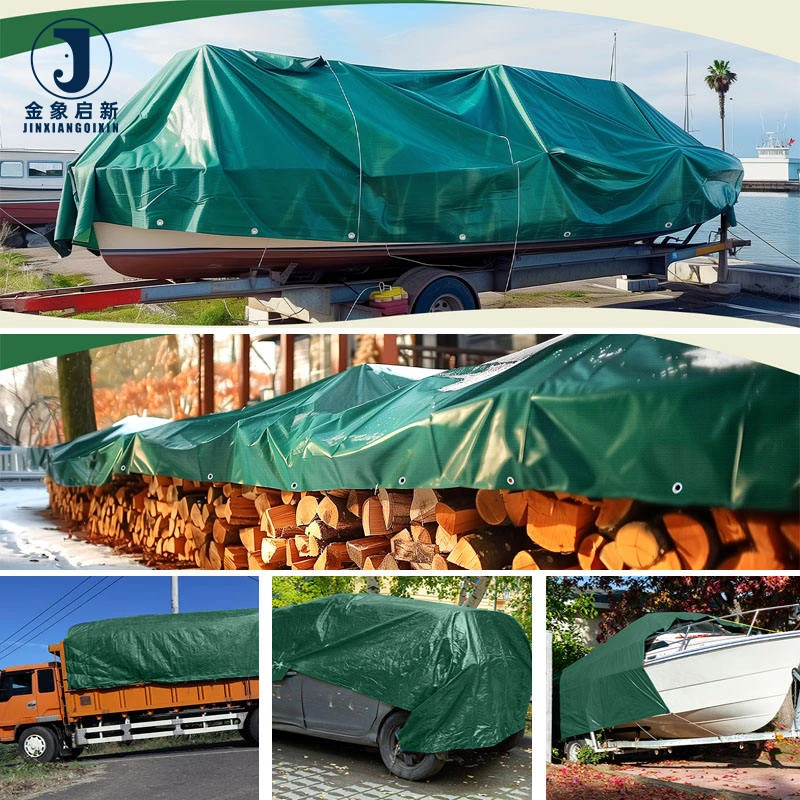
Precision Coating Control — nearly 30 years focused on coated fabric, ensuring every roll of PVC coated tarpaulin meets the fire-retardant and anti-static compliance your site demands.
Technical Specifications
| Parameter | Value |
|---|---|
| Product Type | PVC Coated Tarpaulin |
| Coating Material | PVC |
| Weight (GSM) | 500 to 800 grammas per square meter (range covers product family — confirm the grade for this item) |
| Waterproof Rating | anti-permeable ≥20KPa |
| Flame Retardant | flame retardant ≤10 seconds (grade not stated in source) |
| Low-Temperature Flexibility | will not be fractured by pliers at -30℃ |
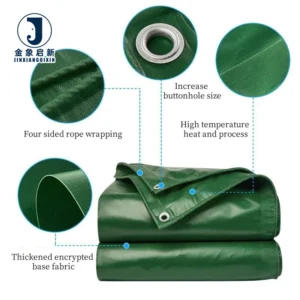
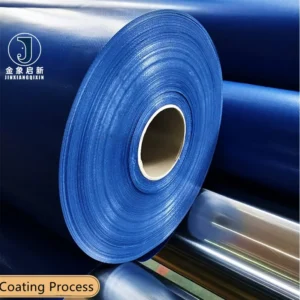
| Coating Method | heat combined with high-frequency |
| Tensile Strength | high strength of tensile (test standard not stated in source) |
| Anti-Mildew | mildew proofing properties claimed (test basis not stated in source) |
| Anticorrosion | acid, alkali and brine corrosion resistance claimed |
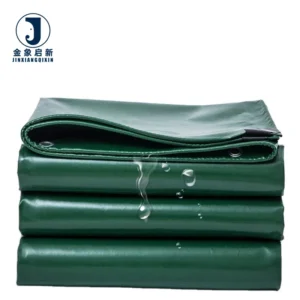
| Water Absorption | almost no absorbable of water, drying quickly after rain |
Application Suitability
| Application | Exposure & Requirement |
|---|---|
| Mining and tunnelling ventilation duct | continuous airflow, underground humidity, fire-retardant and anti-static compliance for site safety approval |
| Membrane and inflatable structure fabric | wind load stress, UV exposure, structural flex at seams and anchor points |
| Aviation and construction ventilation systems | temperature fluctuation, chemical-laden exhaust, regulatory certification on every duct section |
| Industrial air duct for specialist enclosures | airborne particulate, chemical contact, need for certified flame behaviour and static dissipation |
What "Certified" Means When the Documentation Never Arrives
Ventilation duct or specialist structure fabric supplied without the fire-retardant or anti-static certification your site demands — we provide test-backed documentation with every roll.
Buyers specifying PVC Coated Tarpaulin fire retardant / anti-static / certified material for mining or aviation projects frequently discover at site inspection that the roll label claims compliance but no test report accompanies the shipment. The duct is already fabricated and installed before the auditor asks for the certificate, forcing removal and replacement at significant cost [NEED_CITE: fire classification standards for ventilation materials in underground environments]. Anti-static surface resistance values are often quoted verbally during inquiry but never appear on the dispatch paperwork.
Coating Integrity Under Continuous Flex and Airflow Pressure
Ventilation ducts in mining and tunnelling environments experience constant internal pressure cycles and physical contact with tunnel walls. PVC coated tarpaulin used for this application must maintain coating adhesion through repeated flex without cracking or delaminating at the weld line. The heat combined with high-frequency coating method produces a bond between PVC layer and base fabric that resists separation even where the duct flexes at bends and junctions.
Chemical Exposure in Underground and Industrial Settings
Mining ventilation ducts encounter alkaline dust, brine moisture, and acidic condensate. The acid, alkali and brine corrosion resistance of this PVC coated tarpaulin fabric means the coating surface does not degrade or chalk when exposed to these chemical conditions over the service life of the duct [NEED_CITE: chemical resistance test methods for PVC coated fabrics]. This is critical for maintaining both the waterproof barrier and the anti-static surface treatment in environments where static discharge poses an ignition risk.
Reading the Specification Sheet Beyond GSM
GSM alone tells you how much the fabric weighs, not how it performs under load. A 500 to 800 grammas per square meter range covers multiple grades within this product family — the correct grade depends on whether the fabric will be fabricated into a high-pressure ventilation duct or a lower-stress membrane structure. Tensile strength depends on base fabric denier and weave density working together with the PVC coating weight; a heavier coating does not compensate for a loosely woven base. The low-temperature flexibility verified at -30℃ indicates the plasticiser system remains functional in cold underground environments where brittle failure at folds and anchor points would cause immediate duct collapse.
The Cost of Shipping Without the Right Test Report
A ventilation duct installed in a mining tunnel without the fire-retardant grade the site safety plan requires will fail the next regulatory audit, forcing complete removal and replacement of fabricated duct sections. Anti-static material supplied without surface resistance test data cannot be signed off by the site electrical safety officer, delaying project commissioning. Colour variation between rolls in a single order becomes visible once multiple duct sections are installed side by side in a well-lit aviation hangar, requiring selective replacement [NEED_CITE: batch consistency requirements for coated fabric in visible installations]. Weld seams that fail before the fabric does represent a fabrication specification error, not a material defect.
Why Source Specialist-Grade Fabric Here
Deep process control over coating weight and adhesion means the PVC layer performs consistently across every roll in your order, with no variation in fire-retardant or anti-static treatment between batches. Three full production lines and 36 sets of professional equipment provide the capacity to fulfil large ventilation duct projects with reliable on-time delivery, even when multiple grades are required for different sections of a system. The 10-person R&D team handles material selection and sample development for custom specifications, producing samples within days so you can verify compliance before committing to production volume. Dedicated QA/QC at every production stage with 100% pre-shipment inspection ensures every roll leaving the facility matches the specification on the quotation.
Documentation & Verification
- Fire-retardant test report stating the grade achieved, matched to the production batch number
- Anti-static surface resistance measurement recorded and included in dispatch documentation where applicable
- Material specification sheet confirming GSM, base fabric construction and coating method for each roll
- Pre-shipment inspection record verifying coating adhesion, colour consistency and dimensional accuracy
- Certificate of origin and customs documentation prepared for cross-border shipment of industrial fabric
Fabrication, Handling & Storage
- High-frequency welding parameters must be calibrated to the specific GSM grade to avoid seam failure at flex points
- Store rolls upright on pallets to prevent permanent creasing in the PVC coating layer
- Allow cold-stored rolls to acclimatise before unrolling to prevent low-temperature coating fracture
- Use compatible PVC adhesive for field repairs to maintain fire-retardant and anti-static surface continuity
- Plan cut patterns to minimise offcuts when working with custom widths for duct fabrication
What We Need to Quote Accurately
Specify the fire-retardant or anti-static standard your site or market requires, the intended application and operating environment, and whether you need rolls at a specific width or pre-cut panels. Confirm the annual volume so we can plan production scheduling and raw material allocation for batch consistency across your orders.
Frequently Asked Questions
Q: What fire-retardant grades are available and which standards do they meet for mining or tunnelling compliance?
A: This PVC coated tarpaulin is available in flame retardant grades achieving ≤10 seconds burn time. The specific test standard applicable to your project — whether M2, B1 per DIN 4102, or NFPA 701 — must be confirmed at inquiry stage so the correct grade is produced and the matching test report ships with your rolls.
Q: How is anti-static performance measured and what surface resistance values can be provided?
A: Anti-static treatment is applied during the coating process and surface resistance is measured per the relevant test method for your market. Confirm the required resistance range at inquiry so the treatment formulation matches your site safety specification and test data accompanies the shipment.
Q: What GSM grade is recommended for ventilation duct versus membrane structure applications?
A: The 500 to 800 grammas per square meter range covers both applications, but ventilation duct fabrication typically requires a higher grade within this range to withstand internal pressure and flex cycling. Share your duct diameter and operating pressure so we can recommend the appropriate grade and supply a sample for your evaluation.
Q: How are high-frequency welded seams tested to ensure they outlast the base fabric under flex?
A: The heat combined with high-frequency coating method produces a bond that is tested during in-process QA for peel strength and flex endurance. Weld parameters are calibrated to the specific GSM grade being fabricated, ensuring the seam does not become the failure point where the duct flexes most during service.
Q: What certification documentation ships with each roll for site inspection and regulatory approval?
A: Each roll ships with a material specification sheet, fire-retardant test report matched to the batch, anti-static surface resistance data where applicable, pre-shipment inspection record, and certificate of origin. Confirm any additional documentation your site auditor or regulatory body requires at the inquiry stage.