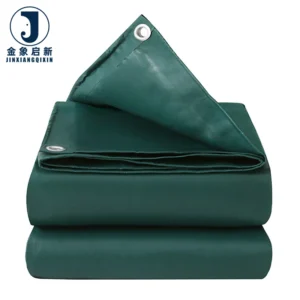
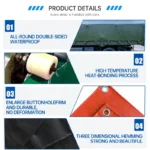
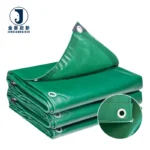

Deep Process Control — coating weight and adhesion verified at every stage through in-house QA, delivering PVC coated fabric with consistent fire-retardant and anti-static properties for technical and ventilation applications.
Technical Specifications
| Parameter | Value |
|---|---|
| Product Type | PVC Coated Tarpaulin |
| Base Fabric Denier | 500D-500D |
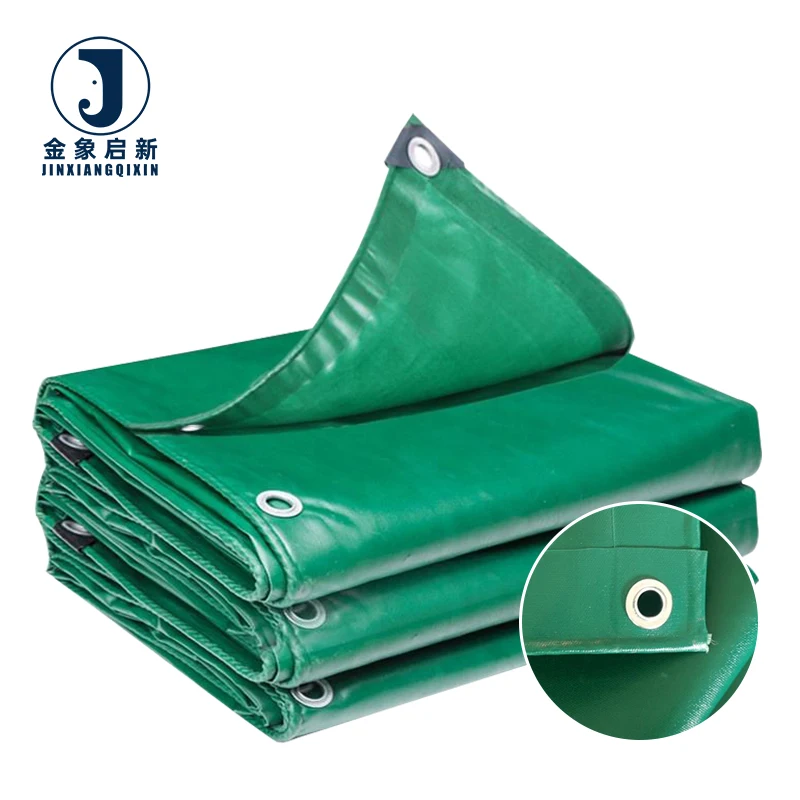
| Coating Material | Double-sided PVC coating on polyester base fabric |
| Weight Range | 450–900 g/m² (confirm grade required for your application) |
| Surface Finish | Smooth, leather-like texture |
| Waterproof Performance | Fully waterproof with overall coating seal |
| Abrasion Resistance | Very strong |
| UV Resistance | Available with anti-UV treatment — test basis to be confirmed per project |
| Flame Retardancy | Flame-retardant type customizable — confirm grade required for your market (e.g., M2 / B1 / NFPA 701 / DIN 4102) |
| Anti-Static Treatment | Available on request — surface resistance certification available for underground use |
| Weld Repairability | Hot air weldable for field maintenance |
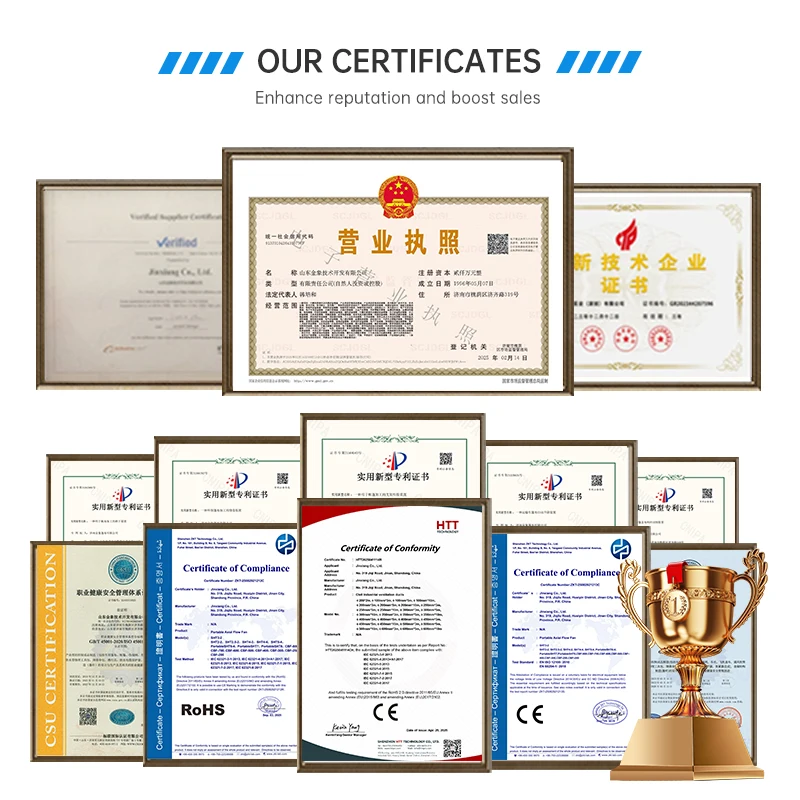
| Certifications | ISO, CE |
Application Suitability
| Application | Exposure & Requirement |
|---|---|
| Mine and tunnelling ventilation ducts | Continuous airflow pressure, underground fire safety compliance, anti-static surface resistance, flex fatigue at joints |
| Aviation ground ventilation ducting | Fuel-vapour exposure, strict fire classification, repeated deployment and collapse cycles |
| Membrane and inflatable structures | Sustained tensile load, UV and weather exposure, weld seam integrity under pneumatic pressure |
| Industrial exhaust and fume extraction ducts | Chemical-laden airflow, thermal cycling, abrasion at bend points and coupling interfaces |
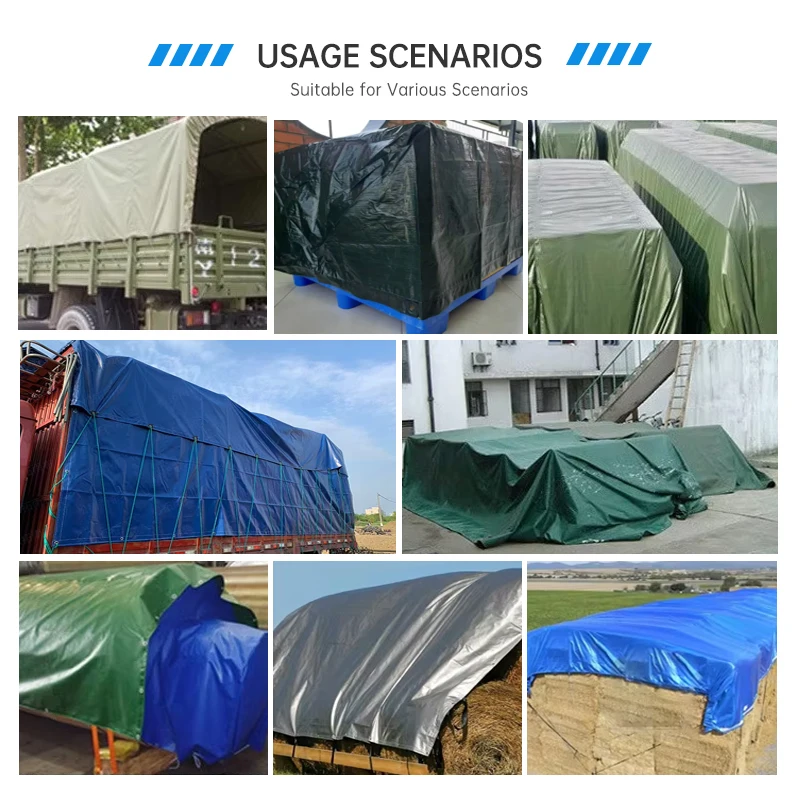
| Temporary specialist enclosures | Rapid deployment, weather resistance, compliance with site-specific fire safety codes |
What "Fire Retardant" Means Without a Grade Behind Your PVC Coated Tarpaulin
A flame-retardant claim without a test certificate matched to your local code is a compliance gap, not a material property.
When a ventilation duct or membrane structure is inspected on site, the inspector asks for a test report — not a quotation line. PVC coated fabric that arrives labelled "flame retardant" but carries no grade mapping to DIN 4102, NFPA 701 or the mining authority’s anti-static requirement forces a halt to installation. The material may perform adequately, but without documented proof the project cannot proceed. [NEED_CITE: fire classification test methods for coated fabrics used in ventilation and temporary structures]
Coating Adhesion and the Weld Line in Technical Fabric
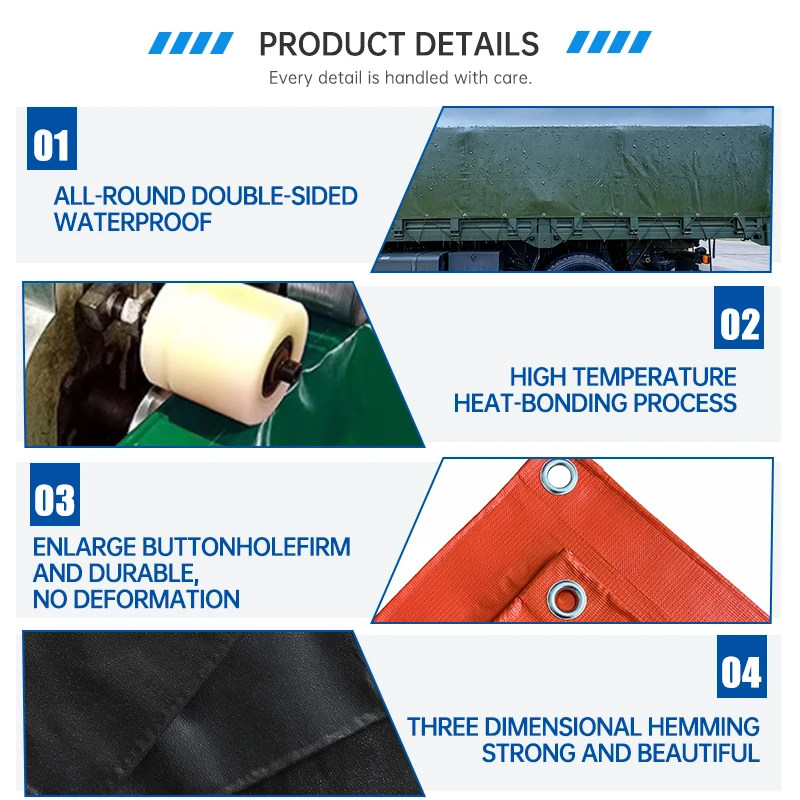
Welded seams in ventilation ducts and inflatable structures carry the entire pneumatic or structural load. The PVC coating must bond to the 500D polyester base with sufficient peel strength so that hot air welding creates a fused joint rather than a surface melt. Double-sided PVC coating on this PVC coated tarpaulin allows heat to penetrate evenly through both faces, producing consistent weld adhesion across the full seam width.
Anti-Static Surface Resistance for Underground Compliance
Underground mining and tunnelling environments demand that duct fabric dissipates static charge before it reaches ignition threshold. Anti-static treatment modifies the PVC coating surface resistivity to levels mandated by the site safety authority. Confirm the required surface resistance value — expressed in ohms — before production begins, as this determines the additive concentration and must be verified by third-party test. [NEED_CITE: anti-static surface resistance requirements for underground ventilation duct materials]
Reading the Specification Sheet Beyond Weight
Weight in g/m² is often the first number buyers compare, but for technical PVC coated fabric the base fabric denier and weave density determine how the material behaves under tensile and tear load. A 500D-500D polyester base provides the yarn count backbone; the double-sided PVC coating then adds waterproof sealing, abrasion protection and the surface properties needed for welding. Selecting the correct weight from the 450–900 g/m² range depends on the duct diameter, internal pressure and deployment frequency — heavier grades resist puncture and flex fatigue in high-cycle applications, while lighter grades reduce roll weight and installation effort for temporary enclosures.
The Cost of Specifying the Wrong Fire or Anti-Static Grade
Ordering PVC coated tarpaulin with a flame-retardant treatment that does not map to your market’s accepted standard means the duct or structure fails inspection after fabrication and installation. Re-testing, re-certification or full replacement follows, with project delays compounding the material cost. Similarly, anti-static treatment that falls outside the site’s required surface resistance range invalidates the safety permit for underground use. [NEED_CITE: consequences of non-compliant fire-retardant grades in mining ventilation duct projects]
Why Source Technical Grade PVC Coated Fabric Here
Nearly 30 years of coated fabric production gives this facility deep control over PVC coating weight and adhesion — the two variables that determine weld strength and long-term peel resistance in duct and membrane applications. Three full production lines and 36 sets of professional equipment handle bulk roll orders with consistent output quality. A 10-person R&D team develops custom flame-retardant and anti-static formulations matched to project-specific compliance standards, with samples available within days. Every roll undergoes 100% pre-shipment inspection, and documentation including material specification sheets, test reports, certificates of origin and customs support accompanies each dispatch.
Documentation & Verification
- Material specification sheet stating base fabric denier, coating weight and treatment type per roll
- Test report for flame-retardant grade applicable to your market standard (M2 / B1 / NFPA 701 / DIN 4102)
- Anti-static surface resistance test certificate where underground compliance is required
- Pre-shipment inspection record confirming weight verification and coating adhesion per roll
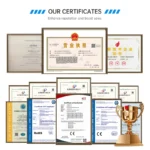
- ISO and CE certificates with certificate of origin and customs documentation
Fabrication, Handling & Storage
- Hot air weld temperature and speed must match the PVC coating weight to ensure full seam fusion without base fabric damage
- Roll storage should be upright on pallets to prevent edge compression marks that affect weld flatness on the 500D base
- Cold-condition rolls require acclimatisation before unrolling to avoid coating micro-cracking at low temperatures
- Field repair of duct seams uses hot air welding compatible with the double-sided PVC coating construction
- Solvent-based cleaners should be tested on a sample area first to confirm compatibility with the leather-like surface finish
- Duct fabrication layout should account for available roll widths to minimise longitudinal weld seams in high-pressure sections
Requesting a Project-Matched Quotation
Provide the duct diameter, internal operating pressure and deployment environment so the correct weight grade from the 450–900 g/m² range is recommended. Specify the fire classification and anti-static standard your site authority requires, along with any third-party test body preference. Indicate roll width, roll length and annual volume to confirm production scheduling and colour consistency across batches.
Frequently Asked Questions
Q: Which fire-retardant grades are available and how do they map to mining or aviation standards?
A: Flame-retardant treatment is customisable to grades including M2, B1, NFPA 701 and DIN 4102. The correct grade depends on your site authority’s accepted standard. Provide the applicable regulation or specification reference, and a test report matched to that standard will be supplied with the shipment.
Q: Can anti-static surface resistance be certified for underground ventilation use?
A: Yes. Anti-static treatment adjusts the PVC coating surface resistivity to meet underground safety thresholds. State the required surface resistance value in ohms, and a third-party test certificate confirming compliance will accompany the material documentation for site inspection.
Q: How is coating adhesion and weld strength verified before shipment?
A: Every roll undergoes 100% pre-shipment inspection. Coating adhesion is checked through peel testing to confirm the double-sided PVC coating bonds correctly to the 500D polyester base, ensuring reliable hot air weld performance during duct fabrication.
Q: What roll widths and lengths are available for duct fabrication?
A: Custom widths and lengths are available to suit duct diameter and fabrication layout requirements. Specify the needed dimensions and annual volume during inquiry so production scheduling and batch consistency across rolls can be confirmed.
Q: How are samples developed and approved for project-specific compliance requirements?
A: Samples are developed within days once the application, required fire-retardant grade and anti-static specification are confirmed. The sample includes a material data sheet and test documentation for your review before full production begins.