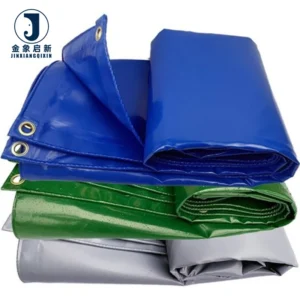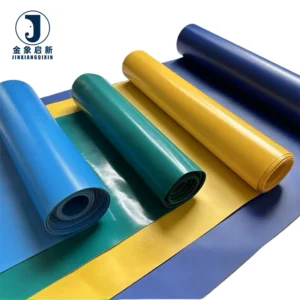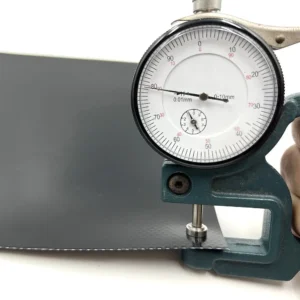
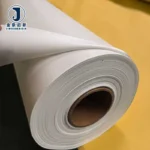
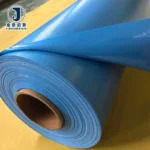
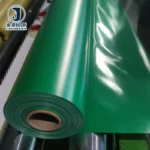
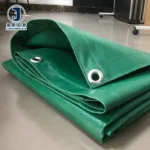
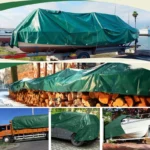
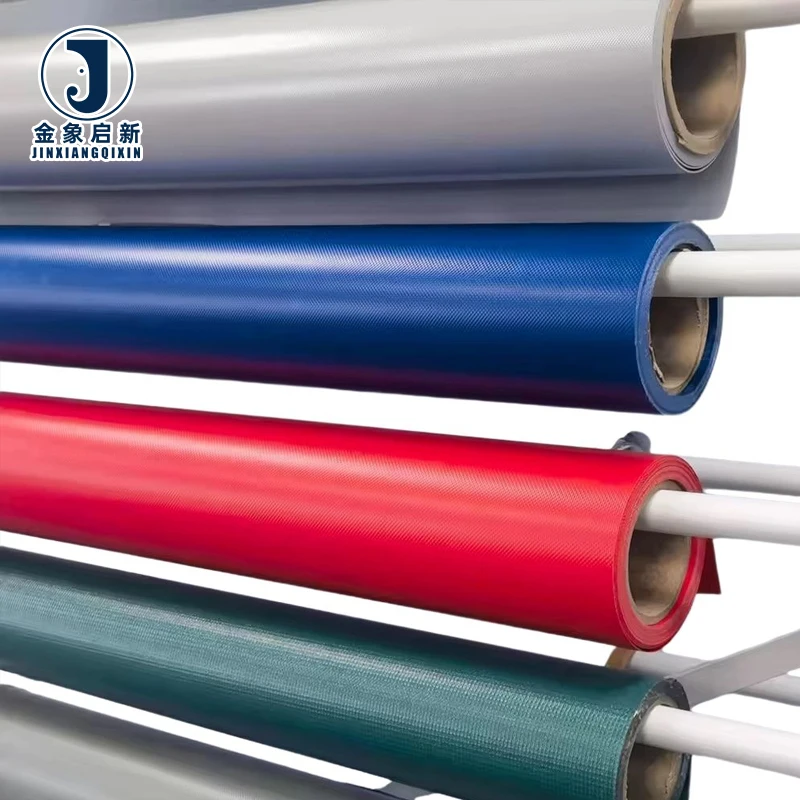
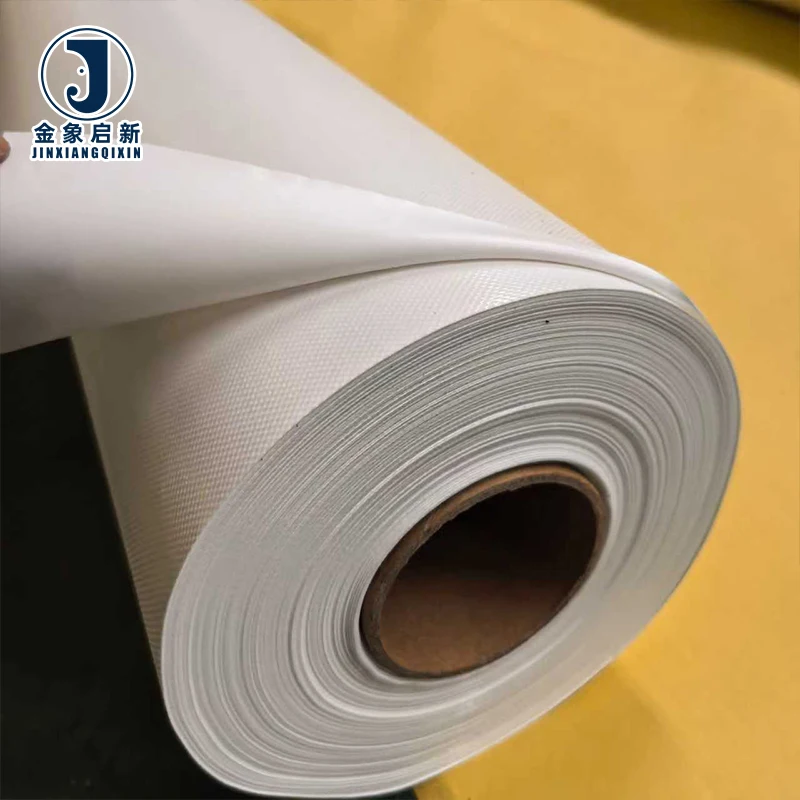
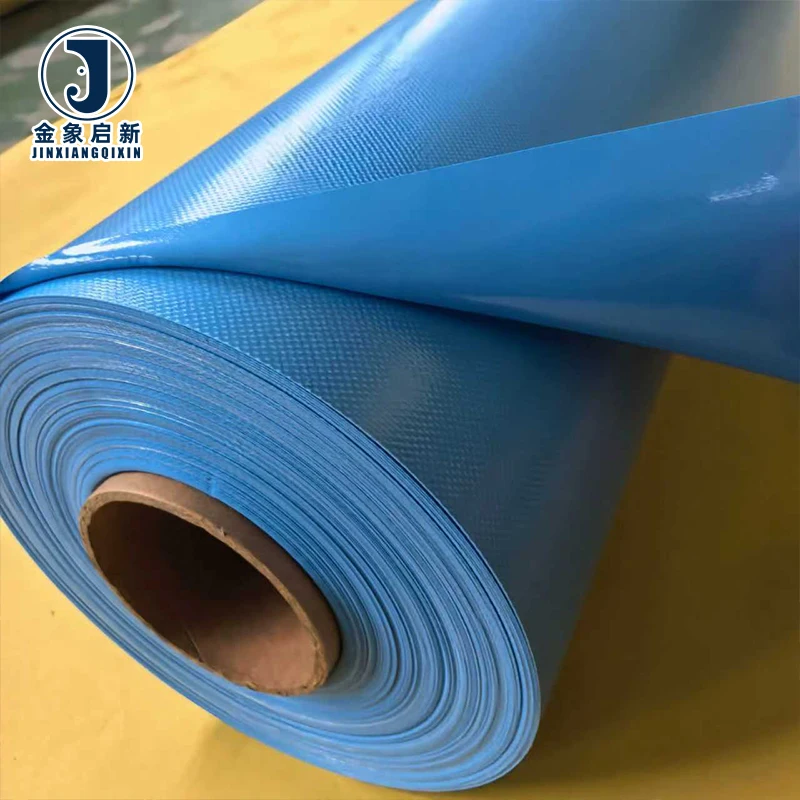
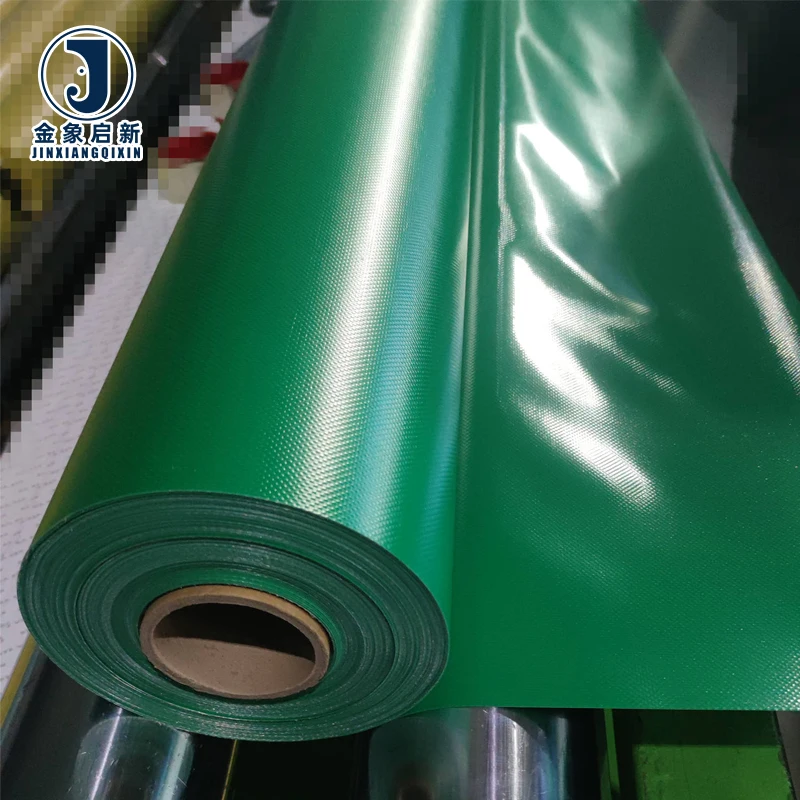
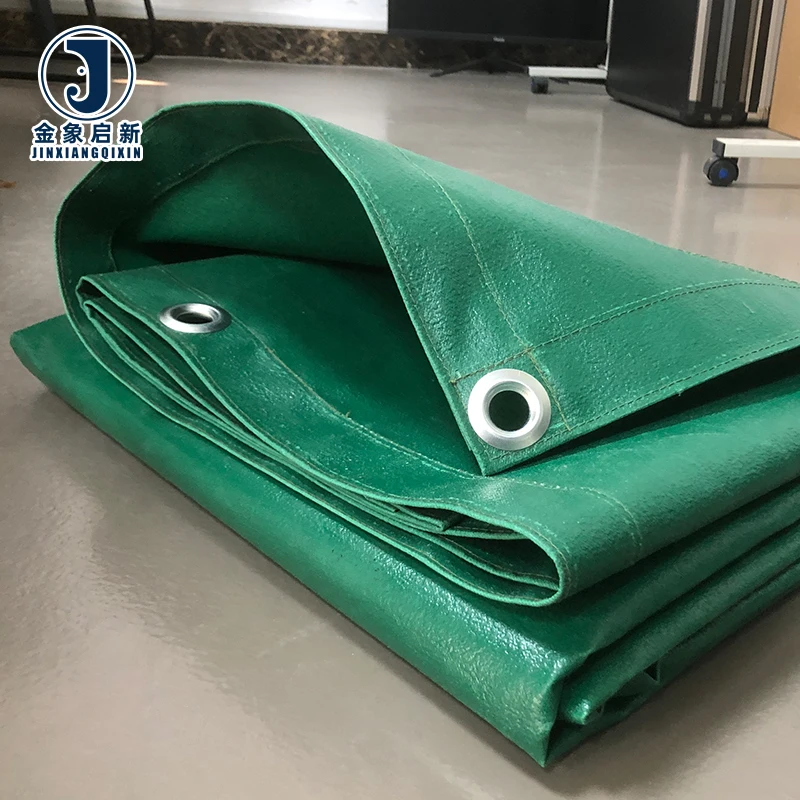
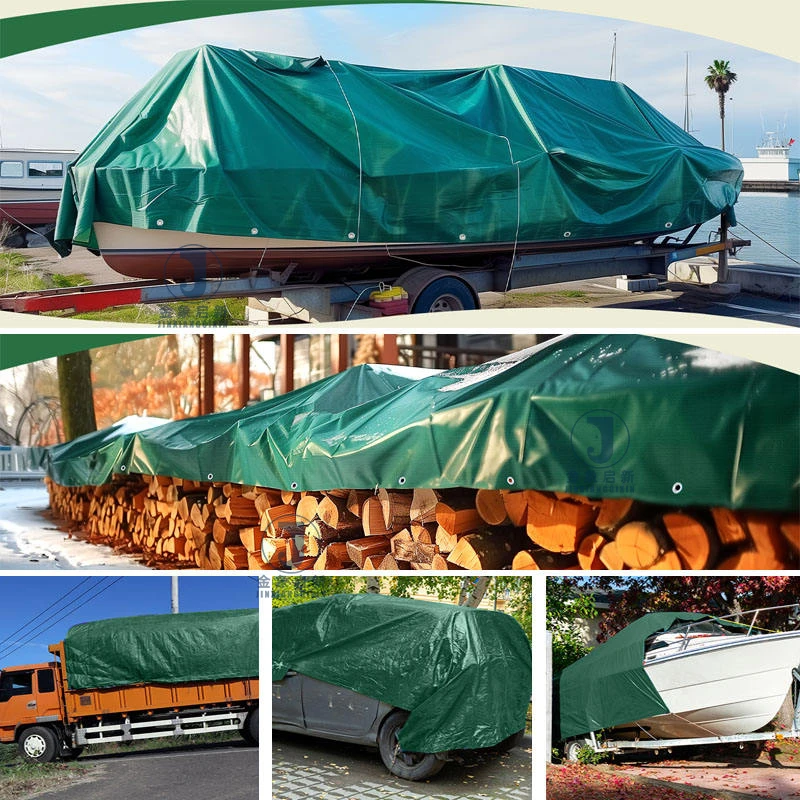
Deep process control — Every roll of this 1000D PVC tarpaulin undergoes coating weight and adhesion checks across three dedicated production lines before leaving the facility.
Technical Specifications
| Parameter | Value |
|---|---|
| Product Type | PVC Tarpaulin Roll |
| Base Fabric Denier | 1000D |
| Coating Material | PVC |
| Blackout Construction | Yes |
| UV Treatment | Anti-UV (test basis not stated in source) |
| Flame Retardant | Grade not stated in source — confirm required grade for your market |
| Antibacterial & Mildew Proof | Yes |
| Oil, Stain, Acid & Alkali Resistance | Yes |
| Temperature Resistance | High temperature and cold resistance |
| Anti-Oxidation | Yes |
| Weather Resistance | Yes |
| Flexibility | Highly flexible, resistant to cracking |
| Surface Feature | Self-cleaning |
| Welding Options | HF, Hot Air, Sewing |
| Tensile Strength | Excellent (test standard not stated) |
| Tear Strength | Excellent (test standard not stated) |
| Peeling Resistance | Excellent (test standard not stated) |
Application Suitability
| Application | Exposure & Requirement |
|---|---|
| Stadium architectural membranes | Long-term UV exposure, high wind loads, public assembly fire compliance |
| Airport hangar enclosures | Regulatory fire safety audits, large-span tension, aviation-grade documentation |
| Event exhibition shade tents | Rapid deploy and teardown, blackout light control, frequent fold-and-pack cycles |
| Tensile structures | Sustained membrane tension, seam integrity under load, weather cycling |
| Portable storage structures | Abrasion from framing contact, moisture exposure, chemical-laden atmospheres |
Why Flame-Retardant Documentation Matters More Than the Claim Itself
A PVC Tarpaulin Roll fire retardant label without a matching test report is a compliance risk on any regulated job site. Specify the exact grade your project requires and demand the corresponding test certificate before production begins.
Architectural membrane contractors and event tent fabricators routinely face site inspections where generic flame-retardant claims are rejected. The coating may carry treatment, but without a grade tied to a recognised standard — whether DIN 4102, NFPA 701, or a local building code — the material fails the paperwork check before it is even unrolled. We have seen entire membrane installations held up because the fabric supplier could not produce a test report matching the batch on site [NEED_CITE: fire classification standards for tensile membrane structures].
Weld Seam Integrity Defines the Structure, Not Just the Fabric
When a tensile membrane or shade system fails, the split rarely starts in the middle of the panel. It starts at the seam. This PVC Tarpaulin Roll supports HF, hot air, and sewing fabrication methods, giving membrane workshops the flexibility to match their existing equipment and structural load calculations. The 1000D base fabric provides a stable substrate that holds weld parameters consistently across the roll length, reducing the trial-and-error that slows production on lighter or inconsistent materials.
Blackout Performance Where Light Control Is Non-Negotiable
Event exhibition tents and portable storage structures often require complete light blockage — not partial diffusion. The blackout construction of this 1000D PVC coated fabric prevents light transmission through the membrane, which is critical for projection environments, sensitive cargo storage, and shelter applications where interior darkness is a functional requirement. Combined with the self-cleaning surface, the fabric maintains its appearance through extended outdoor deployment without frequent wash-downs [NEED_CITE: light transmission testing methods for coated blackout fabrics].
How Base Fabric Denier and Coating Adhesion Work Together
The 1000D denier refers to the weight per 9,000 metres of the polyester yarn used in the base weave. A higher denier generally means thicker yarns, which contribute to tensile and tear resistance — but only when the PVC coating bonds effectively to those fibres. Poor adhesion causes delamination under tension, which is why peeling resistance is as critical as the denier count. The multi-functional treatment package — anti-UV, antibacterial, mildew proof, acid and alkali resistance — is applied during the coating stage so that these properties are embedded in the material rather than sitting as a surface layer that wears off. For structural membranes, this integrated approach means the fabric performs consistently whether it is cut from the centre of the roll or the edge.
The Hidden Cost of Undocumented Treatment Grades
Ordering a PVC Tarpaulin Roll based on a quotation that lists "anti-UV" or "flame retardant" without a test reference creates downstream exposure. If the membrane is installed at an airport hangar or a public stadium and the fire inspector requests documentation, a missing test report can halt the project. Similarly, UV treatment claimed without a verified test basis may not match the actual outdoor exposure the structure will face. Colour variation between rolls in the same shipment compounds the problem — adjacent panels installed side by side show visible differences that trigger client rejection and costly rework [NEED_CITE: batch colour consistency standards for architectural membrane fabrics].
Why Fabricators Source This Material Here
Three full production lines with 36 sets of professional equipment mean that custom width and colour orders do not get queued behind standard stock runs. The 10-person R&D team handles material selection, sample development, and specification matching — so when a tensile structure contractor needs a specific treatment combination, the sample arrives within days rather than weeks. Dedicated QA/QC at every production stage with 100% pre-shipment inspection catches coating weight drift and colour deviation before the rolls leave the facility, not after they arrive at the fabrication shop.
Documentation & Verification
- Material specification sheet stating base fabric denier, coating material, and colour reference per roll
- Fire-retardant and anti-UV test reports issued for the specific grade quoted — verify grade acceptance in your market
- Pre-shipment inspection record confirming coating adhesion and visual consistency across the order
- ISO and CE certificates included with every dispatch for compliance submission
- Roll packing list with weight and dimension data supporting container load planning
Fabrication, Handling & Storage
- Set HF welding temperature and dwell time to match the 1000D base fabric thickness before running production seams
- Hot air welding speed should be calibrated on a sample strip to confirm peel strength on this PVC coating
- Sewn seams require UV-stable thread rated to match the fabric’s outdoor exposure profile
- Store rolls upright on pallets in a dry, shaded area to prevent surface marking and edge compression
- Unroll in temperatures above the cold-resistance threshold to avoid cracking during cold-weather handling
- Clean with mild detergent only — the self-cleaning surface tolerates gentle washing without coating damage
What We Need to Quote Accurately
To move from inquiry to sample, share the end-use application, the fire-retardant or compliance grade your market requires, and the total roll quantity with target widths. If the project involves tensile or membrane structures, let us know the welding method your shop uses so we can confirm seam compatibility on the sample roll before bulk production.
Frequently Asked Questions
Q: What fire-retardant grade does this 1000D PVC tarpaulin carry, and will my site inspector accept it?
A: The flame-retardant grade available on this fabric depends on the treatment specification confirmed at order stage. We supply the matching test report for the grade quoted. Before production, share the standard your site inspector requires — whether a local building code, aviation regulation, or mining safety rule — so we confirm compatibility.
Q: How is the anti-UV treatment validated for long-term outdoor membrane structures?
A: Anti-UV treatment is applied during the coating stage and the test basis is confirmed when you specify the grade. Request the test report matched to your order so you can verify the exposure rating against your project’s climate and expected service conditions before committing to bulk.
Q: Which welding method gives the strongest seam on this 1000D fabric for tensile structures?
A: HF, hot air, and sewing are all compatible. The strongest method depends on your structural load design and production setup. We recommend running weld tests on a sample strip from the actual batch to confirm peel strength and parameter settings before full production.
Q: How do you ensure colour consistency across multiple rolls for a large shade project?
A: Every order goes through 100% pre-shipment inspection where rolls are checked side by side for colour deviation. The inspection record ships with your documentation package. For large membrane projects, request that all rolls come from a single production run to minimise batch variation.
Q: What documentation ships with the rolls for aviation or mining compliance submission?
A: Each dispatch includes the material specification sheet, applicable test reports for the treatment grades ordered, ISO and CE certificates, a pre-shipment inspection record, roll packing list, and certificate of origin. Additional customs documentation is available on request.