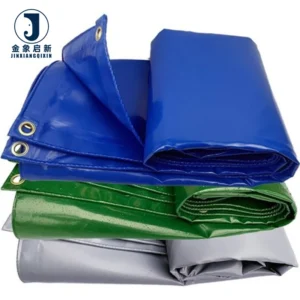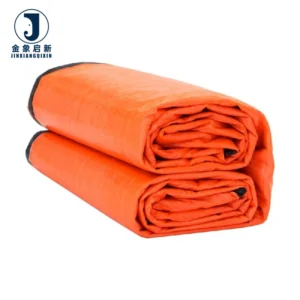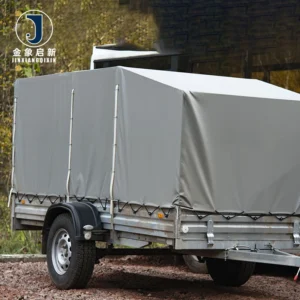
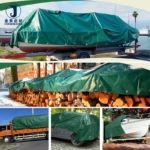
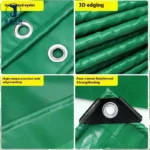
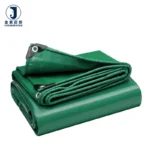
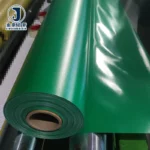
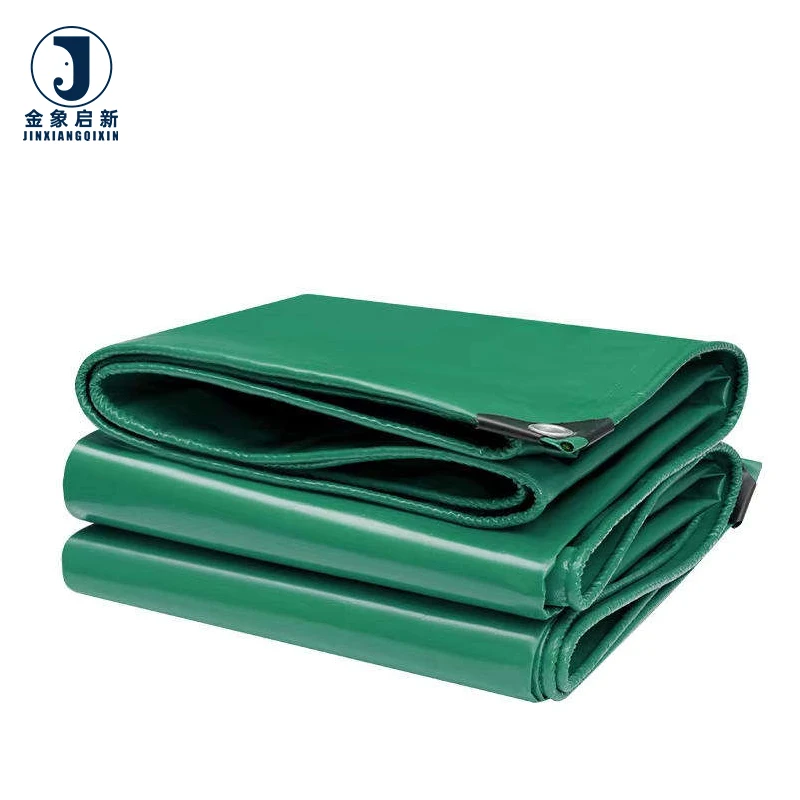
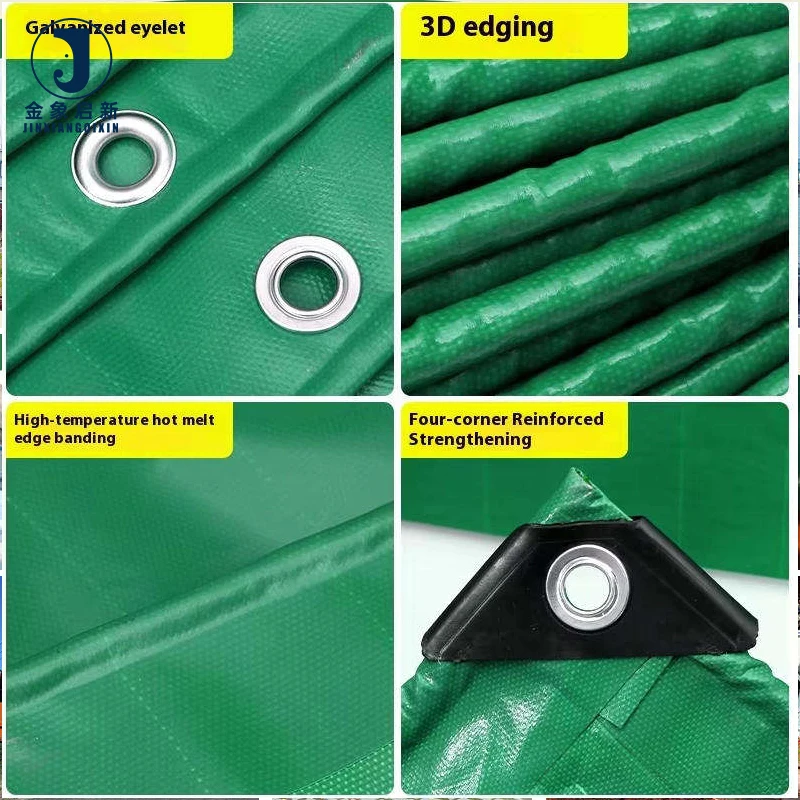
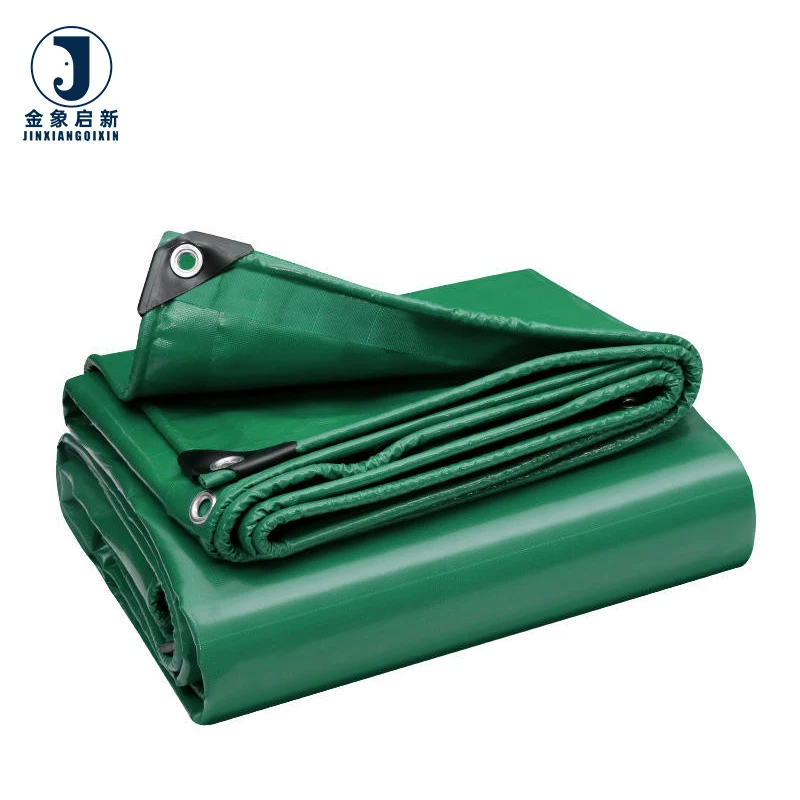
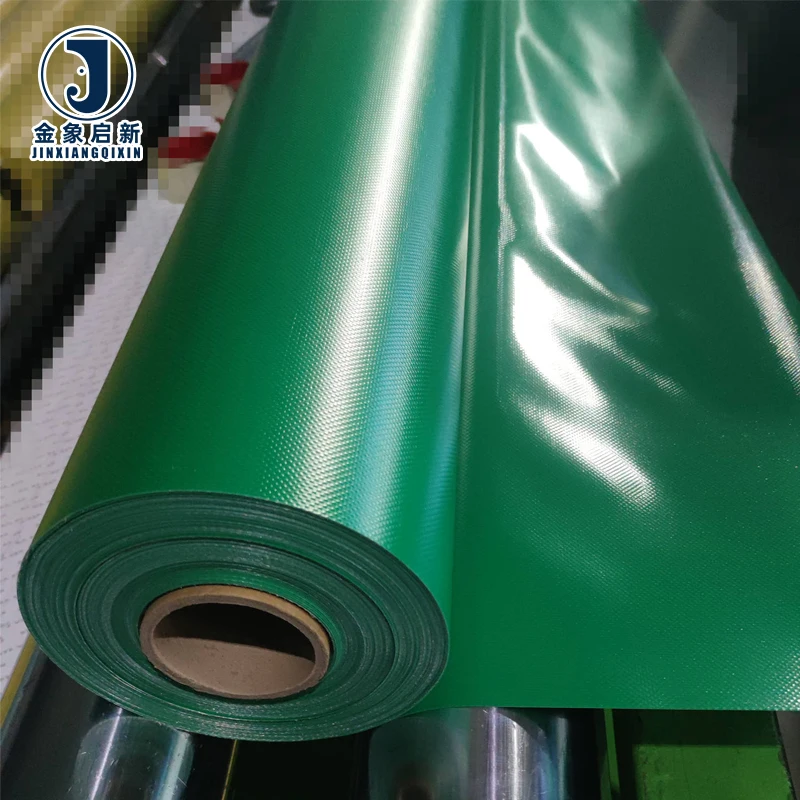
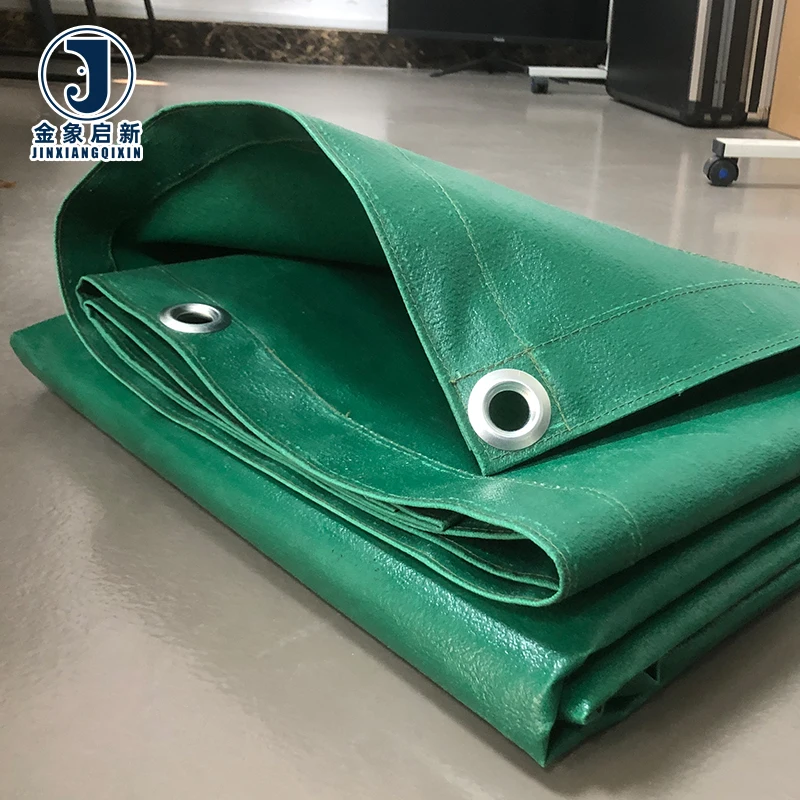
Coating Process Control — verified GSM and adhesion at every production stage for 450gsm PVC coated tarpaulin rolls used in specialist ventilation and structure applications.
Technical Specifications
| Parameter | Value |
|---|---|
| Product Type | PVC Coated Tarpaulin |
| Weight | 450 GSM |
| Base Coating Material | PVC |
| Construction | Double-Faced |
| Water Resistance | Yes |
| Flame Retardant | Available in flame retardant grades — confirm the grade required for your market |
| Anti-UV | Anti-UV treated — test basis available on request |
| Color Options | Multiple Colors (Green referenced) |
| Standards | ISO, CE |
Application Suitability
| Application | Exposure & Requirement |
|---|---|
| Mining ventilation duct | Continuous airflow, particulate abrasion, fire safety compliance underground |
| Tunnelling air duct systems | High humidity, mechanical contact with tunnel walls, flame spread prevention |
| Aviation facility ducting | Fuel vapour proximity, anti-static surface requirement, regulatory audit |
| Membrane structures | Wind load tension, UV exposure, long-term coating adhesion |
| Inflatable structures | Repeated inflation cycles, flex fatigue at seam lines, airtight welds |
Why Claimed Fire Performance Without a Grade Creates Site Risk
A fire retardant label without a test certificate is a compliance gap, not a material property.
Ventilation duct and membrane structure contractors regularly receive fabric described as flame retardant with no grade specified and no test report attached. When the site inspector asks for DIN 4102 or NFPA 701 documentation, the supply chain stalls. I have reviewed project files where entire duct runs had to be replaced because the installed PVC coated tarpaulin fire retardant claim did not match the classification the local authority required. The cost is not just the fabric — it is the downtime, the reinstallation labour, and the failed inspection record that follows the contractor into the next bid [NEED_CITE: DIN 4102 fire classification for building materials].
Matching Duct Fabric to the Airflow Environment
Mining and tunnelling ventilation ducts operate under conditions that generic tarpaulin specifications do not address. The interior surface faces continuous particulate loading, and the exterior may contact rough tunnel walls during installation and service. A double-faced PVC coated tarpaulin construction at 450 GSM provides uniform coating thickness on both sides, so neither the air-contact face nor the outer face becomes a weak point. For aviation and fuel-handling environments, anti-static surface resistance becomes a non-negotiable requirement — confirm the target ohms-per-square value with your site safety officer before specifying.
Certification Documentation as Part of the Delivery
Specialist structure contractors and mining procurement teams treat test certificates as delivery items, not optional extras. When you order certified PVC coated tarpaulin fire retardant fabric, the material specification sheet, the flame retardant test report, and the anti-static surface resistance reading must ship with the roll packing list. Without these documents on site, the fabric is installed but not accepted. Request the exact standard your jurisdiction references — M2, B1, NFPA 701, or DIN 4102 — and verify the report scope covers the weight and construction you are buying [NEED_CITE: tensile and tear test methods for coated fabrics per ISO 1421].
How GSM and Base Fabric Interact in Duct Applications
Weight alone does not determine how a duct fabric performs under negative pressure or flex fatigue. The 450 GSM figure represents the combined mass of base fabric and PVC coating on both faces. A heavier coating can compensate for a lighter base yarn, but it may reduce flexibility at low temperatures and increase the risk of coating crack at fold lines during duct storage. The base fabric denier and weave density govern tear propagation resistance, while the coating weight governs airtightness and chemical contact protection. Specifying both parameters — not GSM in isolation — gives the fabricator a reliable basis for weld temperature settings and seam allowance calculations.
What Happens When Duct Fabric Fails at the Seam
Welded seams in ventilation ducts carry the full internal pressure load, and they flex every time the fan cycles. If the PVC coating adhesion to the base fabric is inconsistent, the weld line can delaminate before the body fabric shows any wear. I have seen heavy-grade coated rolls fail at the weld line while the field fabric remained intact — the root cause traced back to coating weight variation across the roll width. For mine and tunnel projects, a seam failure means unplanned ventilation shutdown and immediate safety incident reporting. Consistent coating adhesion, verified by peel strength testing during production, is the single most important quality gate for duct fabric [NEED_CITE: peel strength test methods for coated textile seams].
Sourcing From a Coated Fabric Specialist
Nearly three decades of PVC coating production means the process parameters for 450 GSM double-faced construction are established, not experimental. Three full production lines and 36 sets of professional equipment provide the capacity to supply full project volumes within a single batch, reducing roll-to-roll variation. A dedicated 10-person R&D team handles material selection and sample development for duct-specific requirements, including anti-static formulations and fire retardant grade matching. Every roll passes 100% inspection before dispatch, with GSM verification recorded per roll against the stated specification. ISO and CE certification frameworks are maintained across production and documentation.
Documentation & Verification
- Material specification sheet confirming 450 GSM, base fabric denier, and PVC coating weight per face
- Flame retardant test report matching the grade specified on the purchase order
- Anti-static surface resistance test reading where duct application requires it
- Pre-shipment inspection record with per-roll GSM verification
- Roll packing list with batch reference for traceability
Fabrication, Handling & Storage
- Set hot-air weld temperature to match the PVC coating formulation at 450 GSM — test a sample coupon first
- Allow seam width adequate for duct internal pressure; double-faced construction supports wider weld zones
- Store rolls upright on pallets to prevent flat-spot deformation of the coating surface
- Unroll in ambient temperature above the low-temperature flexibility threshold to avoid coating crack
- Clean exterior duct surfaces with mild detergent only; solvent-based cleaners may attack the PVC topcoat
- Repair minor field damage with PVC-compatible adhesive patches cut from offcuts of the same batch
Before You Request a Quote
Provide the ventilation duct diameter, the operating static pressure, and the fire classification your jurisdiction mandates. If the installation is in a mining or aviation environment, confirm whether anti-static surface resistance is required and state the target value. Specify whether you need rolls in standard width or slit to a duct panel width, and indicate the total linear metres required so we can plan batch-consistent production.
Frequently Asked Questions
Q: Which fire retardant grades are available for this 450 GSM PVC coated tarpaulin?
A: The fabric can be produced in flame retardant grades matched to your market requirements. Common standards include M2, B1 per DIN 4102, and NFPA 701. Confirm the exact classification your project specification calls for, and the corresponding test report will ship with your order documentation.
Q: How is anti-static performance verified for mining duct applications?
A: Anti-static treatment is applied during coating and verified by surface resistance measurement. The test reading is recorded and included in the dispatch documentation. Provide your site safety officer’s required ohms-per-square range so we can confirm suitability before production.
Q: How is the 450 GSM weight verified before shipment?
A: Every roll undergoes GSM sampling during pre-shipment inspection. The measured value is recorded against the purchase order specification and included in the inspection report. Rolls that fall outside the agreed tolerance are held for review before dispatch.
Q: Can this fabric be supplied in custom widths for duct panel cutting?
A: Yes. Standard and custom widths are available depending on production line setup. Provide your duct panel width and the number of rolls required so we can confirm the most efficient slitting plan and minimum order quantity.
Q: What documentation ships with a certified fire retardant order?
A: Your order ships with a material specification sheet, the applicable flame retardant test report, a pre-shipment inspection record with GSM verification, a roll packing list, and certificates of origin and compliance. Anti-static test reports are included where specified.