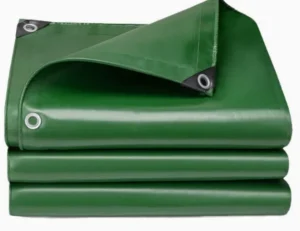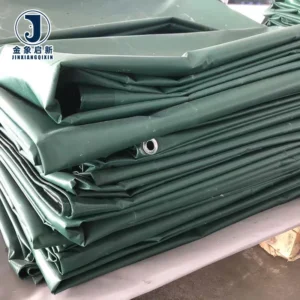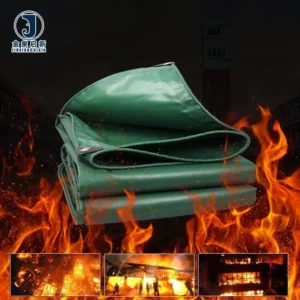


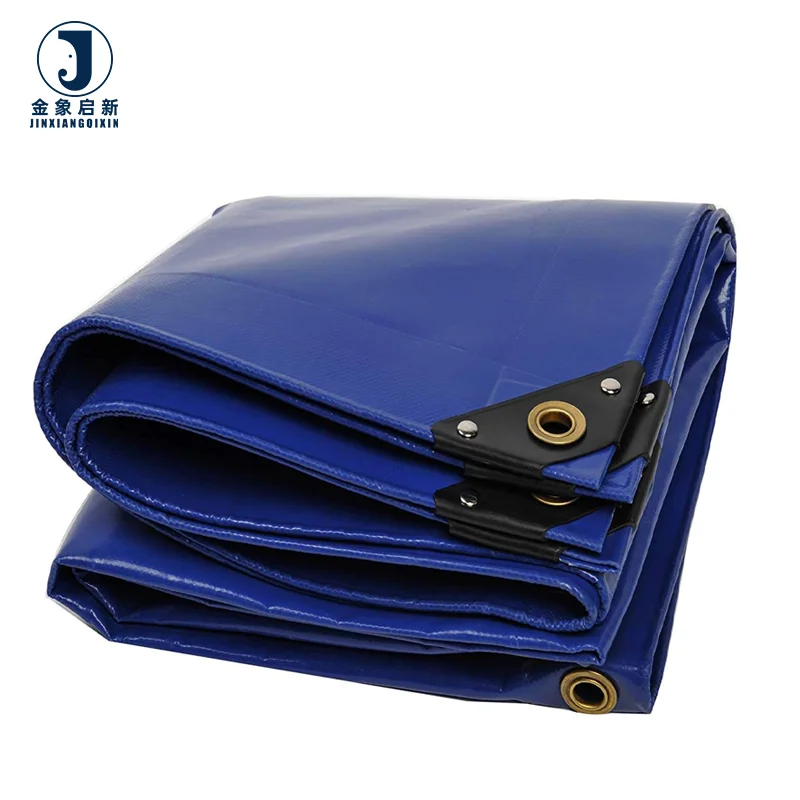
Specialist Compliance Focus — We supply ventilation and technical fabrics with fire retardant and anti-static certification that mining, tunnelling, and aviation contractors need for site approval.
Technical Specifications
| Parameter | Value |
|---|---|
| Product Type | PVC Coated Tarpaulin |
| Weight | 680 GSM |
| Base Fabric Construction | Ripstop weave |
| Coating Material | PVC |
| Surface Finish | Glossy or matte |
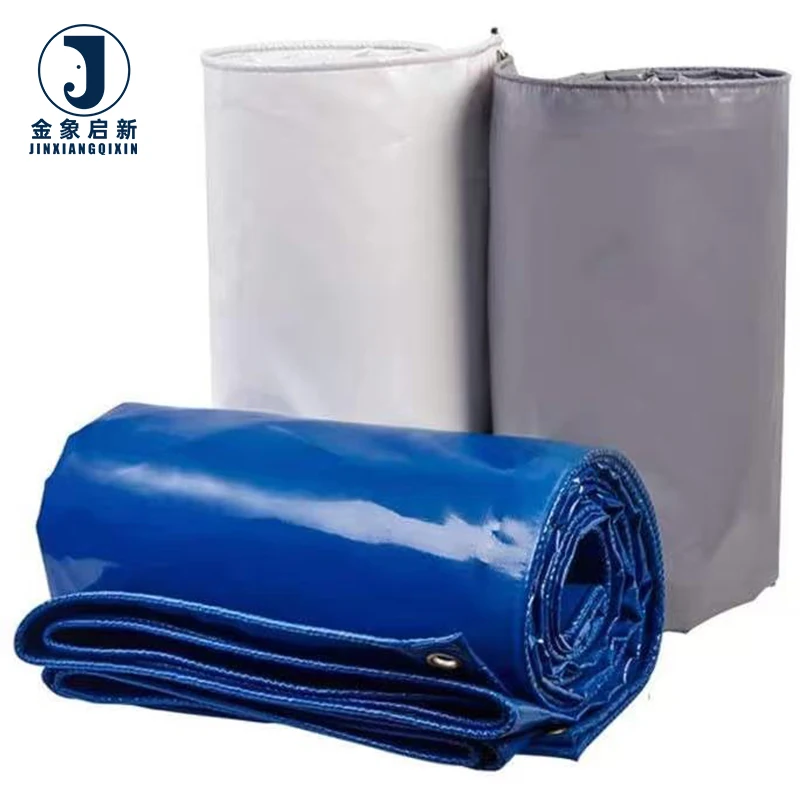
| Colour Options | Blue, yellow, black, green, white, custom |
| Standard Sheet Sizes | 3x4m / 6x8m / 8x10m / 10x12m or custom |
| Temperature Range | -15°C to 70°C |
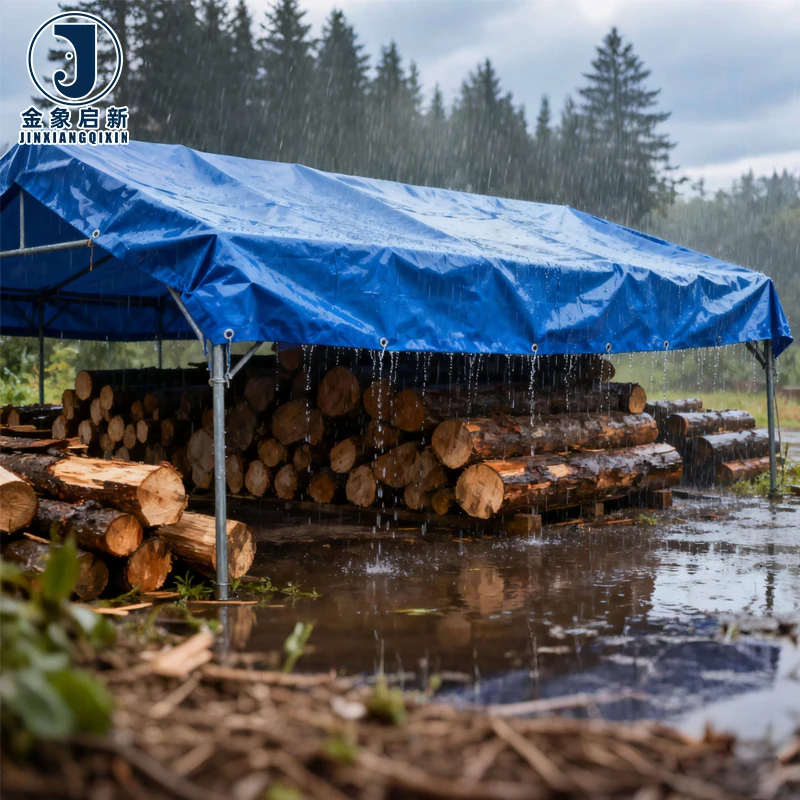
| Waterproof | Yes |
| Key Features | Waterproof, anti-fungal treated, UV and FR options available |
Application Suitability
| Application | Exposure & Requirement |
|---|---|
| Mining and tunnelling ventilation ducts | High-velocity airflow, rock dust abrasion, mandatory fire retardant and anti-static compliance for underground environments |
| Aviation ground support ducting | Fuel vapour proximity, rapid deployment and collapse cycles, regulatory oversight on material flammability |
| Membrane and inflatable structures | Sustained air pressure loading, solar UV exposure, long-term weathering of coated fabric joints |
| Temporary industrial enclosures | Wind loading on large unsupported spans, temperature fluctuation, requirement for rapid install and takedown |
What Compliance Documentation Actually Covers When You Order Fire Retardant Fabric
A stated FR treatment without a named grade is not compliance documentation — it is a marketing line.
When a ventilation duct arrives on a tunnelling site with only "flame retardant" printed on the packing list, the site safety officer has nothing to submit for approval. Underground and aviation environments require a specific classification matched to the governing standard, and the test report must reference the batch or production run. Purchasers who accept a generic FR claim frequently discover the gap during the first site audit, not during the inquiry stage. [NEED_CITE: DIN 4102 fire classification for building materials]
Duct Construction Demands More Than Coated Fabric on a Roll
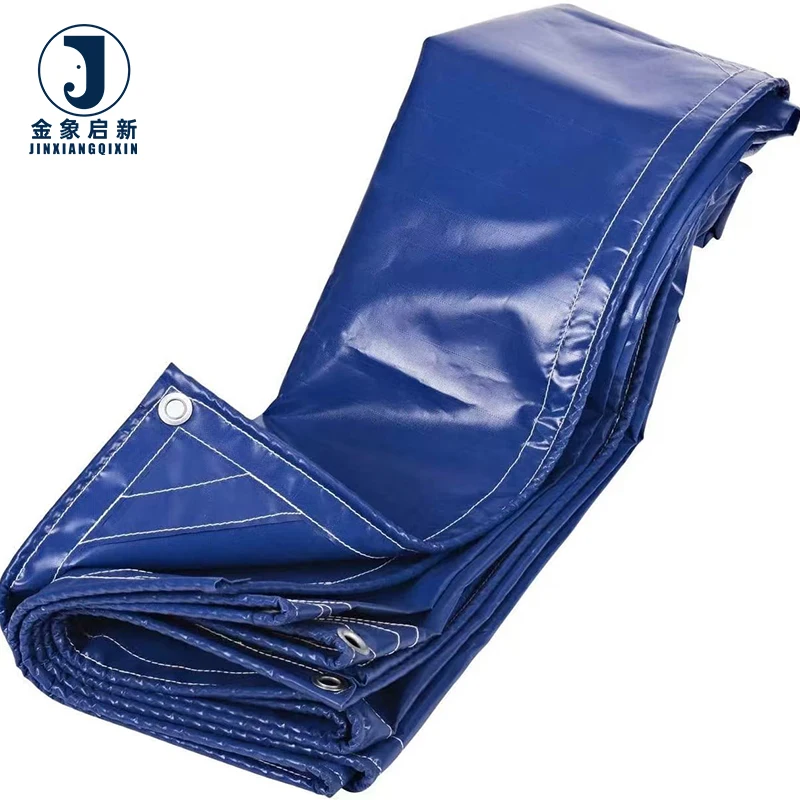
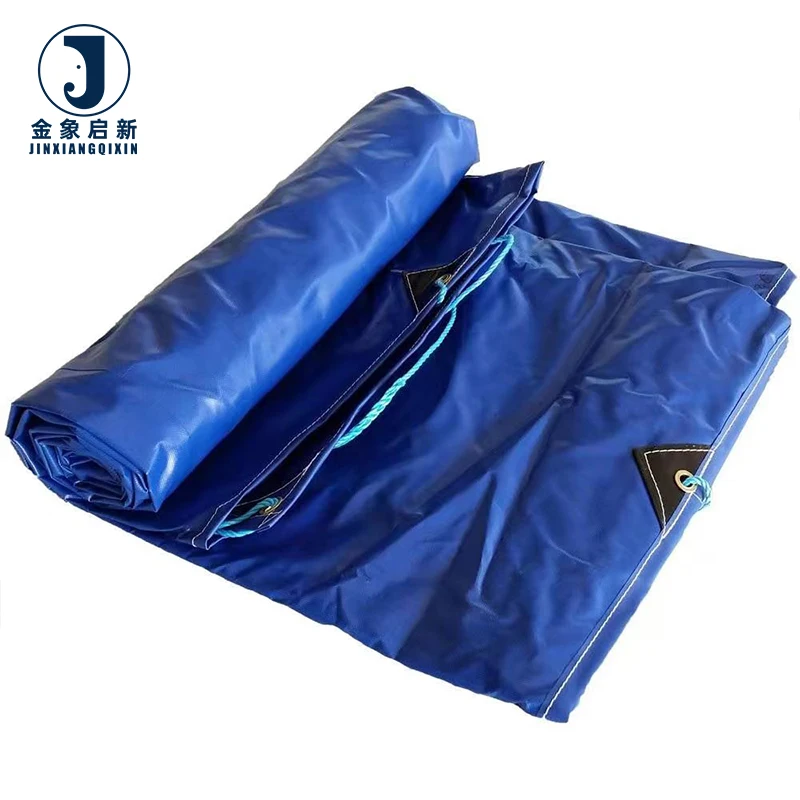
Industrial ventilation ducts operate under sustained positive or negative pressure, and the fabric must hold its geometry at every seam and junction. The 680GSM PVC coated tarpaulin serves as a base specification for duct fabrication, where the ripstop weave limits tear propagation at stress concentrations around bends, reducers, and connection flanges. Fabricators welding these ducts need consistent coating thickness so that heat and pressure settings remain stable across the entire production run.
Fire Retardant and Anti-Static Grades Require Matching Your Site Standard
Mining regulations in most jurisdictions specify both a flame spread classification and a maximum surface resistance value for underground ventilation materials. The 680GSM PVC coated tarpaulin is available in flame retardant grades — confirm the grade required for your market before placing the order. Anti-static treatment is specified separately and must be tested to confirm surface resistance falls within the acceptable range for your site’s explosion risk assessment. Requesting both test reports together ensures the material satisfies the full scope of your compliance obligation. [NEED_CITE: anti-static surface resistance limits for underground mining ventilation materials]
How Base Fabric and Coating Weight Interact in Ventilation Applications
The 680 GSM figure represents the combined weight of the ripstop base fabric and the PVC coating layers, and this total alone does not define how the material behaves under duct pressure. The base fabric denier and weave density govern tensile and tear strength, while the coating weight determines weldability, chemical resistance, and surface properties. A ripstop construction interrupts tear paths at regular intervals, which matters when a duct is dragged across a tunnel floor or subjected to a sudden pressure spike. The coating method — whether knife-over-roll, laminated, or calendered — affects peel strength between layers and ultimately whether a welded seam holds as long as the parent fabric. [NEED_CITE: tensile and tear test methods for coated fabrics per ISO 1421]
The Cost of Submitting Insufficient Compliance Paperwork
A duct system installed underground without the correct fire retardant classification can trigger a full site shutdown until the material is replaced or documented. The cost of the fabric itself becomes minor compared to idle labour, rescheduled blasting, and the procurement cycle for a compliant replacement. Similarly, an anti-static specification that is stated but not tested leaves the contractor exposed if an incident investigation traces back to material certification. These failures are preventable when the required test reports are specified at the inquiry stage and confirmed before dispatch. [NEED_CITE: mining ventilation duct compliance audit requirements]
Why Technical Buyers Source This Fabric Through Jinxiang
Nearly three decades of coated fabric production means the coating weight and base fabric adhesion are controlled at the process level, not adjusted as an afterthought. Three full production lines and 36 sets of professional equipment support volume runs with consistent delivery scheduling for duct fabrication programmes. A dedicated ten-person R&D team handles custom diameter calculations, fabric pattern development, and material selection against your compliance brief. QA inspection runs at every production stage with full pre-shipment verification, so the roll or cut sheet that arrives matches the material specification sheet you approved. Sample development for custom duct specifications is completed within days, allowing fabricators to validate weld parameters before committing to a production order.
Documentation & Verification
- Material specification sheet confirming 680 GSM, ripstop base, and coating weight for each roll
- Fire retardant test report matched to the classification grade your site standard requires
- Anti-static surface resistance test results when treatment is specified for underground use
- Pre-shipment inspection record confirming weight and visual compliance before dispatch
- ISO and CE certificates included in the shipment documentation package
Fabrication, Handling & Storage
- Hot air welding parameters must be set for 680 GSM PVC coating thickness — test a sample strip before running full seams.
- Ripstop weave pattern should be aligned at duct junctions to maintain consistent tear resistance across the joint line.
- Rolls must be stored upright on a flat surface to prevent coating compression marks that affect weld uniformity.
- Cold storage below -15°C requires gradual warming before unrolling to avoid coating crack damage at the core.
- Cut sheets should be laid flat on clean surfaces during fabrication to prevent debris embedding in the PVC coating during weld.
- Duct sections should be packed with internal formers to prevent crease damage during transport to the installation site.
Preparing Your Technical Enquiry
Provide the ventilation duct diameter, length, and operating pressure range so we can confirm the 680GSM PVC coated tarpaulin specification suits your airflow requirements. State the fire retardant classification and anti-static standard your site requires, along with the governing jurisdiction, so we match the correct test report to your compliance file. Confirm whether you need rolls for your own fabrication facility or finished cut-to-size sheets, and specify any colour coding required for duct identification on site.
Frequently Asked Questions
Q: Which fire retardant grades are available for underground mining and tunnelling duct applications?
A: The 680GSM PVC coated tarpaulin is available in flame retardant grades that can be matched to your site’s governing standard. The specific classification must be confirmed at inquiry stage so the correct formulation is applied and the corresponding test report is issued with your shipment. Provide your regulatory reference and we will confirm grade availability.
Q: How is anti-static surface resistance verified before the material ships?
A: When anti-static treatment is specified, surface resistance testing is conducted and the results are documented on the test report that accompanies your shipment. This report states the measured values against the acceptable range for your application. Confirm the resistance limits your site requires so we align the treatment and testing protocol.
Q: What documentation arrives with a ventilation duct fabric order?
A: Each shipment includes a material specification sheet stating GSM and base fabric details, fire retardant and anti-static test reports where applicable, ISO and CE certificates, a pre-shipment inspection record, and a packing list with roll or sheet identification. Certificate of origin and customs documentation are provided as standard.
Q: Can duct diameter and length be customised, and what are the minimums?
A: Custom duct dimensions are supported through our R&D team, who develop samples within days for your approval before production. Minimum order quantities depend on whether you are ordering roll stock for your own fabrication or finished cut sheets. Provide your required dimensions and annual volume so we can confirm lead time and batch scheduling.
Q: How does the ripstop base fabric affect welded seam strength in duct construction?
A: The ripstop weave limits tear propagation but also introduces a textured surface at the coating interface that can influence weld consistency. Fabricators should validate hot air weld parameters on sample strips cut from the actual production roll. Our pre-shipment inspection confirms coating weight uniformity so your weld settings remain stable across the entire order.