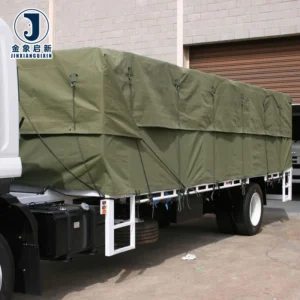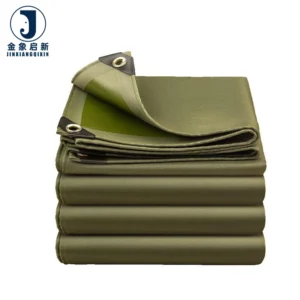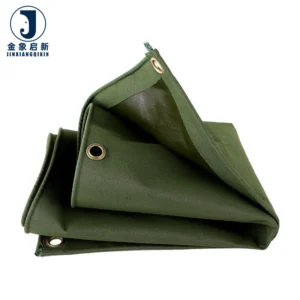
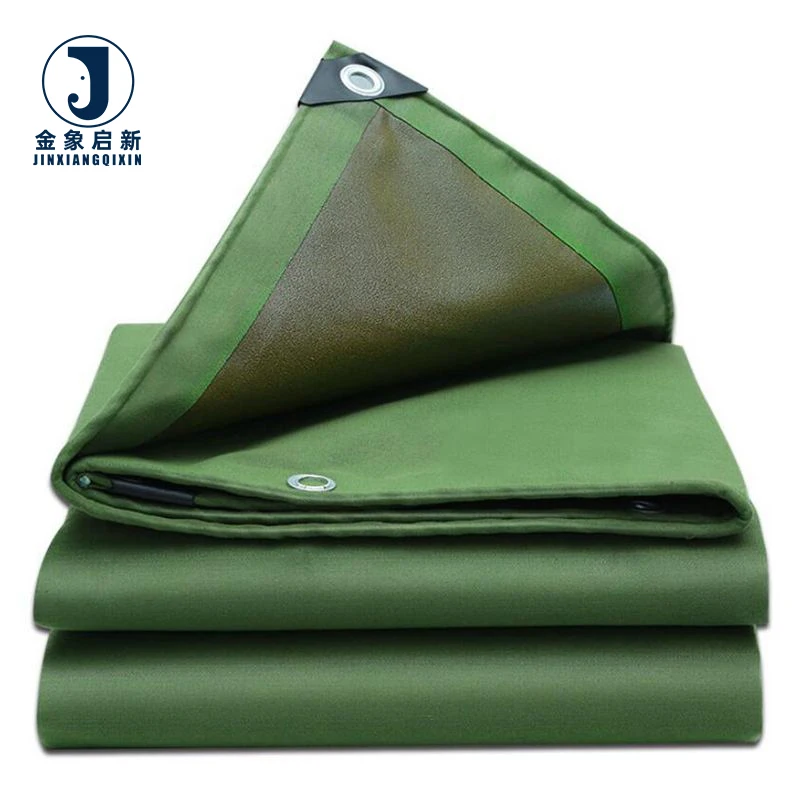
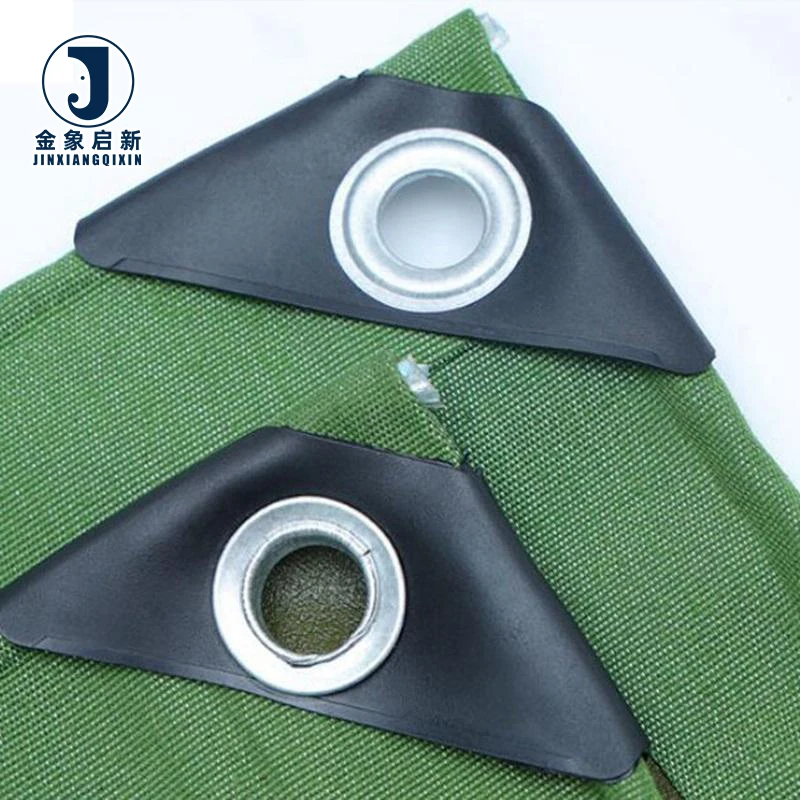
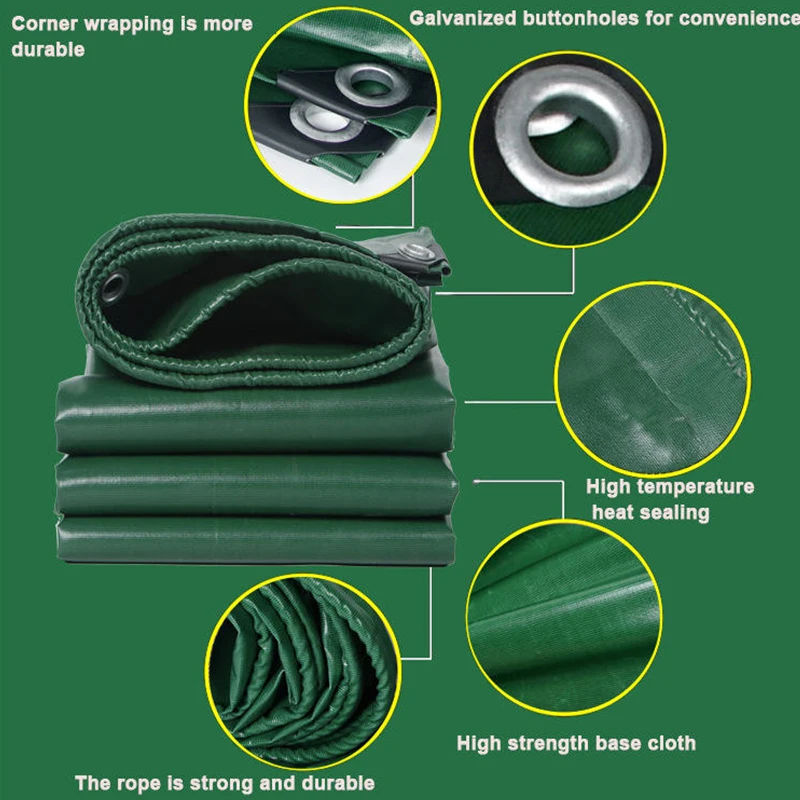
Technical Process Control — nearly 30 years focused on PVC coated fabric, with dedicated QA/QC at every production stage supporting reliable material performance for specialist applications.
Technical Specifications
| Parameter | Value |
|---|---|
| Product Type | PVC Coated Tarpaulin |
| Material | PVC + High-strength polyester mesh fabric |
| Weight (GSM) | 350gsm / 420gsm / 500gsm / 550gsm / 600gsm / 750gsm (multiple SKUs — confirm the grade for your application) |
| Total Thickness | 0.32mm / 0.35mm / 0.4mm / 0.45mm / 0.5mm / 0.65mm (multiple SKUs — confirm the grade for your application) |
| Coating Method | Laminated technology & Hot-melt Coating technology |
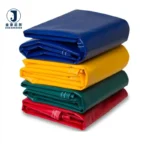
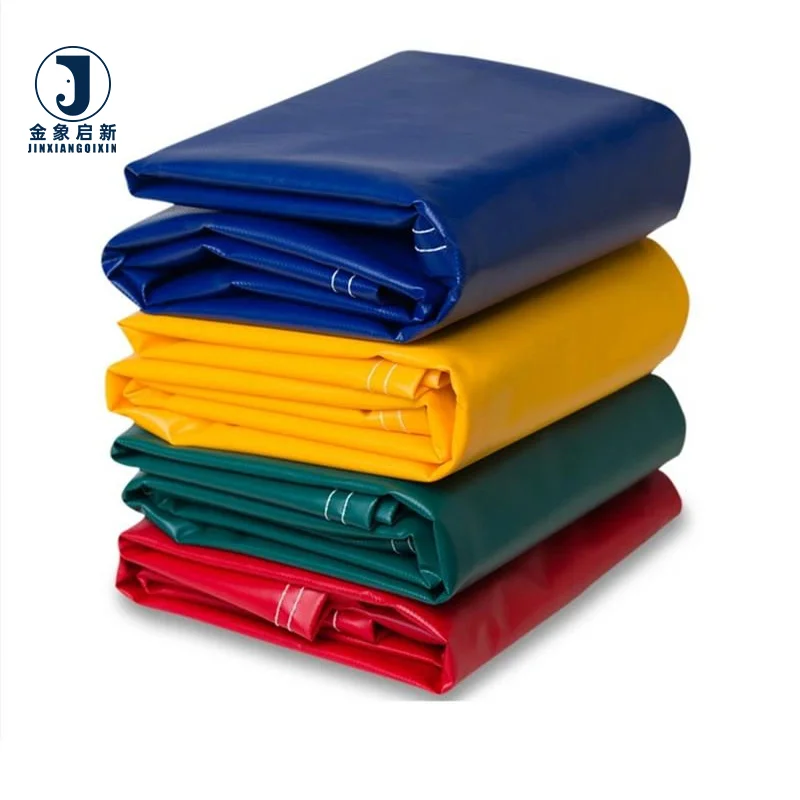
| Color | Blue / Red / Yellow / Light blue / Grey (Customized) |
| Roll Size | 2m width × 75m length / 2.1m width × 50m length |
| Finish Product Size | Custom items as per customer’s needs, or sold by inventory |
| Key Features | Cold crack resistance, anti-mildew, waterproof, sunproof / anti-UV (test basis not stated in source), anti-static treatment (grade not stated in source), best color fastness (no test standard cited) |
| Service Life | 3–7 years under normal circumstances (source value — verify against manufacturer catalog) |
| Standards | ISO, CE (specific numbers not stated) |
Application Suitability
| Application | Exposure & Requirement |
|---|---|
| Underground mining ventilation ducts | Continuous positive-pressure airflow, suspended runs subject to sag and abrasion against rock surfaces, fire-retardant and anti-static compliance mandatory |
| Inflatable and membrane structures | Aerodynamic load, UV exposure, repeated inflation-deflation cycles requiring flex endurance and weld integrity |
| Aviation ground equipment enclosures | Fuel and chemical splash exposure, rapid deployment, anti-static requirements in refueling zones |
| Tunnelling ventilation runs | Rock dust impingement, moisture ingress, confined installation with limited access for replacement |
| Temporary specialist enclosures | Short-term weather protection, rapid assembly, colour matching across adjacent panels |
What Compliance Really Means for Ventilation and Membrane Fabrics
A PVC coated tarpaulin specified for underground ventilation or aviation structures must carry documented fire-retardant and anti-static certification — not just marketing claims. When these grades are absent at the specification stage, the fabric may fail site inspection after delivery, forcing costly replacement mid-project [NEED_CITE: DIN 4102 fire classification for building materials]. Specifying the required compliance grade at inquiry — not after delivery — eliminates rework and keeps project timelines intact.
Mining sites in many jurisdictions will not accept duct runs without a surface resistance certificate, and aviation refueling zones enforce strict anti-static thresholds. Tensile and tear test methods for coated fabrics per ISO 1421 further confirm whether a given GSM grade can sustain the structural loads of a membrane or the internal pressure of a forced-air duct. Fire Retardant & Anti-Static PVC Tarpaulin for Industrial Ventilation and Specialist Applications demands that every compliance parameter be traceable to a named standard before the purchase order is placed.
Coating Adhesion and Weld Integrity Under Structural Load
Hot-melt coating and laminated technology each produce different adhesion characteristics between the PVC layer and the polyester mesh base. Hot-melt coating typically achieves deeper penetration into the yarn structure, yielding peel strength that resists delamination at high-frequency welded seams. For membrane structures and ventilation ducts where seams carry a disproportionate share of the structural load, the coating method directly affects whether the weld or the fabric fails first under cyclic stress. Fire Retardant & Anti-Static PVC Tarpaulin for Industrial Ventilation and Specialist Applications must therefore be evaluated not only on base fabric tensile strength but on the combined coating-to-substrate bond performance [NEED_CITE: tensile and tear test methods for coated fabrics per ISO 1421].
Anti-Static Treatment Grades and Site Acceptance
Anti-static treatment in PVC coated fabric is not a single specification — it spans a range of surface resistance values, each corresponding to different regulatory thresholds in mining, aviation, and petrochemical environments. A fabric described simply as "anti-static" without a measured surface resistance value or a cited test standard leaves the buyer unable to verify compliance before the material arrives on site. Confirming the required anti-static grade at the inquiry stage ensures the material specification sheet references the correct test method and that the pre-shipment inspection includes surface resistance verification on every roll.
Interpreting GSM, Thickness, and Coating Weight Together
Weight in GSM measures the total mass per square metre of the finished fabric — base fabric plus coating. A 550gsm fabric may achieve its weight through a heavier base mesh or through additional coating layers, and these two approaches produce different mechanical behaviours. Heavier base mesh increases tensile and tear resistance directly, while additional coating thickness improves puncture resistance and chemical barrier performance but adds stiffness that can complicate folding and deployment. The thickness values listed (0.32mm to 0.65mm) correlate with total construction depth but do not independently describe base fabric denier or weave density. For ventilation duct applications, a higher GSM built on a dense base mesh will better resist ballooning and abrasion than the same GSM achieved primarily through coating thickness. For membrane structures subject to wind uplift, tear resistance — governed more by yarn denier and weave density than by coating mass — becomes the critical parameter.
The Cost of Specification Gaps in Technical Fabric Orders
When a ventilation duct order ships without the fire-retardant test report the site safety officer requires, the entire run must be removed and replaced — often in confined underground conditions where access is expensive and slow. Similarly, anti-static surface resistance that has not been measured against the mine’s regulatory threshold can halt production until compliant material is sourced. Colour variation between rolls in a membrane structure order becomes visible once panels are installed side by side, forcing selective replacement or full re-cladding. These are not cosmetic issues; they represent downtime, re-mobilisation costs, and project schedule delays that far exceed the original fabric purchase [NEED_CITE: DIN 4102 fire classification for building materials].
Why Technical Buyers Source This PVC Coated Fabric Here
Three full production lines with 36 sets of professional equipment provide the capacity to fulfil bulk ventilation duct and membrane structure orders within project-critical lead times. A 10-person R&D team handles material selection, custom sizing, and sample development — meaning specification adjustments for site-specific compliance can be resolved before production begins rather than after delivery. Dedicated QA/QC at every production stage with 100% inspection before shipment ensures that coating weight, colour consistency, and dimensional accuracy are verified roll by roll. Samples developed within days for custom requirements allow technical buyers to validate weld parameters, drape behaviour, and surface finish before committing to a full production run. Deep process control over coating weight and adhesion — built on nearly 30 years of focus on coated fabric — reduces the risk of delamination at seam lines under structural load.
Documentation & Verification
- Material specification sheet stating base fabric denier, coating weight, GSM, and colour reference per roll
- Fire-retardant test report citing the specific standard (confirm applicable grade at inquiry)
- Anti-static surface resistance certificate aligned to mining or aviation regulatory thresholds
- Pre-shipment inspection record with 100% roll-by-roll QA on weight and dimensions
- Roll packing list with roll number, net weight, and gross weight for customs clearance
- ISO and CE certificates available for compliance file submission
Fabrication, Handling & Storage
- Hot-melt coated surfaces respond well to high-frequency welding; test seam temperature on a sample swatch before full production
- Laminated PVC layers require consistent heat input — avoid speed variation on the welder to prevent cold spots
- Store rolls upright on cores to prevent flat-spotting and permanent creasing in the coating
- Cold crack resistant grades allow deployment in low-temperature environments without pre-conditioning
- Cut panels from the same roll batch to minimise visible colour variation across adjacent membrane sections
- Clean surfaces with mild detergent only; avoid solvent-based cleaners that may degrade the PVC coating
Preparing Your Specification for Inquiry
To receive an accurate quotation, provide the intended application (ventilation duct, membrane structure, enclosure), the compliance standards required by your site or jurisdiction, the preferred GSM and thickness range, and the total linear metres or roll count needed. Indicate whether you require custom cut-to-size panels or standard roll stock, and specify any colour or surface finish requirements. If fire-retardant or anti-static certification is mandatory, name the test standard and grade so that the material specification and pre-shipment documentation are aligned before production begins.
Frequently Asked Questions
Q: What fire-retardant grade does this fabric carry, and which test standard applies?
A: The fabric is available in fire-retardant grades — confirm the specific grade required for your market and application. Standards such as DIN 4102, NFPA 701, and M2 each define different test methods and pass thresholds. State the required standard at inquiry so the test report is included with your shipment documentation.
Q: How is anti-static performance verified for mining ventilation duct use?
A: Anti-static treatment is available, and surface resistance must be measured against the regulatory threshold enforced at your mine site. Confirm the required ohms-per-square value at inquiry. Pre-shipment inspection includes surface resistance testing on every roll when this specification is documented in the purchase order.
Q: Which GSM and thickness are recommended for positive-pressure air ducts versus membrane structures?
A: Positive-pressure ducts generally require higher tensile strength to resist ballooning, often calling for a heavier base mesh within the 550gsm to 750gsm range. Membrane structures prioritise tear resistance and drape, where base fabric denier matters more than total coating thickness. Provide your design load calculations for a specific recommendation.
Q: What welding and seam methods are compatible with this PVC coated fabric?
A: High-frequency welding and hot-air welding are both compatible with hot-melt coated and laminated PVC constructions. Seam strength depends on coating adhesion to the base mesh — test weld parameters on a sample swatch before committing to full production runs to ensure the weld outlasts the fabric under flex load.
Q: How do you ensure roll-to-roll consistency on coating weight and colour across a bulk order?
A: Dedicated QA/QC operates at every production stage, with 100% pre-shipment inspection verifying coating weight, colour, and dimensions on every roll. Rolls in a single order are produced from matched coating batches to minimise visible colour variation when panels are installed side by side.