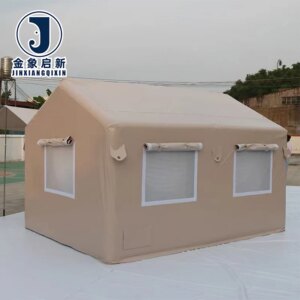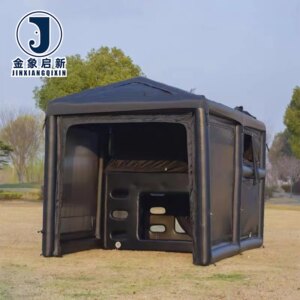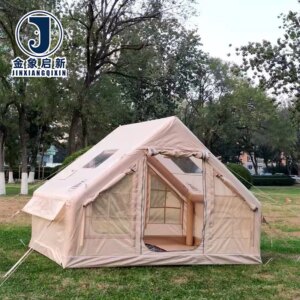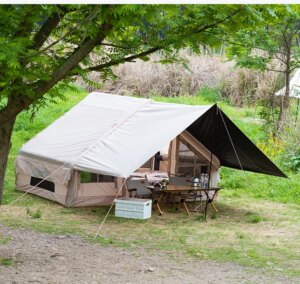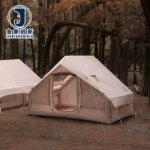
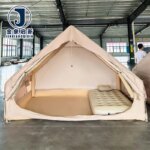
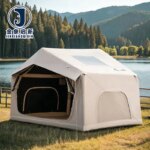
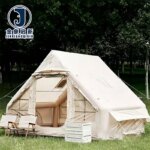
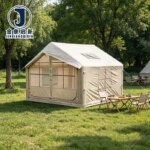
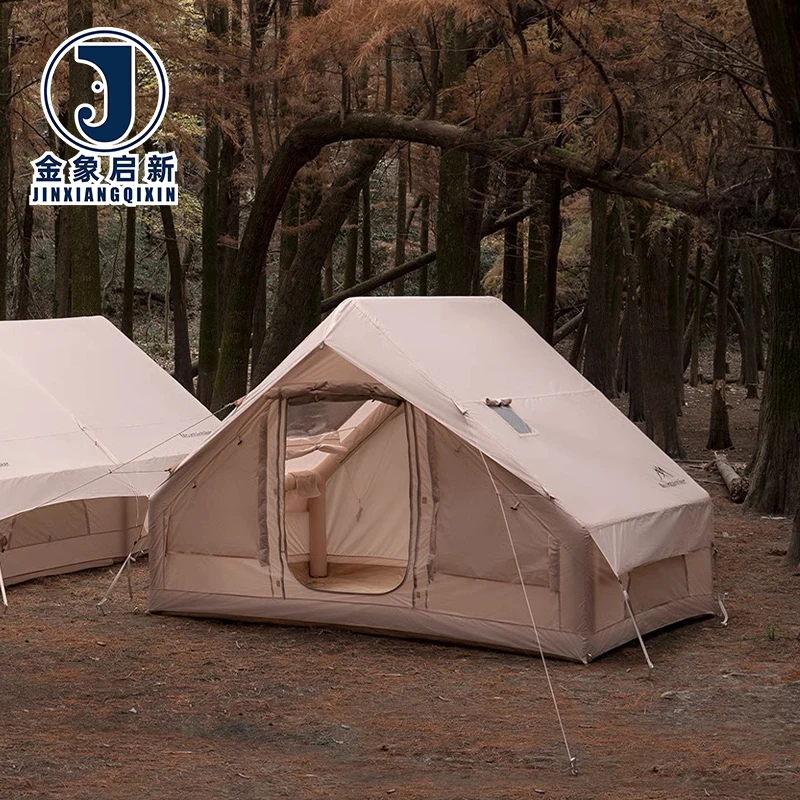
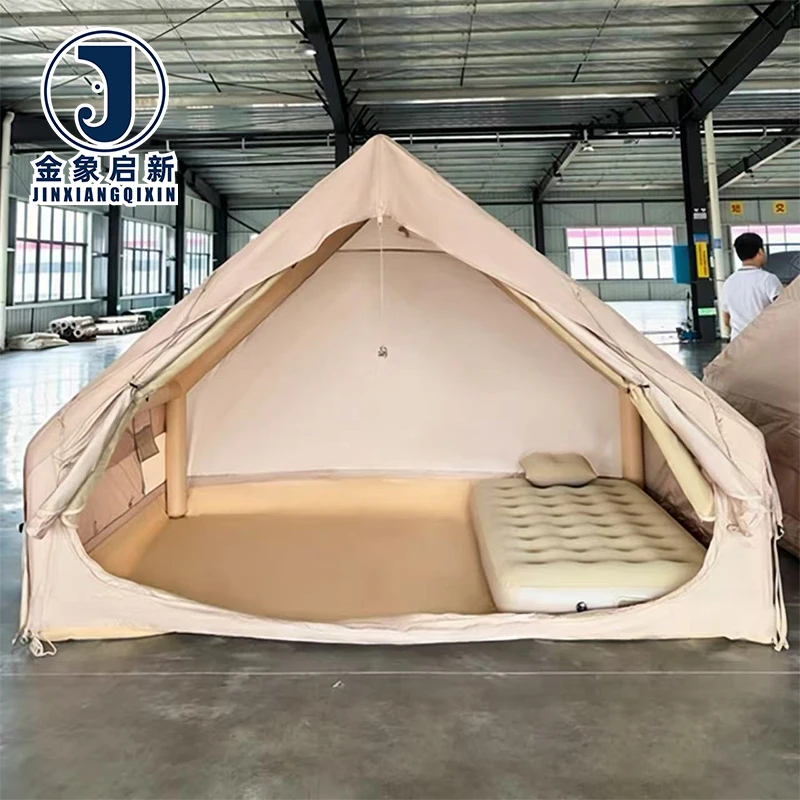
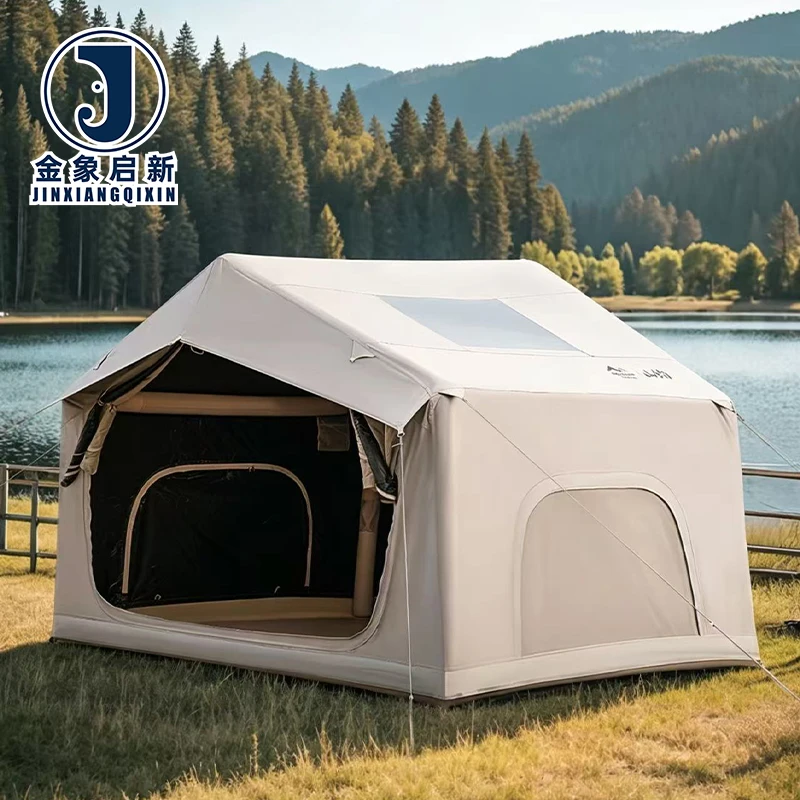
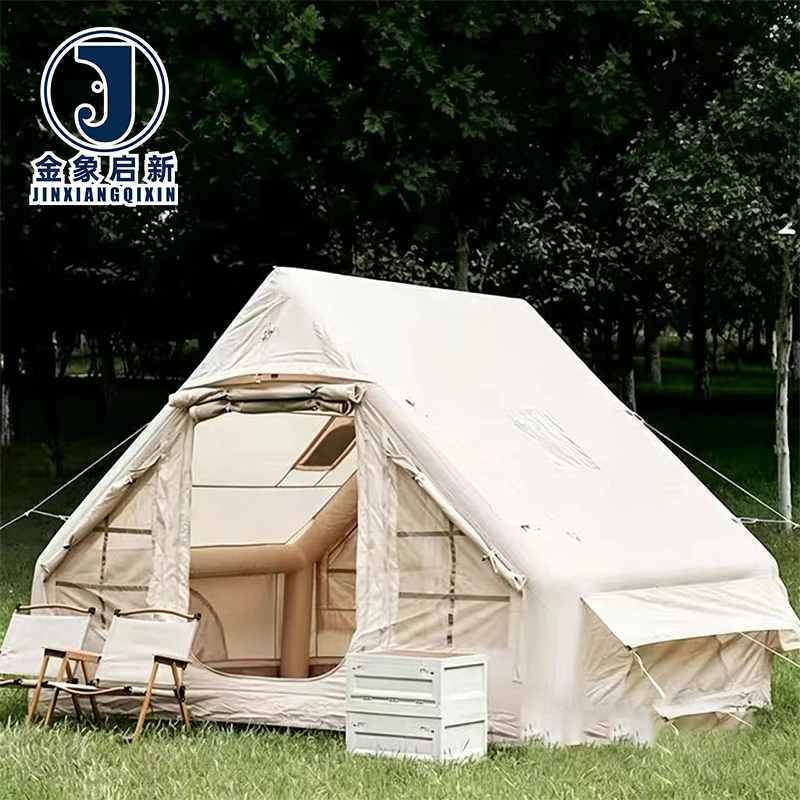
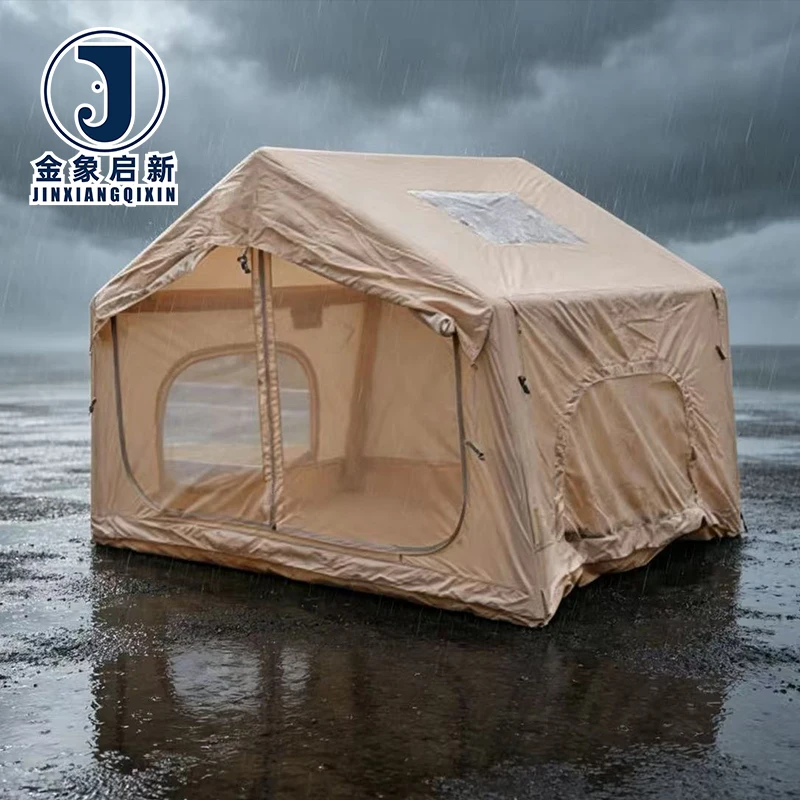
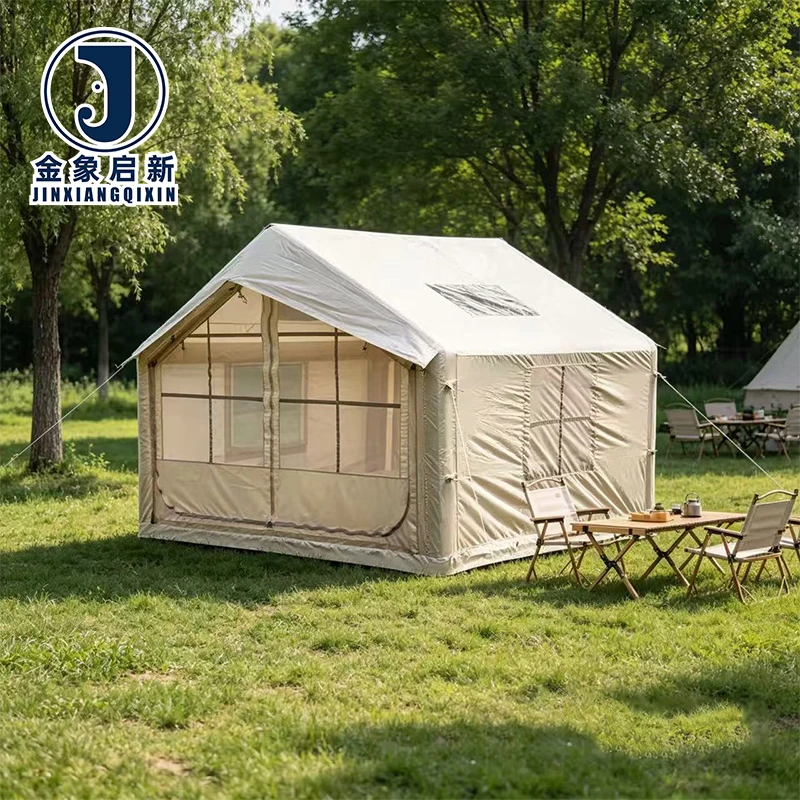
Deep Coating Control — our facility maintains strict process oversight over coating weight and adhesion for inflatable structure fabrics, ensuring fire-retardant and anti-static PVC tarpaulin meets project-specific compliance requirements from raw material through to finished roll.
Technical Specifications
| Parameter | Value |
|---|---|
| Product Type | Inflatable Tent Fabric |
| Core Material | PVC tarpaulin |
| Capacity Range | 1–12 Person structures |
| Season Rating | Four-Season |
| Waterproof | Fully waterproof coated construction |
| UV-Resistant | Available with anti-UV treatment — confirm test basis for your market |
| Fire-Retardant | Available in fire-retardant grades — confirm the grade required for your market (e.g. M2 / B1 / NFPA 701) |
| Anti-Static | Available with anti-static treatment — confirm surface resistance standard for your deployment environment |
| Tear Resistance | Tear-resistant construction for repeated inflation and breakdown cycles |
| Opening Mechanism | Quick Automatic Opening (inflatable air-beam design) |
| Customization | OEM & ODM — sample customization, pattern printing, material selection, product design |
| Production Lines | 3 full production lines |
| Processing Equipment | 36 sets of professional processing equipment |
| R&D Team | 10 technicians |
| Quality Control | Full-process inspection with dedicated QA & QC staff on site |
| Certifications | ISO 9001, ISO 14001, ISO 45001, CE |
Application Suitability
| Application | Exposure & Requirement |
|---|---|
| Mining & tunnelling temporary shelters | Underground or remote-site deployment requiring fire-retardant and anti-static certified fabric, abrasion from rock dust, repeated inflation cycles |
| Aviation & emergency response inflatable structures | Rapid-deploy compliance environments demanding documented fire-retardant grades, wind load on air-beam seams, UV exposure during extended outdoor staging |
| Commercial event & mobile field station enclosures | High-visibility installations requiring batch-consistent colour, waterproof integrity across seasonal weather swings, frequent setup and teardown |
| Temporary workforce accommodations | Continuous occupation loading on welded seams, temperature fluctuation across four-season use, cleaning chemical exposure during turnover |
What Certified Really Means When the Inspector Asks for the Test Report
A fire-retardant claim without a matching grade and test report is a compliance gap waiting to surface on site.
Procurement teams sourcing inflatable tent fabric fire retardant specifications often receive quotation sheets that state "FR treated" without naming the classification standard. When the site safety officer or municipal inspector requests documentation, the gap becomes a project delay. [NEED_CITE: fire classification standards for temporary structures vary by jurisdiction — M2, B1, and NFPA 701 are common reference points] Anti-static requirements for mining or aviation environments carry a similar risk: surface resistance values must align with the hazard classification of the deployment zone, and a generic "anti-static" label does not satisfy an audit. Our approach is to match the inflatable tent fabric fire retardant or anti-static specification to your project’s stated standard before production begins, then provide batch-specific test reports with each shipment.
Fire-Retardant and Anti-Static Alignment for Hazard-Sensitive Sites
Deploying inflatable structures in mining, tunnelling, or aviation environments means the fabric must satisfy the site’s hazard management plan, not just a general performance claim. Our inflatable tent fabric fire retardant options are formulated to align with project-specific standards — confirm the grade your compliance framework requires, and our R&D team will develop a sample with the corresponding test documentation. Anti-static treatment follows the same principle: the surface resistance target depends on whether the structure operates near combustible dust, flammable vapours, or sensitive electronic equipment.
Four-Season Waterproofing Under Repeated Inflation Stress
Inflatable air-beam tents face a stress profile that static structures do not: each setup and breakdown cycle flexes the welded seams and coating interface. The PVC tarpaulin core must retain waterproof integrity through these cycles without delamination at the heat-welded joints. Our four-season formulation addresses the temperature range from cold-weather stiffness to high-heat softening, maintaining structural coherence whether the unit is deployed as an emergency shelter in winter conditions or a field station in summer heat. [NEED_CITE: coated fabric flexibility and adhesion behaviour across temperature ranges per ISO 1421 test methods]
Reading the Specification Sheet Beyond the Headline Numbers
The interaction between base fabric denier, weave density, and coating weight determines how the inflatable tent fabric performs under inflation pressure and external wind load. A heavier coating does not automatically mean higher tear resistance if the base fabric has low yarn count — the coating protects against water and abrasion, but the woven polyester scrim carries the tensile and tear load. Coating method also matters: knife-over-roll coating typically delivers higher adhesion strength than lamination, which directly affects how well the heat-welded seams on air-beam structures hold under repeated pressurisation. Surface finish — glossy or matte — influences cleaning ease in workforce accommodation roles and print adhesion when branding is applied to event structures. Fire-retardant classification systems differ by market; B1 per DIN 4102, M2 per French standard, and NFPA 701 each test different material behaviours, so specifying the correct reference standard at inquiry stage prevents rework later.
The Cost of Specifying Without Compliance Documentation
When inflatable tent fabric arrives on a mining or aviation site without the fire-retardant or anti-static certification the safety plan requires, the structure cannot be commissioned. The delay compounds: crew accommodation stands empty, event permits stall, or emergency response capability is compromised. [NEED_CITE: temporary structure compliance failures and project delay costs in extractive industries] Batch-to-batch colour inconsistency across a multi-unit deployment creates a visible mismatch once the structures are erected side by side — a particular problem for commercial event operators where visual presentation matters. Welded seam failure before the fabric itself reaches end of service life concentrates repair costs at the highest-stress points of the air-beam construction, turning a minor specification oversight into repeated field maintenance.
Why Procurement Teams Source This Fabric Here
Nearly 30 years of focused PVC coated fabric production gives our team process depth that supports consistent coating weight and adhesion across every roll of inflatable structure material. Three full production lines and 36 sets of processing equipment provide the capacity to fulfil bulk orders for large-scale commercial or industrial deployments without extended lead time penalties. A 10-technician R&D team handles material selection, pattern printing, custom sizing, and sample development — enabling OEM and ODM projects to move from inquiry to approved sample within days rather than weeks. Dedicated QA and QC staff inspect at every production stage, with 100% pre-shipment inspection covering pressure testing, waterproof verification, and structural integrity checks specific to inflatable applications. Full documentation traceability — from material specification sheet through to batch-specific test reports — ensures compliance records are complete before the fabric leaves the facility.
Documentation & Verification
- Material specification sheet stating PVC grade, base fabric construction, and coating weight for inflatable tent fabric fire retardant or anti-static variants
- Fire-retardant and anti-static test reports matched to the project-specific standard confirmed at inquiry stage
- ISO 9001, ISO 14001, ISO 45001, and CE certificates with scope covering inflatable structure fabric supply
- Pre-shipment inspection records documenting pressure testing, waterproof verification, and seam integrity checks
- Roll packing list with batch identification for traceability across multi-unit commercial deployments
- Certificate of origin and customs documentation for international shipment clearance
Fabrication, Handling & Storage
- Heat-weld air-beam seams using temperature and dwell settings matched to the PVC tarpaulin coating weight to prevent delamination under inflation pressure
- Store rolls horizontally on padded racking to avoid compression marks that transfer through to the finished inflatable structure surface
- Allow cold-stored PVC tarpaulin rolls to acclimatise before unrolling to prevent coating crack at low temperatures
- Use mild detergent cleaners compatible with the PVC surface finish to maintain waterproof integrity across repeated wash cycles
- Plan cutting layouts to minimise cross-grain seams on air-beam panels where tensile load concentrates during pressurisation
Preparing Your Specification for Quotation
To move from inquiry to sample approval efficiently, share the deployment environment — mining, aviation, event, or workforce accommodation — along with the fire-retardant and anti-static standards your compliance framework references. Confirm whether you require roll stock for your own fabrication or finished OEM/ODM inflatable units with custom sizing and pattern printing. Let us know the target colour, quantity, and whether batch-consistent colour across multiple units is critical for your installation.
Frequently Asked Questions
Q: How do you align fire-retardant grades with different market requirements?
A: Fire-retardant classification systems vary — B1 per DIN 4102, M2, and NFPA 701 each test different material behaviours. Confirm the standard your project specifies at inquiry stage. Our R&D team develops a sample formulated to that grade and provides a batch-specific test report with the shipment.
Q: What anti-static certification applies to mining and hazard-sensitive inflatable structures?
A: Anti-static requirements depend on the hazard classification of your deployment zone — combustible dust, flammable vapour, or sensitive equipment proximity. We confirm the target surface resistance standard before production and supply matching test documentation.
Q: How is UV resistance validated for extended outdoor deployments?
A: Anti-UV treatment is available for inflatable tent fabric intended for long-term outdoor exposure. The specific test basis and expected service duration depend on your climate zone and deployment timeline — confirm your market’s reference standard so we can match the formulation.
Q: What heat-welding parameters work best for inflatable air-beam seam integrity?
A: Welding temperature, pressure, and dwell time must match the PVC tarpaulin coating weight and base fabric construction. Incorrect settings cause seam failure before the fabric reaches end of life. We provide fabrication guidance based on the specific material variant you order.
Q: What is the sample development process before full-scale production?
A: Our 10-technician R&D team develops samples covering material selection, custom sizing, and pattern printing. Approve the sample — including fire-retardant or anti-static performance if required — before we proceed to bulk manufacturing with full in-process QA inspection.