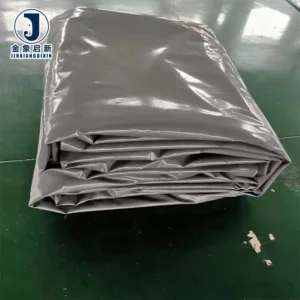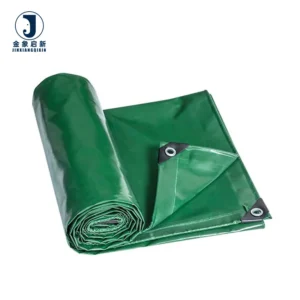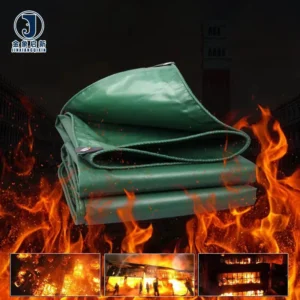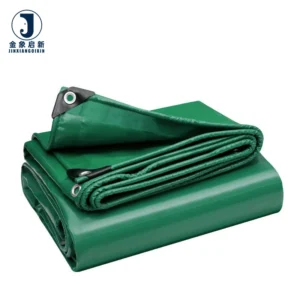



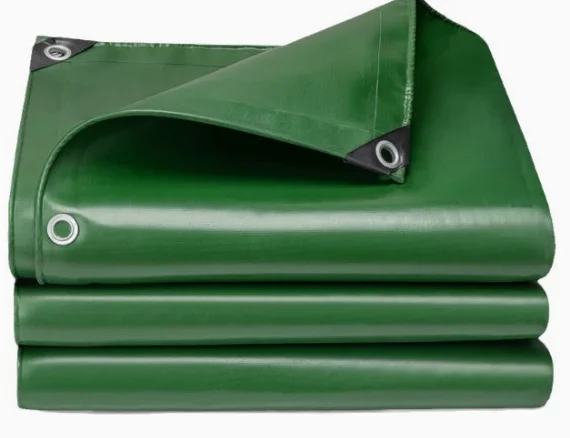
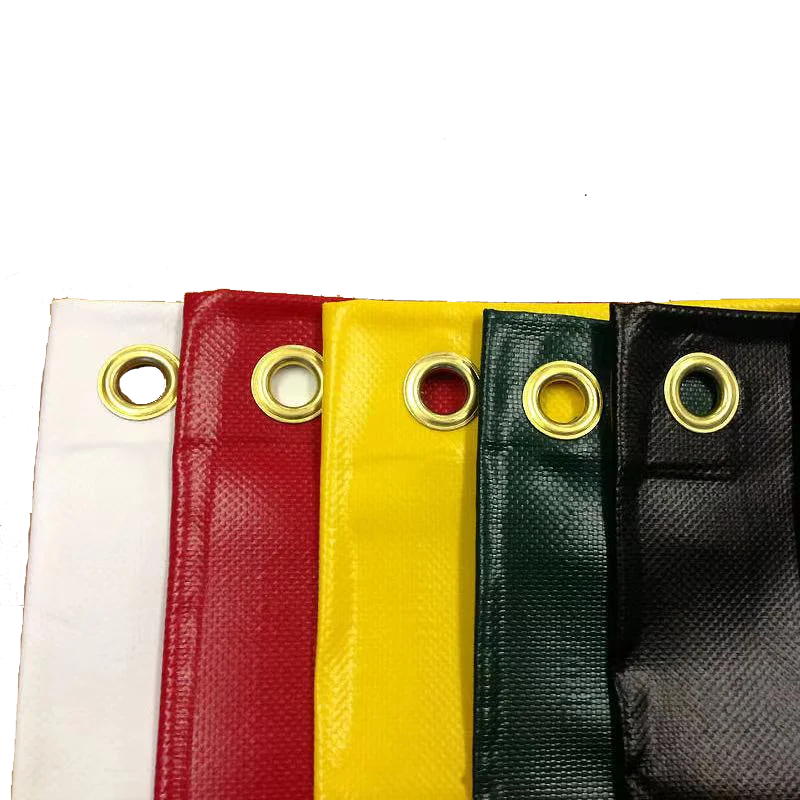
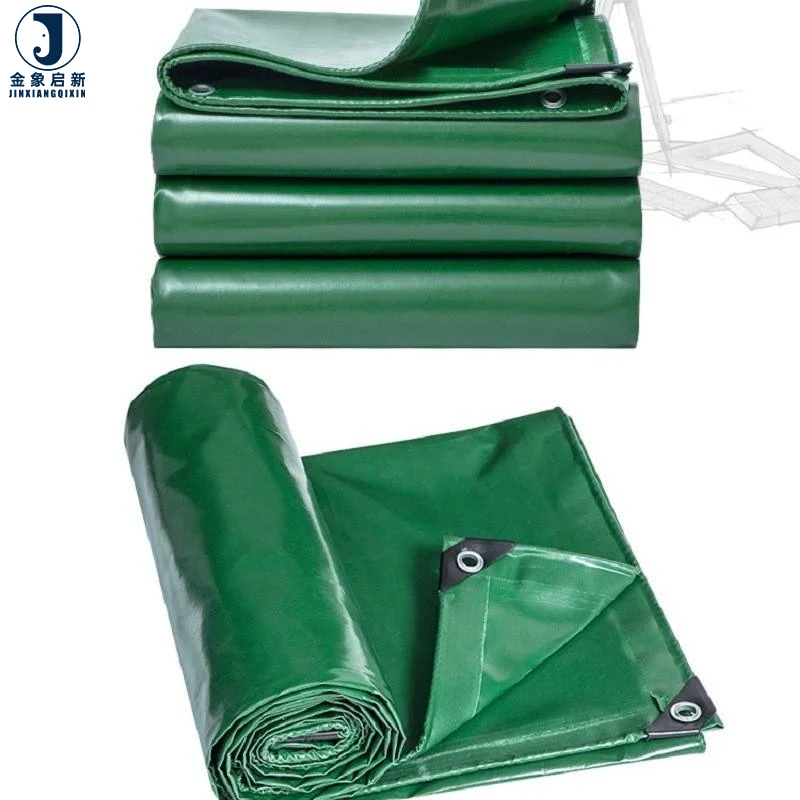
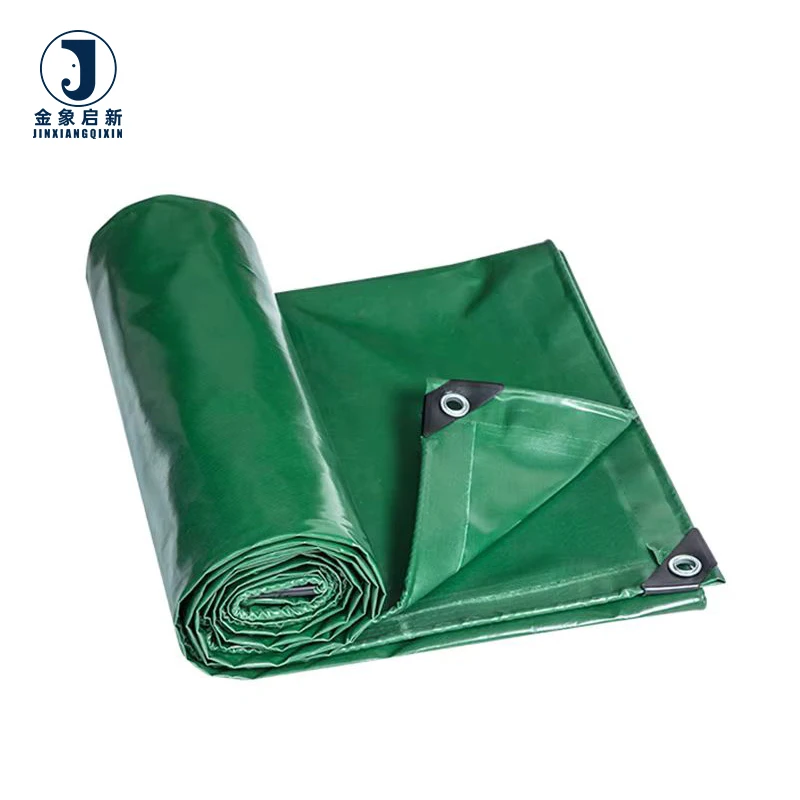
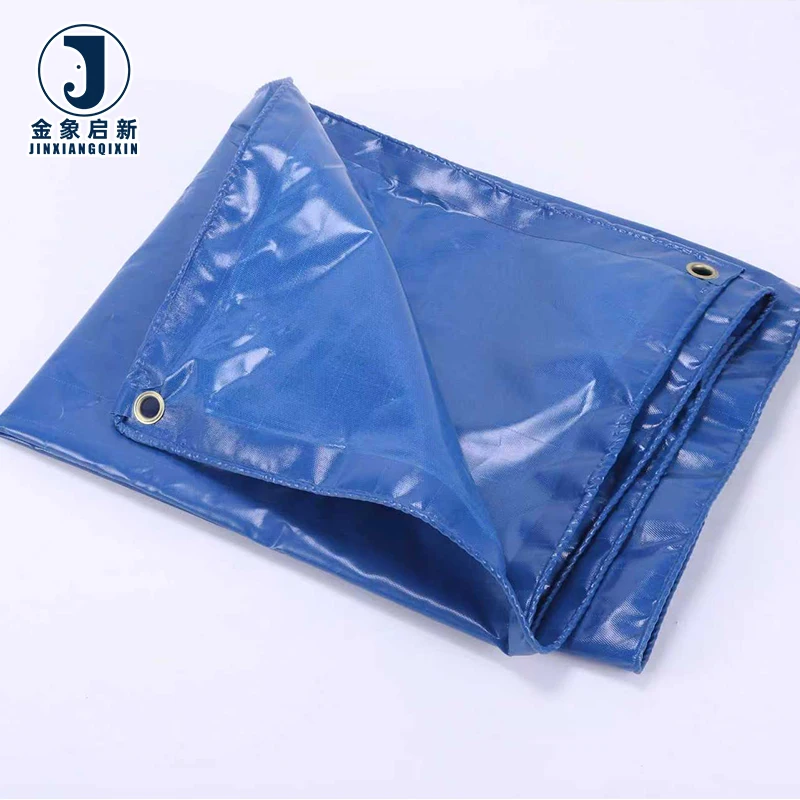
Certified Compliance Fabric — Fire-retardant and anti-static PVC coated tarpaulin engineered for ventilation duct and specialist structure applications, supplied with traceable test reports and pre-shipment inspection records for every roll.
Technical Specifications
| Parameter | Value |
|---|---|
| Product Type | PVC Coated Tarpaulin Roll |
| Material | PVC Vinyl |
| Weight | At least 450 GSM (source value — verify against manufacturer catalog) |
| Fabric Construction | Woven Fabric |
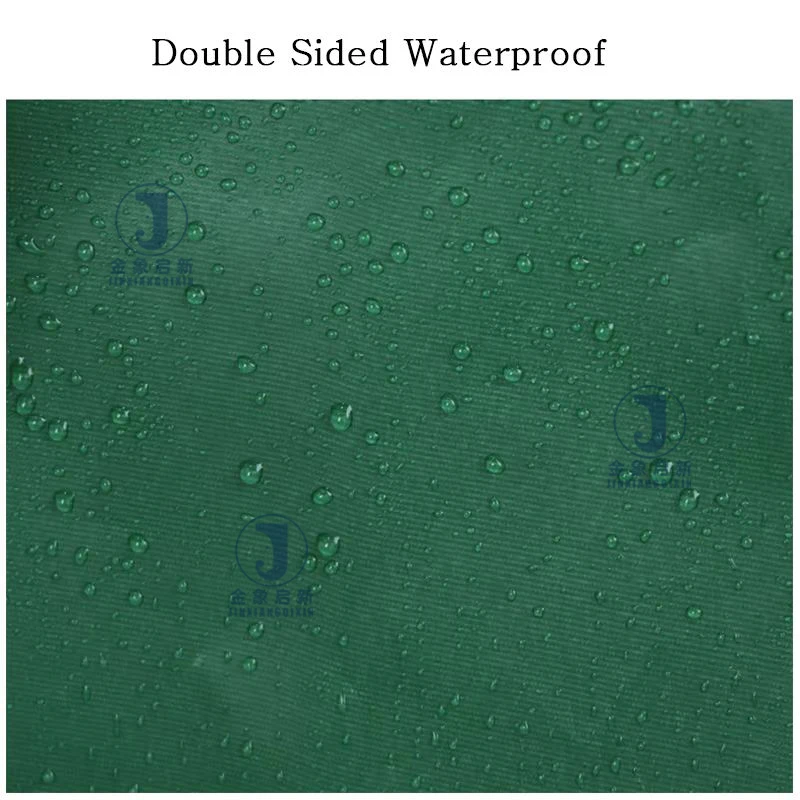
| Water Resistance | Waterproof |
| Surface Treatment | Anti-UV treatment (cross-reference with manufacturer test report) |
| Fire Retardant Grade | Available in flame retardant grades — confirm the grade required for your market |
| Anti-Static | Available with anti-static treatment — surface resistance range to be confirmed per specification |
| Standards | ISO, CE |
Application Suitability
| Application | Exposure & Requirement |
|---|---|
| Mine and tunnelling ventilation ducts | Continuous airflow, high humidity, strict fire-retardant and anti-static compliance for underground safety |
| Aviation ground support ducting | Fuel vapour environments requiring verified anti-static surface resistance to prevent discharge |
| Membrane and inflatable structures | Wind load, mechanical stress at anchor points, weather exposure, and panel-to-panel welded seam integrity |
| Industrial processing facility ducts | Chemical-laden air streams, temperature fluctuation, and abrasion at duct flex sections |
Why Certification Paperwork Matters More Than the PVC Coated Fabric Label
A roll without its test report is just plastic on a construction site until the inspector shuts the job down.
Ventilation duct or inflatable structure fabric arrives on site without the fire-retardant or anti-static certification the inspector requires — work stops until paperwork catches up. In underground mining and tunnelling, the site safety officer checks the roll label against the approved material register before a single section is hung. If the PVC coated fabric documentation does not match the specified grade, the entire installation is rejected regardless of how the material actually performs. We have seen projects lose weeks because the supplier shipped the correct material but omitted the matching test certificate. [NEED_CITE: underground ventilation compliance requirements for coated fabrics]
Woven PVC Construction for Structural Duct Integrity
Ventilation ducts in mining and tunnelling operate under continuous positive or negative pressure, meaning the PVC coated fabric must resist both bursting forces and collapse without excessive stretching. The woven base fabric provides the dimensional stability that holds the duct shape across long horizontal runs, while the PVC coating seals the weave against air leakage. For duct fabricators, the relationship between base fabric denier and coating weight determines how the material behaves when folded, creased, or clamped to steel rings at connection points.
Fire-Retardant and Anti-Static Grades with Traceable Documentation
Underground environments and aviation fuel zones impose non-negotiable fire and static discharge limits on every material present. Our fire-retardant PVC coated fabric grades are available with test reports mapped to recognised standards — confirm the specific grade required for your market, whether that aligns with M2, B1, NFPA 701, or DIN 4102 classifications. Anti-static treatment is verified through surface resistance testing, and results are documented per batch so your compliance file traces back to the exact roll installed on site. [NEED_CITE: fire classification standards for ventilation duct materials in mining]
Understanding What the GSM Figure Actually Tells You
The stated GSM represents total weight of base fabric plus coating combined, but it does not reveal how that weight is distributed. A PVC coated fabric at a given GSM could carry a heavier base fabric with a thinner coating, yielding higher tensile and tear strength but reduced surface abrasion resistance. Conversely, a heavier coating over a lighter base increases waterproofing and chemical resistance while potentially lowering tear propagation resistance. For duct and membrane applications, the base fabric weave density and denier determine how the material handles the mechanical loads at suspension points and welded seams, which is why our material specification sheet breaks out coating weight and base fabric construction separately rather than quoting a single GSM figure alone.
The Real Cost When Specification Gaps Surface on Site
When the fire-retardant grade on the quotation does not match the test report the inspector demands, the duct installation halts and every section already hung must be documented or removed. When anti-static performance is claimed without a surface resistance test result, aviation ground support contractors cannot certify their ventilation system for use in fuel-handling zones. Colour variation between rolls in a single membrane order becomes visible once panels are welded side by side, forcing selective replacement that delays handover. Welded seams that fail before the fabric does create duct leaks that reduce airflow to the working face underground, triggering ventilation audits. [NEED_CITE: weld peel strength testing methods for coated fabric ducts]
Why Procurement Teams Source This PVC Coated Fabric Through Jinxiang
Three full production lines and 36 sets of professional equipment support bulk roll output with reliable scheduling, so your duct fabrication shop or membrane project receives material on the timeline the construction programme demands. A dedicated 10-person R&D team handles custom width and roll length development, matching duct diameter and membrane panel dimensions without forcing you to trim and waste standard stock. Every roll passes 100% pre-shipment inspection with weight verification against the quoted GSM before it leaves the facility. Samples for custom fire-retardant or anti-static specifications are developed within days, allowing your compliance team to review test reports before committing to a full production run. Documentation packages ship with every dispatch, including material specification sheets, test reports, pre-shipment inspection records, and certificates of origin for international project sites.
Documentation & Verification
- Material specification sheet stating GSM, base fabric construction, coating weight, and colour reference per roll
- Fire-retardant test report mapped to the grade specified for your mining, tunnelling, or aviation application
- Anti-static surface resistance test result included where the treatment is specified
- Pre-shipment inspection record confirming roll-by-roll weight verification against quoted values
- Certificate of origin and customs documentation for cross-border project sites
Fabrication, Handling & Storage
- Hot-air welding parameters should be calibrated to the PVC coating weight to achieve peel strength matching the base fabric tensile capacity
- Store rolls upright on pallets in a dry, shaded area to prevent flattening and permanent creasing of the woven PVC surface
- Allow cold-stored rolls to acclimatise before unrolling to avoid coating stiffness and cracking at low temperatures
- Use compatible PVC-based repair patches and solvent cements that bond to the coating chemistry of this fabric grade
- Plan membrane panel cutting layouts around available roll widths to minimise welded seams in high-stress zones
- Clean installed duct or membrane surfaces with mild detergent solutions to preserve the anti-static or fire-retardant treatment layer
Request a Specification Match for Your Project
Provide the ventilation duct diameter or membrane panel dimensions, the fire-retardant or anti-static grade your site compliance requires, and the annual roll volume your project pipeline demands. If your application involves a specific regulatory framework or third-party inspection body, include the standard reference so we align the test report format before sampling. Confirm whether you require stock-width rolls for your own fabrication line or custom cut-to-size panels with welded hems and reinforcement.
Frequently Asked Questions
Q: Which fire-retardant grades are available and how do they map to my local mining or tunnelling regulations?
A: We offer PVC coated fabric in flame retardant grades aligned with international classifications. Share your site’s specific regulatory standard, and we match the test report to that framework. Our documentation package includes the grade classification and test method reference your safety officer needs for the material register approval before installation begins on site.
Q: How is anti-static performance verified and what surface resistance range is achieved?
A: Anti-static treatment is verified through surface resistance testing conducted per batch. The measured resistance value is documented on the test report shipped with your rolls. Confirm the surface resistance range your aviation or mining specification requires, and we align the treatment formulation and testing protocol to match that target before production.
Q: How do I confirm GSM and coating weight on arrival against the quotation?
A: Every roll undergoes weight verification during our pre-shipment inspection, and the recorded values appear on the inspection report included in your documentation package. On arrival, you can cross-reference the physical roll weight against the stated GSM and coating weight breakdown on the material specification sheet we supply.
Q: What custom widths and roll lengths are available for duct fabrication?
A: Custom widths and roll lengths are developed to match your duct diameter and membrane panel dimensions, reducing trimming waste and seam count on large installations. Our R&D team produces samples within days for your approval, and batch-to-batch consistency is maintained across the full production run for colour and weight uniformity.
Q: How are welded seams tested for peel strength in duct and membrane applications?
A: Welded seam peel strength is evaluated during production to confirm the bond integrity matches or exceeds the base fabric capacity. For duct applications where flex points concentrate stress, seam testing ensures the welded joint does not become the failure point before the PVC coated fabric itself reaches end of service life.