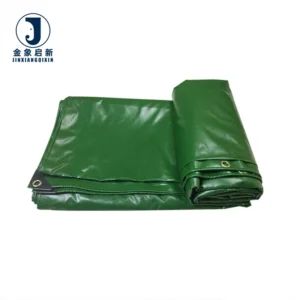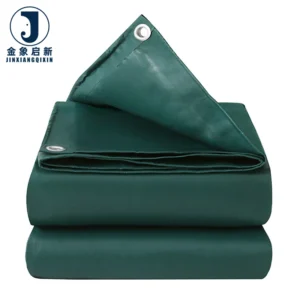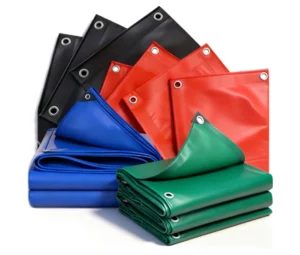
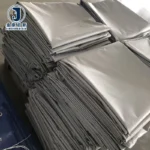
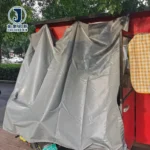
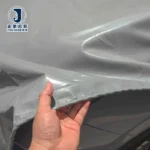
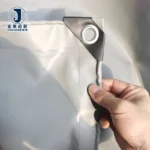

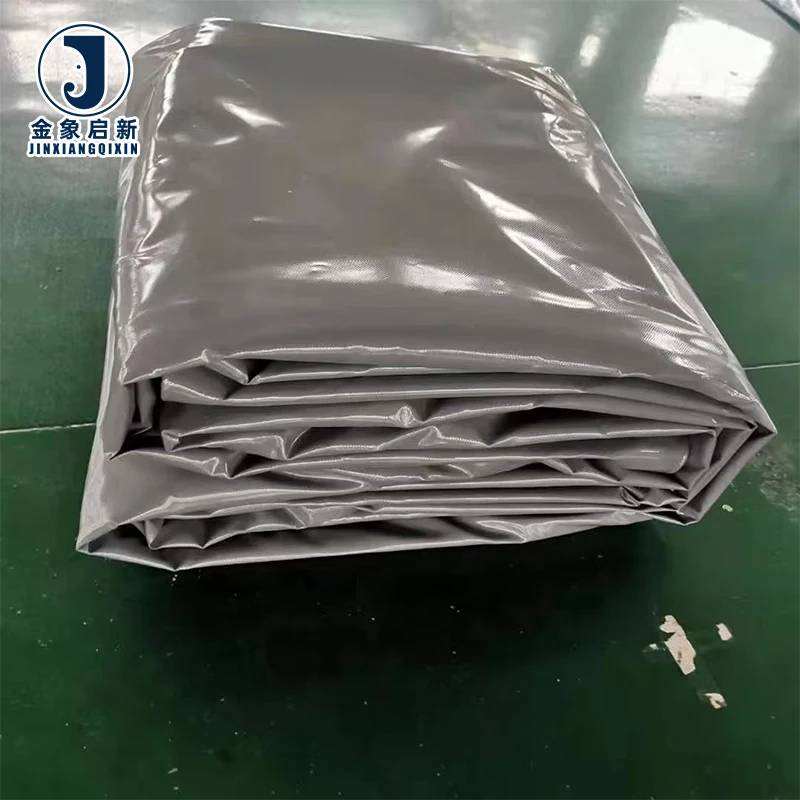
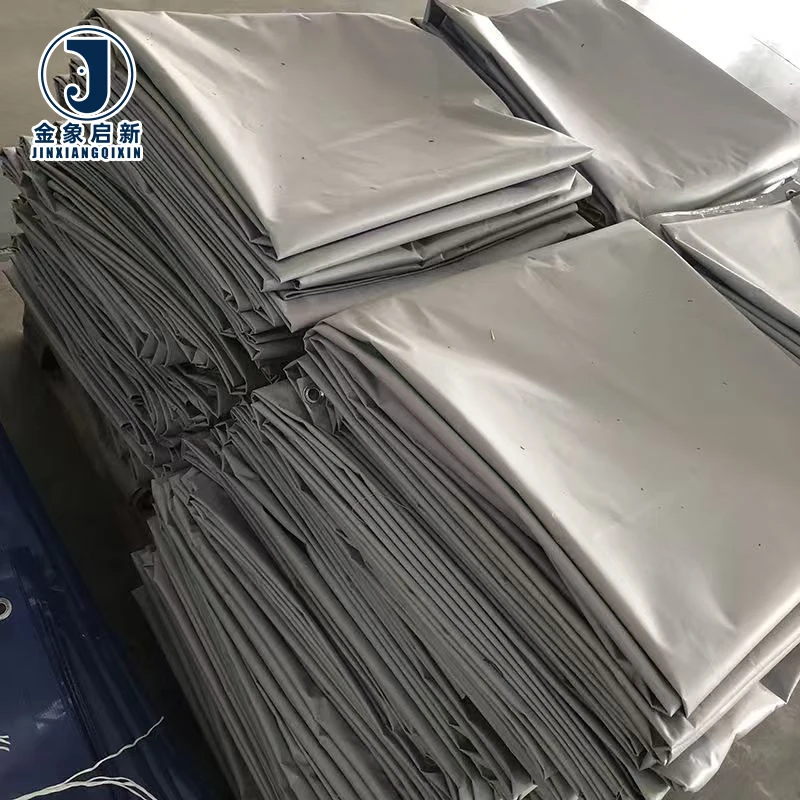
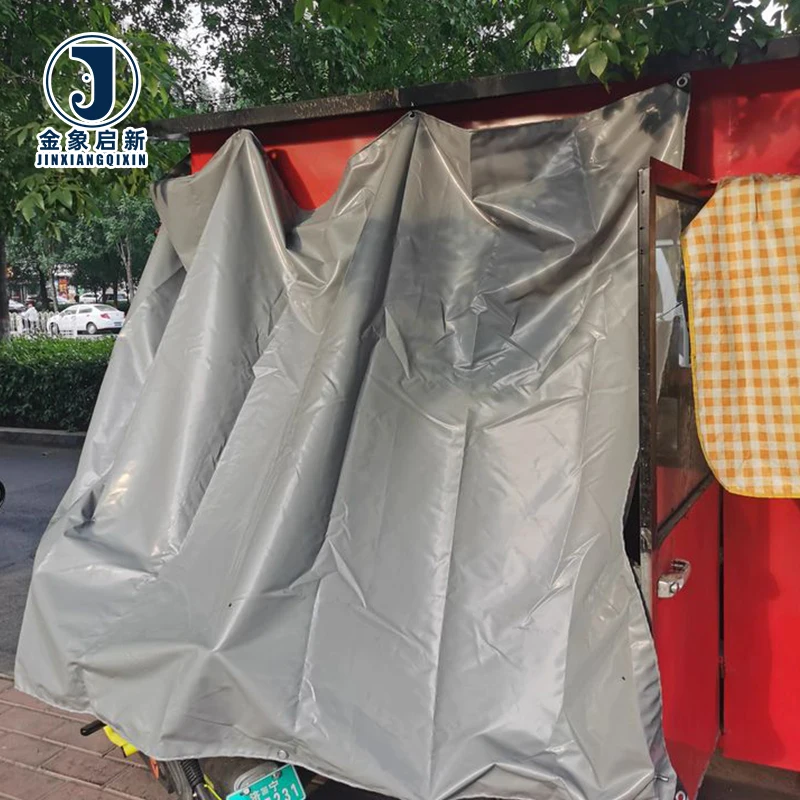
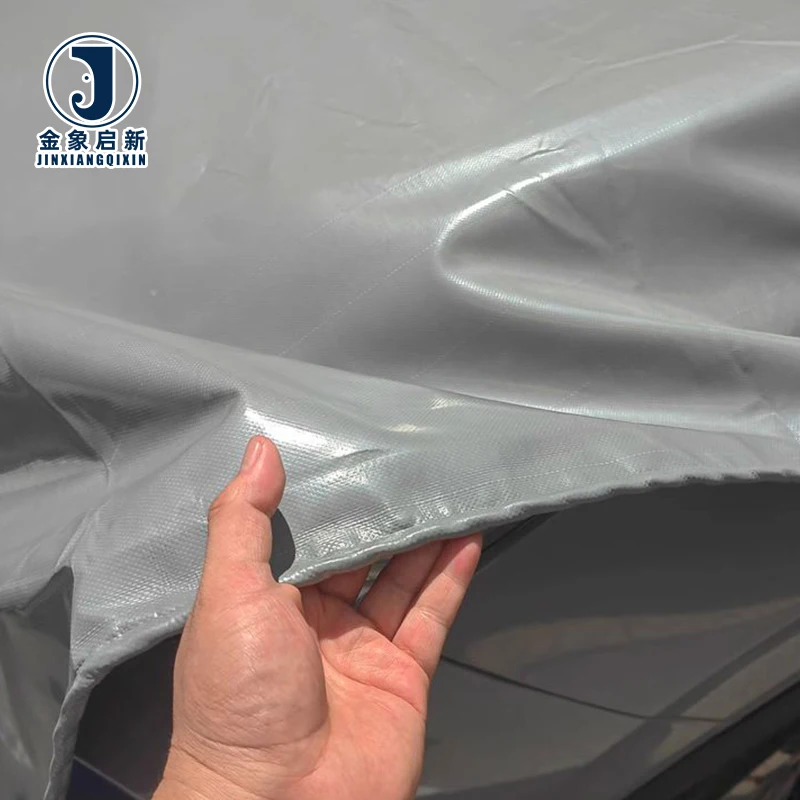
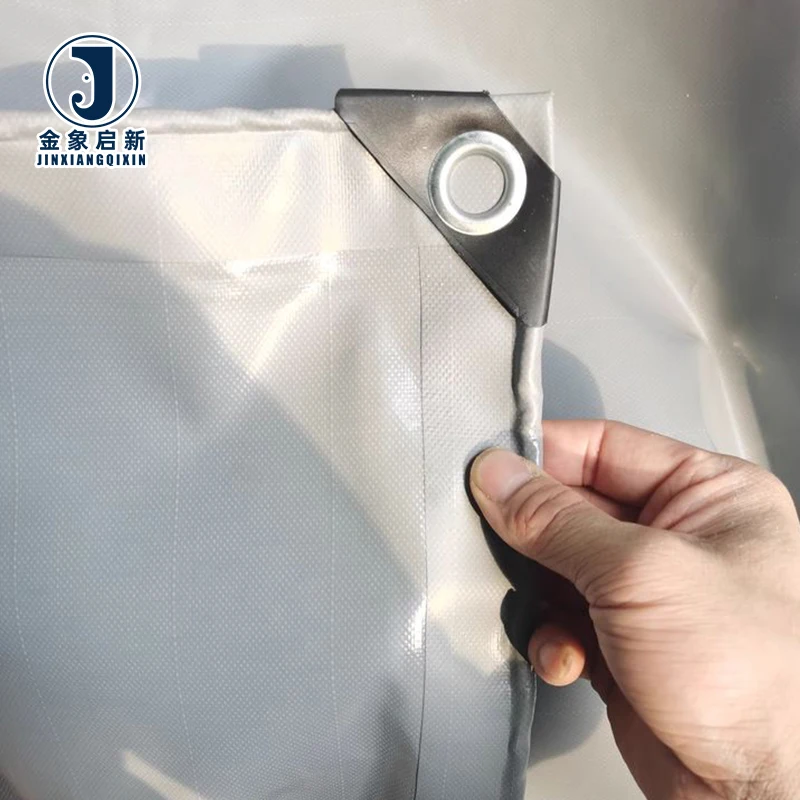
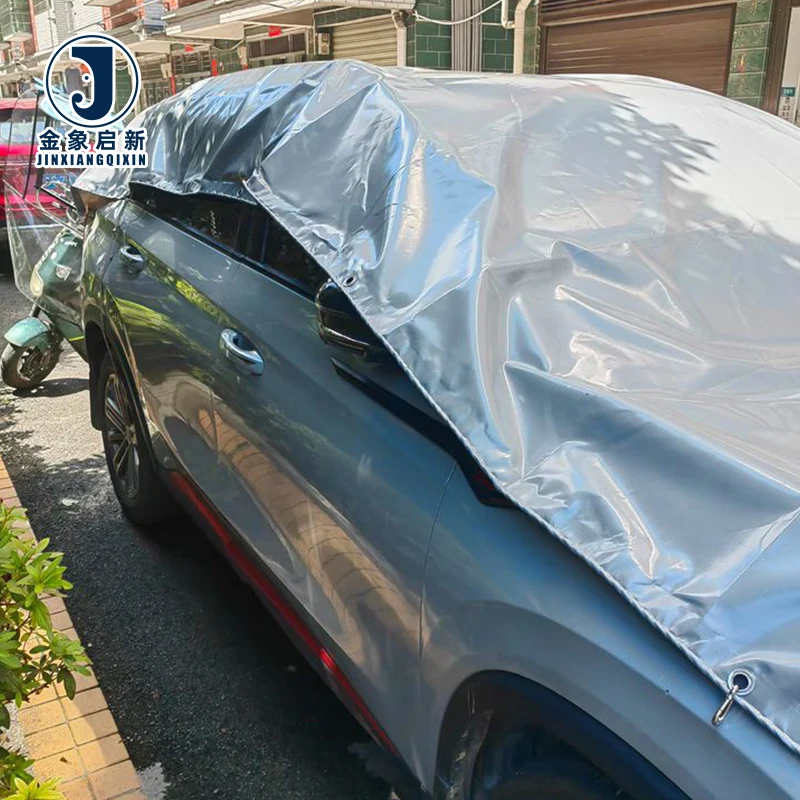
Precision-Engineered Coating Weight Control — Every roll of 630 gsm PVC coated tarpaulin ships with a verified material specification sheet confirming base fabric denier and coating composition, so the fabric on your cutting table matches the data you quoted on.
Technical Specifications
| Parameter | Value |
|---|---|
| Product Type | PVC Coated Tarpaulin Roll |
| Specification | 630 Gsm Blue/Grey/Orange Pvc Tarpaulin Roll Pvc Tarpaulin Truck Tarpaulin Pvc Coated Tarpaulin |
| Weight (GSM) | 630 gsm |
| Base Fabric Denier Options | 200DX300D / 500DX500D / 840DX840D / 1000DX1000D |
| Coating Material | PVC |
| Surface Finish | Glossy or matte |
| Temperature Range | -15°C to 70°C |
| UV Treatment | Customized (test basis not stated in source) |
| Flame Retardant | FR treated (grade not stated in source) |
| Anti-Mildew | Anti-fungal treated |
| Waterproof | Yes |
| Size Options | 3x4m / 6x8m / 8x10m / 10x12m or custom made |
| Standards | ISO, CE |
Application Suitability
| Application | Exposure & Requirement |
|---|---|
| Mining ventilation ducts | Continuous internal pressure, particulate abrasion, underground fire-safety compliance, static dissipation |
| Tunnelling exhaust systems | High-velocity airflow, chemical exposure from blasting residues, confined-space flame propagation limits |
| Aviation hangar ventilation | Fuel vapour environments requiring anti-static surfaces, wide-diameter duct construction with flex joints |
| Construction site temporary ducting | UV exposure during laydown, repeated coiling and uncoiling, temperature fluctuation across seasons |
| Industrial membrane structures | Sustained tension loads, wind-induced flutter, welded seam integrity under cyclic stress |
Why "Fire Retardant" Without a Documented Grade Stops Your Project Cold
Flame retardancy is only meaningful when tied to a published test standard and an accredited lab report — everything else is marketing language.
Ventilation duct fabric that arrives on a mining site without the fire-retardant certification your safety plan references means work halts until documentation catches up. I have seen entire ducting installations unspooled and waiting because the test report referenced one standard while the site compliance officer required another. The PVC Coated Tarpaulin 630 gsm grade is FR-treated, but the specific classification must be confirmed against your destination market’s requirements before production begins [NEED_CITE: fire classification standards for underground ventilation textiles]. Requesting the applicable test report at the inquiry stage eliminates the gap between what the quotation claims and what the site inspector demands.
Coating Adhesion and Base Fabric Selection for Duct Performance
The relationship between base fabric denier and coating weight directly governs how the PVC coated fabric behaves under internal duct pressure. A 500DX500D base offers a balance of tensile capacity and flexibility suited to mid-range duct diameters, while a 1000DX1000D construction provides higher tear resistance for larger-diameter or higher-pressure ventilation systems. The 630 gsm PVC Coated Tarpaulin roll is available across this denier range, allowing technical specifiers to match the base construction to the mechanical demands of the installation.
Weld Behaviour Under Flex and Pressure Cycling
Welded seams in ventilation ducts experience repeated flexing as the duct pressurises and depressurises, concentrates stress precisely where the fabric transitions from bonded to free-hanging. Coating adhesion at the weld interface must remain intact across the full temperature operating range of -15°C to 70°C. Delamination at a welded joint before the base fabric itself shows wear is a recurring failure mode in duct installations [NEED_CITE: weld peel strength test methods for PVC coated fabrics]. The available glossy or matte finish affects hot-air weld parameter settings, and both options are formulated for consistent thermal bonding across the roll.
Interpreting the Specification Sheet for Procurement Decisions
GSM alone describes mass per unit area — it does not tell you how that mass is distributed between base fabric and coating. A 630 gsm PVC coated tarpaulin built on a lighter denier base with a heavier coating will behave differently under tensile load than one built on a denser base with a thinner coating layer. The denier options spanning 200DX300D through 1000DX1000D represent distinct tensile and tear profiles that a technical buyer should evaluate against the specific stress environment of the end application. Surface finish selection between glossy and matte influences both cleanability in dusty mining environments and paint or adhesive compatibility in membrane fabrication. The stated temperature range of -15°C to 70°C defines the boundary within which the PVC coating retains flexibility without embrittlement or excessive softening — installations outside this envelope require material validation under actual service conditions. UV treatment and flame-retardant grades are available on a customised basis, and the specific test standards applicable to your market must be requested during the specification phase rather than assumed from the quotation.
The Hidden Cost of Specifying on Weight Without Checking the Test Report
When fire-retardant treatment is claimed without a documented grade, the risk surfaces at the inspection stage — ductwork installed, airflow commissioned, and then a compliance auditor asks for the certificate that does not exist. Batch-to-batch colour inconsistency across rolls ordered for the same ventilation circuit becomes visible the moment adjacent duct sections are hung side by side underground. Welded seams that fail prematurely under cyclic pressure loading often trace back to coating composition differences between batches that were not caught before dispatch [NEED_CITE: ISO 1421 tensile and tear test methods for coated fabrics]. These are not hypothetical scenarios but documented procurement pain points that drive rework costs far beyond the original fabric price.
What 30 Years of Coated Fabric Production Brings to Your Duct Project
Three full production lines and 36 sets of professional equipment provide the capacity to deliver roll stock for large-scale ventilation projects within typical multi-week lead times. A 10-person R&D team handles denier selection, coating weight adjustment, and sample development so you can validate material behaviour before committing to bulk volumes. Dedicated QA/QC inspection at every production stage means each roll is checked against the stated 630 gsm specification and base fabric denier before it leaves the facility. Sample turnaround within days allows fabricators to run test welds and confirm hot-air parameters against the specific surface finish and coating formulation. ISO and CE certified production provides the documentation trail that compliance officers and project auditors require. Pre-shipment inspection records accompany every dispatch so you can trace quality data back to the production batch [NEED_CITE: DIN 4102 fire classification for building and ventilation materials].
Documentation & Verification
- Material specification sheet stating confirmed 630 gsm weight, base fabric denier and coating type per roll
- Fire-retardant test report from accredited laboratory matching the grade specified at inquiry stage
- Anti-static surface resistance measurement documented where applicable to underground compliance requirements
- Pre-shipment inspection record covering weight, colour consistency and coating adhesion per roll
- ISO and CE certificates included with shipment documentation package
- Roll packing list with batch reference traceable to production QA records
Fabrication, Handling & Storage
- Hot-air weld temperature and speed must be calibrated to the glossy or matte surface finish of the 630 gsm fabric
- Base fabric denier selection determines seam allowance width needed for reliable welded joint strength
- Store rolls upright on cores to prevent permanent creasing that compromises coating integrity at fold lines
- Unroll and allow fabric to acclimatise before fabrication when ambient temperature is below the -15°C lower operating limit
- Use only PVC-compatible solvents and cleaners to avoid degrading the coating surface during field repair
- Plan cutting layouts to minimise cross-direction seams in high-pressure duct sections
What to Include in Your Inquiry
Provide the duct diameter range, maximum internal operating pressure and whether the installation environment requires documented fire-retardant or anti-static certification. Specify the destination market so the applicable test standard — M2, B1, NFPA 701 or other regional classification — can be matched to the treatment applied. Indicate whether you require roll stock in standard widths for your own fabrication line or finished cut-to-size panels, along with colour references and annual volume estimates. Request a sample roll section early to verify weld parameters, surface finish and hand-feel against your production equipment before committing to the full order.
Frequently Asked Questions
Q: How is the 630 gsm weight verified and which test method applies?
A: Total fabric weight is measured per square metre and documented on the material specification sheet that ships with every roll. The coating weight versus base fabric weight breakdown is available on request. We recommend confirming the test method your market recognises so results are directly comparable across supplier quotations.
Q: What fire-retardant standard does the fabric meet and can I see the test report?
A: The 630 gsm PVC coated fabric is FR-treated and available in grades aligned to specific standards such as M2, B1 or NFPA 701. The applicable test report from an accredited laboratory is supplied once the required classification for your destination market is confirmed at inquiry stage.
Q: How is anti-static performance measured for underground duct applications?
A: Anti-static treatment is applied and surface resistance is measured per the relevant standard for your installation environment. The measurement result is included in the pre-shipment documentation so your site safety team can verify compliance before the duct is hung underground.
Q: How is batch-to-batch colour consistency controlled across multiple rolls?
A: Colour matching is managed against a confirmed reference at the production stage, and every roll undergoes visual inspection before dispatch. If your ventilation project requires multiple rolls of the same colour hung adjacent to one another, request a colour control tolerance specification during the sample approval phase.
Q: What denier and GSM combination is recommended for high-pressure duct applications?
A: Higher denier base fabrics such as 840DX840D or 1000DX1000D provide greater tear resistance and tensile capacity, which becomes critical as duct diameter and internal pressure increase. Share your operating pressure and duct dimensions so a specific base fabric recommendation can be made within the 630 gsm coating weight envelope.