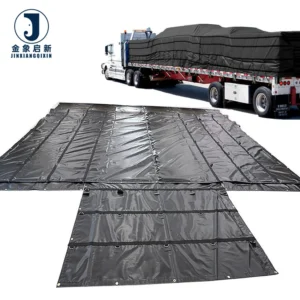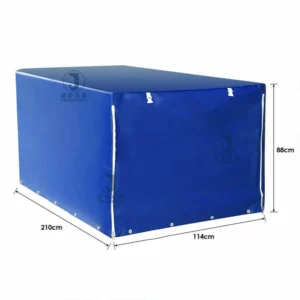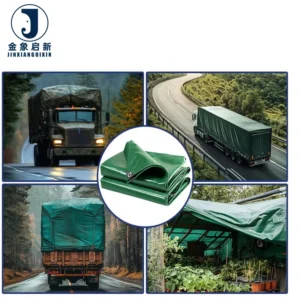
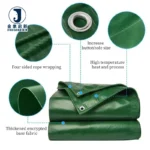
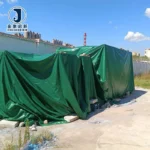
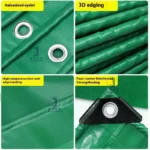
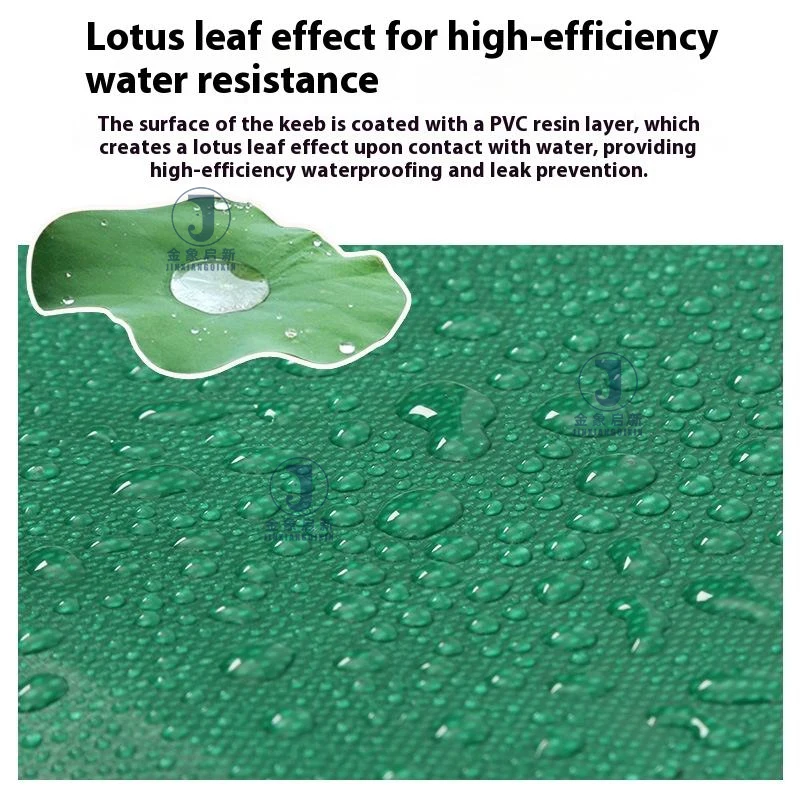

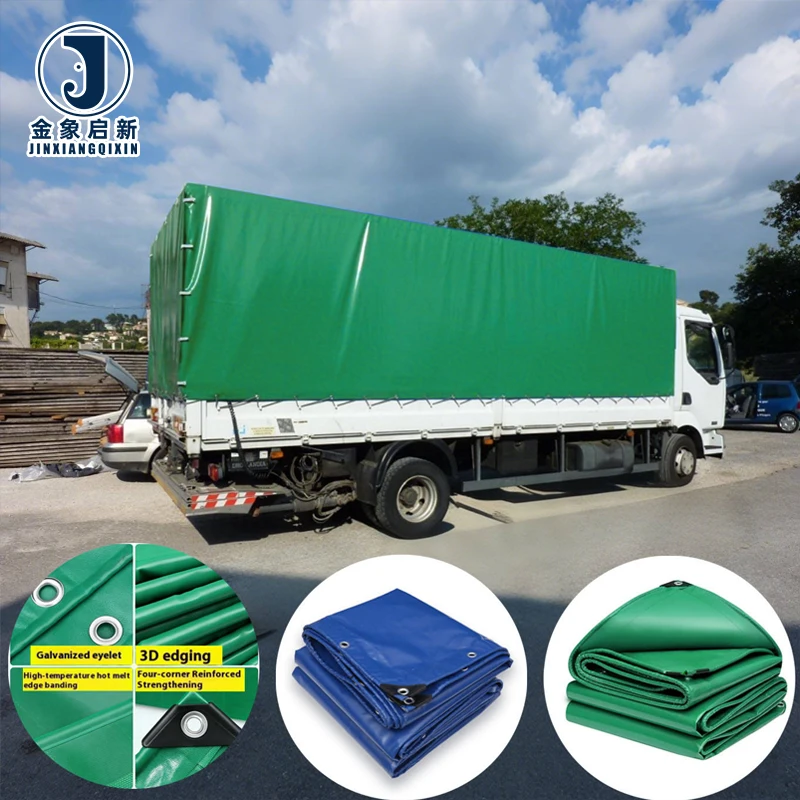
Deep process control — Every roll of PVC coated truck tarpaulin undergoes 100% pre-shipment inspection with weight verification, ensuring the material you receive matches the specification sheet you approved.
Technical Specifications
| Parameter | Value |
|---|---|
| Product Type | PVC Coated Tarpaulin / Truck Cover Fabric |
| Coating Material | PVC / Vinyl |
| Construction | Double-faced |
| Water Resistance | Yes |
| Anti-UV Treatment | Available — confirm test basis required for your market |
| Flame Retardant | Available — confirm the grade required for your market |
| Color Options | Multiple colors available |
Application Suitability
| Application | Exposure & Requirement |
|---|---|
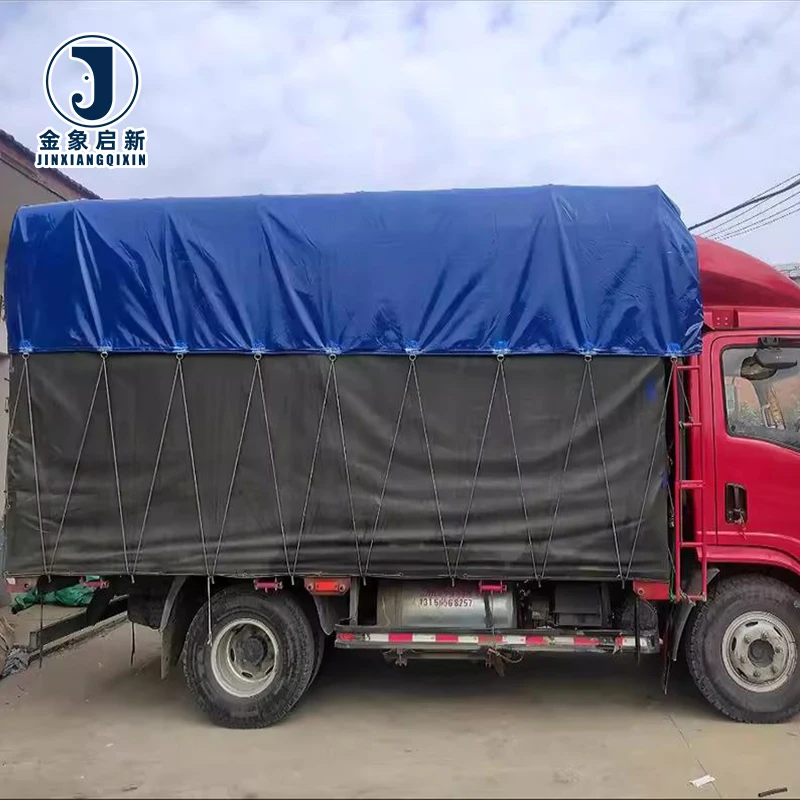
| Truck side curtain | Constant flexing at tie-down points, road debris abrasion, prolonged UV exposure |
| Top roof cover | Direct weather exposure, pooling water, thermal expansion and contraction |
| Architecture membrane | Tension stress, wind load, fire code compliance for enclosed public spaces |
| Inflatable structure | Internal air pressure, repeated inflation cycles, surface abrasion from handling |
| Outdoor event tent | Block-out performance, rapid assembly and teardown, crowd safety fire standards |
| Waterproof construction tent | Continuous moisture contact, site chemical exposure, mechanical puncture risk |
Why Generic Sizing Undermines PVC Truck Cover Performance on Site
A truck cover cut to a generic dimension fails at the exact flex points where your specific trailer model concentrates stress.
Transport operators often receive covers sized to a standard chart rather than their actual trailer body. Within the first few weeks, wind flap at the loose edges accelerates wear, water ingress through misaligned eyelets damages cargo, and welded seams split where the fabric folds against the frame. The PVC coated truck tarpaulin fire retardant grade you specified becomes irrelevant if the cover cannot physically stay in position during transit. [NEED_CITE: impact of misaligned tie-down points on tarpaulin service life in commercial fleet operations]
Double-Faced Coating for Uniform Performance Across Both Surfaces
When a truck side curtain operates on a sliding rail system, the inner face endures the same abrasion cycle as the outer face. Single-sided coated fabrics degrade from the inside out, often showing inner surface cracking long before the weather-exposed side shows any sign of wear. Double-faced PVC construction delivers consistent tensile and tear resistance regardless of which surface contacts the load or the trailer hardware. This symmetry also matters for inflatable and membrane structures where both faces must hold air pressure equally or reflect heat identically.
Fire Code Compliance Gaps That Stop Projects on Day One
Ventilation duct and architecture membrane projects frequently stall because the fabric arrives without the specific fire-retardant certification the local authority requires. A general claim of flame retardancy means nothing to a building inspector asking for B1, M2, or NFPA 701 documentation. When sourcing PVC coated truck tarpaulin for technical applications, the grade and test standard must be confirmed on the material specification sheet before production begins, not discovered as missing after delivery. [NEED_CITE: fire classification standards for PVC coated fabrics in construction and mining ventilation applications]
Reading the Specification Sheet Beyond GSM Weight
Weight per square metre tells you how much material is present, but the base fabric denier and weave density determine how that weight translates into usable strength. A high-GSM fabric built on a loosely woven base will show poor tear propagation resistance compared to a lighter fabric on a tightly woven scrim. Coating method also matters significantly: knife-over-edge coating produces a thicker, more flexible layer suited to repeated folding, while lamination creates a stiffer sheet with higher peel resistance at the bond line. For truck covers and side curtains that undergo thousands of flex cycles, the relationship between base fabric construction and coating adhesion determines whether the material ages as one integrated structure or delaminates at stress points. Colour consistency across rolls in the same production batch depends on pigment dispersion control during the compounding stage — visible variation between adjacent panels on a completed trailer signals a process control gap, not a material property issue.
The Hidden Cost of Overlooking Weld Seam Integrity
Most field failures on truck covers and membrane structures occur at the welded seam rather than in the body of the fabric. When welding temperature, pressure, and speed are not matched to the specific coating formulation, the joint becomes the weakest point in the entire assembly. A seam that fails under load flex exposes cargo to weather and can create a safety hazard on public roads. For inflatable and membrane applications, a compromised weld means air leakage or structural sagging that requires costly on-site repair or full panel replacement. [NEED_CITE: weld failure rates in PVC coated fabric assemblies under cyclic mechanical stress]
What Process Control Means for Your PVC Truck Cover Order
Coating weight and adhesion are controlled at every stage across three full production lines, so the PVC coated truck tarpaulin you approve in sample form is what arrives in your container. The 10-person R&D team develops custom material formulations and samples within days, letting you verify fire-retardant grade, colour match, and welding behaviour before committing to full production. Dedicated quality personnel inspect every roll before shipment, catching GSM deviation, surface defects, and colour drift before they become your problem on site. Thirty years of coated fabric focus means the production team has seen and corrected the failure modes that newer suppliers still encounter for the first time on your order. [NEED_CITE: quality inspection protocols for PVC coated fabric pre-shipment verification per ISO standards]
Documentation & Verification
- Material specification sheet stating GSM, base fabric denier, and coating type for every roll shipped
- Flame retardant test report matched to the grade confirmed at inquiry stage
- Anti-UV treatment verification included where specified on the purchase order
- Pre-shipment inspection record with roll-by-roll weight and visual check results
- ISO and CE certificates provided as part of the standard documentation package
- Certificate of origin and customs documentation prepared per destination country requirements
Fabrication, Handling & Storage
- Set heat welding temperature to match the double-faced PVC coating thickness for full seam penetration
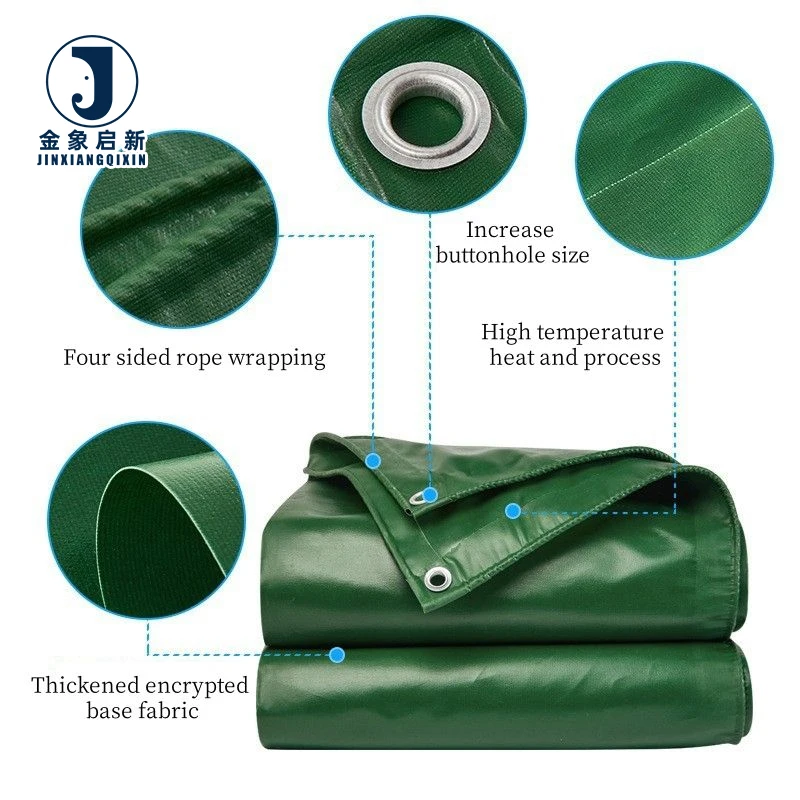
- Reinforce eyelet zones at high-flex areas where the PVC truck cover material meets tie-down hardware
- Store rolls on their cores in a dry, shaded area to prevent surface imprint and coating tackiness
- Allow cold-weather rolls to reach ambient temperature before unrolling to avoid coating crack damage
- Use mild detergent for surface cleaning to preserve the PVC coating finish on both faces
What We Need to Prepare Your Quotation
To move from inquiry to sample, provide the specific trailer model dimensions or the membrane structure panel layout so sizing is application-accurate rather than generic. State the fire-retardant grade your local authority or site contract requires, along with any anti-static needs for mining or aviation ventilation use. Confirm the roll width and colour reference you need, and indicate whether you require finished cut-and-welded covers or roll stock for your own fabrication line.
Frequently Asked Questions
Q: How do I confirm the fire-retardant grade meets my local compliance requirements?
A: Provide the specific standard your market authority requires — such as B1, M2, or NFPA 701 — at the inquiry stage. The material specification sheet and accompanying test report will reference that exact standard, so your documentation package matches what the inspector or site safety officer expects to see on delivery.
Q: Can colour consistency be maintained across multiple rolls in a single order?
A: Colour variation between rolls happens when pigment dispersion is not controlled during compounding. Our production process includes in-line colour checks across the batch, and the pre-shipment inspection record documents roll-to-roll consistency before dispatch so adjacent panels install without visible mismatch.
Q: What causes welded seams to fail before the fabric itself?
A: Weld failure typically results from temperature, pressure, or speed settings that do not match the specific PVC coating formulation. Requesting a welded seam sample at the sample stage lets you verify joint integrity at high-flex zones before approving the full production run for your truck side curtain or membrane panels.
Q: How do I specify sizing that actually fits my trailer model?
A: Generic cut sizes do not account for the specific frame geometry, rail system, and tie-down layout of your trailer. Provide the exact model designation or measured dimensions at inquiry, and the sample will be fabricated to those parameters so you can verify fit and flex-point reinforcement placement before bulk production.
Q: Is anti-static treatment available for mining ventilation duct applications?
A: Anti-static treatment is available as an option and must be confirmed at the inquiry stage along with the required test standard. The material specification sheet will state the anti-static property and the test basis, ensuring the ventilation duct documentation satisfies the mine site compliance requirements on arrival.