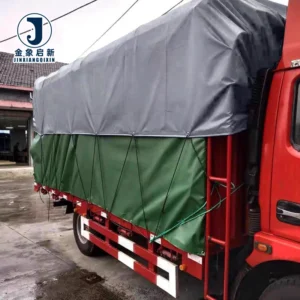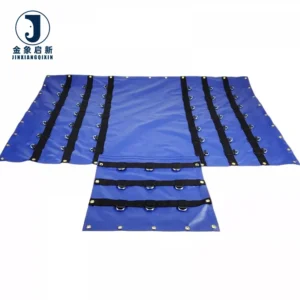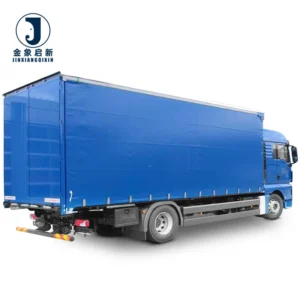
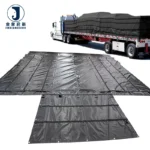
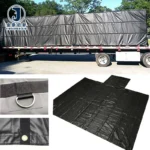
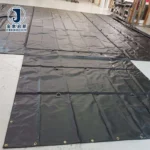
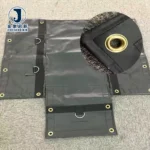
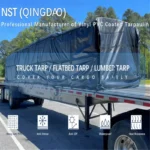
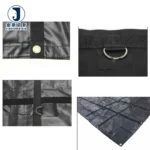
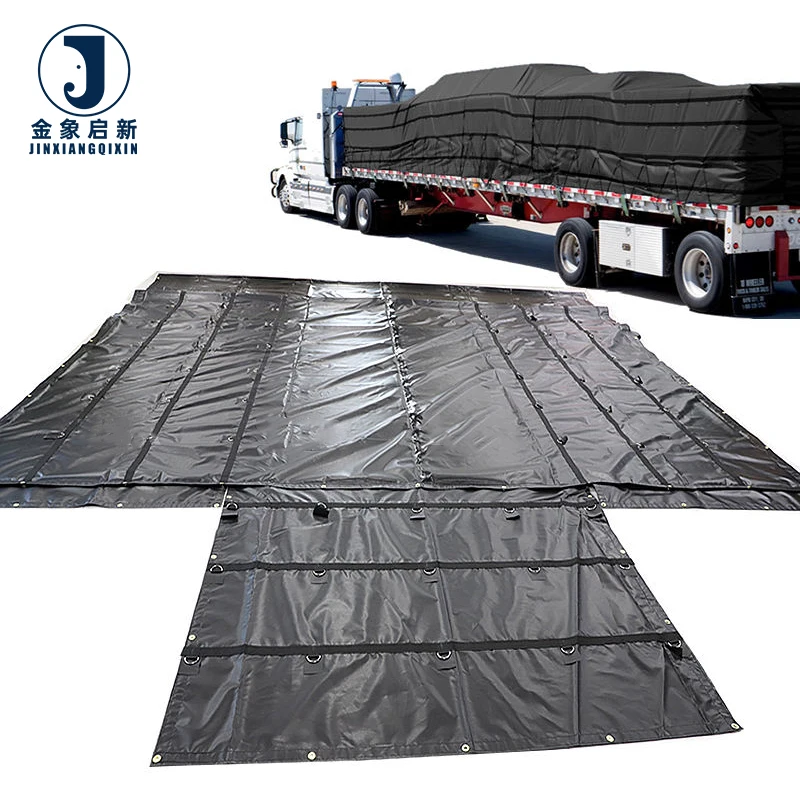
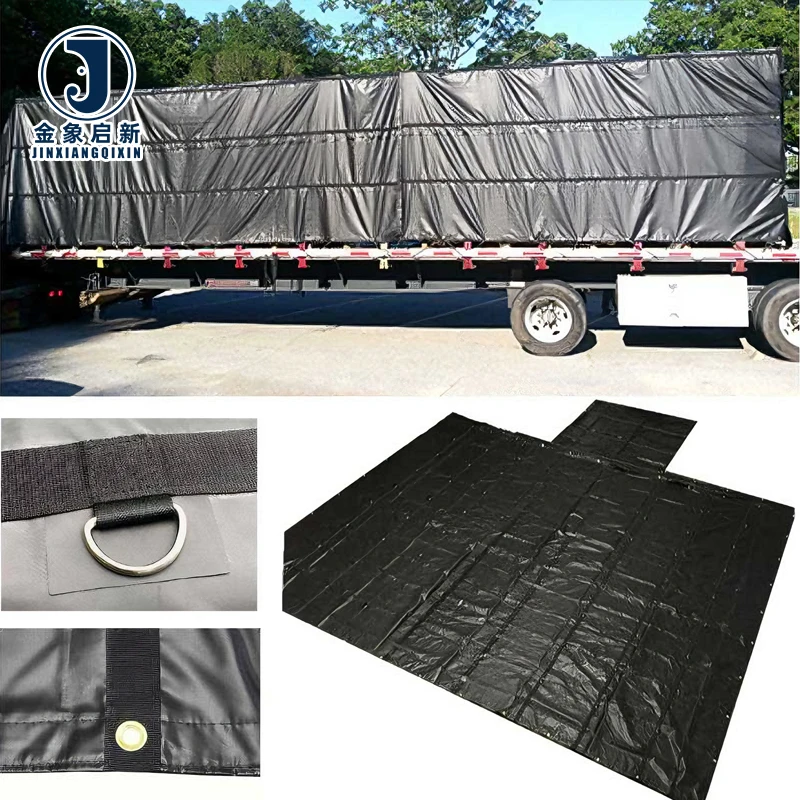
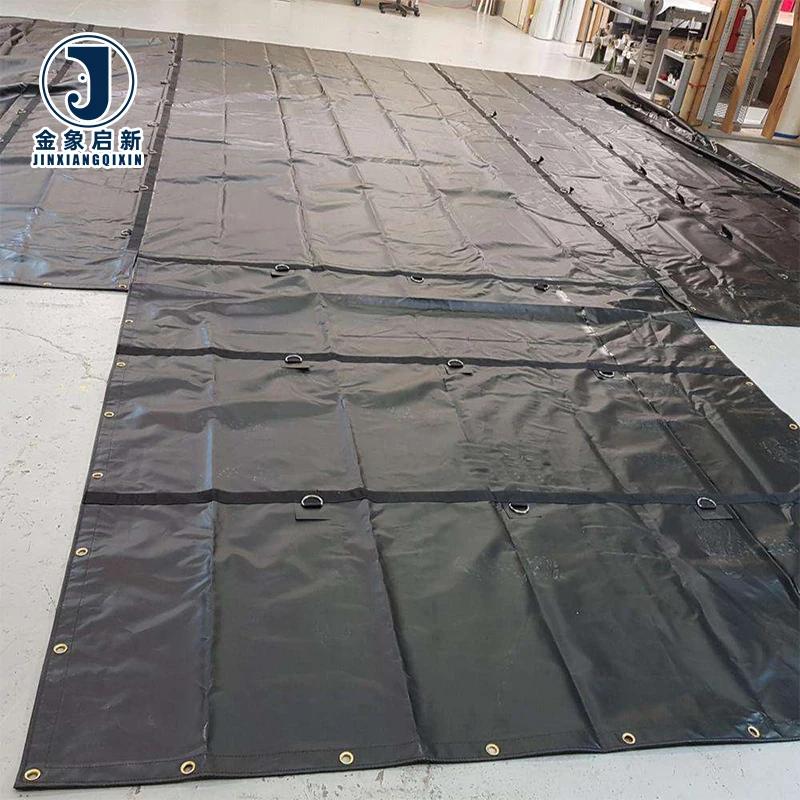
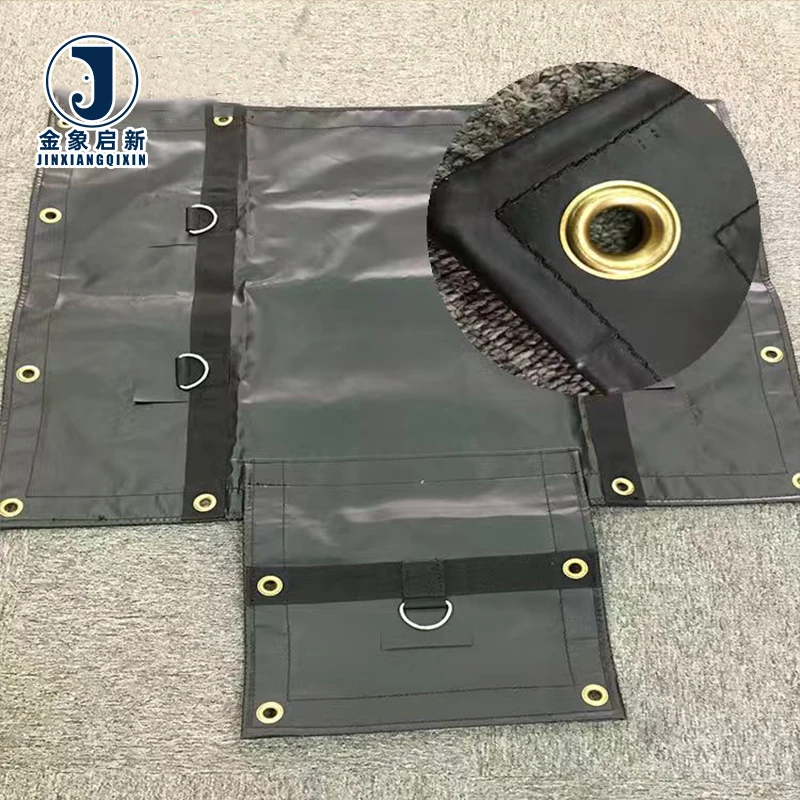

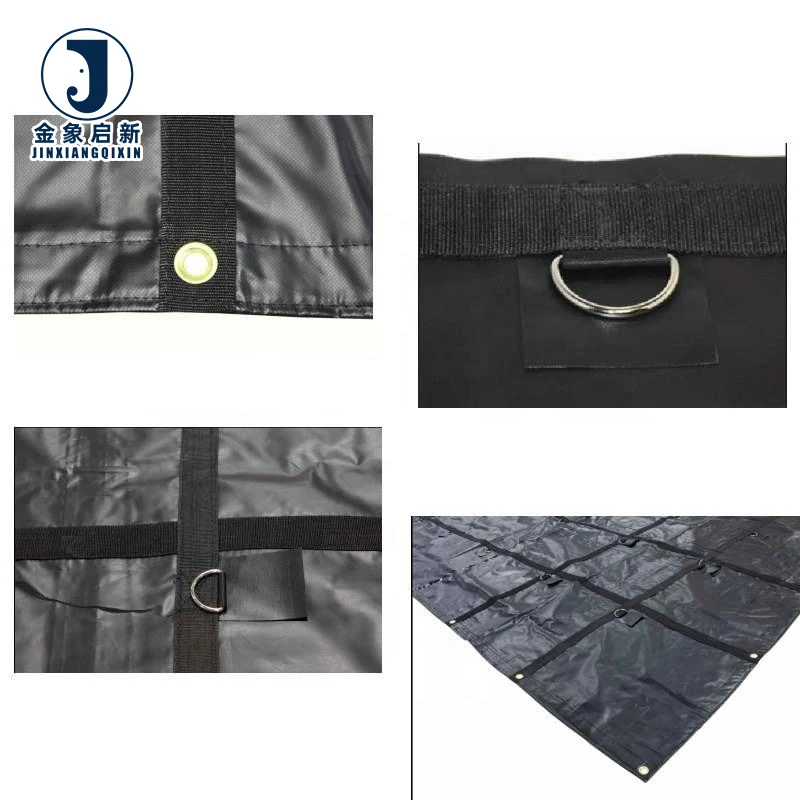
Deep Process Control Over Coating Weight and Adhesion — Every roll of 14oz 18oz RipSTOP Flatbed Semi Truck Lumber Tarp with 8′ Drops 1PC 2PC 3PC passes 100% pre-shipment inspection to confirm fabric weight and coating integrity before it leaves the production floor.
Technical Specifications
| Parameter | Value |
|---|---|
| Product Type | PVC Truck Cover |
| Material | 12oz, 14oz, 15oz, 18oz Vinyl (PVC) or RipSTOP |
| Drop Length | 8′ Drops |
| Construction Options | 1PC, 2PC, 3PC |
| Treatment | Waterproof, Abrasion-Resistant, Anti-Mildew, Anti-Pull |
| Flame Retardant | Available in flame retardant grades — confirm the grade required for your market |
| UV Treatment | Available with UV stabilization — verify test basis for your compliance region |
| Density | Customizable |
Application Suitability
| Application | Exposure & Requirement |
|---|---|
| Flatbed semi-truck lumber transport | Constant road vibration, high wind load, load flex causing stress at tie-down points and weld seams |
| Heavy-duty construction material haulage | Abrasion from rough loads, exposure to alkaline dust, repeated folding and dragging over sharp edges |
| Mining and tunnelling equipment transit | Sustained moisture, chemical exposure from site runoff, requirement for flame retardant or anti-static fabric on regulated sites |
Why Generic Truck Covers Fail Where Your Load Flexes Most
A PVC truck cover for flatbed semi-truck use must be cut and configured to your exact trailer geometry, or the seams will split where the cargo shifts under braking.
Most transport operators discover that a generic-size tarp leaves the leading edge exposed or bunches at the rear, creating drag and accelerating wear at the corners. When the load flexes during highway transit, the stress concentrates at the drop hem and the welded seams [NEED_CITE: tensile and tear test methods for coated fabrics per ISO 1421]. If the cover was not configured in the correct piece layout for your trailer length, the operator is forced to overlap sections improperly, which invites water ingress and increases the physical effort required to secure the load.
Tear Containment Through RipSTOP Base Fabric Construction
The RipSTOP weave integrates reinforcement yarns at regular intervals within the base fabric grid. When a puncture occurs from a sharp lumber edge or a piece of shifting machinery, the tear is arrested at the next reinforcement thread rather than propagating across the entire panel. This construction is critical for flatbed operations where a single tear left unchecked can render the PVC truck cover for flatbed semi-truck cargo unusable mid-route, exposing the load to rain and road debris.
Anti-Pull Reinforcement at High-Stress Attachment Zones
The anti-pull treatment applied to this fabric range maintains dimensional stability where the cover is secured to the trailer deck. Tie-down straps, bungee cords, and D-rings place sustained directional force on the material. Without this reinforcement, the fabric stretches around the attachment point, creating a permanent deformation that weakens the surrounding weave and eventually leads to a pull-through failure. For specialist haulage in mining or construction, this stability is essential when covering heavy, dense loads that shift during off-road transit.
Interpreting Fabric Weight and Treatment for Real-World Performance
The available weight grades — 12oz, 14oz, 15oz, and 18oz — represent different balances between handling ease and mechanical protection. A heavier grade provides a thicker coating layer and typically a denser base fabric, which improves abrasion resistance when the cover is dragged over rough cargo. However, fabric weight alone does not determine service life; the adhesion between the PVC coating and the RipSTOP base is equally important. Poor adhesion causes delamination at the folds, especially in cold weather when the coating stiffens [NEED_CITE: coating adhesion and delamination mechanics in PVC coated fabrics]. The anti-mildew treatment sustains fabric integrity through repeated wet-dry cycles, preventing fungal degradation that would otherwise embrittle the coating in humid transport corridors.
The Cost of Specifying Without Verification
When a truck cover arrives lighter than the quoted specification, the operator does not discover the shortfall until the material begins to fail prematurely at the weld seams or the drop hems. A cover that was specified as 18oz but delivered at a lower grade will abrade through faster under lumber loads and will not withstand the same wind load during highway transit. Similarly, a flame retardant claim made without a supporting test report means the cover may not pass the site safety inspection at a regulated mining or tunnelling facility, forcing the operator to source a replacement under time pressure [NEED_CITE: fire classification standards for transport covers on industrial sites].
Why Procurement Verification Matters Here
Every production run undergoes in-process quality checks with 100% inspection before dispatch, so the fabric weight and coating thickness you specify are the values you receive. The 10-person R&D team develops samples within days when custom density or drop configurations are required, allowing you to physically verify the material before committing to a full fleet order. Three full production lines with 36 sets of professional equipment support volume consistency across multiple units, which matters when outfitting a mixed fleet of flatbed and lumber trailers. The QA/QC process documents every roll against its specification sheet, providing traceability from coating to shipment.
Documentation & Verification
- Material specification sheet confirming GSM, base fabric type, and coating weight for each grade ordered
- Test report validating flame retardant or UV treatment where specified for your site compliance
- Pre-shipment inspection record verifying drop dimensions and piece configuration against your trailer measurements
- Certificate of origin and customs documentation supporting international freight forwarding
Fabrication, Handling & Storage
- Heat-weld seams at manufacturer-recommended temperatures to maintain anti-pull integrity at load flex points
- Store rolled PVC truck covers upright in dry conditions to prevent permanent creasing across the 8′ drop panels
- Avoid dragging 18oz grade covers over unprotected sharp lumber edges during deployment to preserve coating surface
- Clean with mild detergent; avoid solvent-based cleaners that degrade the anti-mildew treatment layer
- Inspect welded seams at the drop hem after each season and re-weld any lifted sections before they propagate
What We Need to Specify Your Cover Correctly
To recommend the right weight grade and piece configuration for your fleet, provide your trailer deck dimensions, the typical cargo type, and any site-specific compliance requirements such as flame retardant or anti-static certification. If you are covering specialist loads for mining or tunnelling haulage, indicate the regulatory framework your operation falls under so we can align the fabric treatment and documentation accordingly.
Frequently Asked Questions
Q: How do I verify the actual GSM of the truck cover on arrival?
A: Request the pre-shipment inspection record with your order, which documents the measured fabric weight for each roll or unit. On receipt, you can cut a measured sample from the edge and weigh it on a calibrated scale. Any discrepancy from the quoted specification should be flagged immediately with the inspection documentation as reference.
Q: What fire-retardant certifications apply to truck covers on regulated mining sites?
A: Regulated industrial sites typically require covers to meet specific fire classification standards relevant to the jurisdiction. Available flame retardant grades can be confirmed against your site requirements during the specification stage. Always request the test report matching the grade supplied, as a generic flame retardant claim without documentation will not satisfy a site safety audit.
Q: How does 1PC versus 3PC configuration affect daily tarping operations?
A: A single-piece cover provides full weather sealing with no overlap gaps but requires two operators or a mechanical system to deploy over a long flatbed. A 3PC configuration breaks the cover into manageable sections, allowing a single operator to tarp a partial load or to secure sections progressively. The trade-off is overlap management at the joints to prevent water ingress.
Q: How does RipSTOP fabric compare to standard vinyl for tear resistance?
A: RipSTOP construction embeds reinforcement yarns into the base fabric weave, which arrest a tear at the next grid intersection rather than allowing it to run across the panel. Standard vinyl without this weave structure will propagate a puncture under load flex or wind stress, making RipSTOP preferable for lumber and heavy freight where sharp edges and sustained tension are routine.