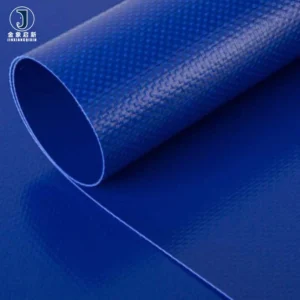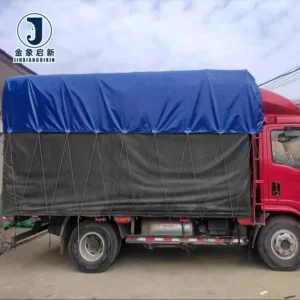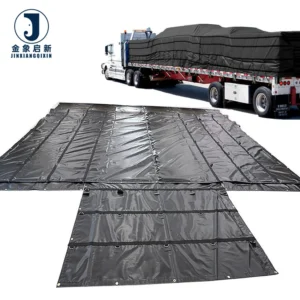
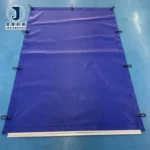
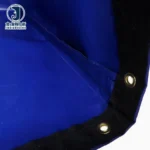
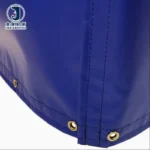
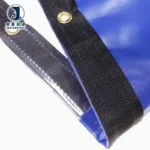
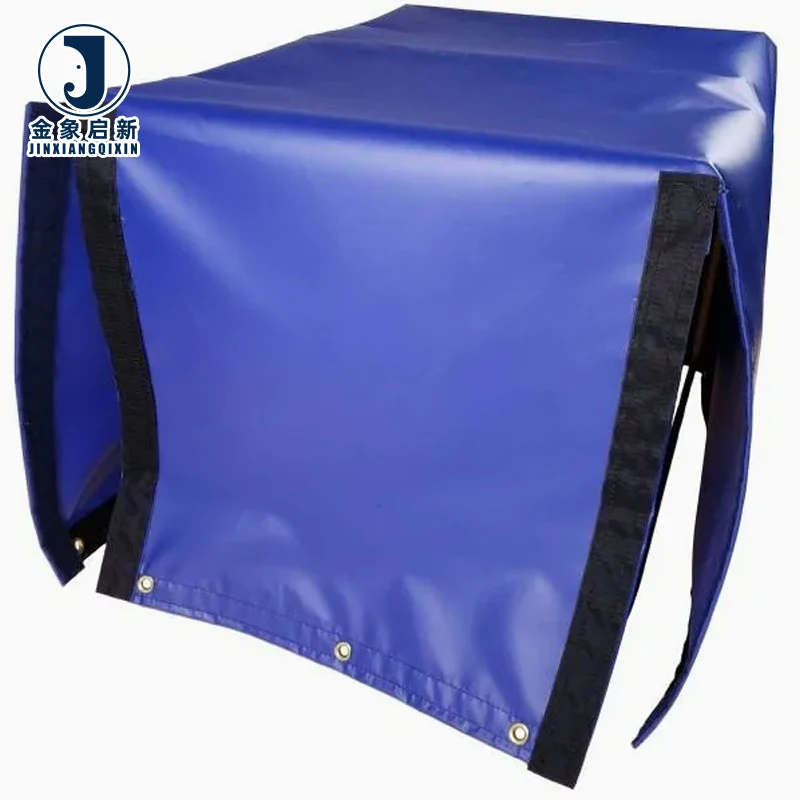
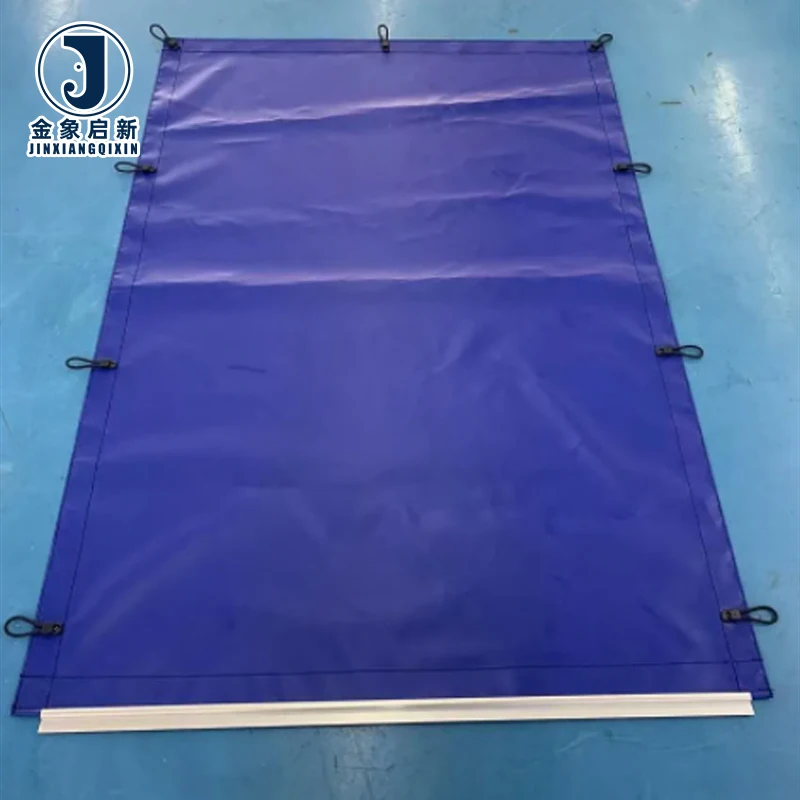
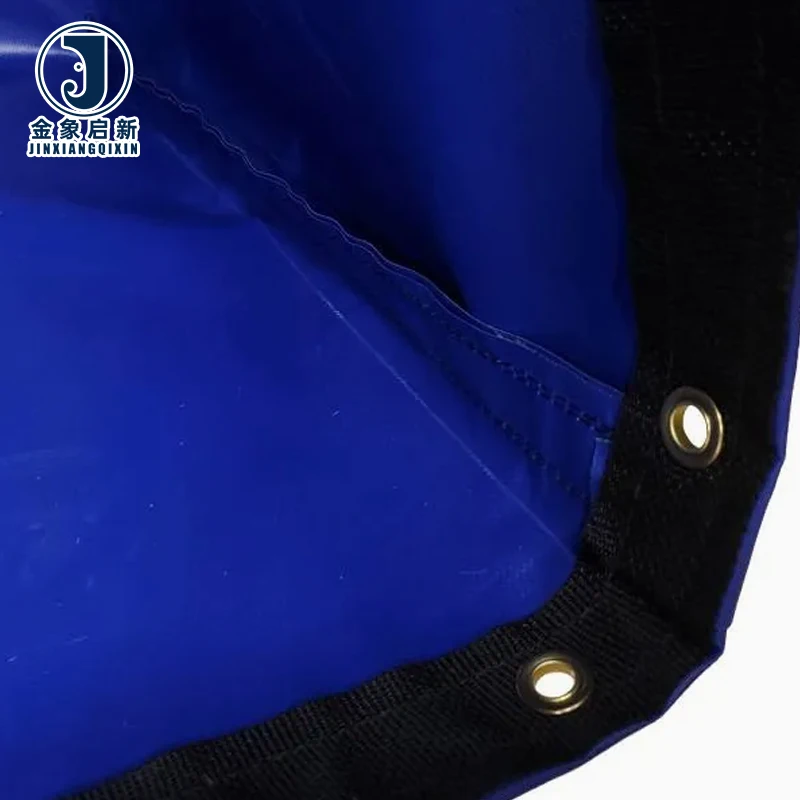
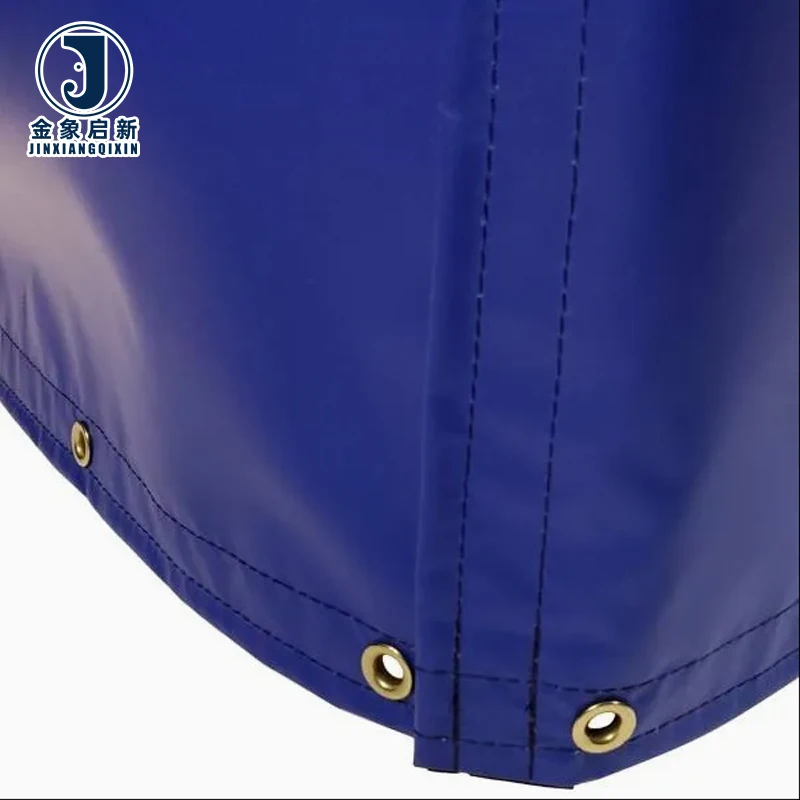
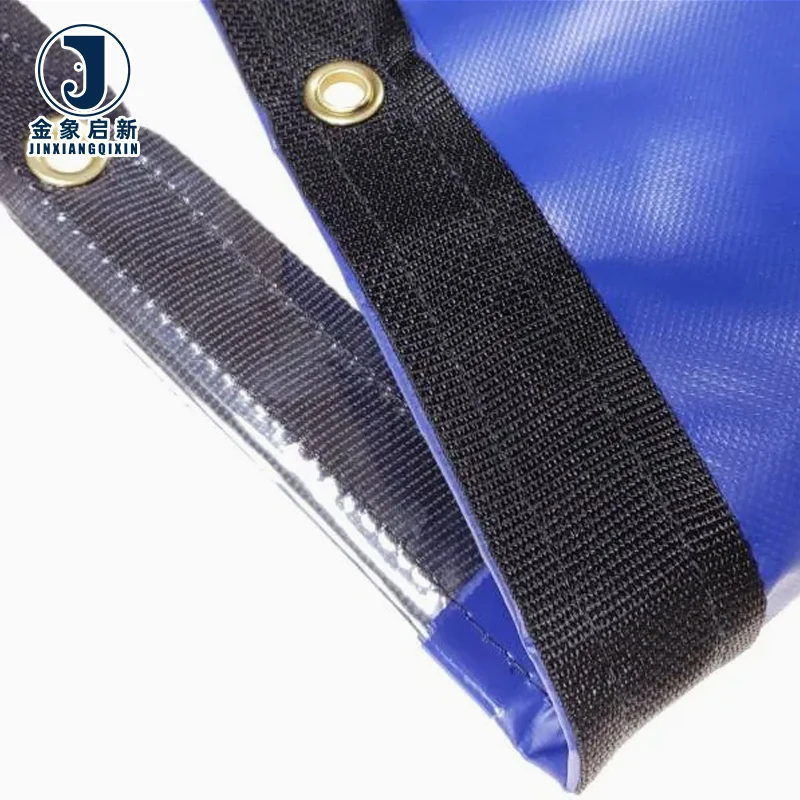
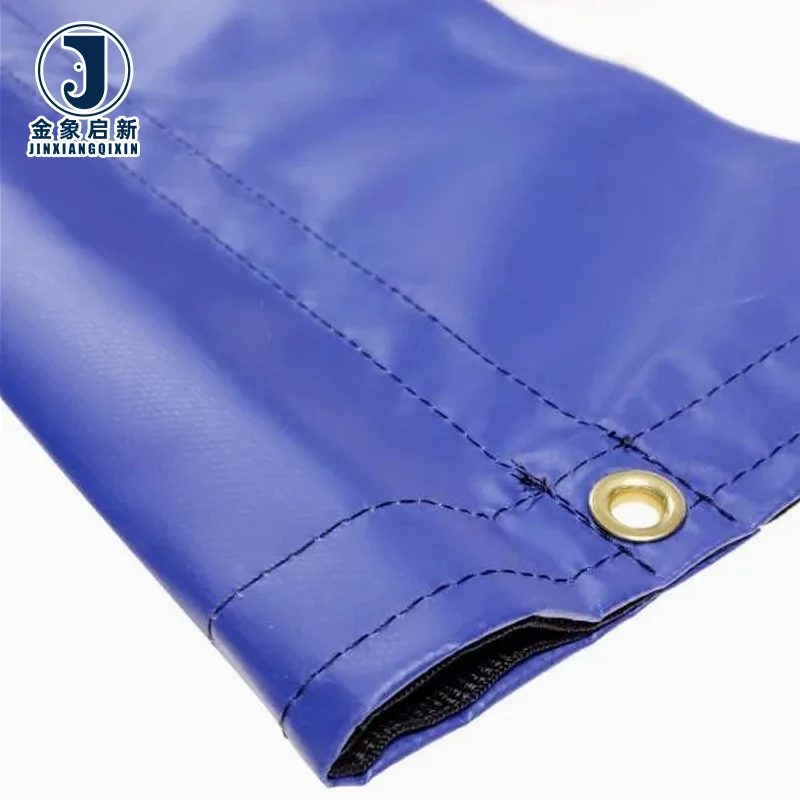
Process Control Over Coating Adhesion — every batch of PVC coated truck cover material is monitored at the coating head to ensure weight consistency before the fabric moves to finishing.
Technical Specifications
| Parameter | Value |
|---|---|
| Product Type | PVC Coated Truck Cover |
| Material | PVC Coated Tarpaulin |
| Weight Range | 250gsm – 1500gsm (confirm grade for your application) |
| Base Fabric Denier | 200D×300D / 500D×500D / 840D×840D / 1000D×1000D |
| Surface Finish | Glossy or matte |
| Waterproof | Yes |
| UV Treatment | Available — test basis not stated in source; confirm standard required |
| Flame Retardant | Available in flame retardant grades — confirm the grade required for your market |
| Anti-Fungal | Treated |
| Temperature Range | -15°C to 70°C |
| Color Options | Blue, Yellow, Black, Green, White, and custom colours |
| Size Options | 3×4m / 6×8m / 8×10m / 10×12m or custom made to trailer model |
| Standards | ISO, CE |
Application Suitability
| Application | Exposure & Requirement |
|---|---|
| Flatbed trailer load covering | Wind flap at highway speed, abrasion against cargo edges, tie-down strap friction at flex points |
| Curtain-side trailer side curtains | Continuous vertical flexing, repeated rolling and unrolling, road salt and grime exposure |
| Overnight fleet parking covers | Prolonged UV and rain exposure, pooling water on horizontal surfaces, temperature cycling |
| Transport equipment builder fitment | Model-specific cut patterns, welded seams at high-stress zones, colour matching across a fleet order |
Why a Generic-Size PVC Coated Truck Cover Fails on the Highway
A cover that does not match the exact trailer dimensions creates wind flap, accelerates abrasion, and compromises cargo protection before the fabric itself wears out.
Fleet operators frequently report that a PVC coated truck cover cut to a generic size billows in crosswinds, generating friction against the load at points the pattern was never designed to protect. The resulting wear concentrates at hems and tie-down zones, causing seam separation long before the body of the fabric reaches the end of its service life. [NEED_CITE: fabric failure modes in heavy-duty transport covers under cyclic wind loading]. When the cover does not sit flush against the trailer profile, water channels form and pool at low points, accelerating coating breakdown in those zones.
Pattern-Fit Cutting for Model-Specific Trailer Coverage
Every PVC coated truck cover in this range is cut to the dimensions of the specific trailer make and model rather than a generic rectangle. This approach eliminates excess material that flaps in transit and reduces the stress concentration at corners and tie-down positions. The R&D team develops a cutting pattern from the trailer profile drawing, and sample covers are fitted before bulk production begins.
Welded Seams at High-Flex Zones
Where panels join, heat-welded seams replace stitched construction to maintain the waterproof barrier across the entire cover. Welded seams are critical at flex points — the areas where a curtain-side trailer bends during loading and where a flatbed cover folds over cargo edges. [NEED_CITE: heat welding parameters for PVC coated polyester fabrics]. Seam integrity is checked during in-process quality assurance at every production stage.
Reading the Specifications Beyond GSM
The weight of a coated fabric, stated in GSM, combines the base fabric mass and the PVC coating weight together. Two covers rated at the same GSM can perform very differently depending on how that weight is distributed between the polyester scrim and the coating layers. A heavier base fabric denier, such as 840D×840D or 1000D×1000D, provides higher tear resistance at tie-down and abrasion points, while a higher coating weight improves waterproofing and surface durability. Glossy finishes tend to shed dirt and road grime more easily during transit, while matte finishes reduce glare and are often specified for visible fleet branding. The operating temperature range of -15°C to 70°C means the PVC compound remains flexible in cold-weather dispatch and stable on hot tarmac during summer loading. [NEED_CITE: relationship between base fabric denier and tear propagation in coated technical textiles per ISO 1421].
The Hidden Cost of Specifying on Price Alone
When a PVC coated truck cover arrives lighter than the quoted GSM, the deficit is usually in the coating layer, which is the first line of defence against water ingress and abrasion. Batch-to-batch colour variation becomes visible only after installation, when covers sit side by side on adjacent trailers in a fleet. Flame retardant treatment claimed without a test report matching the destination market code can lead to failed site inspections and rejected deliveries. Covers cut to a generic pattern rather than a model-specific drawing develop wind flap damage within the first few weeks of highway use. [NEED_CITE: common causes of premature tarpaulin replacement in commercial transport fleets].
Why Source This PVC Coated Truck Cover Here
Three full production lines and dedicated coating equipment support bulk orders with consistent coating weight across every roll in a shipment. The 10-person R&D team handles pattern development for model-specific covers, producing sample fitments before production commitment. A dedicated QA/QC protocol inspects every cover before dispatch, checking dimensions against the agreed trailer model drawing and verifying GSM against the quotation. Colour matching is controlled at the coating stage to ensure consistency across multiple covers in a single fleet order. Custom widths and sizes are produced on the same lines as stock grades, avoiding the extended lead times typical of outsourced finishing.
Documentation & Verification
- Material specification sheet stating exact GSM, base fabric denier, and coating type for the cover grade supplied
- Test report for flame retardant grade, matched to the destination market requirement where applicable
- Pre-shipment inspection record confirming cover dimensions against the agreed trailer model drawing
- Roll packing list with batch references for traceability across a multi-cover fleet order
- Certificate of origin and customs documentation for cross-border shipment
Fabrication, Handling & Storage
- Heat-weld seams using temperature and dwell settings matched to the PVC coating weight to prevent delamination at flex points
- Reinforce tie-down eyelet zones with additional PVC patches to distribute strap load across the base fabric denier
- Store rolls upright on pallets to avoid permanent creasing in the glossy or matte surface finish
- Allow cold-stored covers to reach ambient temperature before unfolding to prevent coating crack at -15°C boundary
- Clean with mild detergent only; solvent-based cleaners can degrade the anti-fungal treatment layer
- Repair minor abrasion damage with compatible PVC patch kits matched to the coating compound
What to Include in Your Enquiry
Provide the specific trailer make, model, and year so the cutting pattern can be developed to the exact profile. State the destination market and any fire safety or compliance codes the PVC coated truck cover must meet on arrival. Indicate the quantity per size, colour requirements, and whether glossy or matte finish is preferred for your fleet livery.
Frequently Asked Questions
Q: How is the truck cover sized to fit a specific trailer model rather than a generic cut?
A: The R&D team develops a cutting pattern from your trailer profile drawing or physical measurements. A sample cover is produced and fitted before bulk production to confirm the dimensions match the vehicle. This eliminates the wind flap and excess material associated with generic rectangular covers.
Q: How is the GSM on the quotation verified against the cover received?
A: Each production run includes in-process coating weight checks and a pre-shipment inspection that samples the finished cover against the quoted GSM. A weight verification record is available with every dispatch to confirm the material received matches the specification agreed at order stage.
Q: What flame retardant test standard is the cover certified to?
A: Flame retardant treatment is available in multiple grades depending on the destination market. Provide the specific fire safety code your fleet or site requires, and the matching test report will be supplied with the shipment to support compliance verification on arrival.
Q: How are welded seams reinforced at tie-down and flex points?
A: High-stress zones such as tie-down positions and curtain flex areas receive additional PVC patches welded over the seam junction. This distributes the strap load across a wider area of the base fabric, preventing the seam from separating before the body of the cover reaches the end of its service life.
Q: How is colour consistency maintained across multiple covers in a single fleet order?
A: Colour matching is controlled at the coating stage using a single batch of PVC compound for all covers in the same order. Pre-shipment inspection includes a visual comparison of panels from different rolls to confirm no visible variation before the covers are packed side by side.