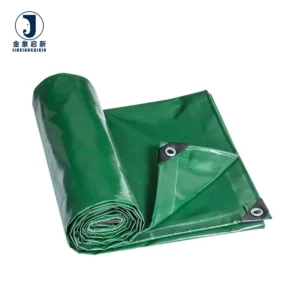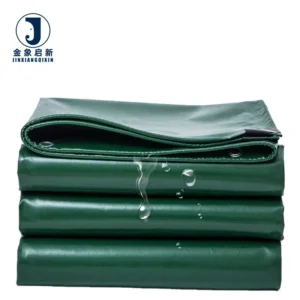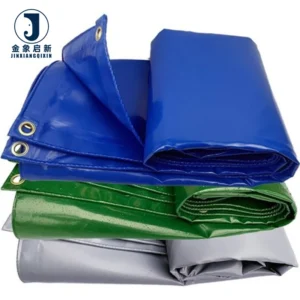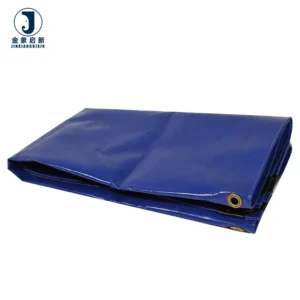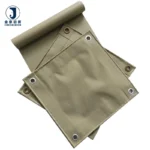
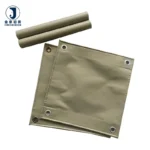
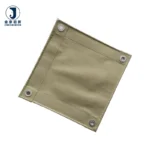
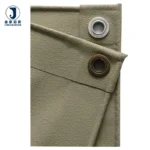
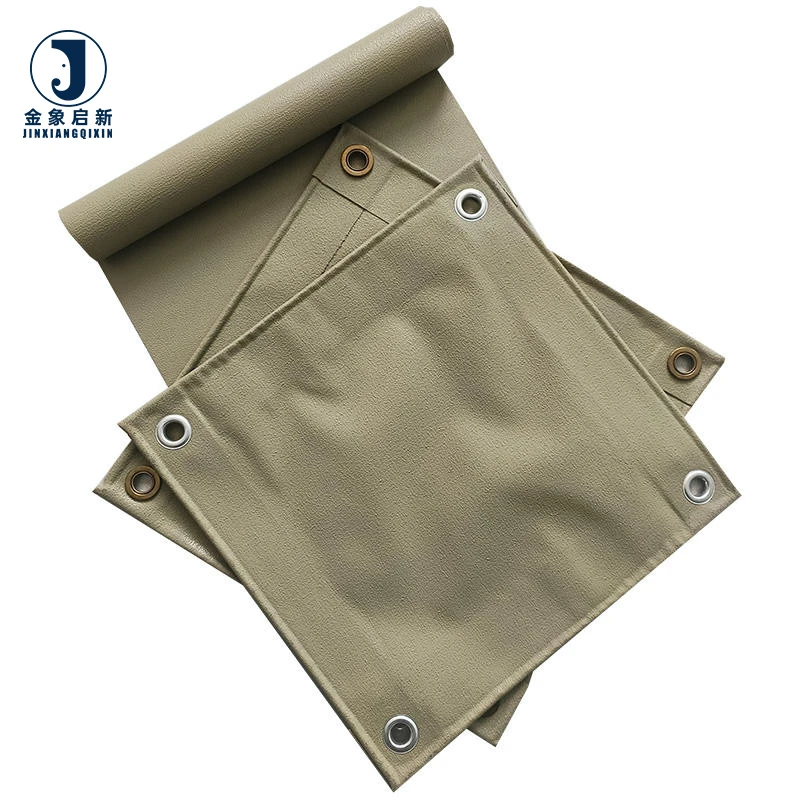
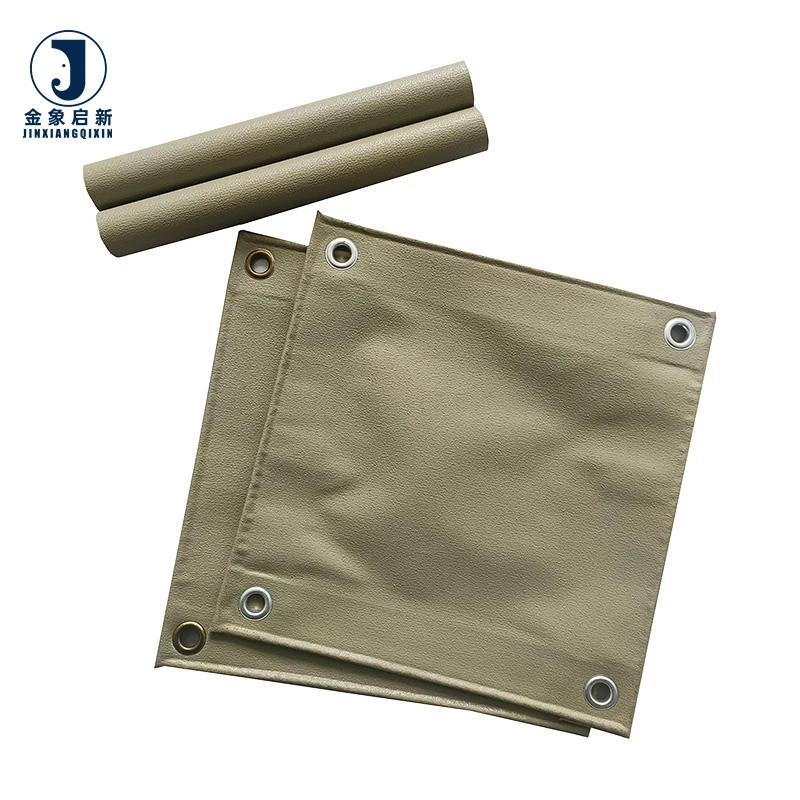
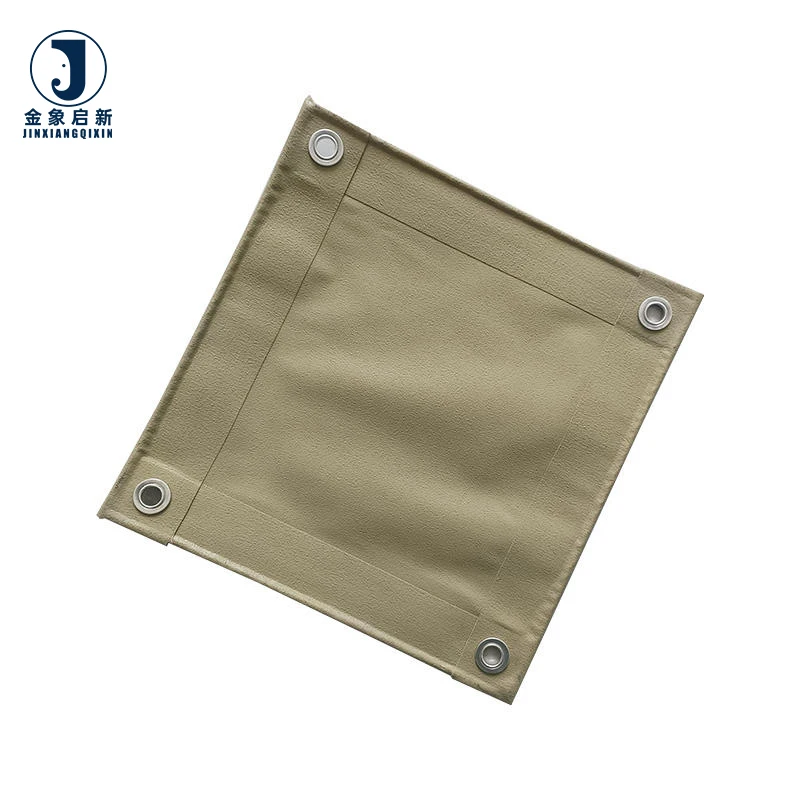
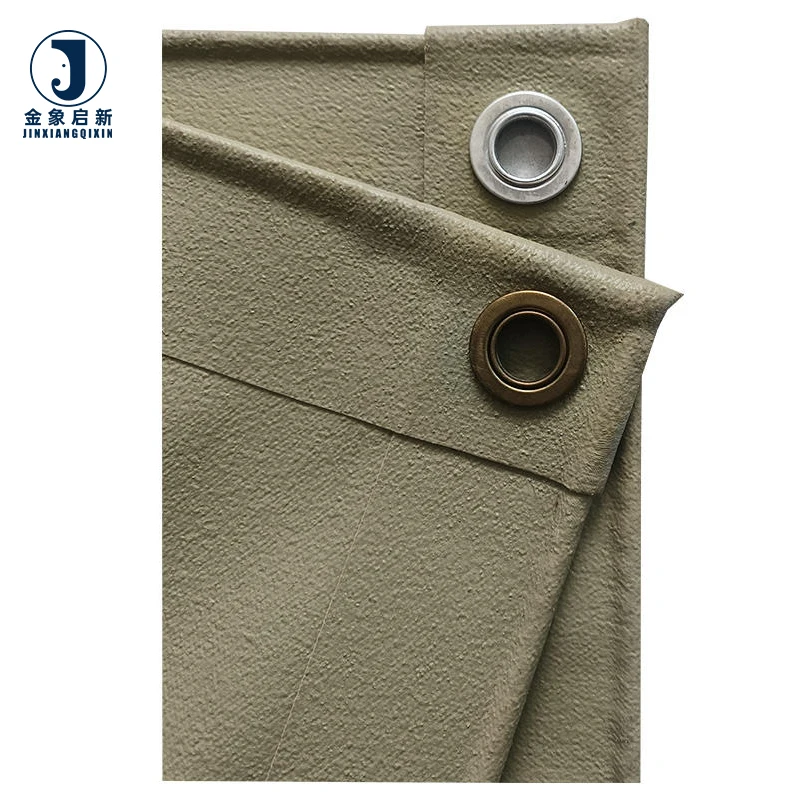
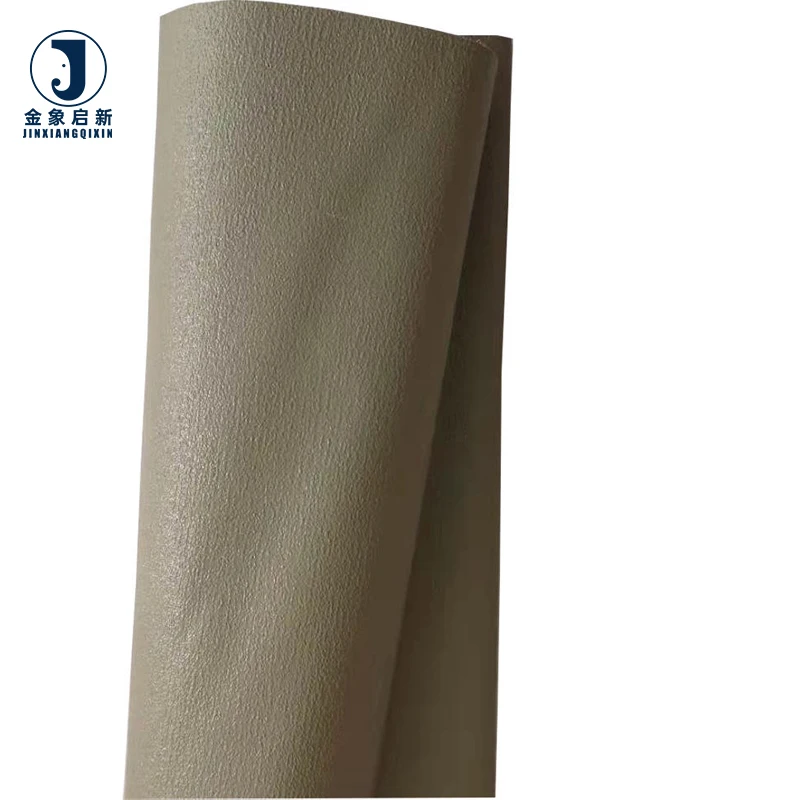
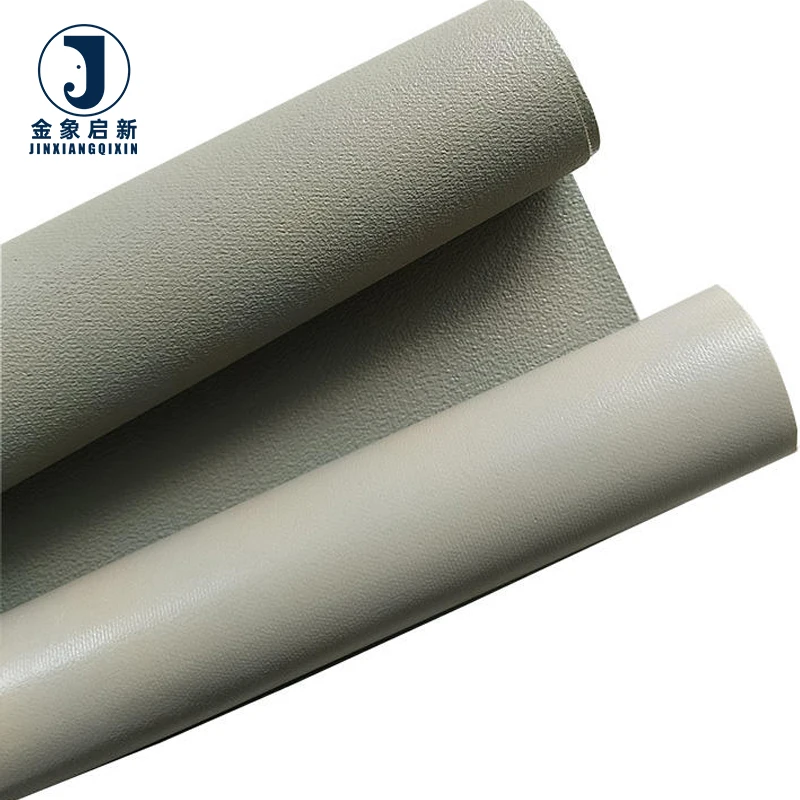
Process-Controlled Coating — Three full production lines and 36 sets of professional equipment maintain consistent coating adhesion and weight across every roll of PVC coated technical fabric destined for ventilation and membrane applications.
Technical Specifications
| Parameter | Value |
|---|---|
| Product Type | PVC Coated Tarpaulin Roll |
| Coating Material | PVC |
| Coating Method | Knife Coated |
| Base Fabric Type | Woven Fabric |
| Waterproof | Yes |
| Anti-UV Treatment | Anti-UV coated (test basis not stated) |
| Flame Retardant Grade | Available — confirm the grade required for your market (M2 / B1 / NFPA 701 / DIN 4102) |
| Oil Resistance | Yes |
| Tear Resistance | Yes |
| Form | Roll stock, custom cut sizes available |
| Standards | ISO, CE (company-level certification) |
Application Suitability
| Application | Exposure & Requirement |
|---|---|
| Mine and tunnelling ventilation ducts | Continuous airflow pressure, underground humidity, mandatory fire-retardant and anti-static certification |
| Aviation hangar air ducts | High-volume air movement, regulatory fire compliance, large-diameter duct construction |
| Inflatable and membrane structures | Tensile load under inflation, UV exposure, weld seam integrity at panel joins |
| Temporary industrial enclosures | Weather exposure, wind load, rapid deployment and teardown cycles |
What "Certified" Means When the Paperwork Does Not Match the Site Plan
A duct fabric is only as compliant as the test report that ships with it.
Mining and tunnelling contractors specify ventilation duct material against a site safety plan that names the exact fire-retardant and anti-static standard. When the roll arrives without a matching test report, installation stops before the first shift begins. The delay is not a paperwork inconvenience — it is a compliance failure that idles crews and pushes project timelines [NEED_CITE: fire-retardant and anti-static compliance requirements for underground ventilation per regional mining regulations]. Procurement teams who have faced this gap know that the quotation language matters far less than the documentation in the shipping container. Sourcing PVC coated tarpaulin fire retardant and anti-static certified technical fabric means verifying the grade before production starts, not after the rolls are wrapped.
Coating Adhesion and Weld Integrity Under Duct Flex
Ventilation ducts flex continuously under airflow pulsation and mechanical movement. Knife coated PVC construction delivers a uniform coating layer that bonds to the woven base fabric across the full roll width. This adhesion consistency matters most at the welded seams, where the fabric is joined to form duct sections. If the coating weight varies from one edge to the other, the heat-weld parameters that produce a strong bond on one section may underperform on the next. Consistent knife coating allows fabricators to set weld temperature and dwell time once and maintain those settings across the production run.
Anti-Static Performance for Underground and Confined-Space Ducts
Underground mining and tunnelling environments demand anti-static ventilation duct fabric to prevent electrostatic discharge near combustible dust or gas. Anti-static treatment alters the surface resistivity of the PVC layer, and the measurement must fall within the range specified by the site safety plan. Rolls designated for these environments ship with a surface resistance test report stating the measured value and the test method applied. Specifying the correct anti-static grade at inquiry stage ensures the coating formulation is adjusted before production, rather than applying a surface treatment after coating that may not survive duct fabrication and installation handling [NEED_CITE: anti-static surface resistance measurement methods for mining ventilation fabrics].
Reading the Specification Sheet Beyond GSM
The stated GSM tells you the total weight per square metre of the coated fabric, but it does not reveal how that weight is distributed between the base fabric and the PVC coating layers. A heavier base fabric with a lighter coating may offer higher tensile strength but reduced weld adhesion, while a lighter base with a thicker coating may weld easily but tear more readily under duct flex load. The woven base fabric denier and weave density define the structural skeleton — the PVC knife coating fills and encapsulates that skeleton to deliver waterproofing, chemical resistance, and fire-retardant or anti-static properties. Understanding this balance is essential when comparing PVC coated tarpaulin fire retardant grades from different suppliers, because two fabrics at the same GSM can perform very differently in duct fabrication and long-term service [NEED_CITE: tensile and tear test methods for coated fabrics per ISO 1421].
The Cost of a Specification Mismatch at the Duct Fabrication Stage
When fire-retardant or anti-static certification is claimed on the quotation but not documented with a test report, the fabric may pass through receiving inspection and reach the fabrication floor before the gap is discovered. Rolls already cut and welded into duct sections then face rejection at the site compliance audit, requiring full replacement and re-fabrication. Colour inconsistency across rolls in the same order becomes visible once duct sections are installed side by side in a hangar or membrane structure, triggering aesthetic rejection even when mechanical performance is adequate. Weld seams that fail before the fabric itself tears indicate a coating adhesion problem that originated at the coating line, not at the fabrication bench [NEED_CITE: welded seam failure modes in coated technical fabrics]. These hidden costs compound quickly on industrial-scale duct projects where lead time pressure is already high.
Why Technical Buyers Source This Fabric Here
Thirty years of focused coated fabric production provides process control over coating weight, adhesion, and formulation that newer lines cannot match without extensive trial runs. A 10-person R&D team develops custom fire-retardant and anti-static formulations and produces sample rolls within days for project-specific validation. Three full production lines and 36 sets of equipment support bulk roll output with on-time delivery for project-critical ventilation and membrane contracts. Dedicated QA and QC at every production stage includes 100% inspection before shipment, catching GSM deviation and coating inconsistency before rolls leave the factory. ISO and CE certification underpins the quality management system, and full customs documentation supports international project delivery without paperwork delays.
Documentation & Verification
- Fire-retardant test report stating the specific grade (M2 / B1 / NFPA 701 / DIN 4102) matched to your site compliance requirement
- Anti-static surface resistance test report for mining and tunnelling duct applications
- Pre-shipment inspection record confirming GSM and coating weight per roll against the stated specification
- Roll packing list with batch identification for traceability across duct fabrication lots
- Certificate of origin and customs documentation for cross-border project delivery
Fabrication, Handling & Storage
- Set heat-weld temperature and dwell time based on the knife coated PVC layer thickness to achieve full seam adhesion
- Store rolls upright on end-caps to prevent flat-spot creasing that distorts the woven base fabric weave pattern
- Allow cold-transported rolls to reach workshop temperature before unrolling to avoid coating micro-cracking at low temperature
- Use compatible PVC-based repair patches and solvent cement for on-site duct seam repairs without delamination risk
- Plan panel cutting layout to maximise roll width utilisation and minimise the number of welded joins in large membrane sections
Request a Specification Match for Your Duct or Membrane Project
Provide the ventilation duct diameter, operating airflow pressure, and the fire-retardant or anti-static standard named in your site safety plan. State the required roll width and estimated annual volume so the production schedule can be aligned to your project timeline. Confirm whether you need supply in roll stock for your own fabrication line or pre-cut panels for rapid site assembly.
Frequently Asked Questions
Q: What fire-retardant grades are available and how do they map to mining or aviation compliance requirements?
A: Available fire-retardant grades include M2, B1, NFPA 701, and DIN 4102 classifications. The correct grade depends on your regional mining regulation or aviation facility fire code. Provide the specific standard named in your site safety plan at inquiry stage so the coating formulation is matched before production begins, and the corresponding test report ships with your rolls.
Q: How is anti-static performance measured and certified for underground ventilation duct applications?
A: Anti-static performance is measured by surface resistivity testing, with the result stated in ohms per square on the test report. Underground mining regulations typically specify a maximum surface resistance threshold. Confirm your site requirement at inquiry stage so the PVC coating formulation is adjusted to meet that threshold, and the measurement is documented before dispatch.
Q: What GSM and base fabric options are offered for duct versus membrane structure use?
A: Multiple GSM options and woven base fabric deniers are available to suit different duct diameters and membrane panel sizes. Higher-denier base fabrics provide greater tear resistance for large-diameter ducts under high airflow pulsation, while lighter constructions suit temporary membrane enclosures. Request a specification recommendation based on your application load and fabrication method.
Q: How are welded seams tested to ensure duct integrity under flex and airflow pressure?
A: Weld seam samples are peel-tested to confirm that the bond strength between the knife coated PVC layers meets or exceeds the base fabric tear strength. This ensures the seam does not fail before the fabric itself under duct flex and airflow pulsation. Test parameters and results are recorded in the pre-shipment inspection documentation.
Q: What is the sample development lead time for custom fire-retardant or anti-static grades?
A: Sample rolls for custom fire-retardant or anti-static formulations are typically developed within days, allowing you to validate coating performance and weld behaviour before committing to full production volume. Provide your target standard and any specific colour or width requirements to initiate the sample process.