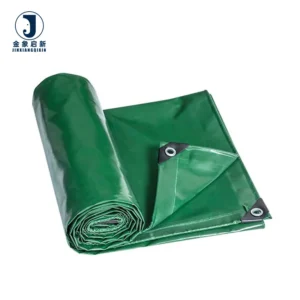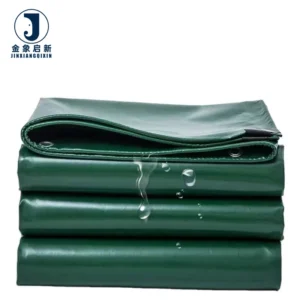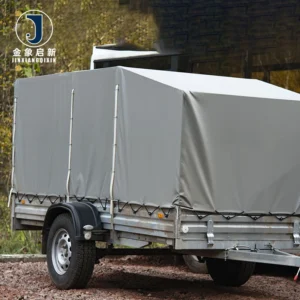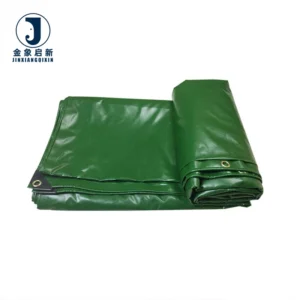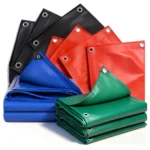

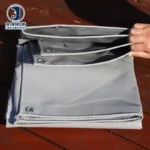

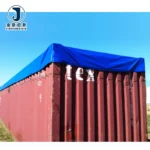
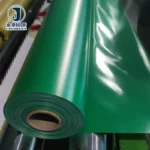
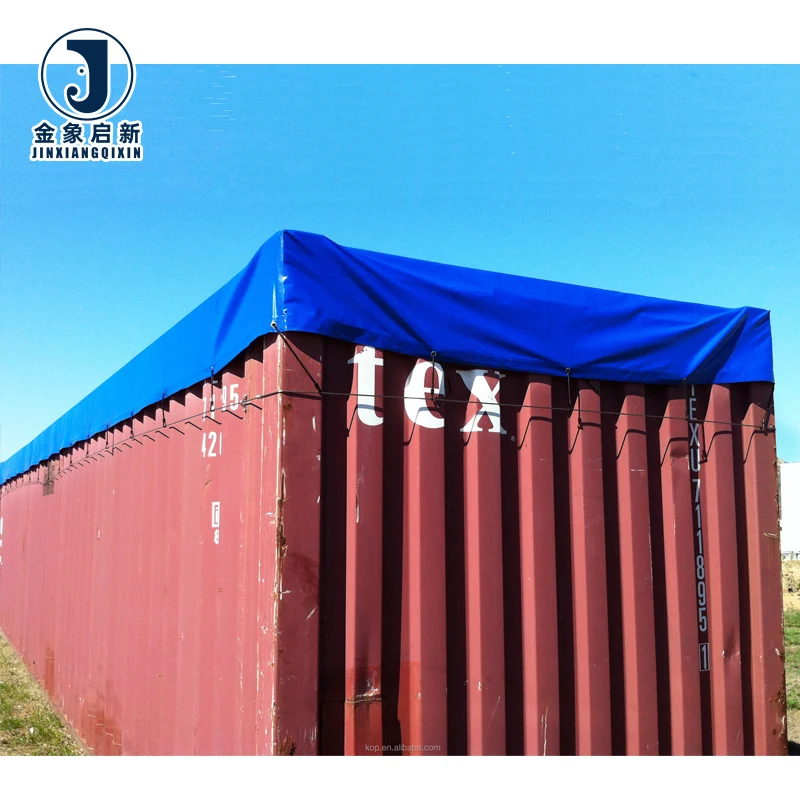
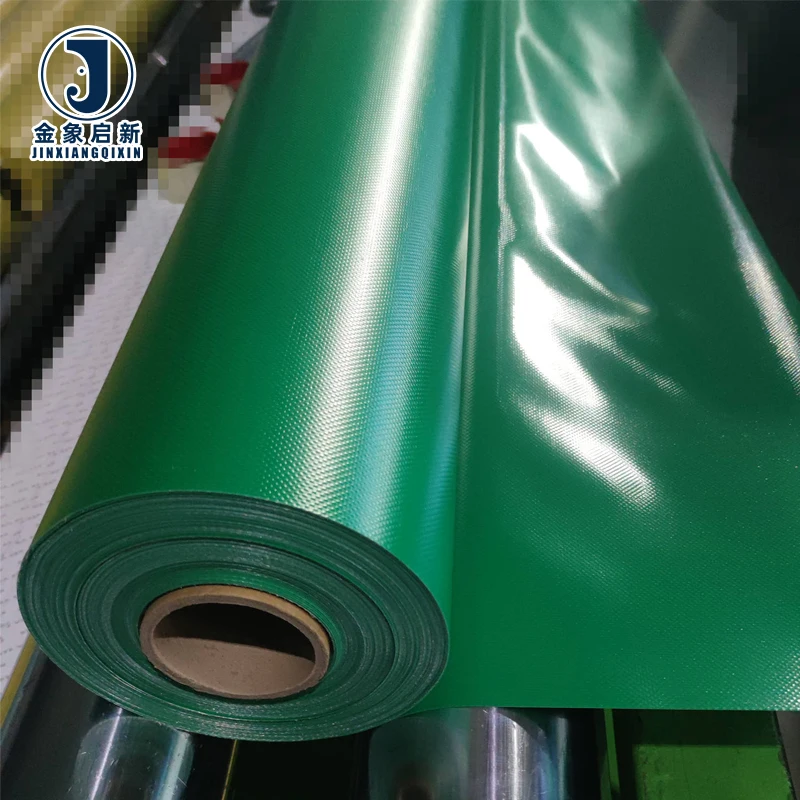
Coating Adhesion Control — hot melt coating technology bonds PVC to polyester base fabric with high peel strength, verified through in-process QA on every roll.
Technical Specifications
| Parameter | Value |
|---|---|
| Product Type | PVC Coated Tarpaulin Roll |
| Material | 100% high toughness polyester yarn with PVC coating |
| Coating Technology | Lamination technology and hot melt coating technology |
| Total Thickness | 0.35–1.5 mm |
| Weight (GSM) | 400–1500 g/m² |
| Base Fabric Denier | 500D–2000D |
| Tensile Strength (N/5cm) | Warp 1500–3000 / Weft 1200–2800 |
| Welding Tear Strength | Excellent |
| Waterproof | Yes |
| Cold Resistant | Yes — cold resistant cracking formulation |
| Anti-Mildew | Mold proof |
| UV Treatment | Available — confirm grade required for your market |
| Flame Retardant | Available in flame retardant grades — confirm the grade required for your market |
| Anti-Static | Available — confirm surface resistance standard required for your site |
| Color Fastness | Best color fastness (grade available on request) |
| Weather Resistance | Suited to extended outdoor exposure |
| Certification | ISO 9001, CE |
Application Suitability
| Application | Exposure & Requirement |
|---|---|
| Underground mining ventilation duct | Continuous airflow pressure, rock dust abrasion, mandatory fire-retardant and anti-static compliance |
| Tunnelling exhaust and supply duct | High humidity, mechanical damage risk from equipment, flame retardant certification for confined spaces |
| Inflatable industrial enclosures | Internal air pressure tension, UV and weather exposure, welded seam integrity |
| Membrane structure fabric for temporary works | Wind load tension, solar radiation, structural welding at seams |
| Aviation ground support equipment covers | Certified flame retardancy, fuel and chemical splash exposure, frequent handling abrasion |
Why Ventilation Duct Material Fails Compliance on Arrival
Many contractors discover that the PVC coated fabric specified with flame retardant or anti-static claims arrives without the documentation that the site safety officer actually requires. A certificate of conformity on a quotation is not the same as a test report referencing a recognised standard such as DIN 4102 or NFPA 701.
When the material reaches the mine or tunnel site, the safety team asks for a specific fire classification. The fabric may pass a basic burn test but lack the formal grading that regulators accept. This gap between a supplier’s claim and the site’s compliance threshold causes project delays, re-ordering cycles, and in some cases removal of already-installed duct runs [NEED_CITE: fire classification standards for underground ventilation ducts].
The consequence extends beyond paperwork. A duct fabricated from material that does not meet the required anti-static surface resistance can present an ignition risk in explosive atmospheres. The cost of replacing installed ductwork far exceeds the cost of specifying the correct grade at the inquiry stage.
Fire Retardancy and Anti-Static Treatment for Confined Spaces
Selecting a PVC coated fabric for underground ventilation requires matching the fire classification to the jurisdiction where the duct will operate. Different mining authorities reference different standards — some require DIN 4102 B1, others reference M2 or NFPA 701. Our production team applies flame retardant treatment during the coating stage and can supply material tested against the specific standard your project mandates.
Anti-static treatment addresses the second compliance requirement in explosive atmospheres. Surface resistance must fall within a defined range to prevent charge accumulation. We apply anti-static treatment during manufacturing and provide measurement data so that you can verify compliance against your site safety specification before fabrication begins.
Welding Integrity for Duct Fabrication
Ventilation ducts are fabricated by welding panels into cylindrical or rectangular sections. The welded seam is often the first failure point because the flex cycle of pressurised ductwork concentrates stress at the join. Hot melt coating technology produces a strong adhesive bond between the PVC layer and the polyester base fabric, which supports consistent weld performance during fabrication [NEED_CITE: welding tear strength test methods for coated fabrics].
Our material supports high-frequency and hot-air welding processes commonly used in duct manufacturing. The coating formulation is designed to melt and fuse at standard welding temperatures, creating a seam that resists delamination under continuous airflow pressure and mechanical vibration from ventilation fans.
How Denier, Weave, and Coating Weight Interact
The base fabric denier, ranging from 500D for lighter engineering grades to 2000D for super heavy-duty specifications, determines the fundamental tear resistance and tensile capacity of the material. Higher denier yarns resist tear propagation more effectively, which matters when a duct section is dragged across rough tunnel floors during installation.
Coating weight and method directly affect peel strength — the bond between the PVC surface and the polyester scrim. Lamination technology produces a mechanically bonded layer that is cost-effective for many applications, while hot melt coating penetrates the base fabric structure more deeply, improving both adhesion and weld performance. For duct applications where the seam must endure continuous pressure cycling, the hot melt method provides a measurable advantage.
GSM alone does not predict how the fabric will behave in a specific application. A 900 GSM fabric with a tight weave and hot melt coating may outperform a heavier fabric with a loose weave and simple lamination. The interplay of base fabric density, coating method, and total thickness determines real-world performance far more than weight in isolation [NEED_CITE: relationship between GSM and tensile strength in coated fabrics].
Thickness, from 0.35 mm through to 1.5 mm, correlates with puncture resistance and stiffness. Thinner grades suit inflatable structures that require the fabric to flex under inflation pressure, while thicker grades provide the rigidity needed for self-supporting duct sections in long tunnel runs.
When the Wrong Specification Reaches the Site
A ventilation duct installed underground with a flame retardant grade that does not match the site’s regulatory requirement cannot be approved by the safety inspector, regardless of how well the material performs in other respects. The entire duct run may need removal and replacement, at a cost that dwarfs the original material expense [NEED_CITE: cost implications of non-compliant duct material in mining operations].
Anti-static performance that falls outside the required surface resistance range creates an ongoing safety concern in explosive atmospheres. This is not a defect that becomes visible during visual inspection — it only surfaces when tested with appropriate measurement equipment, often after the duct is already installed and pressurised.
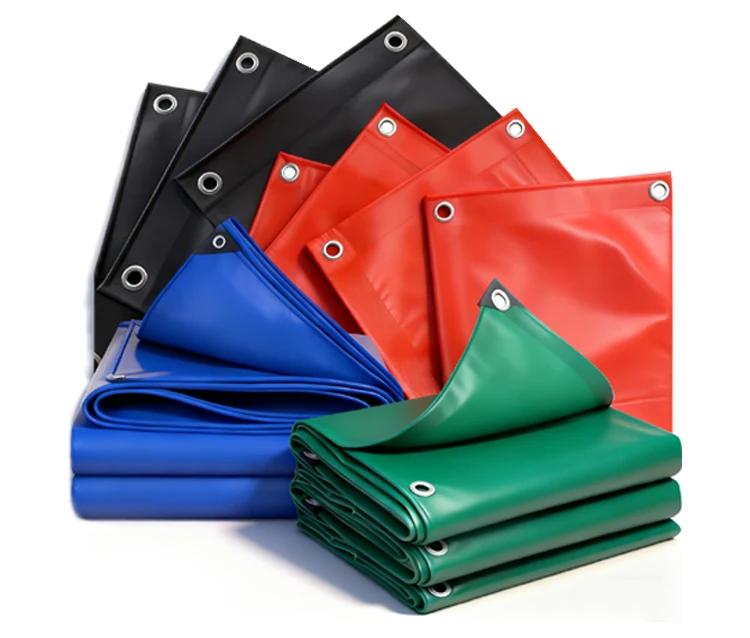
Batch-to-batch inconsistency in coating weight or colour affects large ventilation system installations where multiple rolls are fabricated into a continuous duct run. Visible colour variation between panels undermines the professional appearance of the installation and may signal underlying inconsistencies in coating formulation.
Why Technical Buyers Source This Material Here
Our R&D team of ten specialists handles material selection and specification matching for technical applications including ventilation duct systems. When a mining contractor requires a specific combination of flame retardant grade, anti-static surface resistance, and tensile capacity, the team develops a formulation that meets those parameters rather than offering a standard stock grade.
Three full production lines with dedicated coating equipment support bulk roll output for large ventilation projects. Production scheduling allows multiple rolls for a single project to be manufactured within a tight window, reducing batch-to-batch variation in coating weight and colour.
QA inspection occurs at every production stage, with 100% pre-shipment inspection against the material specification sheet. GSM weight, coating adhesion, and treatment application are verified before any roll is released for dispatch, so the material arriving on your site matches the quotation.
Samples are developed within days when a project requires a specific grade confirmation. This allows you to test weld parameters, verify fire classification, and confirm colour before committing to full production volume.
Documentation & Verification
- Material specification sheet stating GSM, base fabric denier, coating weight, and treatment grades for this PVC coated fabric
- Fire retardant test report referencing the specific standard required for your project jurisdiction
- Anti-static surface resistance measurement report matching your site safety threshold
- Pre-shipment inspection record confirming weight and specification per roll
- ISO 9001 and CE certificates included with shipping documentation
- Certificate of origin and customs support documents for international dispatch
Fabrication, Handling & Storage
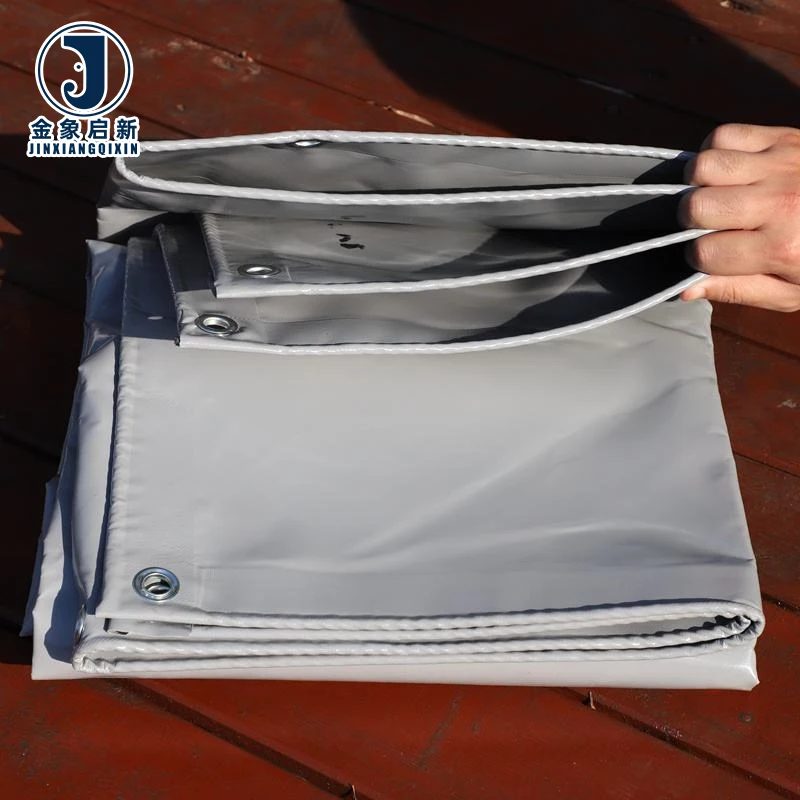
- Hot-air and high-frequency welding compatible — set temperature parameters based on the 0.35–1.5 mm thickness range
- Weld test panels recommended before full fabrication to confirm seam strength on the selected GSM grade
- Store rolls upright on pallets to prevent permanent creasing across the coating surface
- Allow cold-stored rolls to reach ambient temperature before unrolling to avoid coating crack damage
- Cut patterns should account for weld overlap allowance, typically 25–40 mm depending on duct diameter
- Repair minor surface damage with compatible PVC adhesive patches matched to the coating formulation
Specifying the Right Grade for Your Project
To help us recommend the correct PVC coated fabric for your ventilation or technical structure application, provide the following details with your inquiry: the fire classification standard required by your jurisdiction, the anti-static surface resistance range your site safety plan specifies, the duct diameter or structure dimensions, and your target installation environment including temperature range and chemical exposure.
If your project requires a specific colour for identification or coding purposes, indicate the RAL or Pantone reference so we can develop a sample for approval before bulk production. Let us know whether you need rolls only or if fabricated panels are within your scope.
Frequently Asked Questions
Q: What fire-retardant grades can you certify to for mining ventilation ducts?
A: We supply PVC coated fabric with flame retardant treatment aligned to standards including DIN 4102, NFPA 701, and M2 classifications. The specific grade required depends on your project jurisdiction and the safety regulations governing your underground operation. Provide your required standard at inquiry stage so we can confirm the grade and supply the corresponding test report with your order.
Q: How is anti-static performance measured and what surface resistance is achievable?
A: Anti-static treatment is applied during the coating process and surface resistance is measured using standard electrode methods. The target range depends on your site’s explosive atmosphere classification. Share your required surface resistance specification and we will confirm achievability and include measurement data in your shipment documentation.
Q: Can you provide test reports before production begins?
A: Yes. We develop samples within days of receiving your specification requirements. These samples can be submitted for independent testing against your required fire retardant and anti-static standards before you commit to full production volume. Test reports from our own QA process are also available for review at the quotation stage.
Q: What welding methods are compatible with this duct fabrication material?
A: The hot melt coating formulation supports both high-frequency welding and hot-air welding processes standard in duct fabrication. We recommend running test welds on sample material to confirm temperature settings and seam strength before full production. Welding parameters vary depending on the specific thickness and GSM grade selected.
Q: How do you ensure consistency across multiple rolls for a large installation?
A: Multiple rolls for a single project are scheduled within a tight production window on the same coating line. Every roll undergoes 100% pre-shipment inspection against the material specification sheet, including GSM weight verification and visual colour assessment. This process maintains batch consistency across the full order quantity.