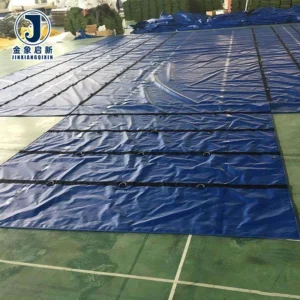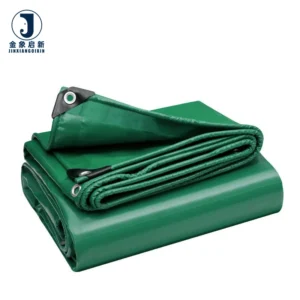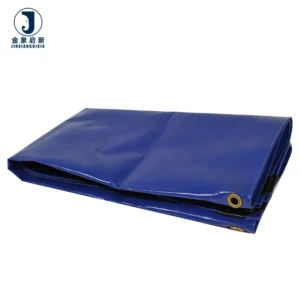
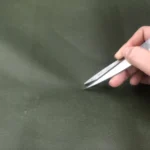
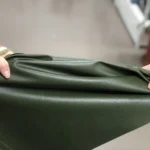
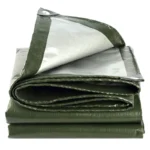

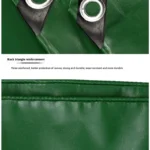

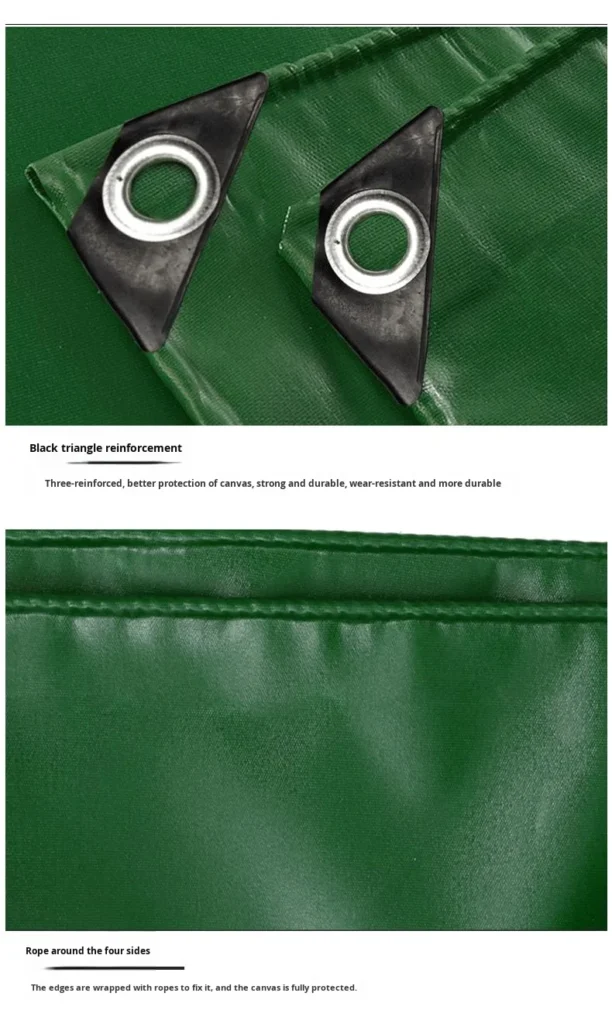
Verified Coating Integrity — Every roll of fire retardant anti-static PVC coated tarpaulin undergoes 100% pre-shipment inspection, with coating weight and adhesion confirmed before dispatch to prevent on-site compliance failures.
Technical Specifications
| Parameter | Value |
|---|---|
| Product Type | PVC Coated Tarpaulin |
| Coating Material | PVC |
| Coating Method | Knife Coated |
| Base Fabric Denier | 1000D×1000D |
| Weight | 420 GSM |
| Flame Retardant | Available in flame retardant grades — confirm the grade required for your market |
| Anti-Static | Available with anti-static treatment — surface resistance to be confirmed per site specification |
| UV Treatment | Anti-UV treatment available — test basis to be confirmed |
| Anti-Mildew | Available |
| Anti-Cold | Available |
| Finish | Waterproof, Oilproof |
| Roll Format | Supplied in roll |
| Custom Sizing | Custom width and length available |
| Certifications | ISO, CE |
Application Suitability
| Application | Exposure & Requirement |
|---|---|
| Mining ventilation duct fabrication | Constant airflow, underground humidity, mandatory fire-retardant and anti-static compliance per site safety codes |
| Tunnelling ventilation systems | Abrasive dust contact, confined-space fire safety standards, mechanical flexing during installation |
| Aviation construction ventilation | Strict flame retardant certification, lightweight handling for temporary duct runs, anti-static discharge control |
| Inflatable and membrane structures | Wind load stress, UV exposure, seam integrity under inflation pressure |
| Temporary industrial enclosures | Weather exposure, equipment protection, quick deployment and tear-down cycles |
What "Certified" Means When the Test Report Never Arrives
A fire retardant PVC coated tarpaulin is only as compliant as the documentation that ships with it.
Procurement teams across mining and tunnelling projects have faced site shutdowns because the ventilation duct fabric arrived without the specific flame retardant grade the safety auditor required. The quotation says "flame retardant," but without a test report citing M2, B1, NFPA 701, or DIN 4102, the material cannot pass inspection [NEED_CITE: fire classification standards for ventilation duct materials in underground mining]. The same gap applies to anti-static treatment — a claim without a measured surface resistance value leaves the safety officer with no basis for approval.
Knife Coating Delivers the Adhesion That Duct Fabrication Demands
The knife coated construction on this PVC coated tarpaulin forces the PVC compound into the 1000D×1000D base fabric under controlled blade pressure, producing a mechanical bond that resists delamination during heat welding and flexing. For ventilation ducts that are repeatedly installed, removed and reinstalled across project phases, this coating adhesion directly determines service life. Laminated alternatives may separate at the weld zone after repeated thermal cycles, a failure mode that knife coating substantially reduces.
Compliance Documentation Must Match the Site Specification
Mining and tunnelling sites operate under jurisdiction-specific fire safety codes, and the PVC coated tarpaulin supplied for ventilation must carry test documentation aligned to those exact standards. Flame retardant grades vary between markets — a B1 classification under DIN 4102 does not substitute for NFPA 701 in a North American project, and an M2 rating may not satisfy an Australian mine safety auditor [NEED_CITE: regional fire safety classification requirements for flexible duct materials]. Anti-static surface resistance thresholds differ similarly, so specifying the required ohm range at inquiry stage prevents rejection at delivery.
Reading the Specifications Beyond the GSM Number
The 420 GSM weight on a 1000D×1000D base fabric indicates the combined mass of the polyester scrim and the knife-applied PVC layers, but GSM alone does not define tensile or tear performance. The denier and weave density of the base fabric govern how load distributes across the scrim — a tightly woven 1000D×1000D construction resists tear propagation more effectively than a loosely woven fabric of identical weight. Knife coating adds peel strength that supports high-frequency heat welding, which is critical when fabricating duct sections with multiple longitudinal and circumferential seams. The waterproof and oilproof finish protects the surface during handling in greasy workshop environments, while the anti-mildew and anti-cold treatments extend usability into damp underground conditions and low-temperature surface installations.
The Cost of Specifying on Claim Alone
When flame retardant PVC coated tarpaulin arrives at a tunnelling site without a test report matching the project’s fire safety specification, the entire duct installation halts until compliance is resolved — and idle tunnelling crews do not come cheap [NEED_CITE: project delay costs from non-compliant ventilation materials in underground construction]. Anti-static fabric that lacks a documented surface resistance reading forces the site safety officer to either reject the shipment or commission independent testing, both of which erode schedule and budget. Colour variation between rolls in the same order may seem cosmetic, but when membrane structure panels are installed side by side, visible inconsistency triggers client rejection and rework.
Why Fabricators and Contractors Source This Material Here
The 10-person R&D team develops material formulations and treatment combinations matched to specific project compliance requirements, producing samples within days rather than weeks. Three full production lines with 36 sets of professional equipment support bulk roll output with consistent coating weight across the entire order. Dedicated QA/QC at every production stage ensures that the 420 GSM weight, flame retardant treatment and anti-static properties are verified before any roll leaves the facility. Custom widths and lengths are produced without the extended lead times typically associated with specialist treatments, and every shipment carries the full documentation package required for site compliance audits.
Documentation & Verification
- Material specification sheet confirming 1000D×1000D base fabric, knife coating method and 420 GSM weight
- Flame retardant test report citing the specific standard required by your project specification
- Anti-static surface resistance measurement aligned to your site safety threshold
- Pre-shipment inspection record with 100% QA verification before dispatch
- ISO and CE certificates included with every shipment
- Certificate of origin and customs documentation for international logistics
Fabrication, Handling & Storage
- Heat weld parameters must account for the knife coated PVC layer thickness to achieve full seam fusion without scorching
- Store rolls horizontally on pallets to prevent permanent creasing across the 1000D×1000D scrim structure
- Allow cold-stored rolls to reach ambient temperature before unrolling to avoid coating cracking
- Use compatible PVC welding tape for field repairs on duct seams and membrane joints
- Clean oilproof finish surfaces with mild detergent only — solvents degrade the PVC coating bond
What to Include in Your Inquiry
Specify the fire retardant standard and anti-static surface resistance your project requires, along with the duct diameter or membrane panel dimensions. Confirm whether you need rolls in standard width or custom sizing, and indicate your annual volume so production can be scheduled accordingly. Request samples if treatment certification must be validated before bulk commitment.
Frequently Asked Questions
Q: Which flame retardant standard does your PVC coated tarpaulin meet?
A: The fabric is available with flame retardant treatment, but the specific grade — M2, B1, NFPA 701 or DIN 4102 — must be confirmed at inquiry stage to match your project’s compliance requirement. We supply the corresponding test report with the shipment, so verify the standard your site auditor requires before placing the order.
Q: How is anti-static performance measured and certified?
A: Anti-static treatment is applied during the coating process, and surface resistance is measured against the threshold your site specification demands. Provide your required ohm range at inquiry, and the test result documenting compliance will accompany the material specification sheet in the shipment documentation package.
Q: Can both fire retardant and anti-static treatment be applied to the same roll?
A: Yes, the knife coating process allows both treatments to be incorporated into the PVC compound on a single roll. Confirm the specific flame retardant grade and anti-static surface resistance your project requires, and samples will be developed for your approval before bulk production begins.
Q: What documentation accompanies each shipment for compliance audits?
A: Every shipment includes a material specification sheet, flame retardant and anti-static test reports where applicable, pre-shipment inspection record, ISO and CE certificates, packing list and certificate of origin. These documents are prepared to satisfy site safety audits in mining, tunnelling and aviation construction environments.
Q: How does knife coating compare to laminated coating for duct fabrication?
A: Knife coating forces PVC into the 1000D×1000D base fabric under blade pressure, creating a mechanical bond that resists delamination during repeated heat welding and flexing. Laminated fabrics rely on adhesive layers that can separate under thermal cycling, making knife coated construction the preferred choice for ventilation ducts requiring long service life.