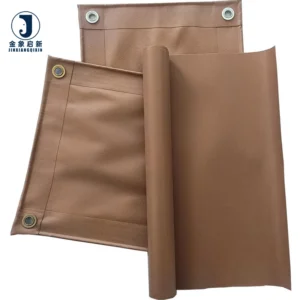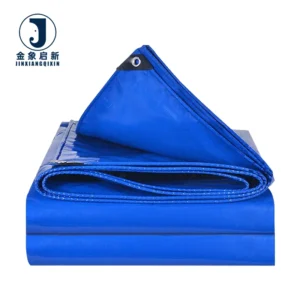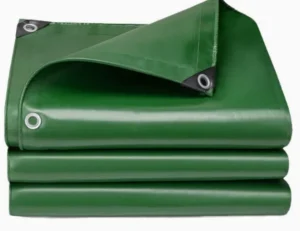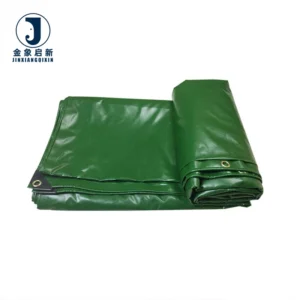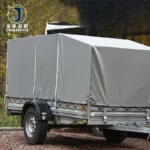
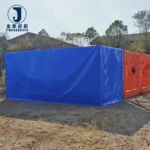
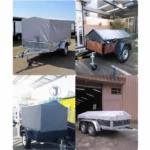
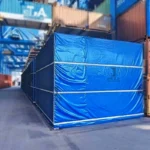
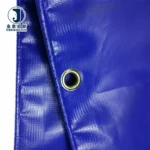
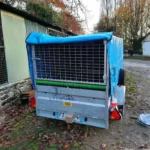
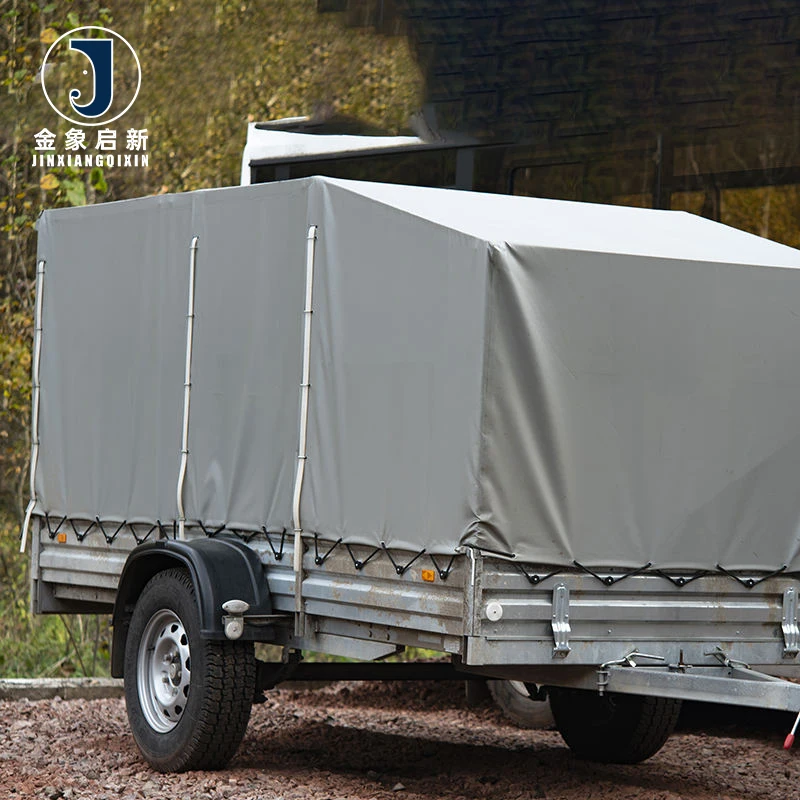
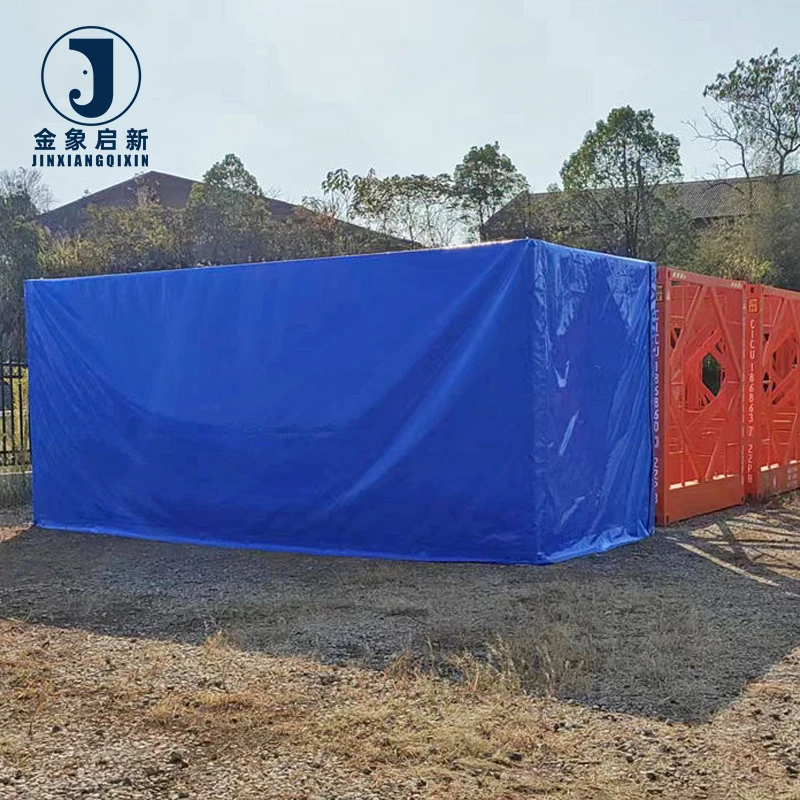
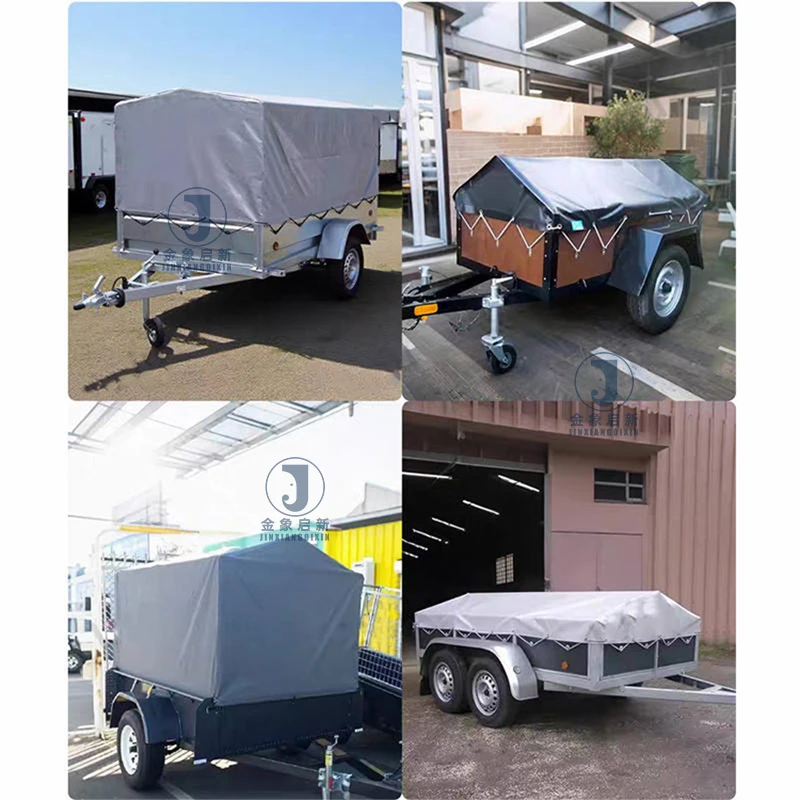
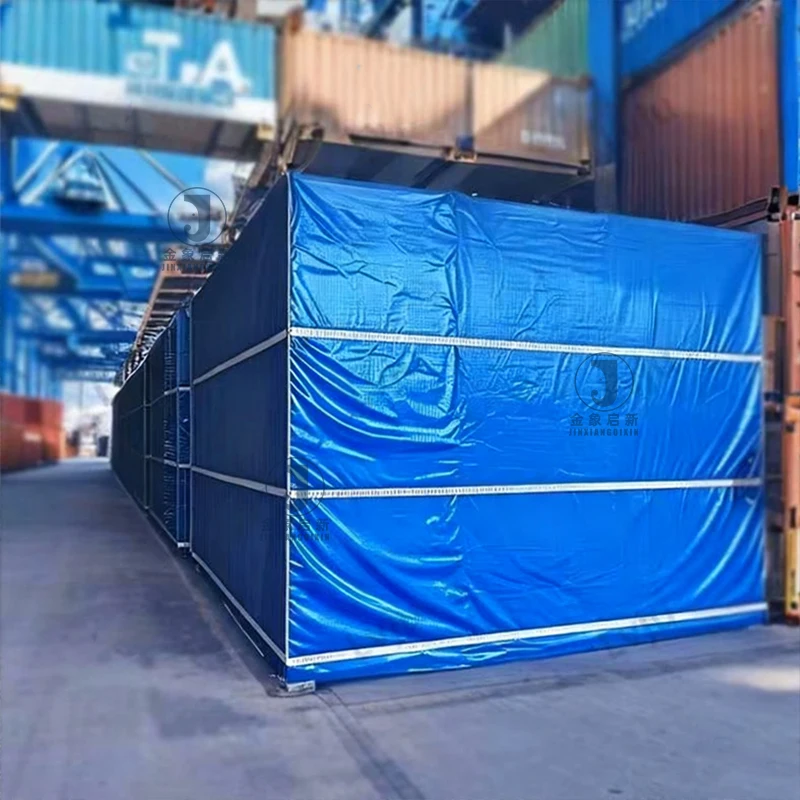
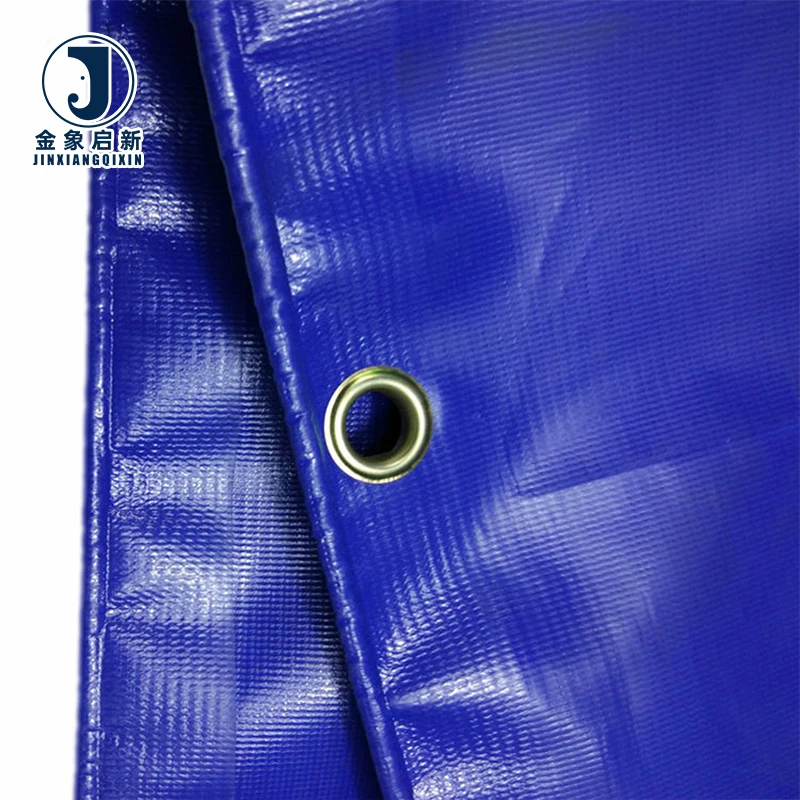
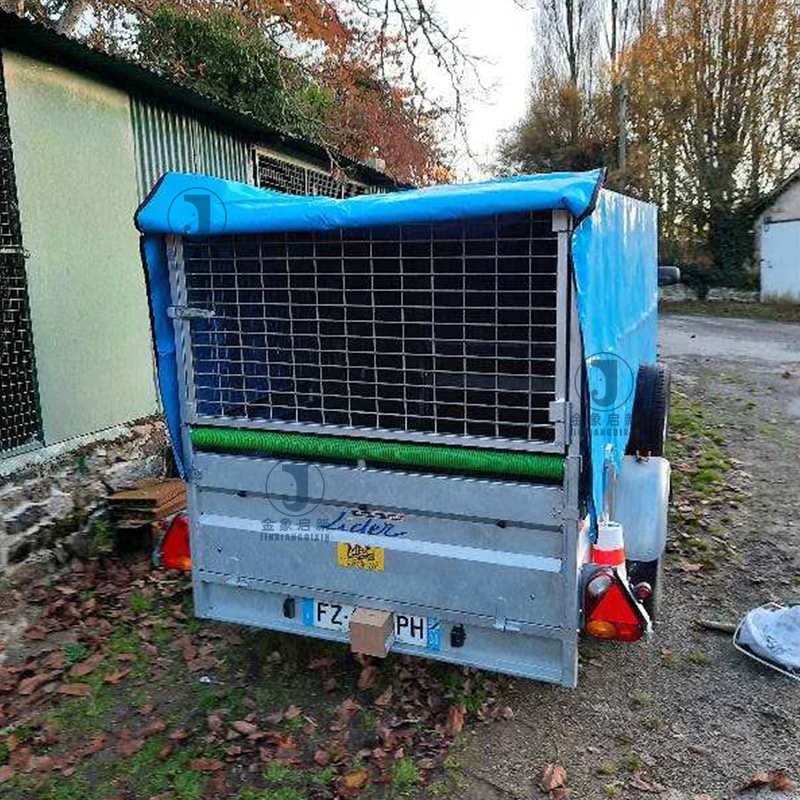
Coating Process Control — hot melt coating and lamination technology applied across three weight tiers with adhesion verified at every production stage for this fire retardant PVC tarpaulin fabric.
Technical Specifications
| Parameter | Value |
|---|---|
| Product Type | PVC Coated Tarpaulin Fabric |
| Base Fabric | 100% high toughness polyester yarn |
| Coating Material | PVC |
| Coating Technology | Lamination and hot melt coating |
| Thickness (Medium) | 0.35–0.45 mm |
| Weight (Medium) | 400–500 g/m² |
| Knitting Density (Medium) | 500D |
| Tensile Strength (Medium) | Warp 1500–2000 / Weft 1200–1800 N/5cm |
| Thickness (Heavy-duty) | 0.70–1.0 mm |
| Weight (Heavy-duty) | 700–1000 g/m² |
| Knitting Density (Heavy-duty) | 1000D |
| Tensile Strength (Heavy-duty) | Warp 2000–2500 / Weft 1800–2200 N/5cm |
| Thickness (Super Heavy) | 1.2–1.5 mm |
| Weight (Super Heavy) | 1100–1500 g/m² |
| Knitting Density (Super Heavy) | 500D–2000D |
| Tensile Strength (Super Heavy) | Warp 2500–3000 / Weft 2200–2800 N/5cm |
| Flame Retardant Grade | B1 (per DIN 4102 — confirm grade required for your market) |
| Anti-Static Treatment | Available (confirm certification standard required for your application) |
| UV Treatment | Available (confirm test basis required) |
| Cold Resistance | Yes (confirm low-temperature grade for your climate) |
| Anti-Mildew | Mold proof treatment |
| Waterproof | Fully waterproof coated construction |
| Color Options | Blue, Blue/Orange, Green, Grey, Black, Clear, Grey/Green, Orange, or custom |
| Key Features | Fire retardant, waterproof, cold resistant, mold proof, anti-static capable |
Application Suitability
| Application | Exposure & Requirement |
|---|---|
| Warehouse and storage covers | Permanent overhead exposure, condensation, fire safety compliance required on enclosed premises |
| Construction site enclosures | Wind-driven rain, scaffolding abrasion, temporary structure fire regulations |
| Industrial pipe canopies | Chemical-laden atmosphere, sustained heat proximity, flame propagation control |
| Tensioned membrane structures | Biaxial tensile load, UV exposure, fire classification for public occupancy zones |
| Truck side curtains and tarpaulins | Constant flexing, road spray, tie-down friction at reinforcement points |
| Temporary ventilation ducting | Internal airflow pressure, dust-laden environments, anti-static compliance underground |
What "Fire Retardant" Means Without a Certified Grade Behind It
A fabric labelled flame retardant without a test report citing a specific standard is a compliance risk, not a safety solution.
Procurement teams regularly receive coated fabrics described as fire retardant with no reference to DIN 4102, NFPA 701, or the local building code classification the site inspector will demand. When the certification paperwork does not arrive with the roll, the entire shipment can be rejected at the gate. [NEED_CITE: fire classification standards for PVC coated fabrics used in temporary structures]. For projects where a certified fire retardant PVC tarpaulin fabric is specified, the test report must name the standard, the issuing laboratory, and the batch reference before the material leaves the factory floor.
Coating Adhesion and Structural Reliability
The hot melt coating and lamination technology used on this PVC coated tarpaulin fabric determines how the PVC layer bonds to the polyester base yarn. Poor adhesion causes delamination at stress points — the coating peels away from the weave when the fabric flexes under wind load or tension. Lamination combined with hot melt coating creates a mechanical and thermal bond that resists separation at the weld line, which matters when the fabric is fabricated into ducts, membranes, or tensioned covers where every seam carries load.
Fire Retardant Compliance Across Jurisdictions
Different markets enforce different fire classification systems. The B1 grade referenced for this fire retardant PVC tarpaulin fabric aligns with DIN 4102 testing methodology common in European and Middle Eastern construction projects. However, a North American site may require NFPA 701 documentation, while a mining ventilation duct may demand a separate anti-static certification alongside the flame retardant grade. Confirming the exact standard before production begins prevents costly re-testing or rejected deliveries. [NEED_CITE: cross-referencing fire retardant test standards for coated textile compliance].
Reading the Specification Sheet Beyond GSM
Weight in grams per square metre indicates material density but tells only part of the performance story. A 700–1000 g/m² heavy-duty grade with 1000D base yarn delivers different tensile behaviour than a lighter 400–500 g/m² medium grade at 500D, even before coating chemistry enters the equation. The knitting density of the polyester yarn governs how load distributes across the weave — a tighter denier count limits tear propagation when a puncture occurs. Coating thickness (0.35–0.45 mm for medium, up to 1.2–1.5 mm for super heavy) adds puncture resistance and contributes to the overall stiffness that affects how the fabric drapes and welds during fabrication.
The Hidden Cost of Unverified Fire Retardant Documentation
When a construction enclosure or warehouse cover is installed and the site inspector requests the fire retardant certificate, a missing or mismatched test report can halt the entire project. The fabric may perform adequately in the field, but without batch-specific documentation referencing the correct standard, the material is non-compliant on paper. This scenario repeats across temporary structures, mining ventilation installations, and public event enclosures where flame safety paperwork is audited as strictly as the material itself. [NEED_CITE: site compliance audit requirements for flame retardant temporary structures].
Why Technical Buyers Source This Fabric Here
Three full production lines and 36 sets of professional equipment support consistent output across medium, heavy-duty, and super heavy grades without compromising the coating adhesion that defines this fabric. A dedicated 10-person R&D team handles material selection, custom colour matching, and sample development — samples for fire retardant grades are produced within days so buyers can verify weight, colour, and weld behaviour before committing to bulk. Every roll undergoes in-process quality checks and a final 100% pre-shipment inspection with weight verification against the quoted GSM, eliminating the discrepancy between the specification sheet and the material that arrives on site. ISO and CE certified production supports export documentation for projects across multiple regulatory jurisdictions.
Documentation & Verification
- Material specification sheet stating GSM, base fabric denier, and coating method per grade ordered
- Fire retardant test report citing the specific standard applicable to the destination market
- Roll-by-roll weight verification record confirming GSM matches the quotation before dispatch
- Pre-shipment inspection record covering coating adhesion, colour consistency, and surface defects
- Certificate of origin and full customs documentation package included with every shipment
- Anti-static or UV test report provided where supplementary treatments are specified
Fabrication, Handling & Storage
- Hot melt coated surfaces accept high-frequency and hot-air welding; calibrate dwell time to coating thickness (0.35–1.5 mm range) for consistent seam strength
- Store rolls vertically on padded racking to prevent compression creases that compromise the PVC coating layer
- Allow cold-resistant rolls to acclimatise before unrolling in sub-zero conditions to avoid surface micro-cracking
- Cut patterns with the polyester yarn warp direction aligned to the primary load axis for maximum tensile performance
- Use PVC-compatible solvent cleaners on the coated surface; avoid abrasive pads that damage the finish
Requesting the Right Specification for Your Project
Provide the application environment — warehouse, construction enclosure, membrane structure, or ventilation duct — along with the fire retardant or anti-static standard your local authority requires. Specify the grade tier (medium, heavy-duty, or super heavy), preferred colour from the available range, and whether you need roll stock or fabricated panels. If your project demands a certified fire retardant PVC tarpaulin fabric with batch-matched documentation, confirm the target compliance standard at enquiry stage so the correct test report accompanies the shipment.
Frequently Asked Questions
Q: What fire retardant standard does this fabric meet, and can I see the test report before ordering?
A: This PVC coated tarpaulin fabric is produced to B1 grade per DIN 4102. We supply the test report naming the standard, the issuing laboratory, and the batch reference upon request. If your project requires a different classification such as NFPA 701, confirm at enquiry stage so we verify compliance against your local building code before production begins.
Q: How do I verify the GSM on arrival matches the grade stated on the quotation?
A: Every roll ships with a pre-shipment inspection record that includes weight verification per roll. We recommend conducting a sample cut-weight check on receipt using a calibrated scale and a known-area template. Any discrepancy between the documented GSM and the measured weight should be reported immediately with photographs for resolution.
Q: What anti-static certification is available for mining and tunnelling applications?
A: Anti-static treatment is available as a supplementary option on this fabric. The specific certification standard depends on your jurisdiction and site requirements. Confirm the applicable anti-static standard at enquiry stage so we match the treatment chemistry and provide the corresponding test documentation with your shipment.
Q: How does cold-resistant treatment affect fabric flexibility in sub-zero installation environments?
A: Cold-resistant treatment maintains PVC coating flexibility at lower temperatures, reducing the risk of surface cracking during handling and installation in cold climates. The exact low-temperature threshold depends on the grade selected. Request the cold-flex test data for your specified grade to confirm suitability for your installation environment.
Q: What is the lead time for custom width and colour on fire retardant grades?
A: Custom widths and colours on fire retardant grades involve dedicated production runs with coating formulation adjustments. Lead times vary based on order volume and the specific colour requested. Samples are developed within days for approval before bulk production commences. Confirm your required width, colour, and annual volume at enquiry stage for an accurate schedule.