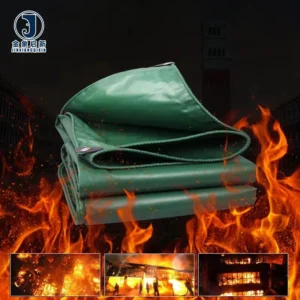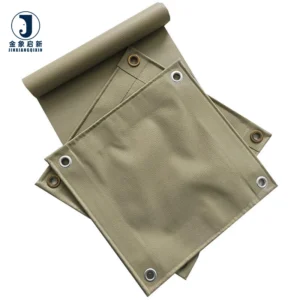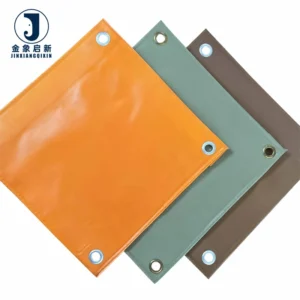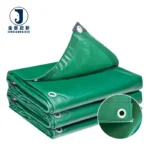
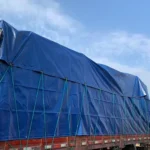
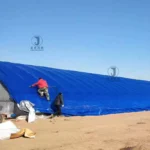
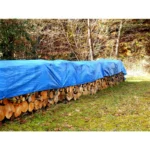
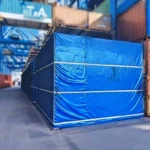
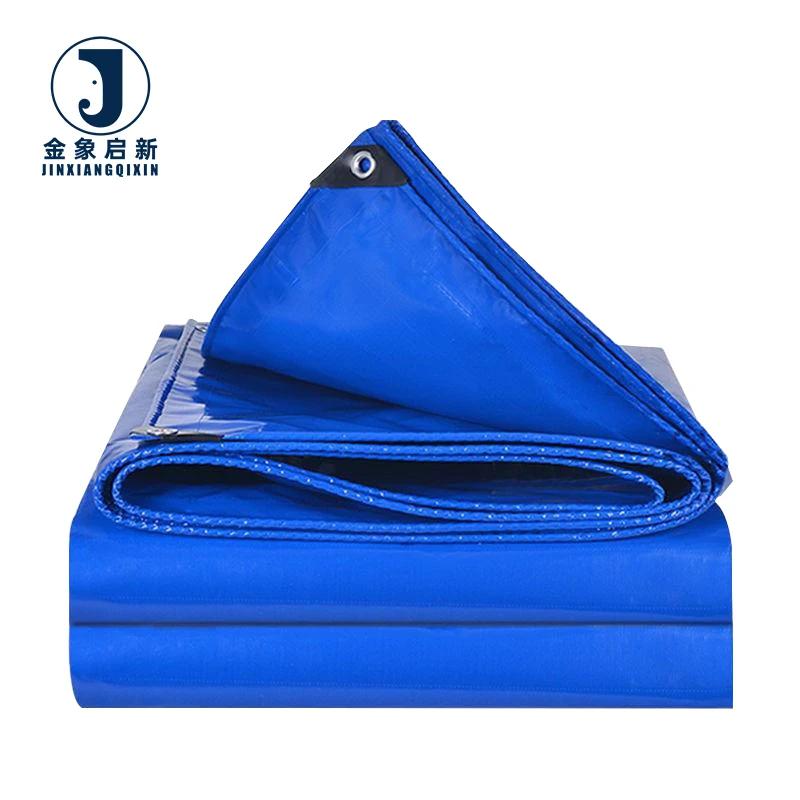
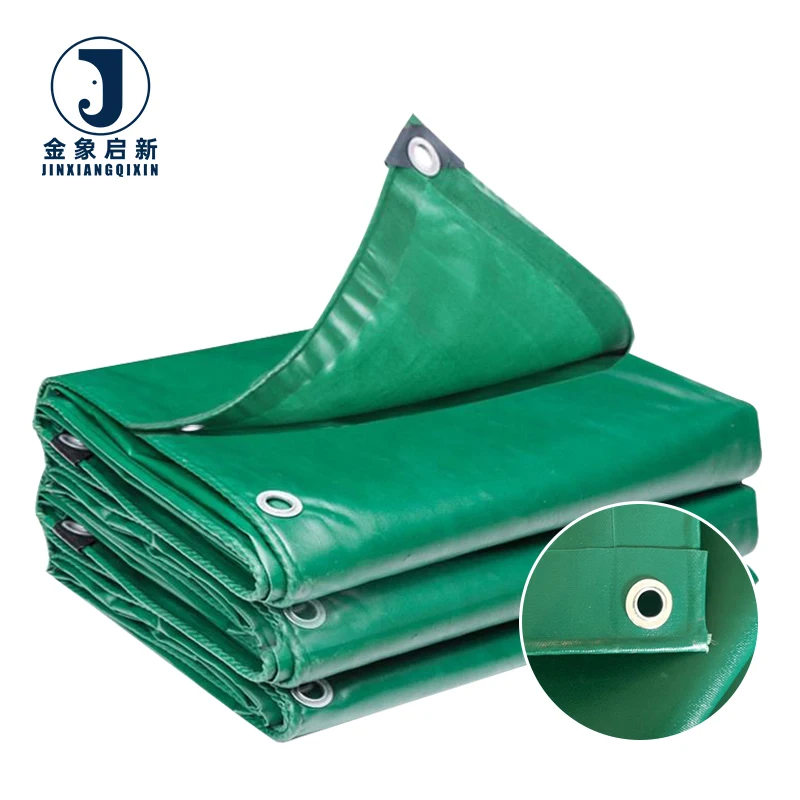
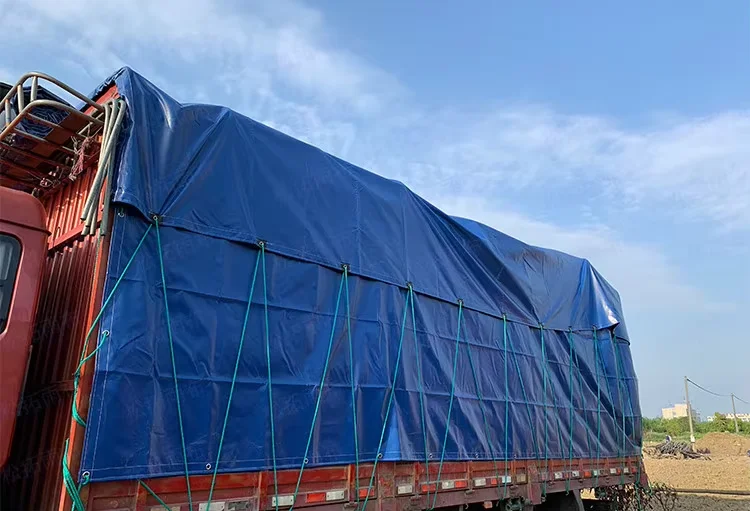
Deep process control — nearly three decades focused on coated fabric production ensures consistent coating weight and adhesion across every roll of Fire Retardant PVC Tarpaulin for Ventilation and Technical Application.
Technical Specifications
| Parameter | Value |
|---|---|
| Product Type | PVC Coated Tarpaulin Truck Cover |
| Weight Options | 700gsm, 850gsm, 900gsm |
| Treatment Options | Flame Retardant, Anti-Static, Anti-cold, Anti-mildew |
| Weather Resistance | Suited to extended outdoor exposure |
| Waterproof | Yes |
| Fireproof | Available in flame retardant grades — confirm the grade required for your market |
| Key Features | High strength, waterproof, fire retardant and anti-static treatment options |
Application Suitability
| Application | Exposure & Requirement |
|---|---|
| Fire-retardant ventilation duct | Mining and tunnelling — continuous airflow, dust ignition risk, mandatory fire compliance |
| Anti-static air duct fabric | Aviation ground support — enclosed workspace, static discharge hazard, fuel proximity |
| Membrane and inflatable structure fabric | Temporary enclosures — wind load, UV exposure, certified flame performance required |
| Mining and construction site equipment covers | Heavy machinery — impact, dust ingress, outdoor weathering |
| Aviation ground support equipment covers | Tarmac exposure — fuel vapour, static risk, UV and temperature variation |
What Happens When Flame Retardant Claims Lack a Testable Grade
Fire retardant PVC tarpaulin without a documented grade is a compliance gap, not a safety product.
Ventilation duct or specialist structure fabric often arrives on site with a data sheet that states "fire retardant" but names no standard. When the site inspector asks for the test certificate, the project stalls. I have seen technical fabric orders delayed for weeks because the grade was never confirmed before production. [NEED_CITE: fire safety compliance documentation requirements for industrial ventilation systems] The consequence is not just a paperwork issue — operations halt, contractors stand idle, and replacement material must be sourced under emergency lead times. Fire Retardant PVC Tarpaulin for Ventilation and Technical Application must carry a testable grade matched to the target market regulation before it leaves the factory.
Matching Treatment to the Hazard Environment
Every technical application presents a distinct hazard profile. Mining tunnels require ventilation duct fabric that resists ignition from equipment sparks and meets underground fire safety regulations. Aviation ground support environments demand anti-static surface properties where fuel vapour is present. This PVC coated tarpaulin is available with flame retardant and anti-static treatment options that can be specified to the grade your project requires. The critical step is confirming which standard applies before the material enters production.
Coating Integrity Under Continuous Airflow and Pressure
Ventilation ducts operate under positive or negative pressure, and the fabric must maintain coating adhesion through constant flexing and vibration. Inflatable structures face similar cyclic stress at seams and attachment points. The coating method and base fabric construction together determine whether the material holds its integrity through repeated inflation and deflation cycles. [NEED_CITE: tensile and tear test methods for coated fabrics per ISO 1421] High-strength construction in these PVC coated tarpaulin truck covers reduces the risk of installation damage and extends serviceability in demanding technical environments.
How GSM, Base Fabric, and Coating Interact
GSM alone does not define strength. A 700gsm fabric with a high-denier base weave and balanced coating can outperform a heavier fabric built on a loose-weave scrim. The three available weight options — 700gsm, 850gsm, and 900gsm — represent different base fabric and coating combinations. Heavier GSM generally indicates more coating compound, which improves waterproofing and chemical resistance, but tensile and tear strength depend primarily on the base fabric denier and weave density. Specifiers selecting Fire Retardant PVC Tarpaulin for Ventilation and Technical Application should request the base fabric specification alongside the GSM to evaluate the complete material profile. Surface finish also matters: glossy finishes shed dust and contaminants more readily in ventilation applications, while treatment options such as anti-mildew extend usability in humid or below-ground conditions.
The Cost of Skipping Pre-Production Sample Verification
When treated fabric is ordered in bulk without a confirmed sample, the risk compounds across the entire shipment. A flame retardant grade that passes one market’s test protocol may not satisfy another jurisdiction’s requirements. Anti-static surface resistance measured on one batch may drift if the treatment concentration is not locked to a documented formulation. I have seen entire ventilation duct installations rejected at commissioning because the test certificate referenced a standard the local authority did not recognise. [NEED_CITE: DIN 4102 fire classification for building materials] Batch-to-batch colour variation in large technical fabric orders can also force partial replacement when sections installed side by side show visible mismatch.
Why Procurement Teams Specify Here
Three full production lines and 36 sets of professional equipment support bulk technical fabric orders with reliable scheduling for fire retardant PVC tarpaulin runs. A dedicated 10-person R&D team handles material selection, treatment formulation, and sample development so that custom flame retardant or anti-static grades are validated before bulk commitment. QA/QC runs at every production stage, with 100% inspection before shipment — each roll verified against the quoted GSM and treatment specification. Documentation accompanies every dispatch: material specification sheets, test reports for applicable treatments, and pre-shipment inspection records. Sample development within days allows technical buyers to confirm coating weight, treatment performance, and colour before authorising production. [NEED_CITE: coated fabric quality control and pre-shipment inspection standards]
Documentation & Verification
- Material specification sheet documenting GSM, base fabric denier, and coating method per roll
- Flame retardant test report citing the grade and standard applicable to your market
- Anti-static surface resistance test results where anti-static treatment is specified
- Pre-shipment inspection record confirming weight and treatment against quotation
- Certificate of origin and customs documentation for international technical fabric shipments
Fabrication, Handling & Storage
- Heat welding parameters should be adjusted to the selected GSM grade to prevent seam failure at flex points
- Store rolls upright on pallets to avoid flat-spot deformation on the PVC coating surface
- Allow cold-stored rolls to reach ambient temperature before unrolling to prevent coating cracking
- Use compatible PVC adhesive for field repairs on glossy finish surfaces to maintain coating continuity
- Plan cutting layout to minimise offcuts when working with custom widths for duct fabrication
Requesting a Technical Quotation
Provide the specific fire safety standard or regulation your project must satisfy, along with the operating environment — underground mining, aviation tarmac, or temporary structure. Confirm whether you require rolls at a specified width or finished cut-to-size panels. Specify which treatment options are mandatory for your application so that sample development addresses the correct compliance targets.
Frequently Asked Questions
Q: How do you verify the flame retardant grade matches our local fire safety regulation?
A: We confirm the target standard during inquiry and develop a treated sample for third-party testing before bulk production. The test report citing the specific grade accompanies shipment. Fire Retardant PVC Tarpaulin for Ventilation and Technical Application grades are matched to project requirements, not assumed.
Q: What anti-static surface resistance can be tested and documented?
A: Anti-static treatment is formulated to the surface resistance range your application requires. Test results documenting measured resistance values are provided with the shipment. The specific standard or threshold should be stated at inquiry so the correct formulation is applied during production.
Q: How is GSM confirmed at production to prevent deviation from the quoted weight?
A: Every roll undergoes weight verification during 100% pre-shipment inspection. The inspection record documents actual GSM against the quoted specification. Rolls falling outside tolerance are held and reworked before dispatch, ensuring the material on site matches the purchase order.
Q: What is the process for developing a treated sample before bulk commitment?
A: Submit your treatment requirements and target standards at inquiry. Our R&D team produces a sample within days reflecting the specified GSM, flame retardant grade, and any additional treatments. Once you approve the sample, bulk production proceeds using the locked formulation.
Q: How do you handle batch-to-batch consistency for large technical fabric orders?
A: Treatment formulations and coating parameters are documented and held constant across the production run. In-process QA checks at every stage monitor weight, colour, and coating adhesion. Pre-shipment inspection covers the entire order, providing a single inspection record for the full batch.