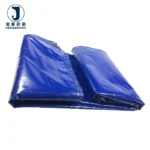
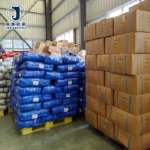
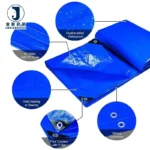
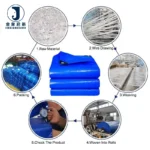
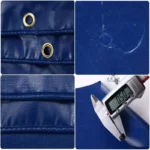
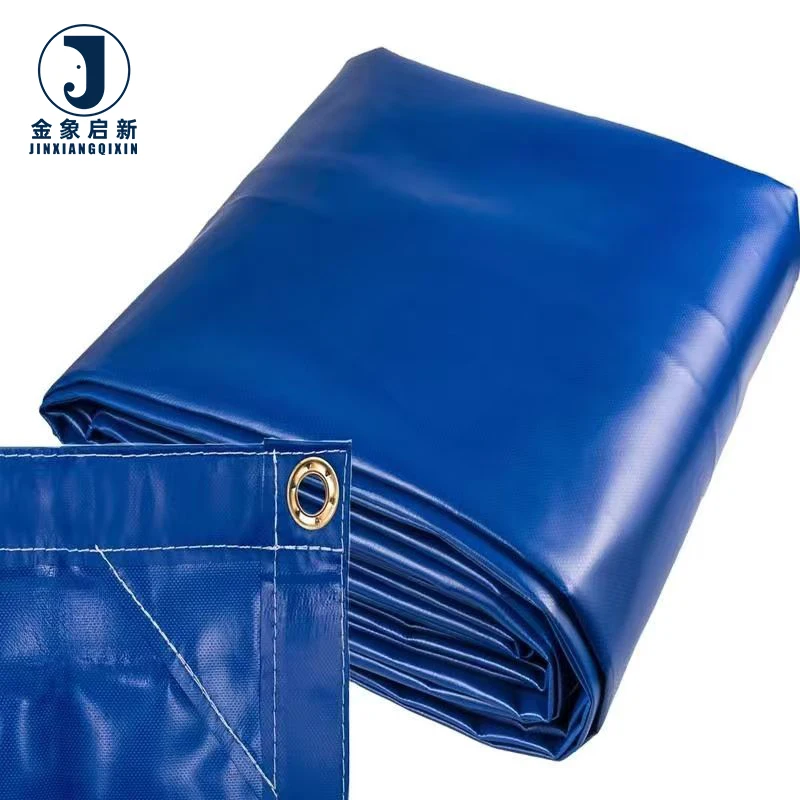
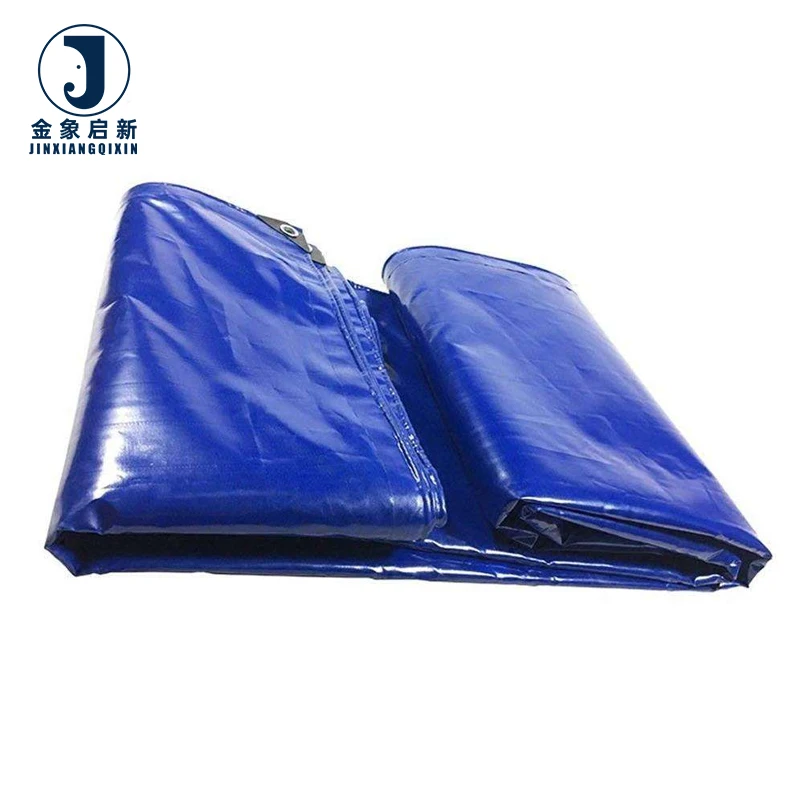
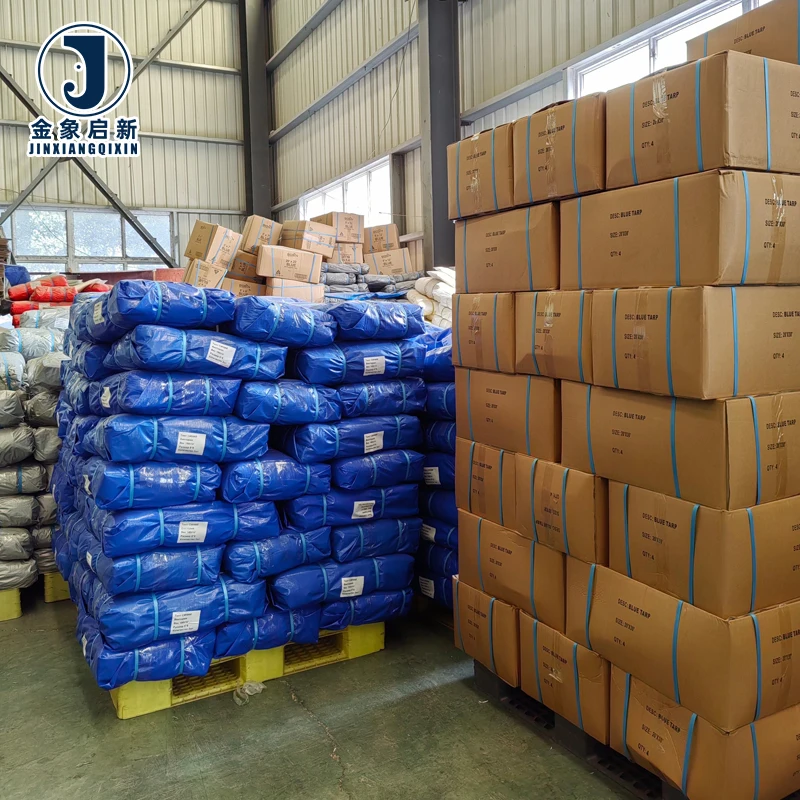
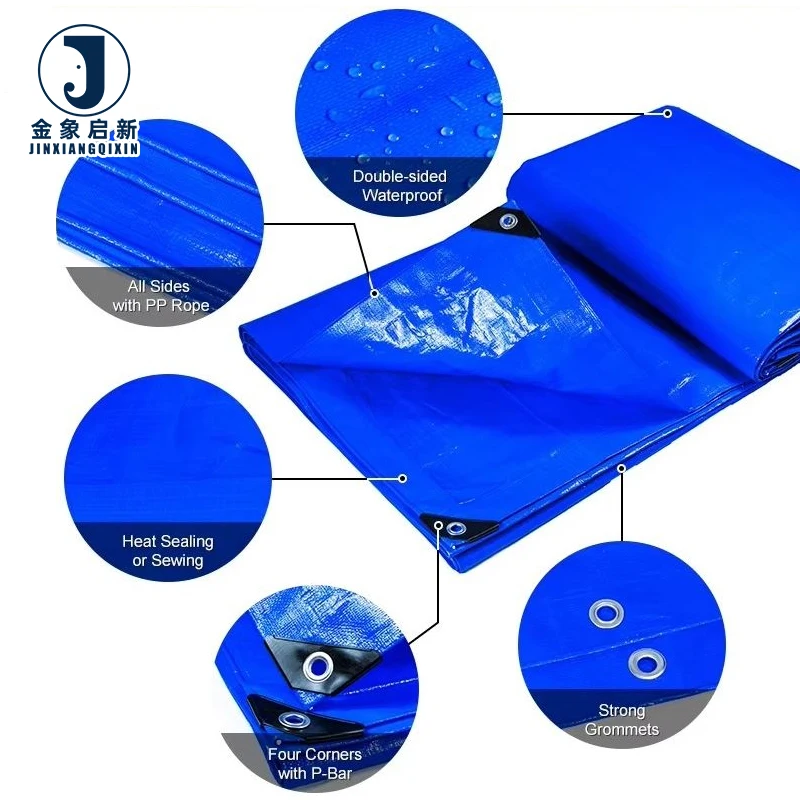
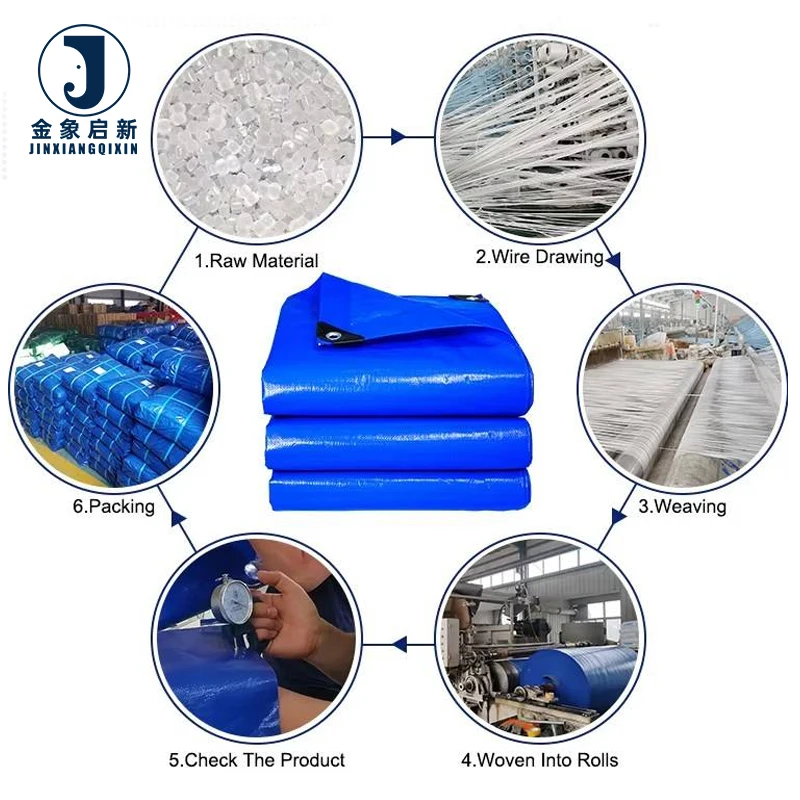
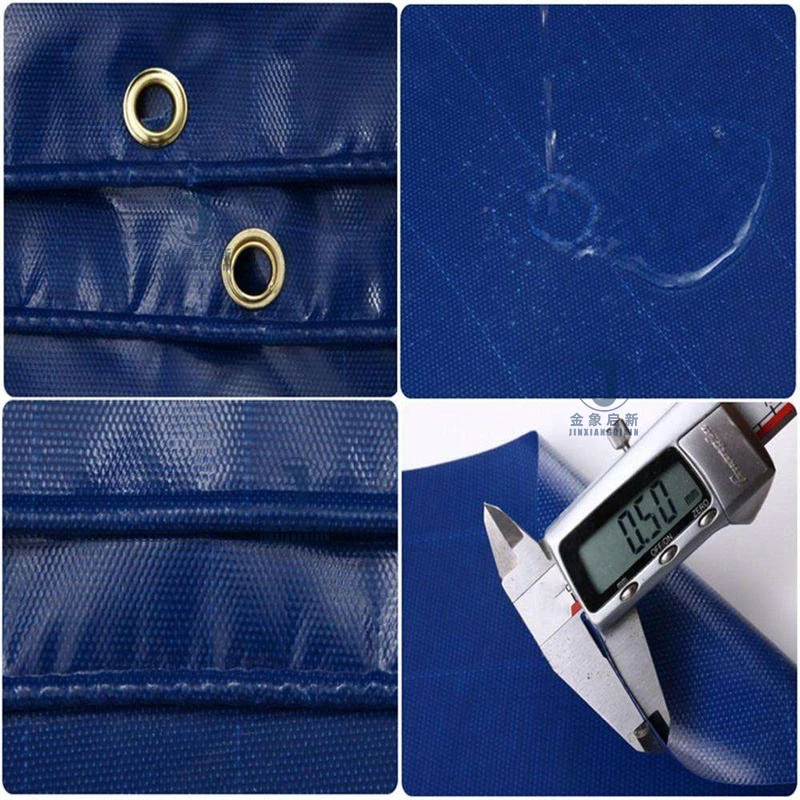
Coating Process Control — nearly 30 years focused on PVC coated and laminated fabric, with dedicated QA at every stage ensuring GSM, adhesion and treatment consistency across rolls destined for ventilation ducts and specialist structures.
Technical Specifications
| Parameter | Value |
|---|---|
| Product Type | PVC Coated Tarpaulin |
| Weight (GSM) | 250gsm-1500gsm (confirm the grade for your application) |
| Base Fabric Denier | 200DX300D, 500DX500D, 840DX840D, 1000DX1000D |
| Coating Material | PVC |
| Coating Method | Coated and laminated |
| Surface Finish | Available in glossy or matte finish |
| Width | Up to 3 meter |
| Cut Size Options | 3x4m, 6x8m, 8x10m, 10x12m or custom made |
| Temperature Range | -15°C to 70°C |
| Flame Retardant | Treated (grade not stated — confirm the grade required for your site) |
| UV Treatment | Treated (test basis not stated — request report for your compliance standard) |
| Anti-Fungal | Treated (standard not stated) |
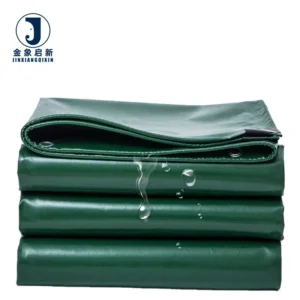
| Waterproof | Fully waterproof coated construction |
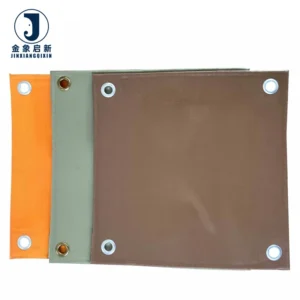
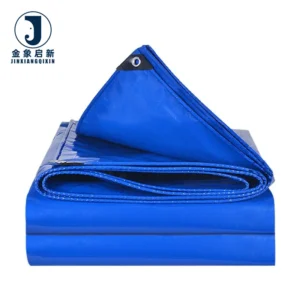
| Colour Options | Blue, yellow, black, green, white, and custom colours |
| Printing | Custom printing of brand accepted |
| OEM / ODM | Accepted |
| Standards | ISO and CE certified production |
Application Suitability
| Application | Exposure & Requirement |
|---|---|
| Mining and tunnelling ventilation duct | Continuous airflow, underground humidity, fire-retardant and anti-static compliance mandatory |
| Aviation ground support ducting | Fuel-rich tarmac environment, certified material specification, frequent handling and repositioning |
| Membrane and inflatable structures | Wind uplift load, UV exposure, heat-welded seam integrity under tension |
| Heavy-duty truck and train side curtain | Constant flexing, road abrasion, weather and UV exposure across long-haul routes |
| Temporary specialist buildings | Rapid deployment, weather resistance, structural load from wind and snow |
What "Certified" Means When the Test Report Does Not Match Your Site Standard
A ventilation duct installed underground without the correct fire-retardant classification is a compliance failure waiting to happen — the fabric must match the specific standard your site safety plan requires.
Mining and tunnelling contractors regularly receive duct fabric described as flame retardant without a test report tied to a recognised classification system. When the safety auditor asks for documentation aligned with the site’s fire safety standard, a generic claim is not enough. The PVC coated tarpaulin must be tested and documented against the exact grade specified in your project’s compliance framework [NEED_CITE: fire classification standards for underground ventilation materials].
Technical buyers in aviation and specialist construction face a similar gap: material arrives on site with a certificate that references a different standard or test method than the one written into the contract specification. The result is rejected delivery, project delay and a procurement team forced to source replacement fabric under pressure.
Matching Denier and Coating Weight to Ventilation and Structural Loads
Selecting the correct base fabric denier is the starting point for any technical fabric specification. A 200DX300D base suits lighter duct sections and temporary covers, while 1000DX1000D provides the tensile and tear reserves needed for long-run mining ventilation ducts and tensioned membrane structures. The PVC coated tarpaulin must carry a coating weight that fully encapsulates the yarn without adding unnecessary mass that increases handling difficulty on site.
Coating Adhesion and Heat-Welded Seam Integrity
For fabricated ducts and inflatable structures, the weld line is the most stressed point in the finished product. Coating and lamination must bond to the base fabric with sufficient peel strength so that the seam holds under flex load and internal air pressure. Glossy and matte finishes are available to suit different welding equipment and fabrication preferences. Consistent coating thickness across the roll width is essential — a thin spot at the selvedge will fail at the weld before the body of the fabric shows any sign of wear [NEED_CITE: peel strength and weld behaviour of PVC coated fabrics].
Reading the Specification Sheet Beyond GSM
Weight in GSM tells you how much material is present per square metre, but it does not describe how that weight is distributed between base fabric and coating. A 650 GSM fabric built on a high-denier base with a lean coating will behave very differently under tensile load than a 650 GSM fabric with a heavy coating on a lighter weave. The denier figures — 200DX300D through to 1000DX1000D — define the yarn thickness in the warp and weft, which directly governs tear propagation resistance. Coating method, whether knife-coated, calendered or laminated, determines how deeply the PVC penetrates the weave and therefore how well the layers resist delamination under repeated flex. Surface finish influences fabrication: glossy surfaces shed dirt and are easier to clean on site, while matte finishes reduce glare and can improve printing adhesion for branded duct sections. Temperature range from -15°C to 70°C defines the operational envelope — below the lower limit the coating stiffens and becomes vulnerable to impact damage, while sustained exposure near the upper limit can soften the PVC and reduce seam strength.
The Hidden Cost of Undocumented Treatment Grades
When flame-retardant treatment is claimed without a verifiable test report, the risk does not appear until the site inspector or safety auditor requests paperwork. By that point the duct or structure is already fabricated and installed, making replacement costly and disruptive. The same applies to UV treatment: without a documented test basis, there is no way to predict how the material will perform after extended outdoor exposure in high-radiation environments. Batch-to-batch colour variation across rolls compounds the problem on large membrane projects — panels installed side by side show visible shade differences that force the contractor to reorder and refit [NEED_CITE: colour consistency standards across production batches for coated fabric].
Why Source This PVC Coated Tarpaulin Here
Three full production lines and 36 sets of professional equipment provide the capacity to fulfil large-volume duct and membrane orders within typical multi-week lead times. A 10-person R&D team handles material selection, custom width development and sample preparation, supporting projects that require non-standard specifications. Dedicated QA and QC checkpoints at every production stage, with 100% inspection before shipment, catch GSM deviation and coating defects before the roll leaves the factory. Material specification sheets, test reports for UV and flame-retardant grades where applicable, and full customs documentation ship with every order. ISO and CE certified production underpins the quality management system across all coated and laminated fabric output.
Documentation & Verification
- Material specification sheet stating GSM, base fabric denier, coating type and colour reference for each roll
- Test reports for UV and flame-retardant grades matched to your site compliance standard where applicable
- Pre-shipment inspection record confirming weight and visual check before dispatch
- ISO and CE certificates included with shipment documentation package
- Certificate of origin and customs support documentation for international freight clearance
- Roll packing list with batch number traceability for large specialist projects
Fabrication, Handling & Storage
- Heat-weld seams at temperatures suited to the coating method and GSM grade to ensure full fusion without burning through the PVC layer
- Store rolls upright on a flat surface to prevent permanent creasing in the coated surface, especially in heavier grades above 840DX840D
- Allow cold-stored rolls to acclimatise to workshop temperature before unrolling to avoid coating stiffness and cracking at the fold
- Use compatible PVC-based adhesives for field repairs on duct sections, matching the coating chemistry for proper bonding
- Cut panels with allowance for weld seam overlap to maintain dimensional accuracy in fabricated membrane and inflatable structures
- Clean glossy-finish surfaces with mild detergent only — solvent-based cleaners can degrade the plasticiser in the PVC coating
Project Specification and Enquiry Guidance
Provide your application scenario, including whether the fabric will be used for ventilation ducting, membrane structures or specialist covers, along with the exposure conditions expected on site. Specify the fire-retardant or anti-static classification required by your project safety plan so that the correct treatment grade and matching test report can be prepared. Indicate preferred width, colour and whether you require roll stock or finished cut-to-size panels with welding and fabrication.
Frequently Asked Questions
Q: Can you supply fire-retardant and anti-static certified fabric for underground mining ventilation?
A: We supply PVC coated tarpaulin treated to flame-retardant and anti-static grades used in mining and tunnelling applications. The specific classification required depends on your site safety standard. Provide your project specification and we will confirm the matching treatment grade, supply the relevant test report and include it with your shipment documentation.
Q: How do you verify GSM and coating weight match the quotation on arrival?
A: Every roll undergoes a weight check during our pre-shipment inspection, recorded against the stated GSM on the material specification sheet. The inspection record ships with your order so you can cross-reference the documented weight with the physical roll on receipt. Any deviation is flagged and resolved before dispatch.
Q: What test reports are included with flame-retardant grades?
A: Test reports are provided for the specific flame-retardant grade applied to your order, referencing the test method and classification result. We align the report to the compliance standard named in your project specification. Request the report format during the quotation stage so it matches your site auditor’s requirements.
Q: Can you develop custom width and colour for membrane and inflatable structures?
A: Yes. Our R&D team develops custom widths, colours and surface finishes for membrane and inflatable structure projects. Samples are prepared within days for your approval before production begins. Batch colour consistency is controlled across rolls within the same order to avoid visible shade variation once panels are installed side by side.
Q: What documentation ships with each order for site compliance?
A: Each shipment includes a material specification sheet, test reports where applicable, a pre-shipment inspection record, ISO and CE certificates, a roll packing list with batch traceability, and a certificate of origin. Additional customs documentation is prepared to support your import clearance process.