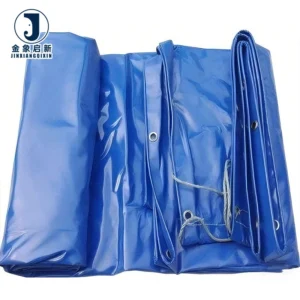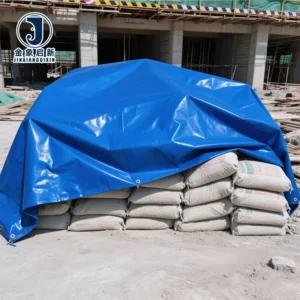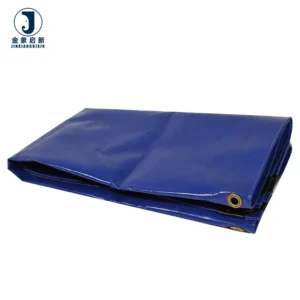
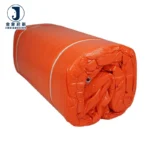
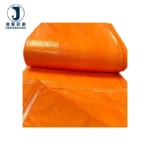
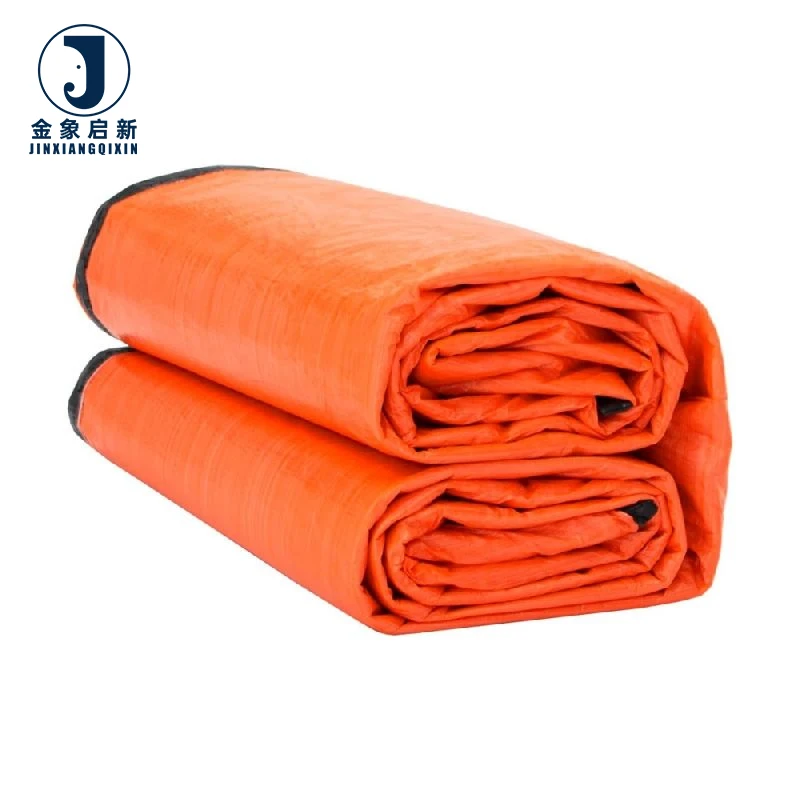
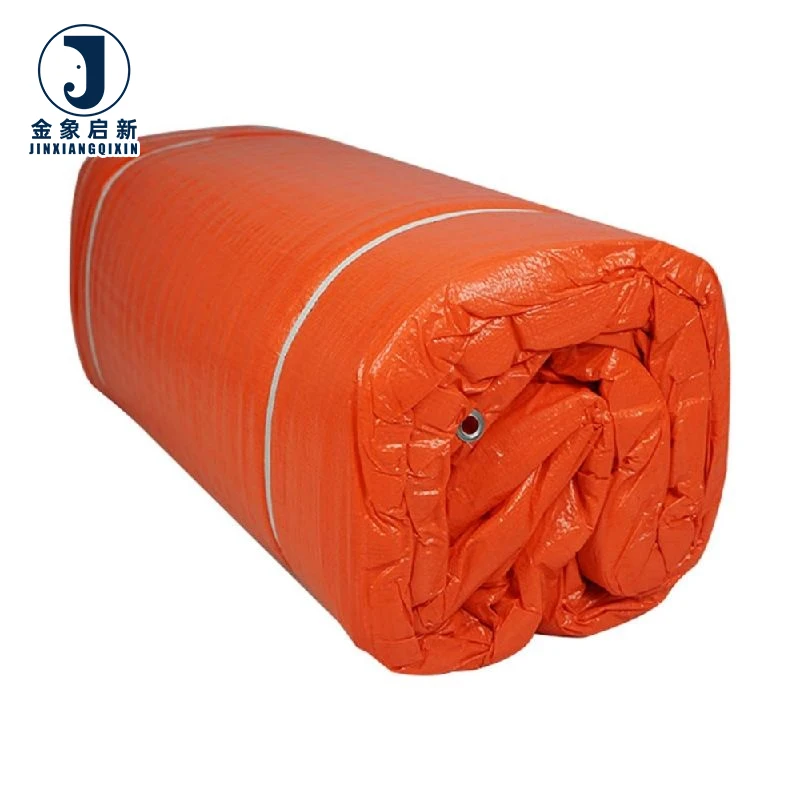
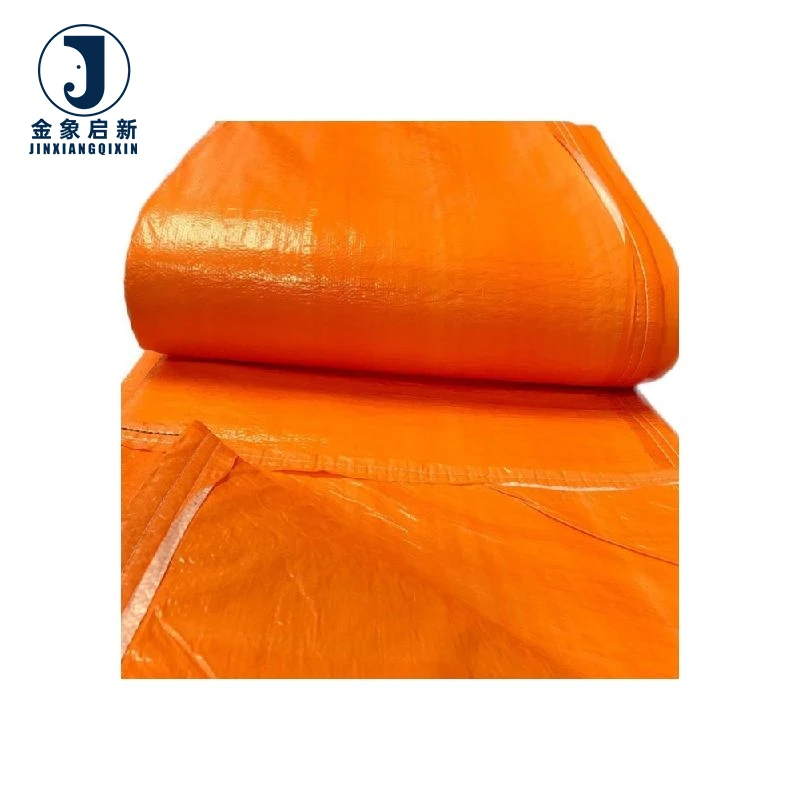
Thermal Integrity Under Load — every insulated panel is inspected layer by layer against the stated thickness and foam density before it leaves the factory, ensuring the blanket you install holds the same R-value the engineer specified.
Technical Specifications
| Parameter | Value |
|---|---|
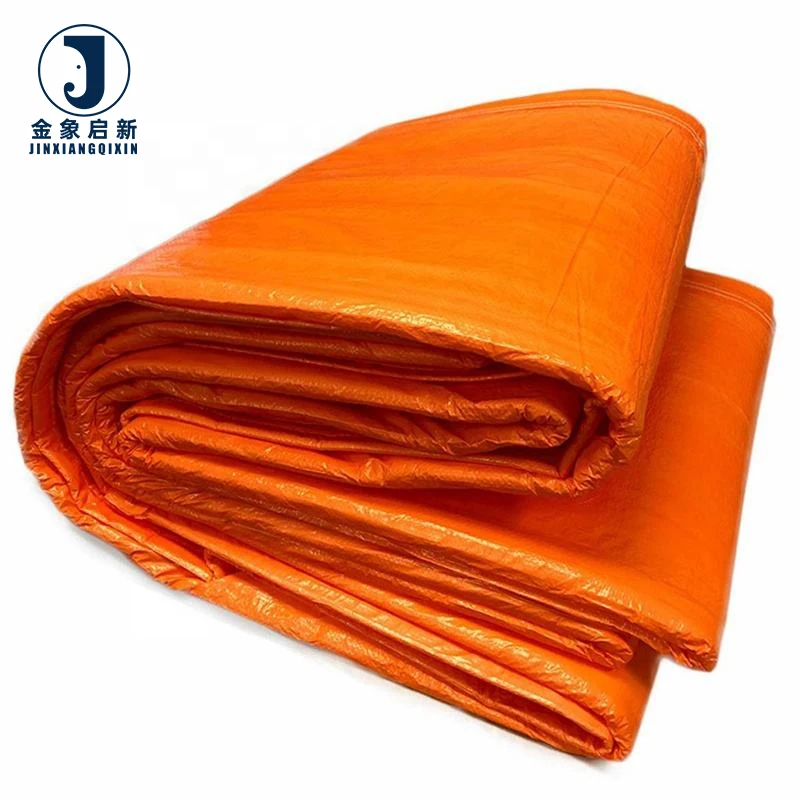
| Product Type | Insulated PE Tarpaulin / Concrete Curing Blanket |
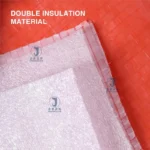
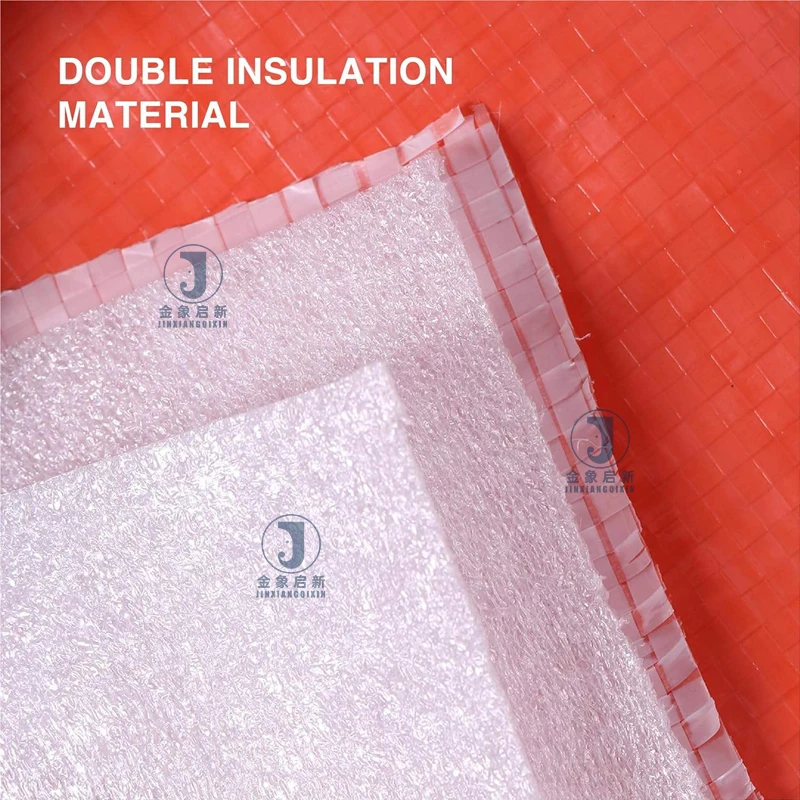
| Structure | PE cloth + closed cell PE foam core + PE cloth |
| Total Thickness Options | 2x2mm, 3×1.5mm, 1x4mm, 5mm, 6mm, 8mm, 12mm |
| Available Sizes | 6ft x 24ft, 8ft x 25ft, 12ft x 20ft, 12ft x 24ft |
| Color Options | Orange, Black, White, Silver, Customized color |
| Grommet Configuration | Aluminum grommets, hole distance 61cm and 91.5cm |
| Edge Finish | Reinforcement stitch, rust-proof brass grommets around all finished stitched edges |
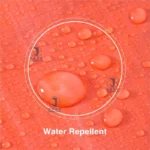
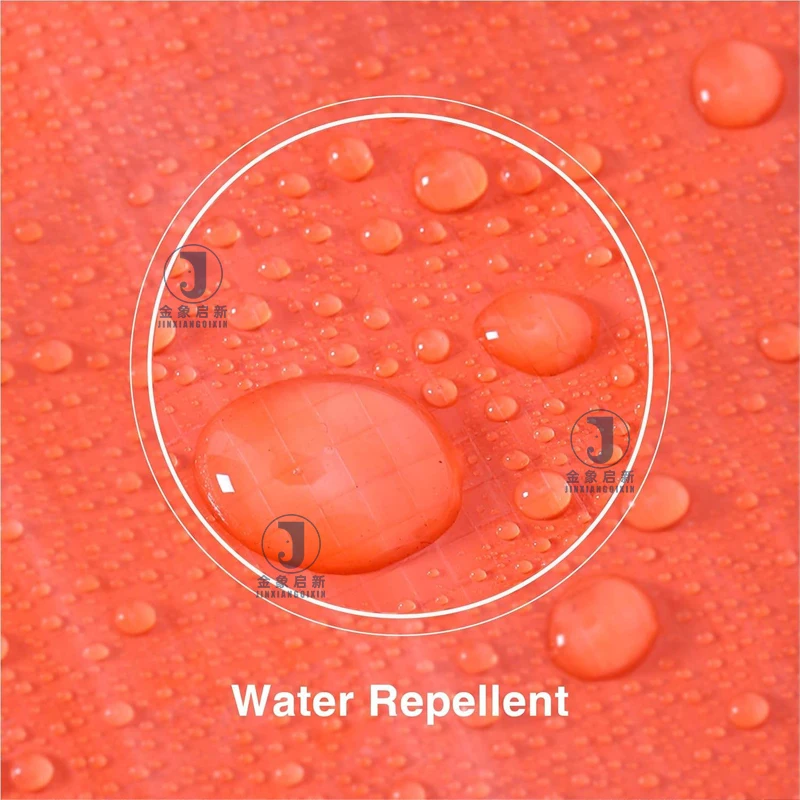
| Surface Property | Waterproof PE fabric on both sides |
| UV Treatment | UV treatment built into base fabric (test basis not stated — confirm report) |
| Insulation Core | Closed cell PE foam for thermal retention |
| Mildew Resistance | Resistant to mildew (test basis not stated — confirm report) |
| Temperature Performance | Designed for low temperature conditions (specific range not stated — confirm rating) |
| Wind Resistance | Designed to withstand medium to high winds (grade not stated — confirm rating) |
| Standards | ISO and CE (verify applicability to selected thickness grade) |
Application Suitability
| Application | Exposure & Requirement |
|---|---|
| Concrete curing blanket | Direct ground contact, moisture exposure, sustained heat retention over pour slab |
| Heated enclosure insulation | Continuous temperature differential, internal heater proximity, vertical or draped hanging |
| Vertical wind block | Wind load on large surface area, grommet pull-out stress, UV exposure over weeks |
| Building enclosure in cold weather | Snow and rain contact, repeated install and removal cycles, abrasion at frame contact points |
| Outdoor equipment protection | Standing water, freeze-thaw cycles, puncture risk from sharp edges |
Why Insulation Thickness Matters More Than Tarp Weight on a Cold Pour
A heavier tarp does not cure concrete faster — a thicker closed-cell foam core does.
When contractors select an Insulated PE Tarpaulin for Construction Cold Weather protection based on overall weight alone, they often receive a product that is heavy in the outer fabric layers but thin in the foam core where the thermal resistance actually lives. I have seen curing blankets arrive on site feeling substantial in hand, yet the foam layer compresses to near-zero under the weight of a boot, leaving a thermal bridge directly over the slab edge [NEED_CITE: thermal bridging in insulated blankets under point load]. The rework cost of a failed cure — jackhammering, re-pouring, schedule delay — dwarfs the price difference between thickness grades.
Layered Construction That Traps Heat Where It Counts
The three-layer build — PE cloth, closed cell PE foam core, PE cloth — creates a sealed insulation envelope. Closed cell foam resists moisture absorption, so the thermal performance does not degrade when the blanket sits on wet concrete or gets rained on during a multi-day cure. The waterproof outer layers prevent water ingress that would otherwise collapse the foam cells and eliminate the air pockets responsible for heat retention.
Grommet Spacing and Edge Reinforcement for Wind-Loaded Hanging
When this Insulated PE Tarpaulin for Construction Cold Weather is hung vertically as a wind block or enclosure wall, the grommets carry the entire wind load. Rust-proof brass grommets set at 61cm or 91.5cm intervals along reinforced stitched edges distribute that load across a wider fabric area [NEED_CITE: grommet pull-out force testing per ASTM D4833 for coated fabrics]. The reinforcement stitch prevents the edge from tearing between grommet points under sustained gust loading, a failure mode common in single-layer PE film enclosures.
Reading the Thickness Options for Your Climate
The available thickness range — from 1x4mm up to 12mm — maps directly to insulation demand. Thinner grades like 2x2mm or 3×1.5mm suit mild cold snaps or short-duration curing where ambient temperature stays near freezing. The 8mm and 12mm grades address sub-zero conditions or extended enclosure periods where internal heaters must maintain a target temperature against a large differential. Selecting the right thickness avoids both under-insulation, which risks cure failure, and over-insulation, which adds unnecessary weight and handling difficulty on site.
The Hidden Cost of Ordering Insulation by Tarp Weight
Choosing an insulated blanket based on fabric weight instead of core thickness leads to predictable field failures. A blanket with heavy outer PE cloth but a 2mm foam core will feel robust during handling yet provide minimal thermal resistance once laid over a curing slab. Contractors then double-layer or supplement with auxiliary heaters, burning fuel and labor budget on a problem the correct thickness grade would have solved from the start [NEED_CITE: concrete curing temperature requirements per ACI 306 cold weather guidelines]. Batch inconsistency in foam density across a single order compounds the issue — some panels perform while adjacent panels leak heat, creating uneven cure strength across the slab.
What Makes This Insulated PE Tarpaulin for Construction Cold Weather Procurement Reliable
Three full production lines and 36 sets of professional equipment mean thickness variants and custom sizes run on dedicated capacity rather than competing with standard tarpaulin orders for line time. The 10-person R&D team develops sample panels in your specified thickness, color, and grommet spacing before production begins, so you approve a physical representation of what arrives on site. Dedicated QA/QC at every production stage includes foam core thickness verification and edge reinforcement inspection, with 100% pre-shipment inspection recorded before dispatch. Custom widths, lengths, and colors carry practical minimums and lead times communicated at the quotation stage, not discovered after the order is placed.
Documentation & Verification
- Material specification sheet stating exact foam core thickness and density for your selected grade
- UV treatment test report confirming base fabric resistance for extended outdoor curing exposure
- Pre-shipment inspection record covering waterproof integrity, edge stitch quality, and grommet spacing
- Certificate of origin and customs documentation for cross-border construction material import
- Roll and panel packing list matching delivered sizes and quantities against your purchase order
Fabrication, Handling & Storage
- Store panels flat or on wide-diameter cores to prevent permanent compression of the closed cell PE foam core
- Use compatible PE weld tape for field repairs — the PE cloth outer layers accept heat welding without delamination
- Avoid dragging panels over sharp aggregate; the waterproof PE surface resists water but punctures compromise the foam seal
- Clean with mild detergent only; solvent-based cleaners may degrade the UV treatment built into the base fabric
- When folding for transport, vary fold lines between uses to prevent repeated creasing at the same foam cell location
Specifying Your Insulated Blanket Order
Provide the target ambient temperature range and the concrete cure duration so the correct thickness grade can be recommended. Confirm whether panels will be laid flat as curing blankets or hung vertically as enclosure walls, as this determines grommet spacing and edge reinforcement requirements. Indicate the total coverage area and whether standard sizes or custom dimensions deliver better utilization on your slab layout.
Frequently Asked Questions
Q: How do I verify the actual foam core thickness matches the quotation when the blanket arrives?
A: Request the pre-shipment inspection record that documents measured foam core thickness per panel. On site, you can cross-check by cutting a small cross-section from a sacrificial edge and measuring the closed cell PE foam layer with calipers against the stated value on the material specification sheet.
Q: Which thickness should I use for concrete curing versus a heated enclosure wall?
A: Flat-laid curing blankets in mild conditions often work with 4mm to 6mm grades, while vertical enclosure walls facing sustained wind and larger temperature differentials typically need 8mm or 12mm. Share your ambient temperature range and cure duration so the appropriate grade is recommended.
Q: Can these insulated panels be hung vertically as wind blocks without sagging?
A: The reinforced stitched edges with brass grommets at 61cm or 91.5cm spacing support vertical hanging when tied to a rigid frame. Thicker grades like 8mm and 12mm are heavier and may require closer tie-down spacing to prevent mid-panel deflection under sustained wind load.
Q: Are custom sizes available beyond the four standard dimensions listed?
A: Custom widths and lengths are produced with confirmed minimums and lead times at quotation. Providing your exact slab dimensions or enclosure frame measurements allows the R&D team to recommend panel sizes that minimize on-site overlap and material waste.
Q: How is the foam core bonded to the outer PE fabric layers?
A: The closed cell PE foam core is laminated between two PE cloth layers during production. Request the material specification sheet for the bonding method used on your selected thickness grade, and verify edge adhesion during your receiving inspection by checking for delamination at cut edges.