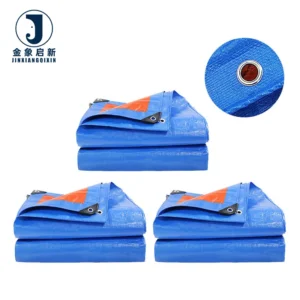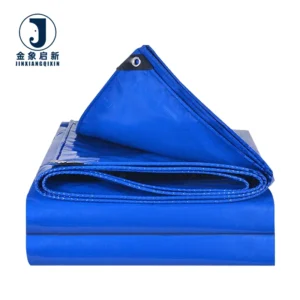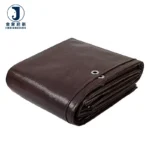
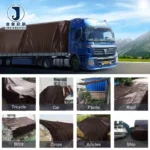
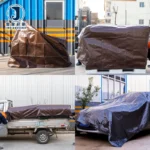


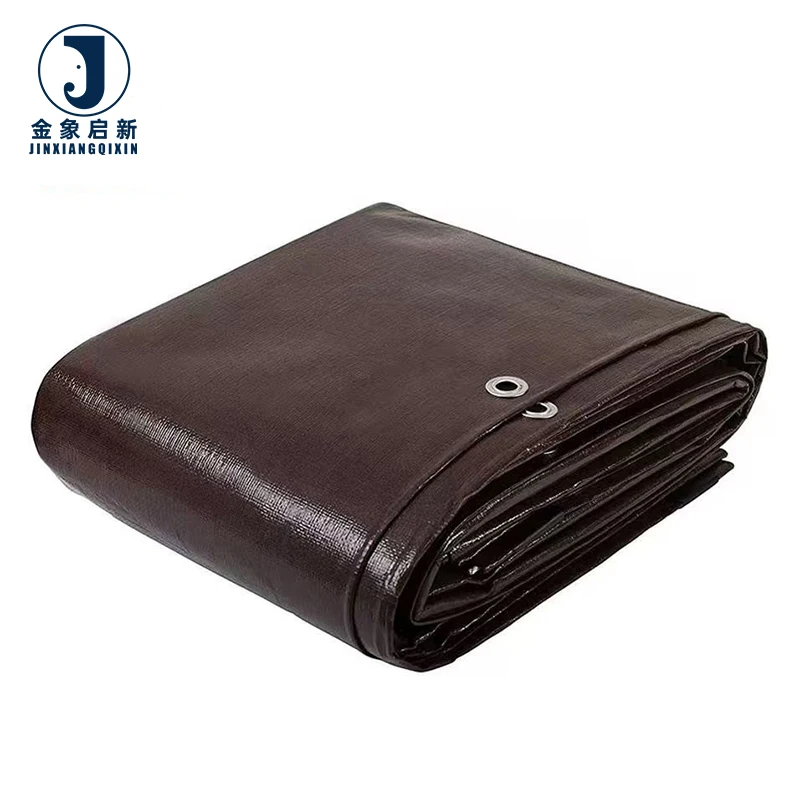
Precision-Coated PE Fabric — three full production lines and 36 sets of professional equipment ensure every roll meets the specified GSM, mesh count, and treatment grade for ventilation and specialist covering applications.
Technical Specifications
| Parameter | Value |
|---|---|
| Product Type | PE Tarpaulin |
| Material | Polyethylene (PE), Woven |
| Weight (GSM) | 80–110 (lightweight) / 120–150 (medium) / 160–240 (heavy-duty) |
| Total Thickness | 0.18–0.22 mm / 0.22–0.28 mm / 0.30–0.35 mm |
| Mesh Count | 8×8 / 10×10 / 12×12 |
| Tensile Strength (Meridian) | 300–500 / 500–800 / 900–1200 N/5cm (test standard not stated in source) |
| Tensile Strength (Latitude) | 250–450 / 400–700 / 700–1000 N/5cm (test standard not stated in source) |
| Size | Custom size |
| Color | Custom color |
| Surface Treatment | UV treatment available (test basis not stated in source) |
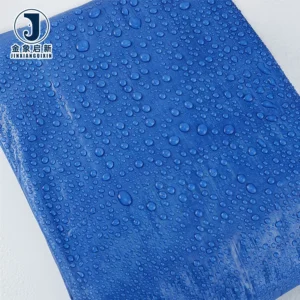
| Waterproof | Double waterproof surfaces |
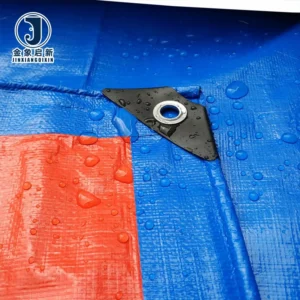
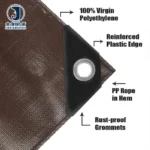
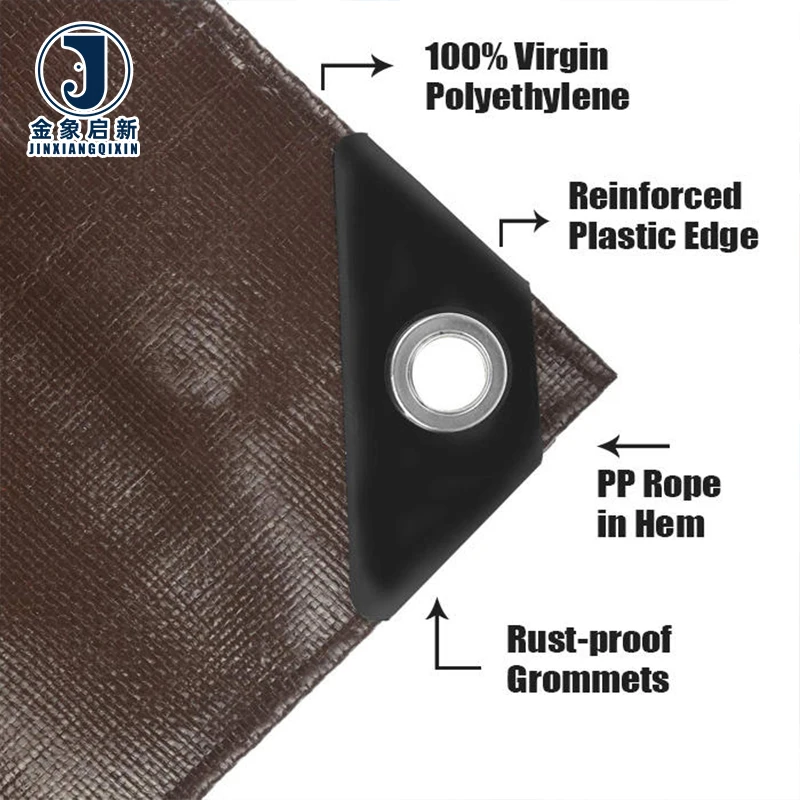
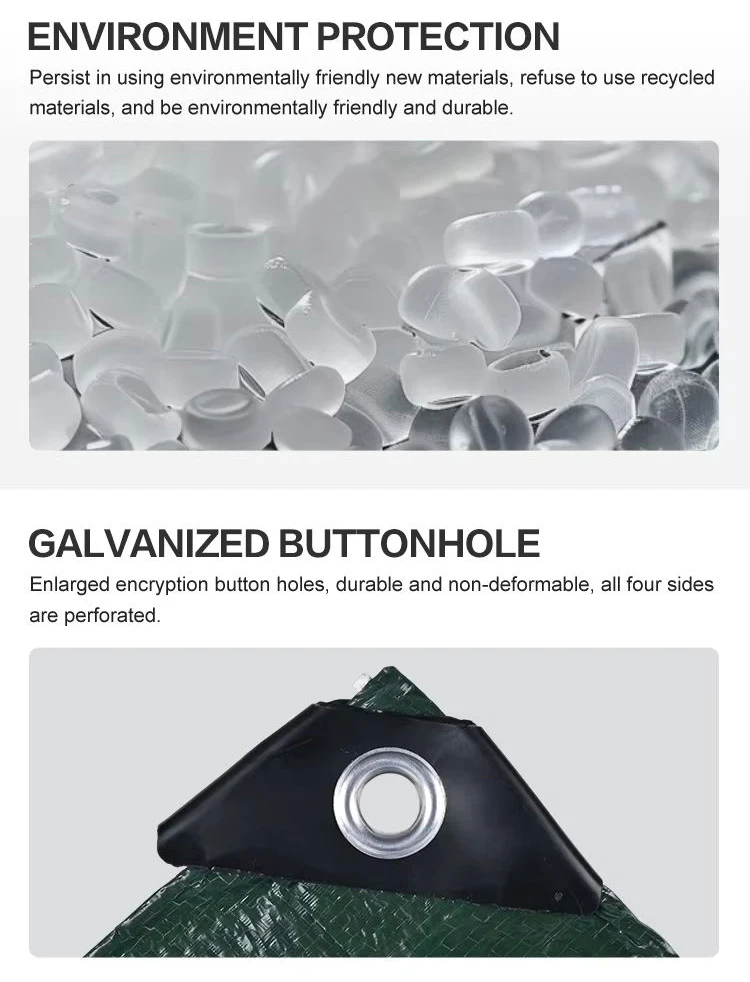
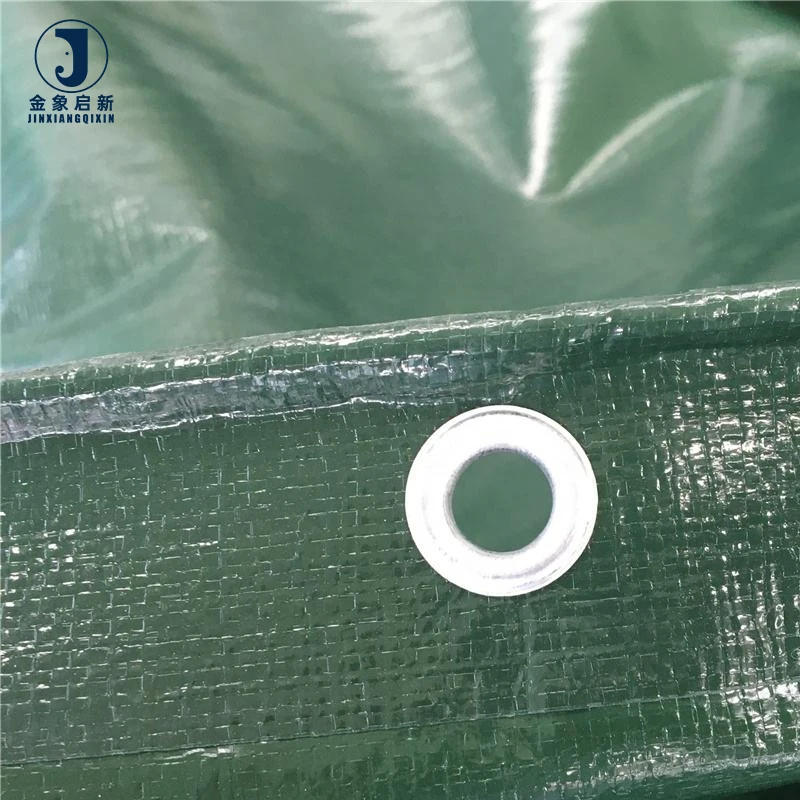
| Reinforcement | Reinforced corner |
| Center To Center Spacing | 39.4 Inches |
| Fire Retardant | Available in flame retardant grades — confirm the grade required for your market |
| Anti-Static | Available in anti-static grades — confirm the grade required for your market |
| Certification | ISO, CE |
Application Suitability
| Application | Exposure & Requirement |
|---|---|
| Mining and tunnelling equipment covers | Continuous dust, rock debris impact, moisture ingress, fire-retardant compliance on active sites |
| Aviation ground support covers | Fuel splash, hydraulic fluid contact, UV exposure on tarmac, anti-static requirement near avionics |
| Temporary construction enclosure | Wind load, rain penetration, scaffolding abrasion, site safety colour coding |
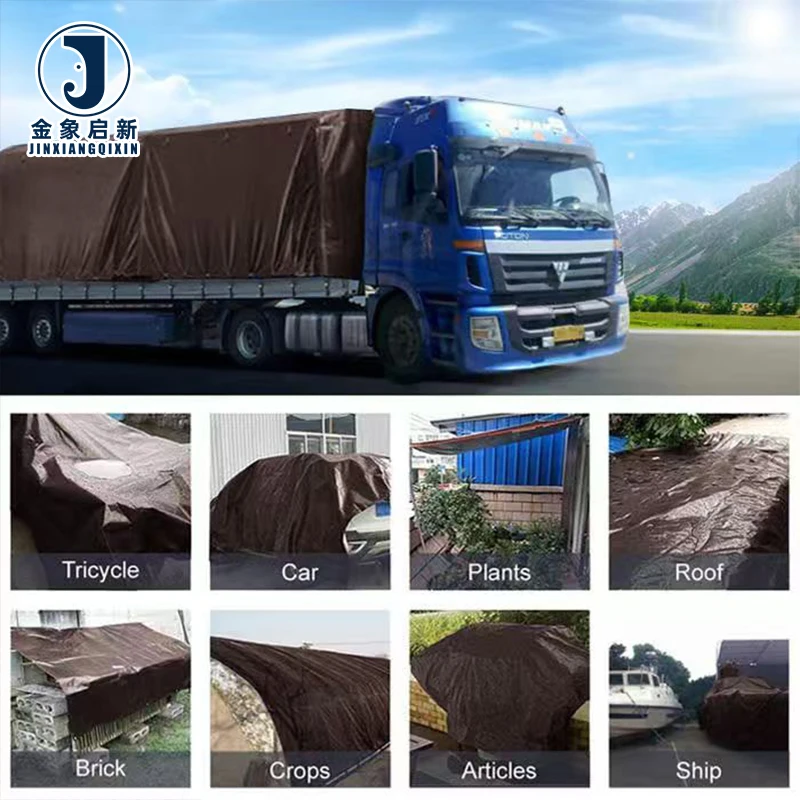
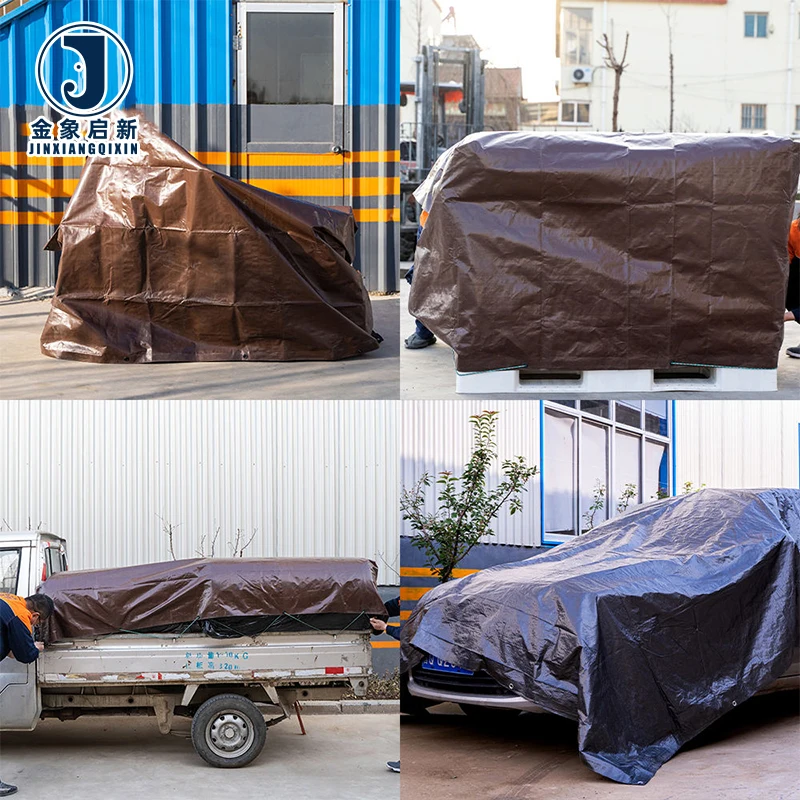
| Transport and logistics load covers | Road vibration, tie-down friction, weather exposure during transit, repeated folding |
| Membrane and inflatable structure skin | Tensile load from internal pressure, UV degradation, welded seam integrity at stress points |
When a "Fire-Retardant" PE Tarpaulin Fails the Site Inspection
The fabric arrives labelled fire-retardant, but the site safety officer asks for the test certificate — and none is provided.
On mining, tunnelling and aviation projects, fire-retardant PE tarpaulin is not a marketing claim; it is a contractual and regulatory requirement. We have supplied fabric where the buyer ordered "FR treated" without specifying the standard, only to discover the site required NFPA 701 or a local mining code that the supplied grade did not satisfy. [NEED_CITE: fire-retardant test standards applicable to temporary covers on mining and construction sites] The result is rejected material, project delay, and a replacement order under time pressure. The same pattern applies to anti-static requirements in aviation or fuel-handling areas, where the absence of a verified test report can halt installation entirely. Always confirm the exact standard your site demands before placing the order.
Fire-Retardant and Anti-Static Compliance on Specialist Sites
When specifying PE tarpaulin for mining ventilation curtains, tunnelling enclosures or aviation ground covers, the fire-retardant grade must match the regulatory framework of the project. Different jurisdictions recognise different test methods, and a grade accepted in one market may not satisfy another. We supply PE tarpaulin in flame-retardant grades and provide the corresponding test documentation — but the correct grade must be identified during the inquiry stage, not after the material arrives on site.
Anti-Static Requirements in Sensitive Environments
Aviation maintenance areas, fuel storage zones and certain mining environments require anti-static PE tarpaulin to prevent charge accumulation. [NEED_CITE: anti-static test methods and thresholds for fabric used in aviation and mining environments] The base polyethylene material is inherently insulating, so anti-static behaviour depends on the specific additive or surface treatment applied during production. We recommend requesting the anti-static test report alongside the material specification sheet to confirm the treatment level matches your site’s electrical safety protocol.
How Mesh Count and GSM Interact in Woven PE
The mesh count — 8×8, 10×10 or 12×12 — defines how many warp and weft threads cross per unit area. A higher mesh count with the same GSM means thinner individual threads and a tighter weave, which improves puncture resistance but can reduce tear propagation strength. Conversely, a lower mesh count at a heavier GSM uses thicker threads with more coating material, yielding higher tensile values and better abrasion resistance at flex points. Selecting the right combination depends on whether the primary load is static (covering stored equipment) or dynamic (truck side curtains or inflatable structures under pressure). The total thickness — ranging from 0.18 mm to 0.35 mm across the grade tiers — correlates with both coating weight and base fabric denier, and should be evaluated alongside tensile data rather than treated as a standalone indicator of strength.
The Cost of Specifying the Wrong Grade for the Site
Ordering a lightweight 80–110 GSM PE tarpaulin for a tunnelling equipment cover that experiences rock fall impact will lead to early puncture and replacement mid-project. Conversely, specifying a 160–240 GSM heavy-duty grade for a temporary agricultural cover that only needs basic weather protection inflates material cost and makes the fabric unnecessarily stiff to handle and fold. [NEED_CITE: common causes of premature tarpaulin failure in industrial and mining applications] Colour inconsistency between rolls on a single order becomes visible once the sheets are installed side by side on a large site enclosure, forcing selective replacement or accepting a patchwork appearance. Weld seam failure on inflatable or membrane structures typically originates at the point of maximum flex, where an incorrect heat-setting temperature during fabrication weakens the bond before the fabric itself reaches its tensile limit.
Why Technical Buyers Source PE Tarpaulin Through This Channel
Nearly three decades of coated fabric production give us process control over coating weight, adhesion and mesh consistency across every roll we produce. Our 10-person R&D team handles material selection, custom sizing and sample development, delivering samples within days for specialist applications such as ventilation ducts and membrane structures. Three full production lines and 36 sets of professional equipment support bulk volume with consistent on-time delivery for mining, tunnelling and aviation projects. Dedicated QA and QC at every production stage, with 100% inspection before shipment, catches GSM deviation, colour drift and coating defects before they reach the site. We ship with full documentation — material specification sheets, test reports, certificates of origin and pre-shipment inspection records — so that site acceptance proceeds without document-related delays.
Documentation & Verification
- Material specification sheet stating exact GSM, mesh count and coating weight for the PE tarpaulin grade ordered
- UV and flame-retardant test reports included where treatment is specified for the target market standard
- Pre-shipment inspection record with roll-to-roll GSM and colour consistency check
- ISO and CE certificates accompanying each dispatch for site compliance audits
- Roll packing list and certificate of origin for customs and receiving verification
Fabrication, Handling & Storage
- Heat-weld seams at manufacturer-recommended temperatures to preserve adhesion on double waterproof PE surfaces
- Reinforce corners and tie-down points with additional PE patches before installing heavy-duty 160–240 GSM grades under load
- Store rolls horizontally on pallets to prevent edge crushing that distorts the woven mesh structure
- Allow cold-stored rolls to reach ambient temperature before unfolding to avoid coating crack on lightweight 80–110 GSM grades
- Use mild detergent and soft brush for cleaning; avoid solvents that degrade the UV treatment layer
What We Need to Quote Your Project Accurately
To provide a precise specification and sample, share the application environment and any fire-retardant or anti-static standards your site requires. Confirm whether you need rolls for in-house fabrication or finished cut-to-size sheets with specific eyelet spacing and hem reinforcement. Let us know the required width, colour reference and estimated annual volume so we can align production scheduling and provide a realistic lead time.
Frequently Asked Questions
Q: How do you verify the GSM of PE tarpaulin matches the quoted grade on arrival?
A: We include a pre-shipment inspection record with every order that documents the measured GSM for each roll against the stated grade. On receipt, buyers can perform a simple cut-and-weigh check on a sample piece of known dimensions. Any deviation flagged during receiving can be cross-referenced against our inspection record for immediate resolution.
Q: What fire-retardant and anti-static certifications can you supply with PE tarpaulin?
A: We supply PE tarpaulin in flame-retardant and anti-static grades with the corresponding test reports. The specific standard — such as NFPA 701 or a mining authority code — must be confirmed during the inquiry so we produce and test to the correct requirement. Certificates ship with the documentation package.
Q: What is the UV treatment test basis and expected outdoor service life?
A: UV treatment is available for all PE tarpaulin grades, and we provide the test basis used to confirm the treatment level on request. Actual outdoor service life depends on geographic UV index, installation tension and exposure angle, so we recommend requesting the test data and discussing your specific site conditions during the sampling stage.
Q: Can you produce custom sizes with specific eyelet spacing for site covers?
A: Yes, our R&D team handles custom sizing, eyelet placement and reinforced hem configurations. Provide the finished dimensions, eyelet spacing and any corner reinforcement requirements, and we will produce a cutting sheet for approval before production begins. Samples are typically ready within days.
Q: How are rolls packed and loaded for bulk container orders?
A: Rolls are packed on pallets with protective wrapping to prevent edge damage during transit. We provide a roll packing list detailing roll count, dimensions and net weight for container loading calculations. The documentation package includes the certificate of origin and customs support documents.