
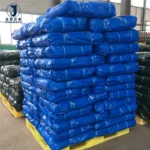
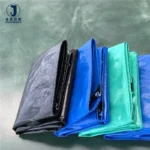
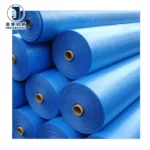

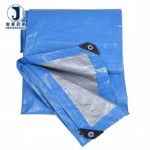

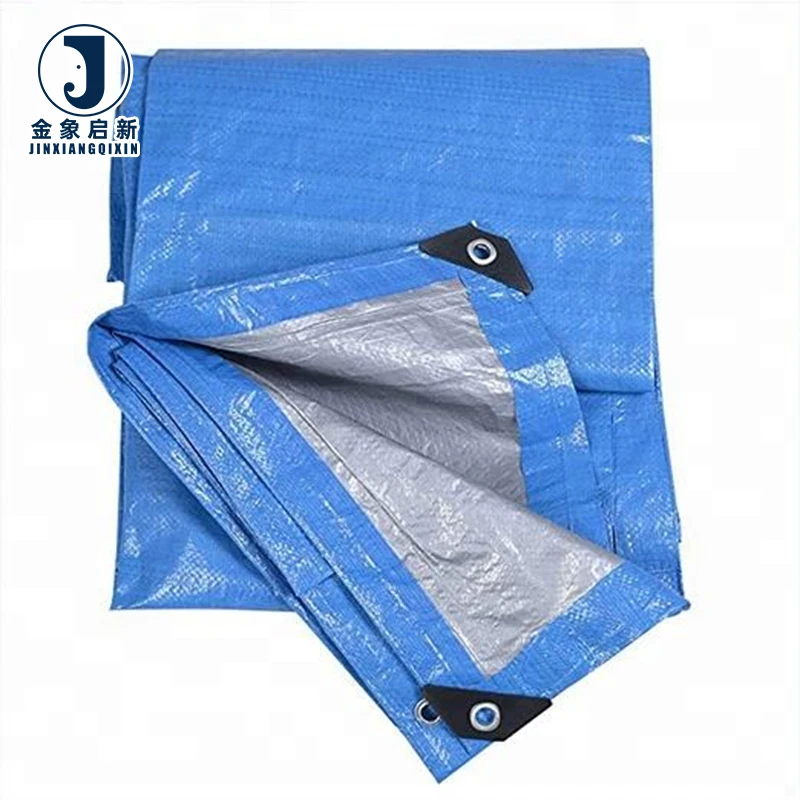
Verified Coating Control — PE tarpaulin supplied with measured GSM per roll and documented compliance paperwork, eliminating on-site guesswork for industrial contractors and ventilation specialists who cannot afford cover failure during critical project phases.
Technical Specifications
| Parameter | Value |
|---|---|
| Product Type | PE Tarpaulin |
| Material | Polyethylene |
| Weight (GSM) | 40g~500g/m2 (confirm the grade required for your application) |
| Thickness | 0.18-0.35 mm |
| Mesh Count | 5×5~20×20 (verify against selected grade) |
| Knitting Density | 8×8 / 10×10 / 12×12 |
| Tensile Strength | Meridian 300-1200 N/5cm / Latitude 250-1000 N/5cm (test basis not stated) |
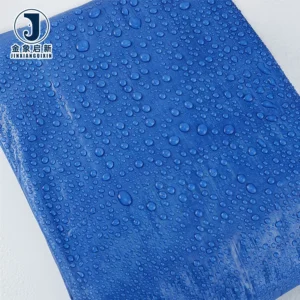
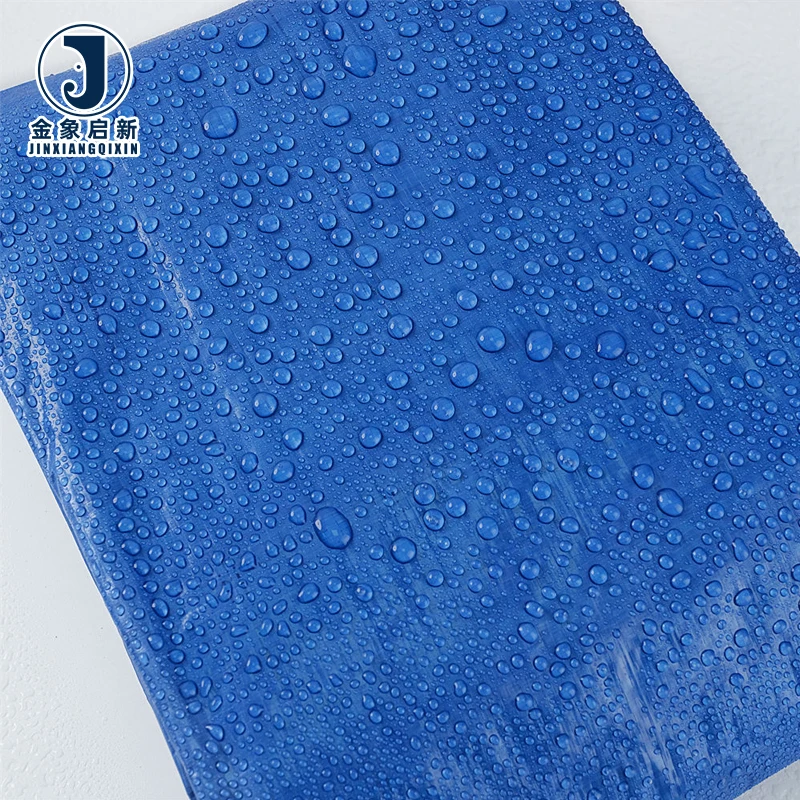
| Water Resistance | Double waterproof surfaces, tear-resistant |
| UV Treatment | Available (test basis not stated — request report) |
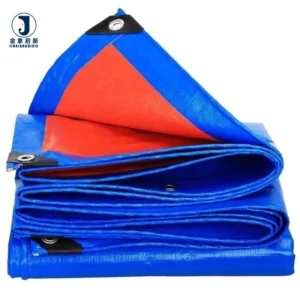
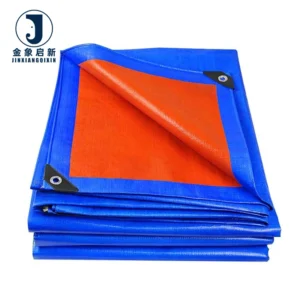
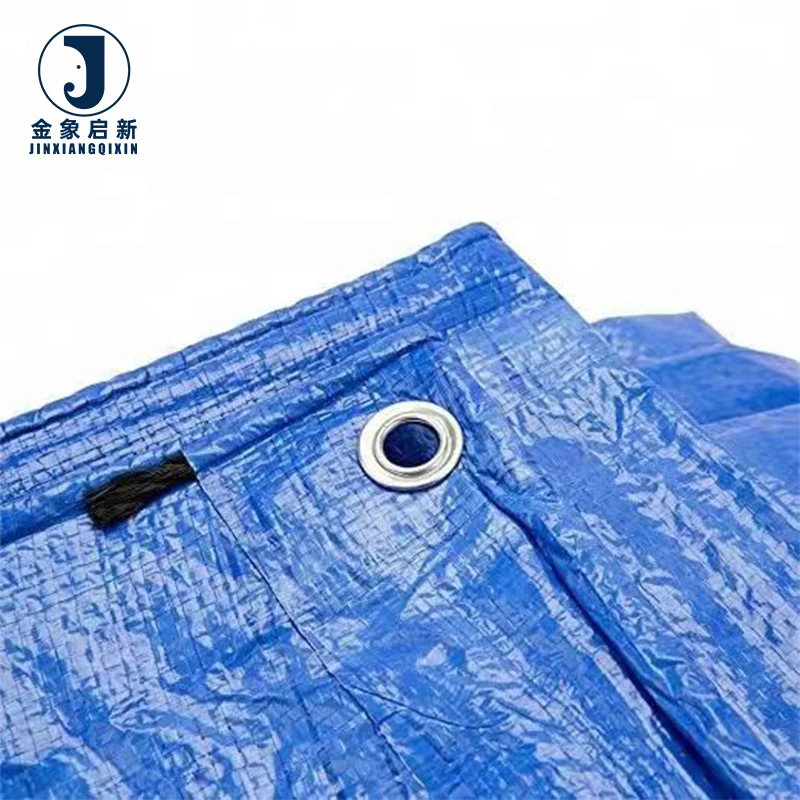
| Corner Reinforcement | Reinforced corner |
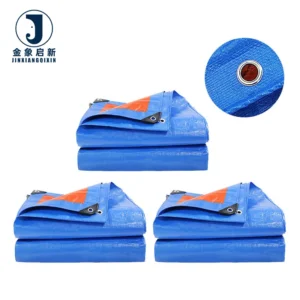
| Eyelet Spacing | 39.4 Inches |
| Size | Custom size |
| Color | Custom color |
| Certification | ISO, CE |
Application Suitability
| Application | Exposure & Requirement |
|---|---|
| Mining and tunnelling site covers | Continuous outdoor exposure, dust abrasion, equipment protection during ventilation system installation |
| Temporary material stockpile covers | Rain ingress prevention, wind uplift resistance, quick deployment over aggregate or chemical stores |
| Agricultural and aquaculture protection | UV exposure, moisture contact, pond and crop cover requiring verified weight grades |
| Construction equipment shrouds | Machinery protection during idle periods, site compliance documentation required at handover |
| Logistics and transport temporary covers | Short-haul weather protection, load securing with eyelet reinforcement at regular intervals |
What "Certified" Means When the Test Report Never Arrives
Every PE tarpaulin grade we ship leaves the facility with the documentation your site compliance officer actually requires — not a promise on a quotation.
Industrial contractors specify flame-retardant or anti-static treatment on paper, then discover at site inspection that the delivered rolls carry no supporting test data. The cover passes visual check but fails the safety audit, delaying project handover or forcing emergency replacement sourcing [NEED_CITE: site compliance documentation requirements for temporary industrial covers]. This pattern repeats across mining ventilation projects, tunnelling sites, and construction yards where PE tarpaulin fire retardant or anti-static claims must be backed by verifiable grade certification.
Compliance-Driven Material Selection for Technical Sites
Ventilation duct installations in mining and tunnelling environments demand surrounding covers that meet the same compliance threshold as the primary ductwork. PE tarpaulin specified for site equipment protection must align with the project’s overall fire safety documentation, particularly when installed near intake airways or electrical substations. Selecting the correct grade starts with confirming which certification standard your site engineer requires before placing the order.
Documentation Continuity from Inquiry to Site Delivery
The gap between quoted specification and delivered reality widens when documentation is treated as an afterthought. Our process ensures that material specification sheets, UV test reports where applicable, and pre-shipment inspection records travel with the consignment. For PE tarpaulin deployed in regulated industrial environments, this paperwork chain is as critical as the fabric itself [NEED_CITE: documentation standards for industrial protective covers in mining operations].
Reading Between the GSM Numbers
GSM alone does not predict field performance — mesh count and knitting density work together to determine how the fabric behaves under load. An 8×8 mesh at a given weight distributes stress differently than a 12×12 mesh, affecting tear propagation resistance at reinforced corners and eyelet points. The polyethylene base fabric’s denier and weave pattern govern how the coating adheres and whether the lamination survives repeated folding and deployment. Thickness readings between 0.18 mm and 0.35 mm reflect the combined effect of base fabric and coating layers; a thicker reading does not automatically mean higher tensile strength if the base mesh is loosely woven. Understanding these relationships prevents specifying a heavier grade when a denser weave at moderate weight would deliver better tear resistance for your particular application.
The Hidden Cost of Undocumented Specifications
When a PE tarpaulin arrives on site lighter than the quoted GSM, the consequences compound beyond simple material shortage. The cover may fail during the first storm season, exposing stored equipment to water damage and forcing unplanned procurement cycles. Batch colour inconsistency across rolls becomes visible once covers are installed side by side on adjacent stockpiles, triggering rejection during client walkthroughs [NEED_CITE: batch consistency failures in protective cover materials]. Reinforced corners that lack adequate lamination peel away from the base fabric at the first sustained wind load, converting a minor specification gap into a complete cover replacement.
Why Technical Buyers Source PE Tarpaulin Here
Our 10-person R&D team develops samples within days for custom sizing, colour, and treatment requirements, allowing you to verify material behaviour before committing to full production volume. Three full production lines and 36 sets of professional equipment maintain batch consistency across large orders, so roll-to-roll colour and weight remain uniform throughout the shipment. Dedicated QA and QC inspection at every production stage includes 100% pre-shipment verification against stated GSM and treatment grades. Nearly 30 years of focused coated fabric experience translates into process control over coating weight and adhesion that shows up in documented test results rather than marketing claims.
Documentation & Verification
- Material specification sheet stating GSM, base fabric type, and coating details per roll shipped
- UV test report provided for treated grades upon request with clear test basis identification
- Pre-shipment inspection record confirming roll-by-roll weight and dimension verification
- ISO and CE certificates included with customs support documentation for cross-border shipments
- Colour reference documented per order to enable batch consistency verification at receiving
Fabrication, Handling & Storage
- Heat welding parameters depend on the selected thickness between 0.18-0.35 mm; confirm temperature settings per grade
- Eyelet installation at 39.4-inch spacing requires reinforced corner patches to distribute tie-down loads evenly
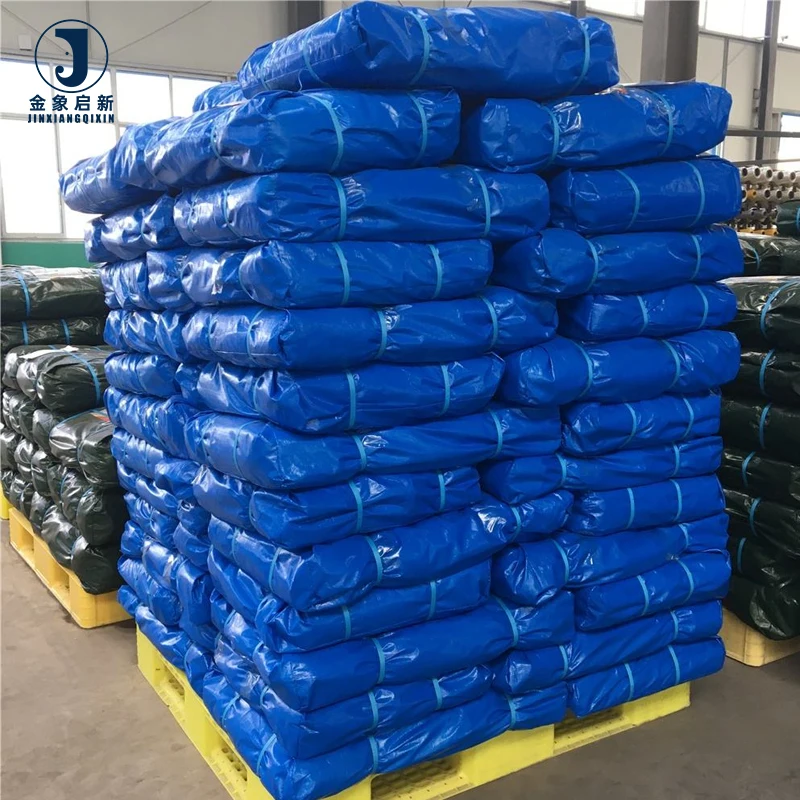
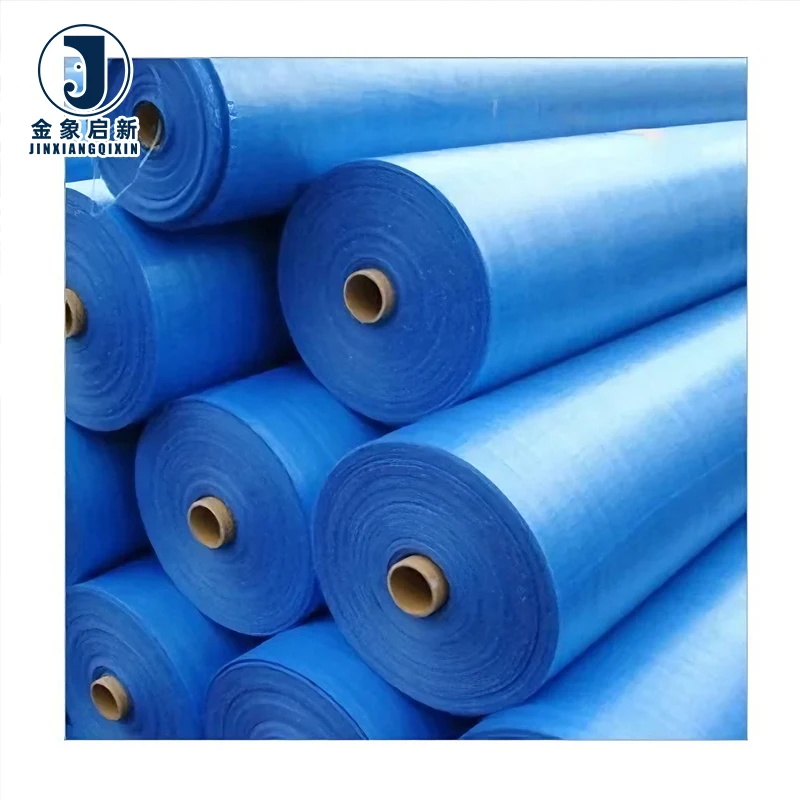
- Store rolls flat on pallets to prevent permanent creasing through the polyethylene coating layers
- Unfold covers gradually in cold conditions to avoid cracking the laminate at fold lines
- Clean with mild detergent only; solvents will degrade the double waterproof surface treatment
- Allow adequate overlap at seams when joining multiple sheets to maintain water runoff continuity
Specify Before You Order
Provide your application scenario including exposure conditions, required compliance standards, and whether the site demands fire-retardant or anti-static certification for PE tarpaulin covers. Confirm target dimensions, annual volume estimate, and whether you need finished cut sizes with eyelets or roll stock for on-site fabrication. Colour requirements and sample approval timelines help us align production scheduling with your project milestones.
Frequently Asked Questions
Q: How is actual GSM verified before PE tarpaulin shipment?
A: Every roll undergoes weight measurement during our 100% pre-shipment inspection process. The inspection record documents measured GSM against the quoted specification, and this report accompanies the shipment. If your project requires independent third-party verification, we can arrange sampling for external lab testing before dispatch.
Q: What UV test documentation is available for treated PE tarpaulin grades?
A: UV treatment is available across the weight range, and we provide test reports upon request. The specific test basis depends on the treatment grade selected for your application. We recommend confirming your site’s required UV exposure standard during the inquiry stage so the correct grade and corresponding documentation are prepared.
Q: Can fire-retardant or anti-static certification be supplied for PE tarpaulin?
A: Fire-retardant and anti-static certifications are more commonly associated with PVC-coated fabrics. For PE tarpaulin, we can discuss available treatment options and their corresponding test standards. Please specify your project’s compliance requirements early so we can confirm whether PE or an alternative material better suits your certification needs.
Q: How is colour consistency maintained across multiple rolls in one order?
A: Batch colour consistency is controlled through standardised pigment dosing and in-process inspection across our three production lines. Each order is referenced against a documented colour standard, and the pre-shipment inspection includes visual comparison between rolls. We recommend requesting a production sample for colour approval before full manufacturing begins.
Q: What is the process for custom sizing and reinforcement options?
A: Custom sizes are produced based on your dimensional drawings, with reinforced corners and eyelet spacing at 39.4 inches as standard. Our R&D team develops a sample within days for your approval. Once confirmed, production proceeds with in-process QA checks on seam integrity and reinforcement placement before final inspection and dispatch.