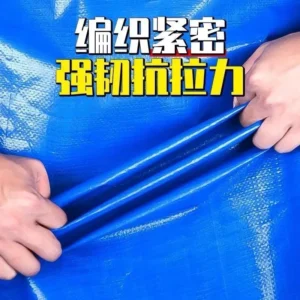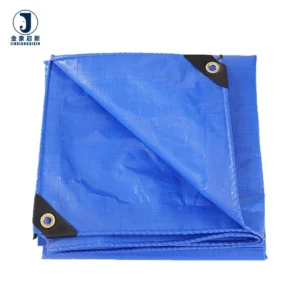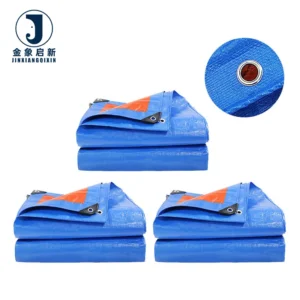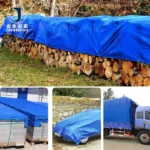
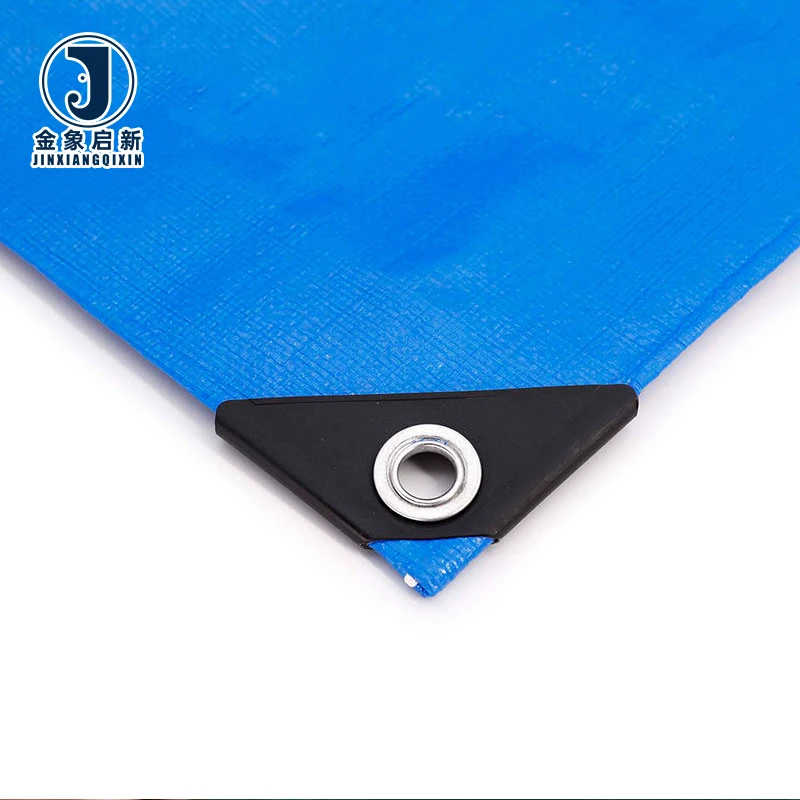
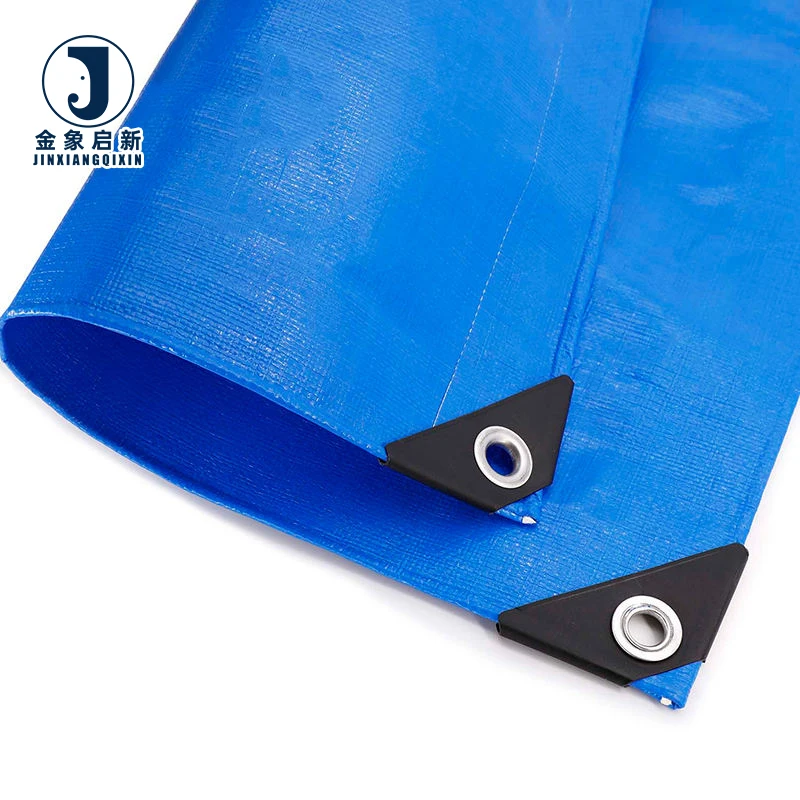
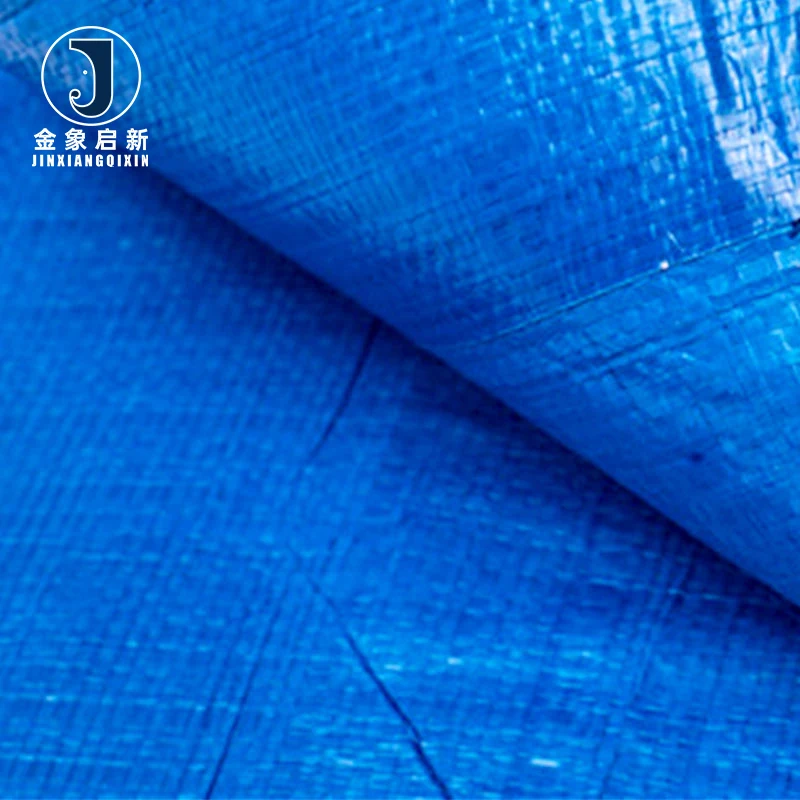
Deep Process Control — Nearly 30 years of focused lamination experience means every roll of Heavy Duty PE Tarpaulin is produced with verified coating weight and base fabric density, meeting the documentation standards specialist contractors require on site.
Technical Specifications
| Parameter | Value |
|---|---|
| Product Type | PE Tarpaulin Roll / Finished PE Tarpaulin |
| Base Fabric | HDPE woven |
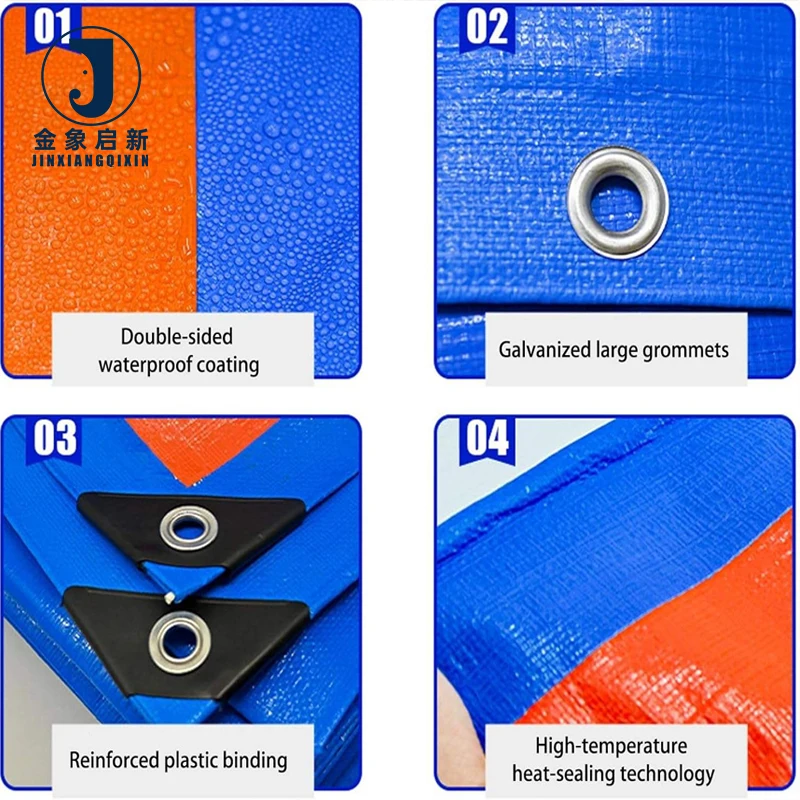
| Coating Material | LDPE lamination on both sides |
| Weight (GSM) | 50gr/m2 ~ 220gr/m2 available (confirm grade for specific application) |
| Total Thickness | 0.2-0.4mm / 8 mil-16 mil / Custom |
| Roll Width | 6ft, 8ft, 10ft, 12ft or 2m, 4m, 6m |
| Roll Length | 100 yards, 100 meters, or custom |
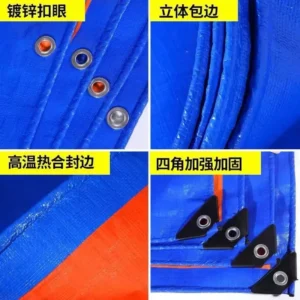
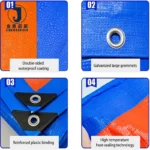
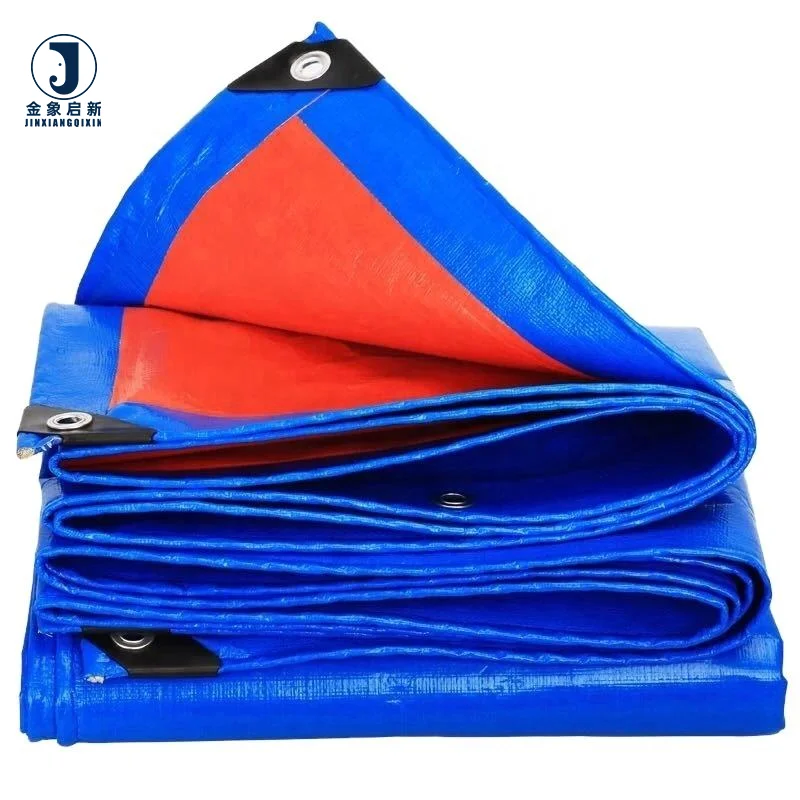
| Finished Edges | All four edges reinforced with PP rope in hem |
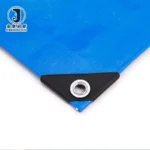
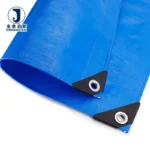
| Eyelets | Galvanized, every 3ft or 1 meter interval |
| Corners | Reinforced plastic corners |
| Color Options | Blue, Blue/Orange, Green, Grey, Black, Clear, Grey/Green, Orange, or custom |
| Key Features | Waterproof, washable, tear resistant, weather proof, sunproof, mildew proof, anti-aging (anti-oxidants added), acid and alkali resistance |
Application Suitability
| Application | Exposure & Requirement |
|---|---|
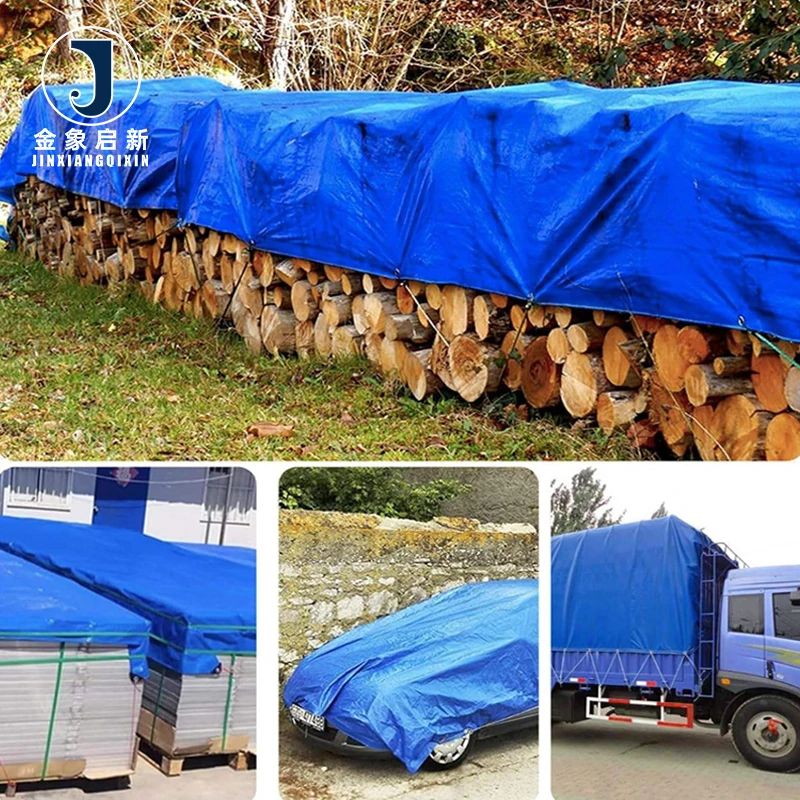
| Scaffolding Enclosure | Wind-driven rain, UV degradation, scaffold tie abrasion; requires flame retardant certification depending on site regulations |
| Mining & Tunnelling Site Covers | Chemical exposure, heavy mechanical abrasion, compliance with site-specific fire safety codes |
| Aviation Ground Protection | Fuel and hydraulic fluid spill resistance, FOD prevention, rapid deployment and retrieval |
| Construction Material Storage | Long-term weather exposure, puncture resistance from sharp edges, colour consistency for visible installations |
Why Compliance Documentation Matters Before the PE Tarpaulin Hits the Site
A specification sheet without a matching test report is just marketing copy when the inspector arrives.
Project specifications for industrial and specialist structures frequently mandate verified performance data. I have seen PE tarpaulin shipments held at the gate because the supplier provided a quotation stating "UV treated" or "flame retardant" without the corresponding test basis to satisfy the site safety officer. The delay costs more than the fabric itself, and the reputational damage sticks. [NEED_CITE: fire classification and testing standards for temporary site enclosures]
Lamination Integrity Under Industrial Exposure
The dual-side LDPE lamination over an HDPE woven base fabric creates a barrier that resists acid and alkali contact, which is critical on mining, tunnelling, and chemical-adjacent sites where standard polyethylene sheeting degrades within a season. The lamination weight and weave density must be documented per roll so the technical buyer can cross-reference against the project submittal requirements. When the PE Tarpaulin fire retardant grade is specified, the test report must match the exact production batch, not a generic laboratory sample from a previous run.
Reinforcement Where Load Transfer Happens
Field failures in heavy-duty covers almost always start at the tie-down points. The PP rope hem reinforcement combined with galvanized eyelets at fixed 3ft or 1-meter intervals distributes wind load across a broader section of the base fabric, reducing the point stress that causes tear propagation. Reinforced plastic corners add a secondary layer at the highest-wear positions. For scaffolding wraps that face sustained wind loading over multi-month builds, this construction detail is often the difference between a cover that lasts the project duration and one that requires mid-project replacement. [NEED_CITE: tensile and tear test methods for coated fabrics per ISO 1421]
How Base Fabric Density and Lamination Weight Interact
GSM alone does not define performance. A PE tarpaulin with a high GSM achieved through heavy lamination but a loose HDPE weave will have adequate stiffness but poor tear resistance, because the base fabric carries the structural load while the lamination provides waterproofing and chemical resistance. The 0.2–0.4mm thickness range available across this product family covers everything from lightweight scaffolding wrap to heavy-duty ground protection, but the buyer must confirm which thickness and GSM combination suits their specific exposure conditions. Width options from 6ft to 6m determine how many field seams are needed for large-area coverage — wider rolls mean fewer joins, fewer potential failure points, and faster installation on scaffolding or specialist structure applications.
The Cost of Unverified Specifications
When a PE tarpaulin arrives on a mining or construction site without the fire-retardant or anti-static certification the safety plan requires, work stops until compliant material is sourced. This is not a theoretical risk — specialist contractors routinely face site audits where every material must carry documented compliance. Similarly, colour inconsistency between rolls becomes visible once scaffolding wraps are installed side by side on a prominent building facade, forcing partial removal and reinstallation. Both scenarios stem from ordering without verified documentation, and both carry costs that dwarf the fabric price difference between a documented and undocumented supply. [NEED_CITE: site compliance requirements for temporary construction enclosures]
Why Source This Grade Here
The 10-person R&D team handles material selection and sample development for custom specifications, producing samples within days so buyers can verify lamination weight, colour, and reinforcement details before committing to a production run. Three full production lines and 36 sets of professional equipment support the bulk capacity needed for large-scale project supply, with dedicated QA/QC inspection at every production stage. Every roll undergoes 100% inspection before shipment, and the documentation package — including material specification sheets, test reports for UV and anti-aging grades where applicable, and pre-shipment inspection records — is assembled before dispatch so it arrives with the goods, not weeks later by email.
Documentation & Verification
- Material specification sheet stating GSM, base fabric type, and lamination method per roll
- UV and anti-aging test reports matching the specific grade ordered
- ISO and CE certificates accompanying the shipment documentation package
- Pre-shipment inspection record with verified weight and dimension checks
- Certificate of origin and customs documentation for international shipments
Fabrication, Handling & Storage
- Heat-weld seams on LDPE laminated surfaces using temperature settings matched to the 0.2–0.4mm thickness range
- Galvanized eyelets at 3ft or 1m intervals require reinforcement patches when used in high-wind scaffolding applications
- Store rolls flat and avoid stacking heavy loads on top to prevent permanent creasing in the HDPE base fabric
- Unfold and deploy above freezing temperatures to prevent stiffening and cracking at fold lines
- Clean with mild detergent only; solvent-based cleaners can degrade the LDPE lamination surface
- Custom finished sizes should be confirmed against site drawings before production to maximise material utilisation
What to Include in Your Enquiry
Specify the site exposure conditions — chemical contact type, wind loading expectations, and whether fire-retardant or anti-static certification is required by your project safety plan. Confirm whether you need rolls in standard widths or custom cut-to-size finished covers with specific eyelet spacing. Provide your colour reference and annual volume estimate so we can confirm production lead time and batch consistency across your project timeline.
Frequently Asked Questions
Q: Can you supply a test report for UV treatment matching my project specification?
A: UV and anti-aging treatments are available with anti-oxidants compounded into the LDPE lamination. We provide test reports for the specific grade ordered, not generic brochure data. Confirm your project’s UV exposure duration and any required test standard at enquiry stage so we match the correct formulation to your specification.
Q: How do I verify the GSM on arrival matches what was quoted?
A: Every roll undergoes weight verification against the stated GSM during our 100% pre-shipment inspection. We support third-party inspection if your project requires independent verification. Request the material specification sheet stating base fabric denier and lamination weight before order confirmation so expectations are documented on both sides.
Q: Do you provide fire-retardant PE tarpaulin, and what certification accompanies it?
A: Fire-retardant grades are available for PE tarpaulin — confirm the grade required for your market and site regulations at enquiry stage. When specified, the shipment includes the corresponding test report and certification documentation matching the production batch, ensuring compliance when the site safety officer reviews your material submittals.
Q: What is the maximum roll width, and can custom widths be produced?
A: Standard roll widths extend to 6m, which reduces field seams on large scaffolding and specialist structure covers. Custom widths are available with lead times that vary by specification. Provide your required width, length, and volume at enquiry so we can confirm production scheduling and container loading details for your project timeline.
Q: Can finished tarps be cut to non-standard sizes with custom reinforcement?
A: Finished PE tarpaulin is produced to custom dimensions with PP rope hem reinforcement, galvanized eyelets at your specified spacing, and reinforced plastic corners. Provide your site drawings or dimension schedule at enquiry stage so we can confirm fabrication details, material utilisation, and dispatch timeline for your project requirements.