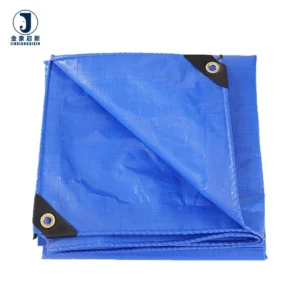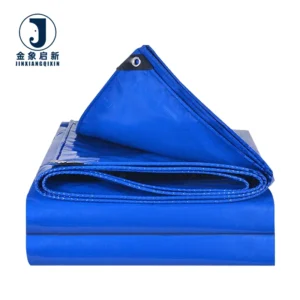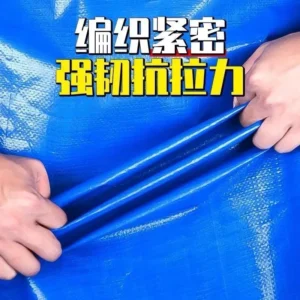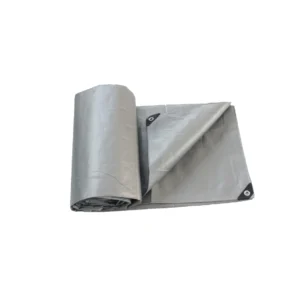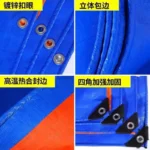
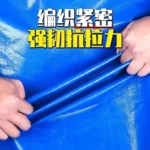

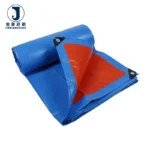
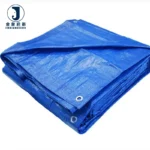
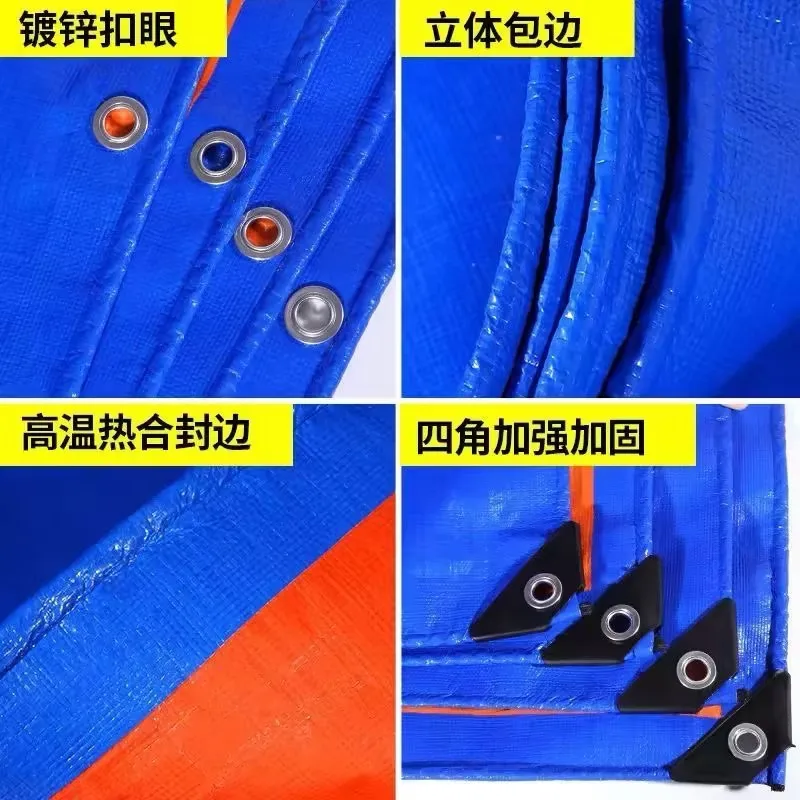
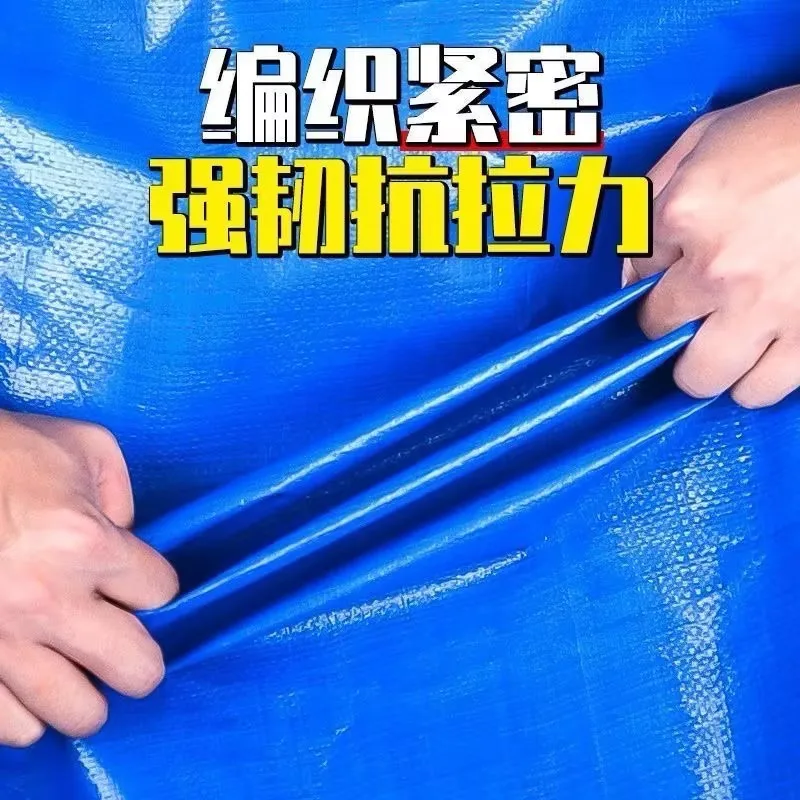
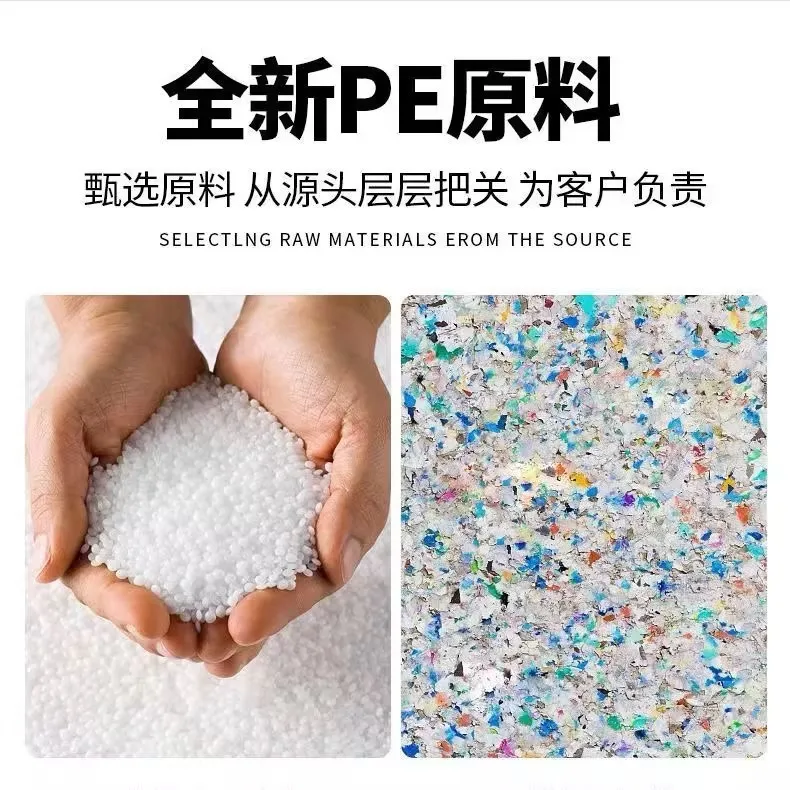
Fabrication Depth — nearly 30 years of PE woven coating process control, applied to consistent weight and adhesion for tent and outdoor structure fabric runs.
Technical Specifications
| Parameter | Value |
|---|---|
| Product Type | PE Tarpaulin |
| Coating Material | PE (Polyethylene) |
| Weave Style | Plain |
| Construction Grade | Heavyweight |
| Water Resistance | Waterproof |
| Mildew Resistance | Mildew-Proof |
| UV Treatment | UV Resistant (test basis not stated in source) |
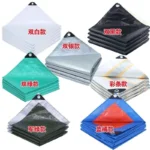
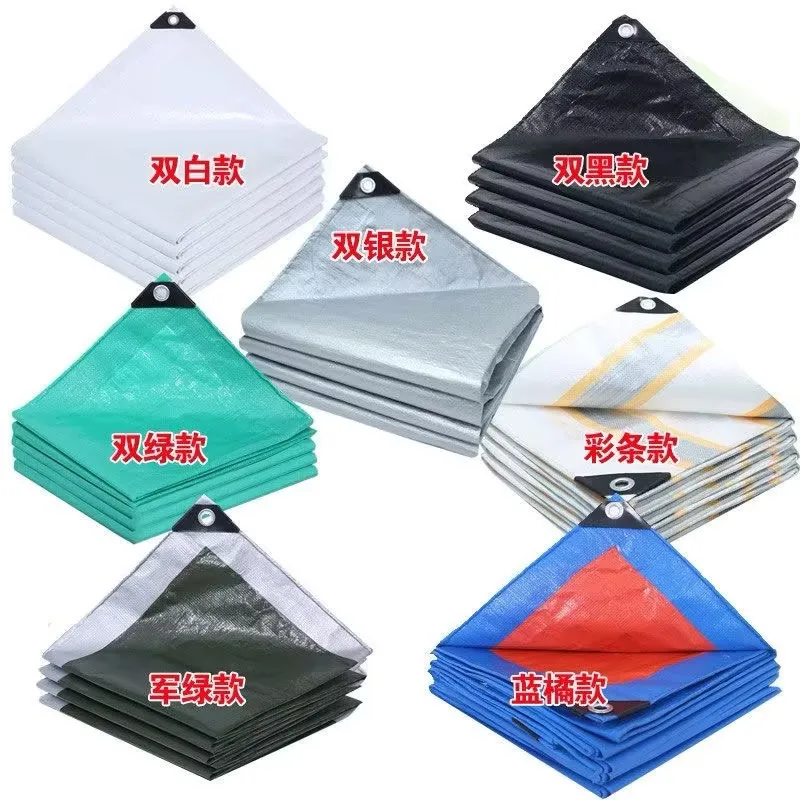
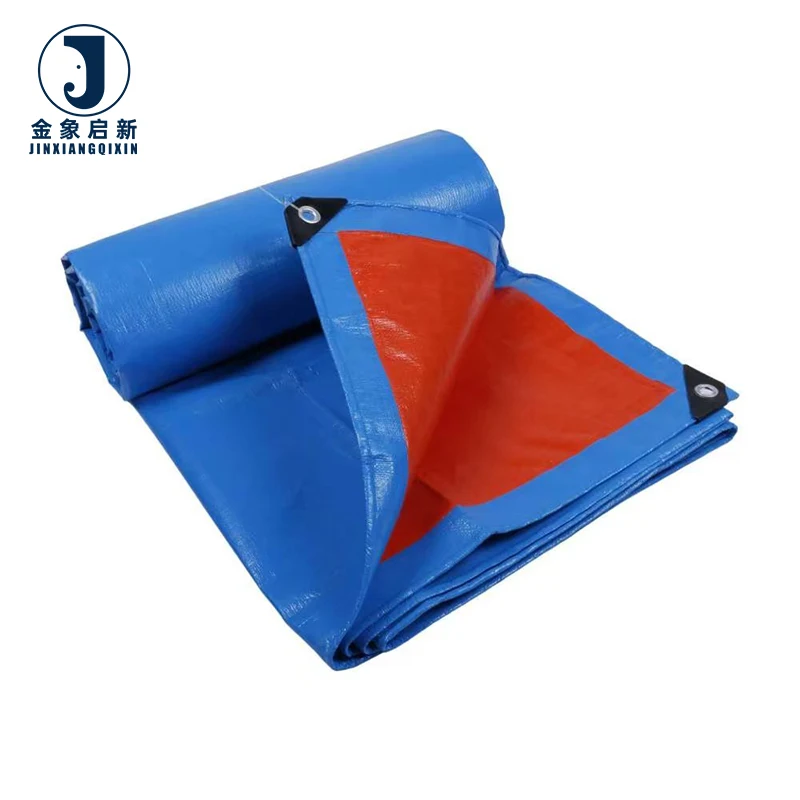
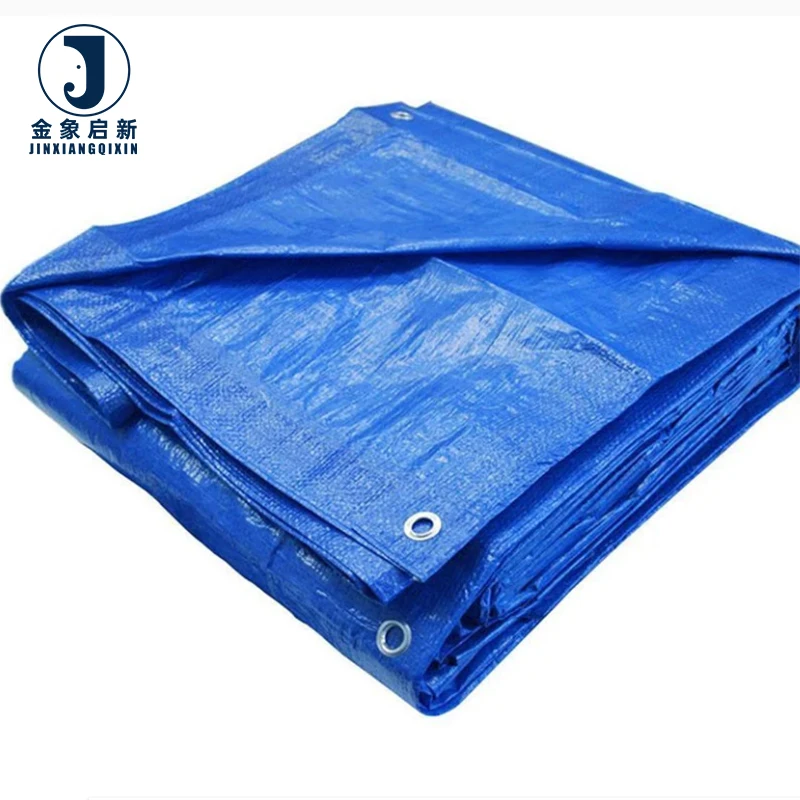
| Customization Options | Various sizes and colors available |
| Flame Retardant | Available in flame retardant grades — confirm the grade required for your market |
| Anti-Static | Available in anti-static grades — confirm the standard required for your project |
Application Suitability
| Application | Exposure & Requirement |
|---|---|
| Temporary event tents | Prolonged sunlight exposure, rain cycles, wind loading on fabric panels |
| Car and vehicle covers | Standing water, dust abrasion, UV degradation on parked vehicles |
| Outdoor ceremony shelters | Humidity, condensation, frequent assembly and teardown handling |
| Agricultural stock covers | Moisture ingress, mildew formation in humid storage conditions |
| Equipment protection sheets | Direct rain contact, UV exposure, mechanical abrasion from load shifting |
Why Weight Verification Matters More Than Quoted GSM for PE Woven Tarpaulin
A quoted GSM figure only holds value when verified roll-by-roll against actual coated output.
PE woven tarpaulin buyers often receive material that feels lighter or thinner than the sample they approved. The discrepancy traces back to variation in coating application — when extrusion coating speed runs too fast or resin temperature drops, the deposited layer thins without triggering a line alarm. Over a container load of rolls, this drift accumulates into measurable shortfalls in total fabric weight, which shows up first at seam and eyelet zones where tensile load concentrates. [NEED_CITE: tensile and tear test methods for coated fabrics per ISO 1421]
How Plain Weave Construction Supports Tent Panel Stability
Plain weave places each warp and weft yarn in an alternating over-under pattern, producing a tight grid that distributes load evenly across the fabric plane. For tent and shelter panels that catch wind pressure across large unsupported spans, this uniform load transfer reduces the chance of a single yarn failure propagating into a visible tear. The PE woven tarpaulin plain weave also provides a stable base for heat welding, since the regular surface allows consistent heat transfer through the coating layer.
Mildew and Moisture Resistance in Extended Outdoor Deployments
Event tents and agricultural covers often remain in place through weeks of rain and high humidity. Mildew colonies establish on organic residues trapped between fabric folds, breaking down surface coatings and producing visible staining. The mildew-proof treatment applied to this PE woven tarpaulin resists fungal colonisation on the coating surface, which matters most where panels are folded for transport and redeployed without a full cleaning cycle. This treatment complements the waterproof PE coating to maintain both structural and visual integrity across repeated deployments. [NEED_CITE: mildew resistance testing standards for coated textile materials]
Reading the Specification Sheet Beyond GSM Alone
GSM indicates total coated weight but does not isolate how much of that weight comes from base fabric versus PE coating. A heavier base fabric with higher denier yarns delivers better tear initiation resistance, while a thicker coating layer contributes more to waterproofing and surface abrasion tolerance. Two rolls reading the same GSM can perform very differently under wind load if one achieves its weight through coating bulk and the other through base fabric density. For tent structures where panels face both tensile stress and puncture risk from hardware contact, balancing these two components determines real-world service behaviour. The plain weave structure in this PE woven tarpaulin supports predictable coating penetration, reducing the risk of delamination at stress points.
The Hidden Cost of Batch Colour Inconsistency Across Rolls
When a tent manufacturer orders multiple rolls for a single project and the colour shifts between rolls, the mismatch becomes visible once panels are installed side by side. This forces either selective panel placement to hide transitions or a full reorder to replace the off-shade rolls — both outcomes delay project delivery and consume margin. Colour variation in PE woven tarpaulin typically originates from inconsistent masterbatch dosing during coating extrusion or from temperature fluctuations in the pigment dispersion zone. [NEED_CITE: colour fastness and batch consistency standards for coated fabrics]
Why Procurement Consistency Depends on Process Control
Batch-to-batch consistency in PE woven tarpaulin starts at the coating line, where resin temperature, extrusion pressure, and haul-off speed must hold within narrow bands across every production run. Jinxiang operates three full production lines with 36 sets of professional equipment, allowing dedicated line allocation for large orders so that a single tent project runs without interruption from product changeovers. The 10-person R&D team develops material specifications matched to each buyer’s structural and environmental requirements, producing samples within days for approval before bulk production begins. QA checkpoints at each production stage — base fabric inspection, coating weight verification, colour matching, and final roll winding — catch drift before it reaches shipment. Pre-shipment inspection covers every roll, not a statistical sample, ensuring the material that arrives matches the approved specification.
Documentation & Verification
- Material specification sheet stating base fabric denier, PE coating type, and colour reference per batch
- GSM weight verification record per roll measured before dispatch
- UV and mildew resistance test report provided where treatment is specified
- Pre-shipment inspection record covering full roll count with pass or fail status
- Roll packing list with gross and net weight for customs documentation
- ISO and CE certificates included in shipping documentation package
Fabrication, Handling & Storage
- Heat welding temperature range must match PE coating grade — test seam peel strength before full production runs
- Store rolls horizontally on padded racks to prevent flat spots on the coating surface
- Allow cold-stored rolls to reach ambient temperature before unrolling to avoid coating crack
- Use mild detergent for field cleaning — solvent-based cleaners may degrade the mildew-proof treatment
- Plan panel cutting layout to minimise off-cut waste given the specified roll width and length
How to Start a PE Woven Tarpaulin Enquiry
Specify the intended application, expected environmental exposure, and whether the material will be fabricated in-house or supplied as finished cut panels. Indicate required roll width, colour reference, and any flame retardant or anti-static compliance your end market mandates. If batch colour consistency is critical for side-by-side panel installation, flag this early so sample approval includes a multi-roll colour check.
Frequently Asked Questions
Q: How do I verify GSM and fabric weight on arrival against the quotation?
A: Weigh a cut sample of known area from each roll using a calibrated scale and calculate GSM from the result. Jinxiang includes a weight verification record per roll in the pre-shipment inspection documentation, so you can cross-reference your incoming check against our dispatch data.
Q: How is batch-to-batch colour consistency controlled for tent panel installation?
A: Each production run uses masterbatch dosing calibrated to the approved colour reference, with spectrophotometer checks at defined intervals during coating. Rolls from the same order are grouped and compared side by side before packing to flag any visible shade drift.
Q: What are the minimum order requirements for custom width and colour?
A: Custom widths and colours carry minimums based on coating line setup requirements and resin batch sizing. Contact the sales team with your target width, colour reference, and estimated annual volume to receive a quotation with the applicable minimum and lead time.
Q: Should PE woven tarpaulin seams be heat welded or sewn for tent applications?
A: Heat welding produces a continuous bonded seam that maintains waterproof integrity across the join line, which suits tent panels exposed to rain. Sewn seams introduce needle holes that require sealing tape or adhesive to prevent water ingress through the stitch line.
Q: What is the basis for UV resistance claims on this PE woven tarpaulin?
A: UV resistant treatment is incorporated during coating to reduce degradation from sunlight exposure, though the specific test standard has not been stated in the current product documentation. Request the applicable test report when confirming material suitability for your target market.