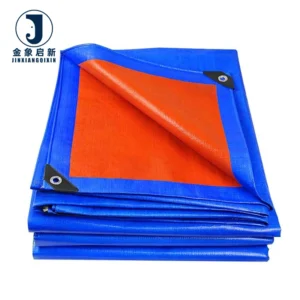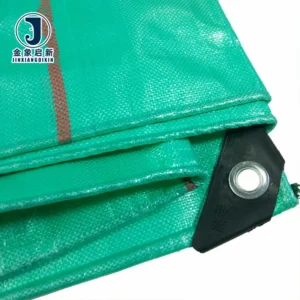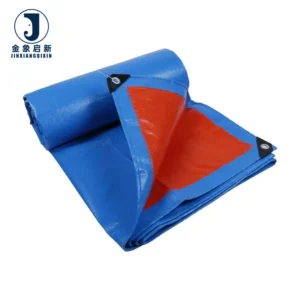
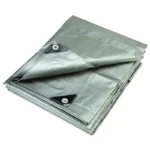
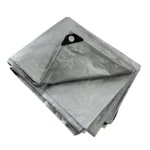
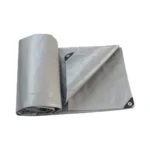
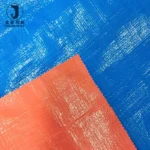
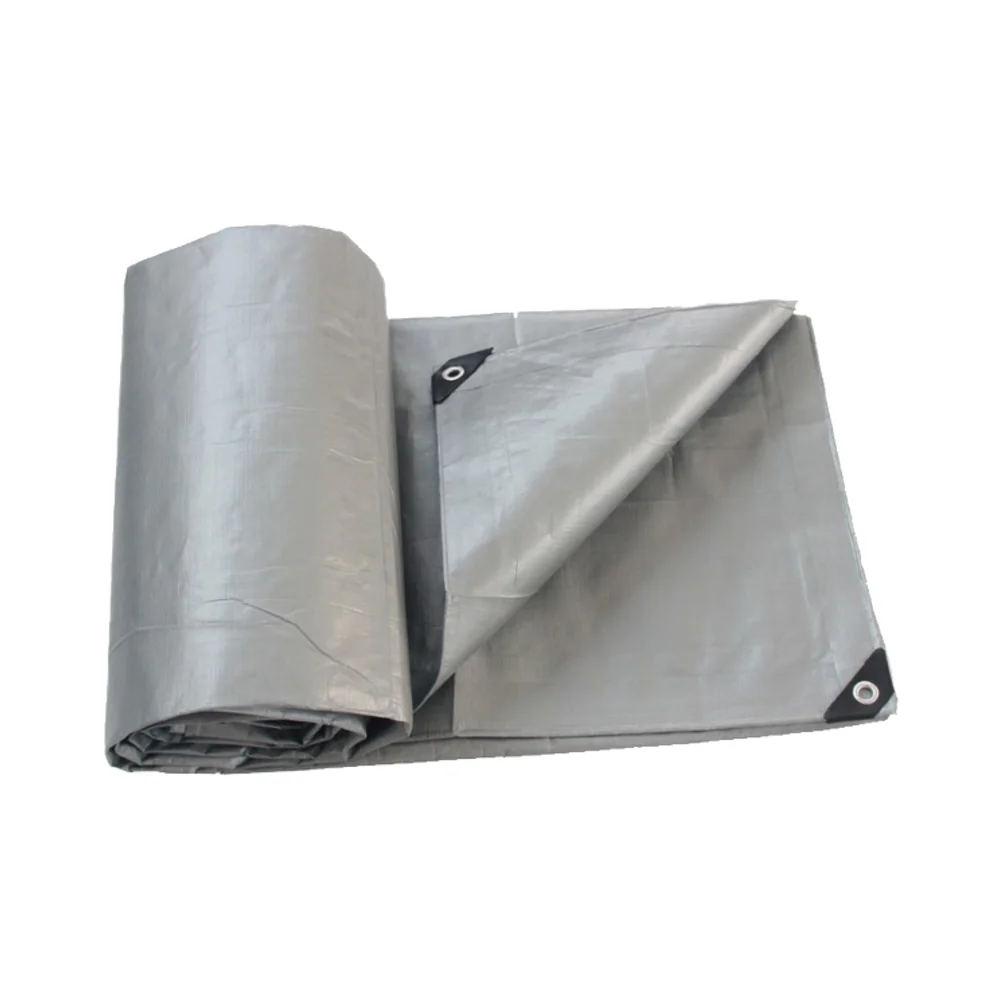
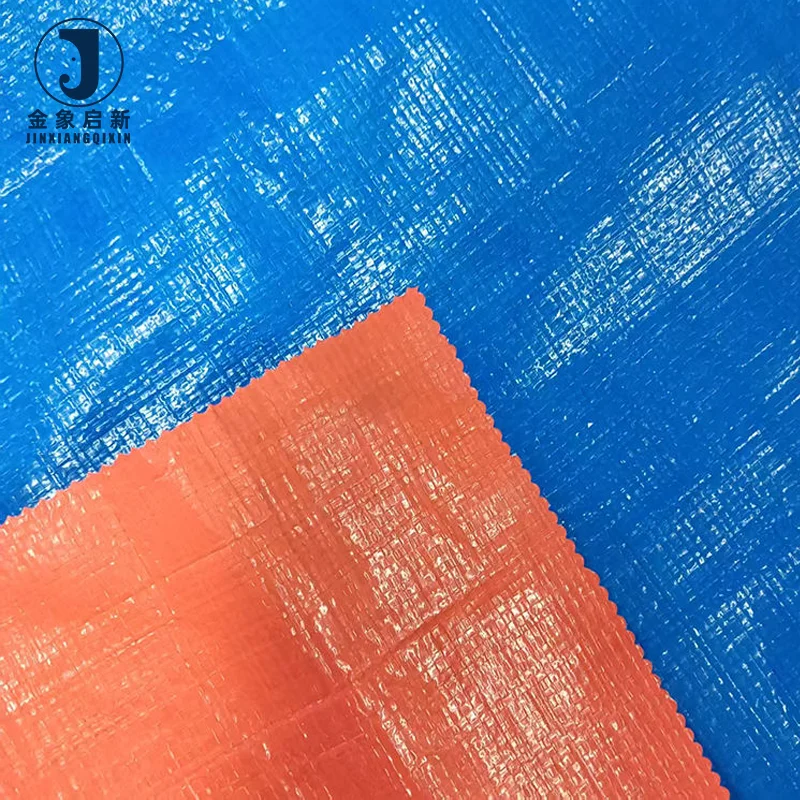
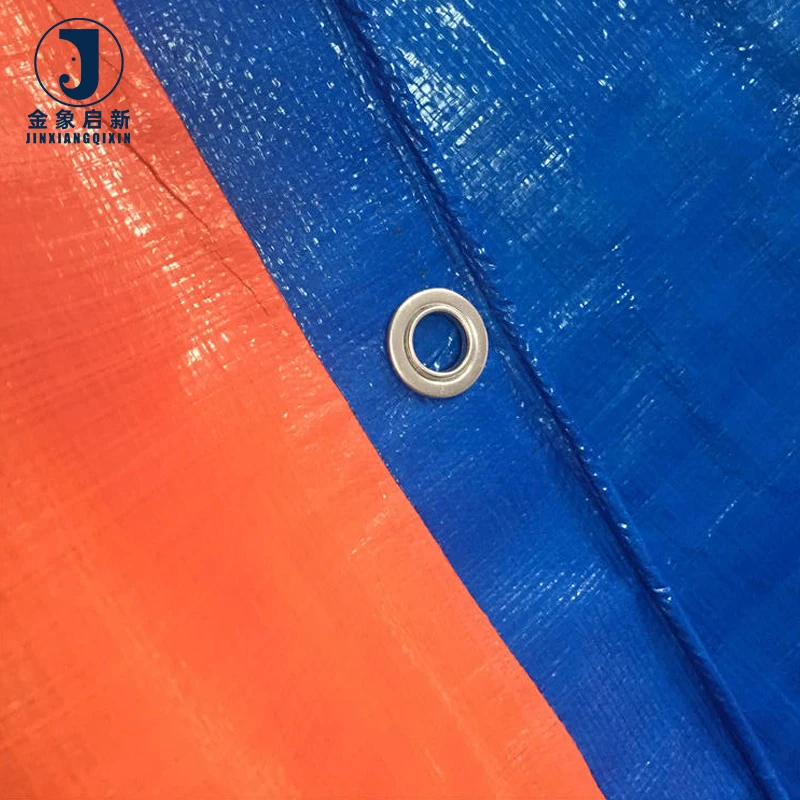
Precision in every weave — PE Tarpaulin rolls and finished sheets engineered with strict in-process QA and GSM verification before dispatch, ensuring the weight you specify is the weight that arrives.
Technical Specifications
| Parameter | Value |
|---|---|
| Product Type | PE Tarpaulin |
| Material | HDPE weaving with LDPE lamination on both sides |
| GSM Range | 50gr/m2 ~ 220gr/m2 available (confirm the grade for your project) |
| Total Thickness | 0.2-0.4mm / 8 mil-16 mil / Custom |
| Mesh Count Options | 6×6, 6×7, 7×7, 7×8, 8×8, 9×9, 8×10, 10×10, 12×12, 14×14, 14×16 weave |
| Roll Width | 6ft, 8ft, 10ft, 12ft or 2m, 4m, 6m |
| Roll Length | 100 yards, 100 meters, or custom |
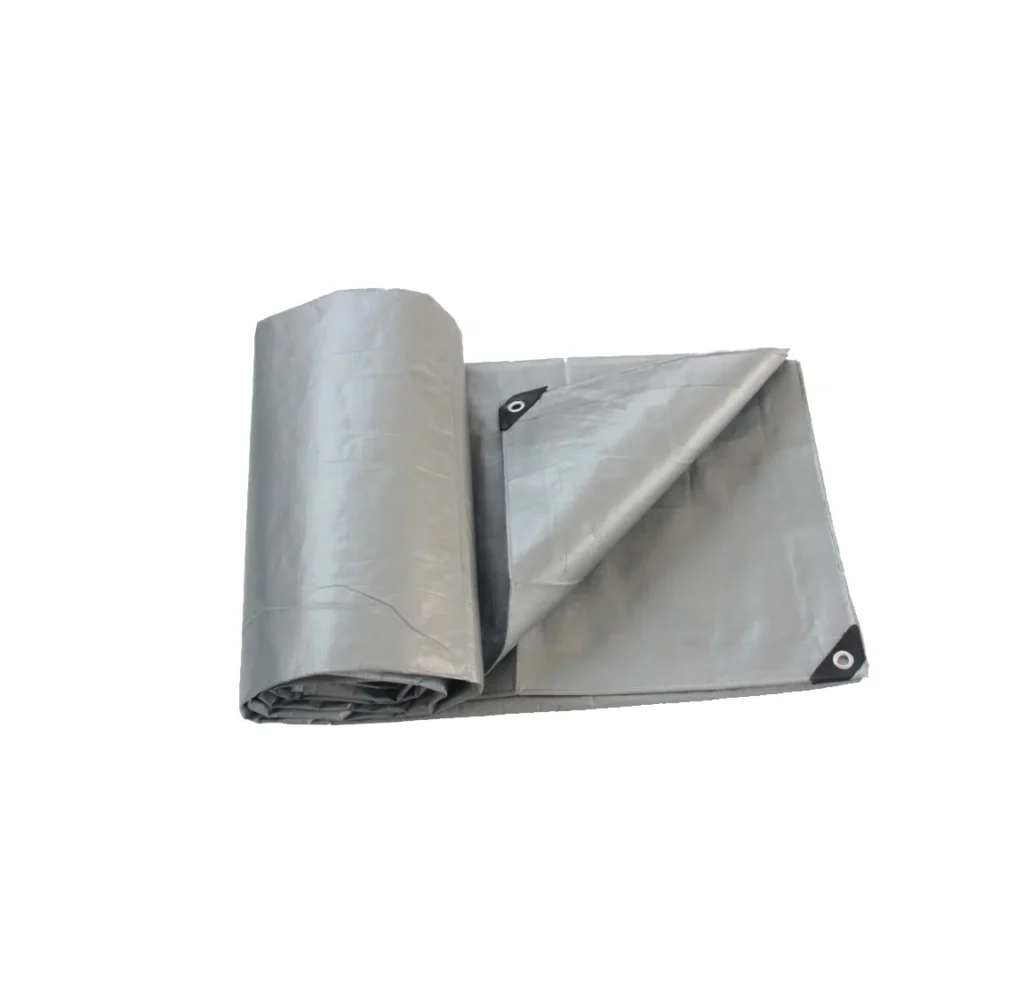
| Finished Edges | All four edges reinforced with PP rope in hem |
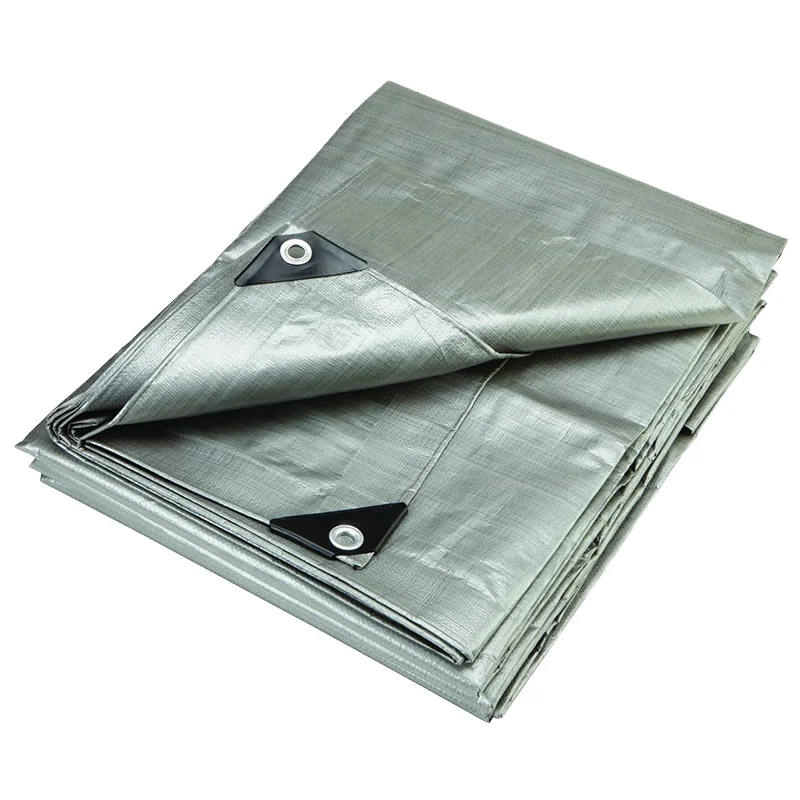
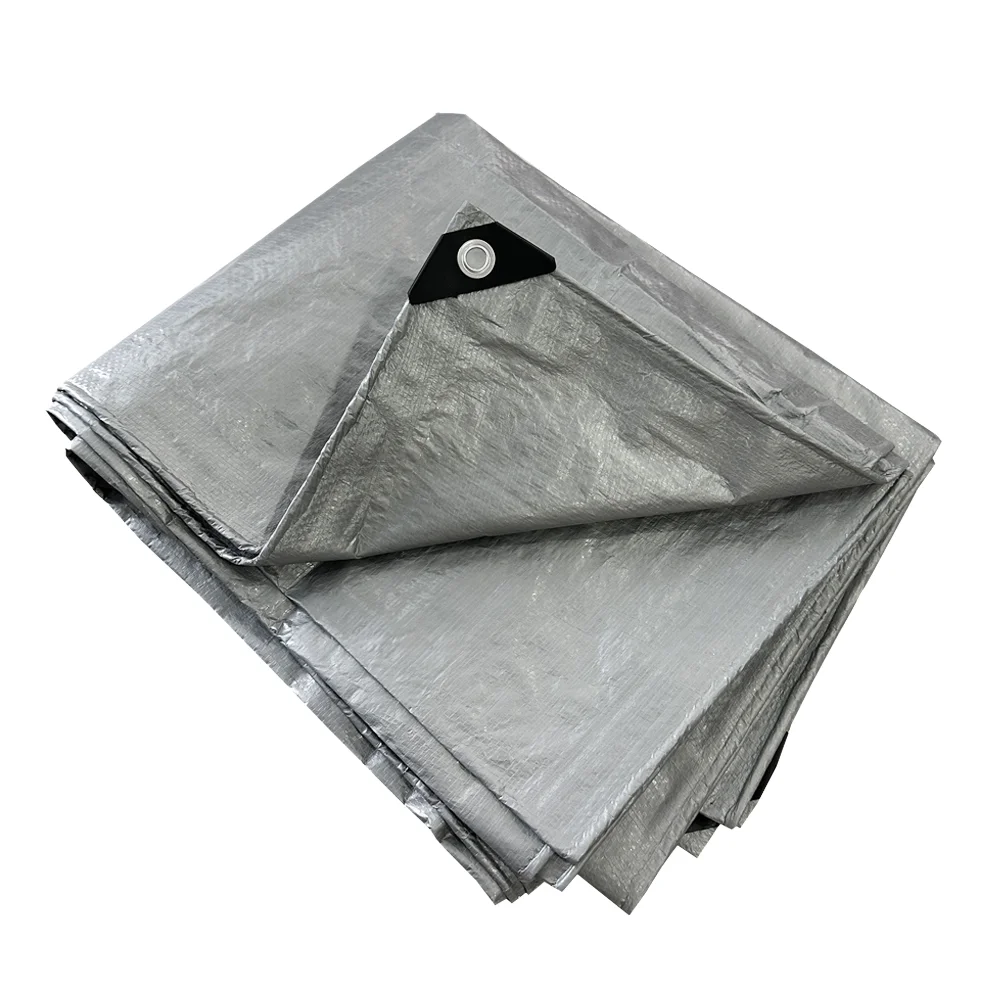
| Eyelets | Galvanized, spaced every 3ft or 1 meter interval |
| Corners | Reinforced plastic corners |
| Waterproof | Yes |
| UV Treatment | Available (test basis not stated) |
| Anti-Mildew | Yes |
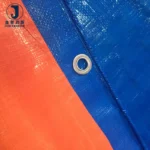
| Color Options | Blue, Blue/Orange, Green, Grey, Black, Clear, Grey/Green, Orange, or custom |
| Printing | Custom brand printing available |
Application Suitability
| Application | Exposure & Requirement |
|---|---|
| Truck and trailer covers | Constant road vibration, tie-down stress at eyelets, weather and UV exposure |
| Timber and hay storage covers | Moisture ingress risk, fungal growth, wind uplift requiring secure tie-down |
| Construction site fencing and material covers | Abrasion from scaffolding, puncture risk from debris, UV degradation |
| Pond and reservoir liners | Permanent water contact, soil chemistry interaction, puncture from substrate |
| Garden furniture and gazebo covers | Seasonal UV exposure, mildew in humid storage, frequent folding and handling |
Why "Waterproof" Does Not Guarantee On-Site Performance
A PE Tarpaulin certified for your application requires more than a waterproof label — it demands verified GSM, confirmed mesh density, and documented treatment grades.
Buyers frequently specify a weight on the quotation only to receive material that arrives lighter than agreed. When a truck cover flexes under load or a pond liner sits on uneven substrate, even a small GSM shortfall accelerates wear at the stress points. The mesh count — whether 8×8 or 14×14 — determines how the load distributes across the HDPE weave, and this relationship is rarely explained on a generic product listing [NEED_CITE: relationship between mesh density and tear propagation in HDPE woven fabrics]. Specifying the exact grade and requiring pre-shipment verification closes this gap before the roll leaves the factory.
Ventilation and Containment Demands Beyond Standard Grades
Mining and tunnelling ventilation duct fabrication requires PE Tarpaulin in fire-retardant or anti-static grades that meet site-specific regulations. Standard waterproof sheets do not satisfy these compliance requirements. When sourcing for specialist industrial applications, request the test report and confirm the grade — whether B1, M2, or NFPA 701 — before production begins.
Inflatable and Membrane Structure Fabric Selection
Inflatable structures and membrane enclosures place sustained biaxial tension on the fabric. The mesh count and total thickness must be matched to the internal pressure and wind load of the installation. Higher-density weaves such as 12×12 or 14×14 provide the tensile stability these applications demand, while the LDPE lamination on both sides maintains airtight integrity at the seams [NEED_CITE: biaxial tensile behaviour of laminated HDPE fabrics under sustained pressure].
Understanding GSM, Mesh Count, and Thickness Together
GSM alone does not define strength. A 90gr/m2 PE Tarpaulin woven at 8×10 mesh distributes load differently than the same weight at 9×9 mesh — the tighter weave resists tear propagation more effectively, while the looser weave may offer greater flexibility. Thickness, measured at 0.2-0.4mm, reflects the combined lamination on both sides and influences puncture resistance and heat-seal behaviour. For applications requiring hot-air welding at seams, the LDPE coating thickness directly affects weld temperature and dwell time. Specifying all three parameters — GSM, mesh count, and thickness — ensures the material performs as expected under your specific load and exposure conditions.
The Hidden Cost of Unverified Roll-to-Roll Consistency
When ordering multiple rolls for a single project, colour variation between rolls becomes visible once the material is installed side by side — a problem that only surfaces on site. Similarly, if eyelet spacing on finished sheets deviates from the specified 3ft or 1 meter interval, tie-down systems misalign and local stress concentrates at unintended points [NEED_CITE: stress concentration at misaligned eyelets in tensioned fabric covers]. Welded seams on duct or containment applications fail earliest when the fabric weight is inconsistent across the roll, because the heat-seal parameters calibrated for one section over- or under-perform on the next.
Production Controls That Protect Your Specification
Three full production lines with 36 sets of professional equipment support bulk output without sacrificing the QA checkpoints that protect your order. A 10-person R&D team handles material selection, custom sizing, and sample development for specialist requirements. Dedicated QA/QC runs at every production stage — from HDPE tape extrusion through weaving, LDPE lamination, and finished sheet fabrication — with 100% inspection before shipment. Samples are developed within days when custom width, colour, or certified-grade material is required, allowing you to confirm the specification before committing to full production.
Documentation & Verification
- Material specification sheet stating GSM, HDPE mesh density, and LDPE lamination method per roll
- Test report for fire-retardant or anti-static grades where site regulations demand certified compliance
- Pre-shipment inspection record confirming weight and dimensions against the purchase order
- Roll packing list detailing colour, width, length, and GSM for container loading traceability
- Certificate of origin and full customs documentation package included with every dispatch
Fabrication, Handling & Storage
- Hot-air welding parameters must be calibrated to the LDPE lamination thickness — test on offcuts before full production
- Galvanized eyelets at 3ft or 1m intervals require aligned tie-down hardware to avoid localised stress at the hem
- Store rolls on hard paper tubes horizontally to prevent flat spots that affect lamination adhesion at the crease
- Finished sheets folded into poly bags should be unfolded and inspected promptly on arrival to check for transit damage
- Clean surfaces with mild detergent only — solvents can degrade the LDPE lamination and compromise waterproof integrity
- When cutting from 6m-wide rolls, plan panel layout to minimise offcuts and ensure seams fall at reinforced hem lines
Inquiry Guidance for Specialist Applications
Provide your intended application, the environmental exposure conditions, and any fire-retardant or anti-static compliance standards required by your site jurisdiction. Specify the roll width, mesh density, and GSM range you need, or describe the end-use and we will recommend the grade. If you require finished sheets, include the dimensions, eyelet spacing, and whether custom colour or brand printing is needed.
Frequently Asked Questions
Q: What fire-retardant grades are available, and which test standards do they meet?
A: Fire-retardant PE Tarpaulin is available in specialist grades — confirm the standard required for your market, such as B1 per DIN 4102, M2, or NFPA 701, at the inquiry stage. The test report corresponding to your specified grade is supplied with the shipment documentation.
Q: Can you supply anti-static PE Tarpaulin with a certified surface resistance value?
A: Anti-static grades are available for mining, tunnelling, and specialist ventilation applications. State the surface resistance range required by your site regulations when requesting a quotation, and the certified test report will accompany the dispatch documentation.
Q: How is GSM verified on arrival, and what documentation confirms the ordered weight?
A: A pre-shipment inspection record documents the actual weight measured per roll against the quoted GSM. This record, along with the material specification sheet and roll packing list, ships with your order to enable verification on receipt.
Q: What mesh count and thickness combinations suit inflatable or membrane structure fabrication?
A: Higher-density weaves such as 12×12 or 14×14 at 0.3-0.4mm thickness provide the biaxial tensile stability needed for inflated structures. Specify your internal pressure and wind load requirements, and the R&D team will recommend the appropriate grade and provide samples.
Q: What is the lead time for custom width, colour, or certified-grade rolls?
A: Custom specifications typically require multi-week lead times depending on the grade and volume. Samples for custom colour, width, or certified-grade material are developed within days so you can approve the specification before full production begins.