
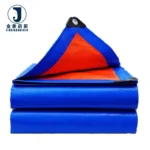
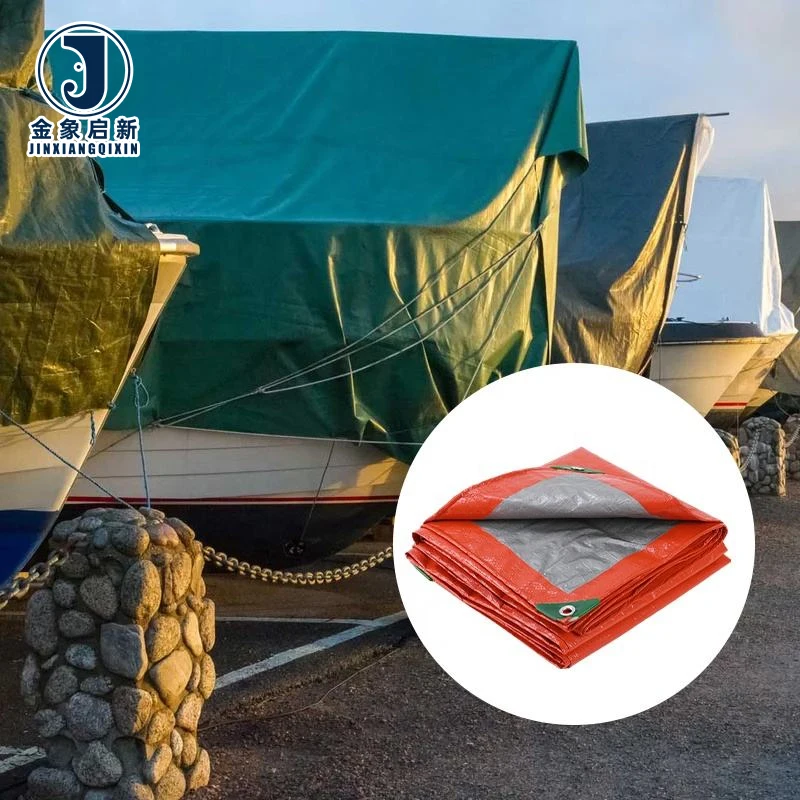
PE Tarpaulin for Mining, Aviation and Tunnelling Ventilation
Deep process control over lamination adhesion — three full production lines with in-process QA ensure every roll of PE tarpaulin for industrial ventilation and specialist application meets documented fire-retardant and anti-static specifications before dispatch.
Technical Specifications
| Parameter | Value |
|---|---|
| Product Type | PE Tarpaulin |
| Material | Polyethylene (HDPE woven fabric, LDPE laminated both sides) |
| Structure | 3 layers (1 fabric + 2 coating) / 5 layers (2 fabric + 3 coating) options |
| Weight (GSM) | 80–110 (lightweight) / 120–150 (medium) / 160–240 (heavy-duty) — confirm grade for your application |
| Total Thickness | 0.18–0.22 mm (lightweight) / 0.22–0.28 mm (medium) / 0.30–0.35 mm (heavy-duty) |
| Mesh Count | 8×8 (lightweight) / 10×10 (medium) / 12×12 (heavy-duty) |
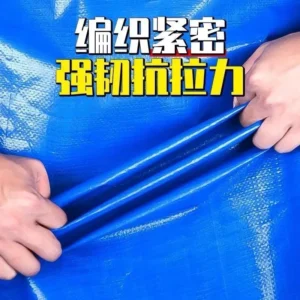
| Tensile Strength (N/5cm) | Meridian 300–500 / Latitude 250–450 (lightweight); Meridian 500–800 / Latitude 400–700 (medium); Meridian 900–1200 / Latitude 700–1000 (heavy-duty) (test standard not stated) |
| Coating Method | Laminated |
| Coating Material | LDPE |
| Base Fabric | HDPE cross weaving |
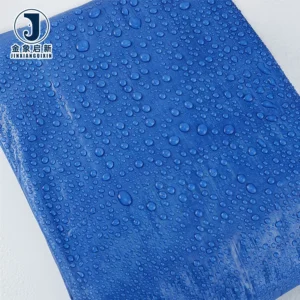
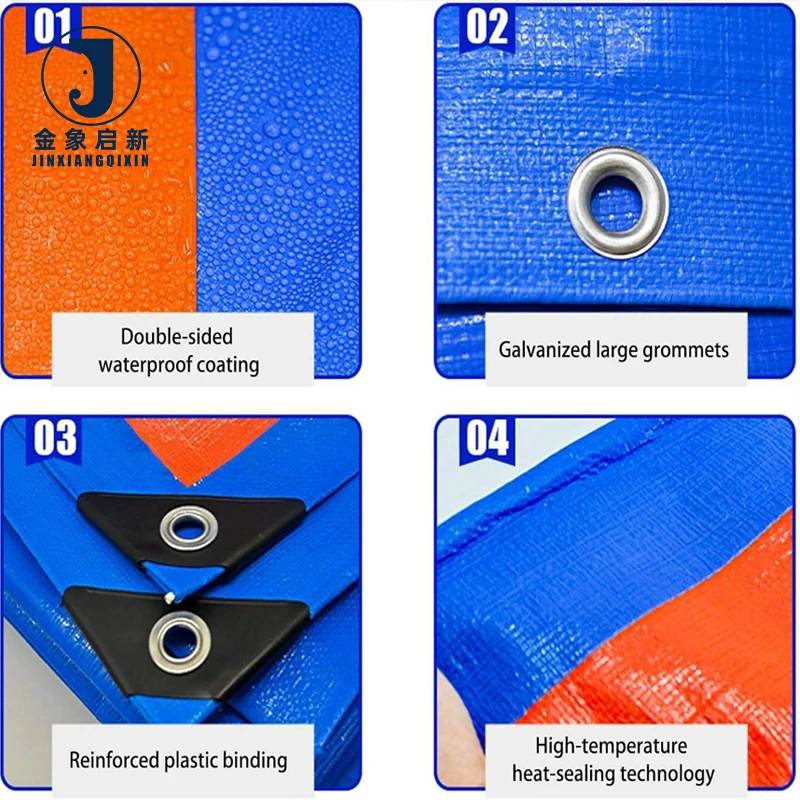
| Waterproof Rating | Double waterproof surfaces (test standard not stated) |
| UV Treatment | Available (test basis not stated) |
| Fire-Retardant Grade | Available in fire-retardant grades — confirm the grade required for your market |
| Anti-Static | Available — confirm surface resistance specification required |
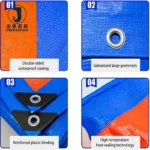
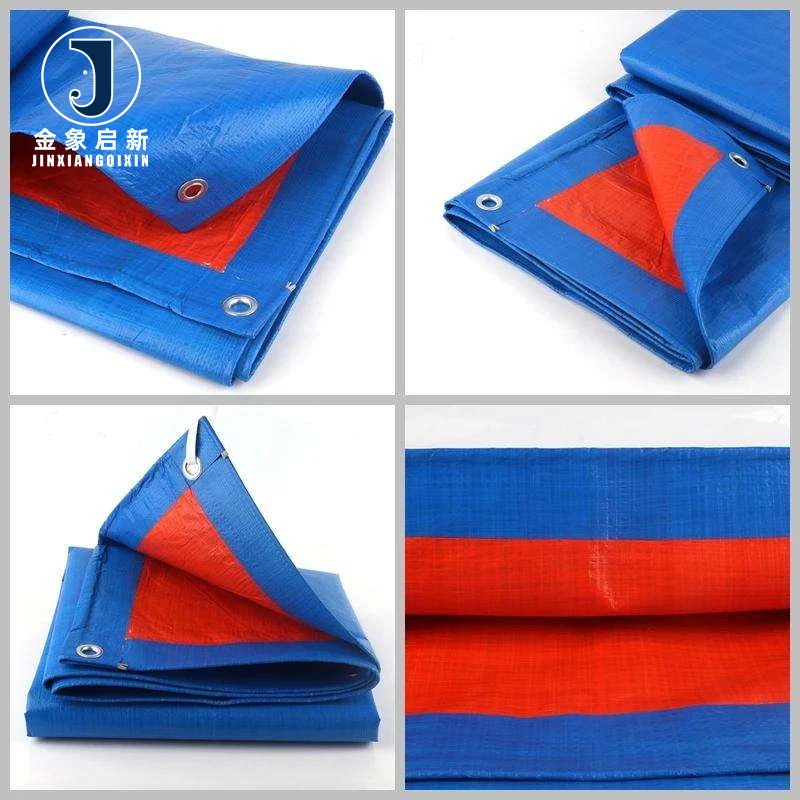
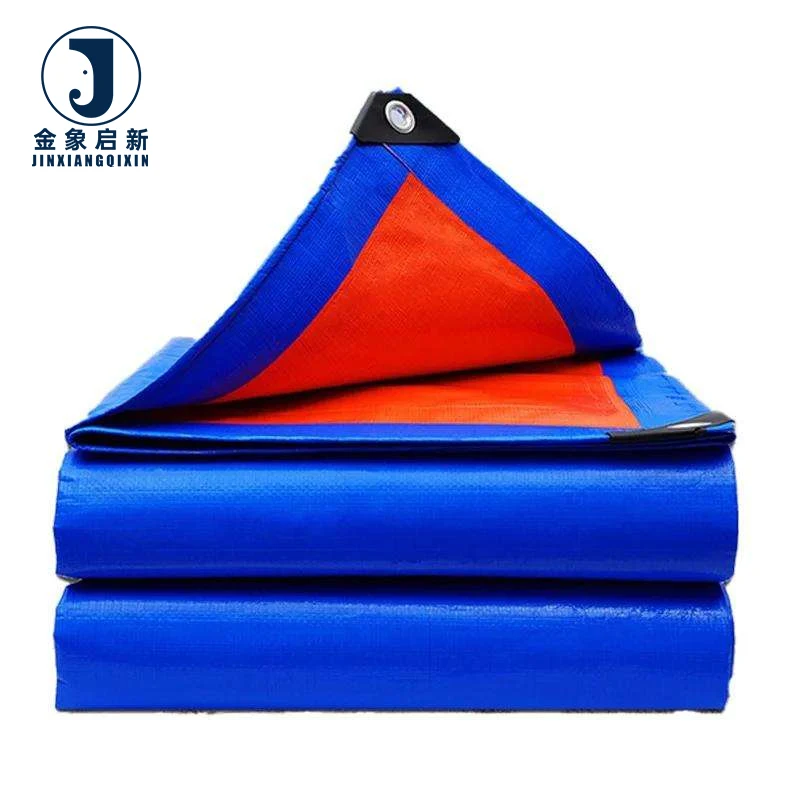
| Eyelet & Hem | Reinforced rustproof grommets, reinforced corner |
| Color | Custom color available |
| Size | Custom size available |
| Printing | Custom printing / branding available |
| Standards | ISO, CE (verify against project specification) |
Application Suitability
| Application | Exposure & Requirement |
|---|---|
| Mine and tunnelling ventilation duct | Continuous airflow load, underground fire-risk environment, fire-retardant compliance mandatory |
| Aviation ground support ventilation | Fuel-vapour proximity, anti-static fabric specification required, regulatory audit trail |
| Membrane and inflatable structures | Sustained internal pressure, UV exposure, structural fabric tensile demand |
| Industrial air duct fabrication | Flex cycling, abrasion at mounting points, grommet pull-out resistance |
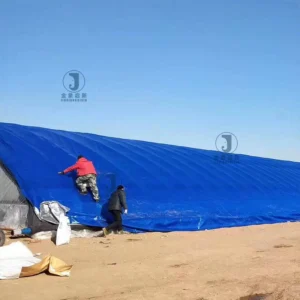
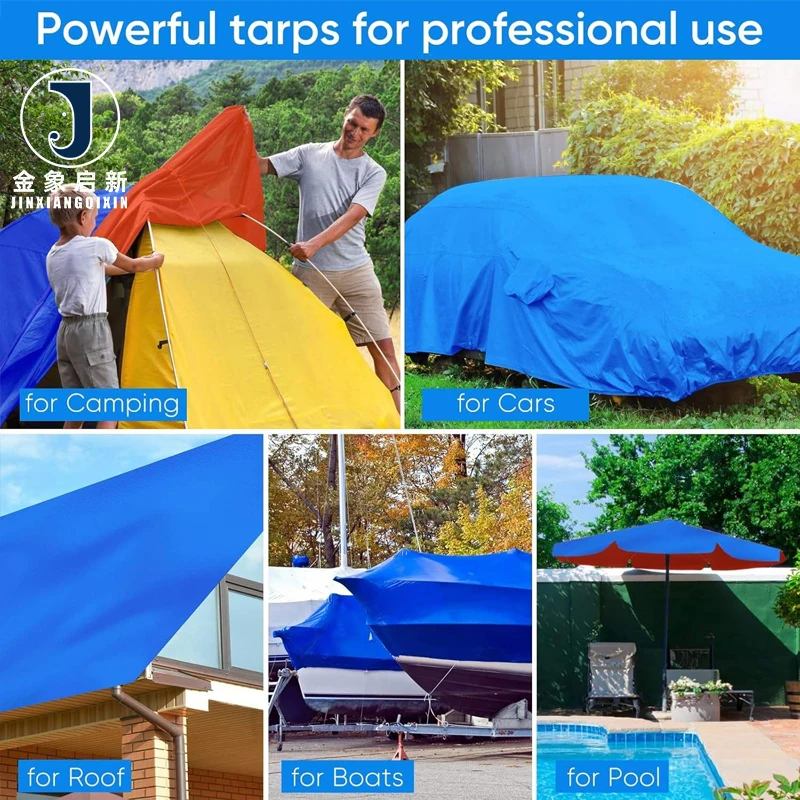
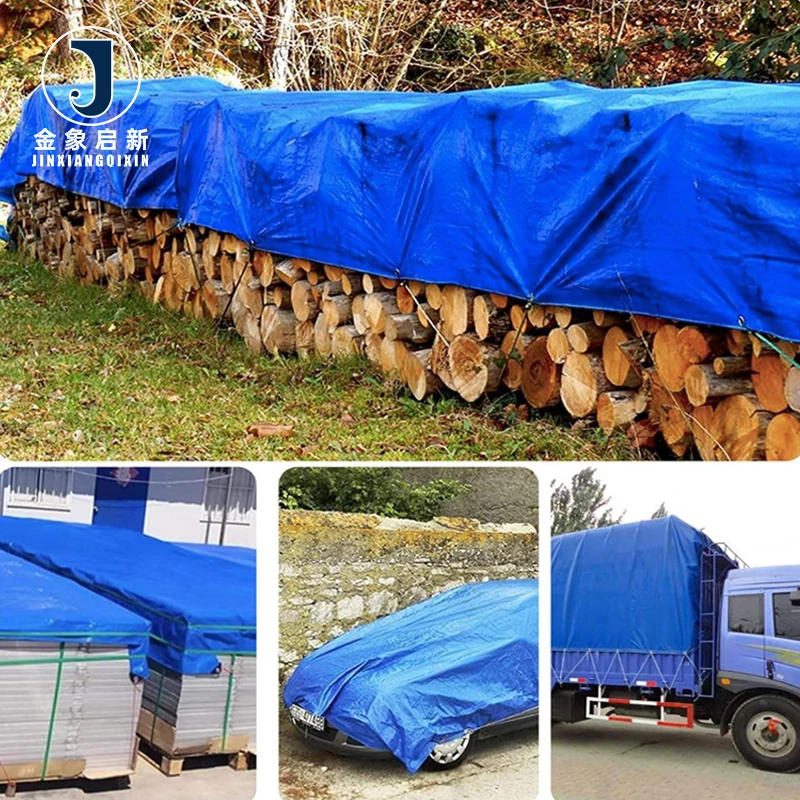
| Temporary site enclosures | Weather exposure, wind load, rapid deployment and teardown |
When "Fire-Retardant PE Tarpaulin" Arrives Without a Test Report
Specifying fire-retardant without naming the grade leaves your site exposed to compliance failure at inspection. PE tarpaulin for industrial ventilation and specialist application must carry documented proof aligned with the regulatory framework of the installation country.
Ventilation duct installed underground or in aviation environments faces audit at every stage. When the fabric arrives without a test report tied to a recognised standard, the entire duct run may be rejected at commissioning — not because the material failed, but because the paperwork gap cannot be closed retroactively. [NEED_CITE: fire classification standards for ventilation materials in mining and aviation environments] Buyers who accept a supplier’s verbal assurance of fire-retardant treatment, without requiring the certificate before production, routinely discover the gap only when the site safety officer requests documentation during pre-operational inspection.
Duct Construction Demands That Shape Material Selection
Ventilation duct for mining and tunnelling operates under positive or negative pressure, creating continuous tensile load on the fabric. The HDPE woven base fabric with LDPE lamination provides the dimensional stability needed to hold duct shape across long runs. PE tarpaulin for industrial ventilation and specialist application must resist the cyclic flexing that occurs at every duct joint and suspension point, where repeated movement concentrates stress on the coating-to-fabric bond.
Anti-Static Requirements in Aviation and Fuel-Adjacent Environments
Aviation ground support ventilation systems operate near fuel-handling areas where static discharge presents an ignition risk. The anti-static treatment available on this PE tarpaulin addresses surface resistivity requirements specified in aviation safety protocols. Confirming the exact surface resistance value your project demands before production begins ensures the fabric ships with verifiable documentation rather than a generic claim. [NEED_CITE: anti-static surface resistance standards for aviation ground support equipment]
Reading GSM, Mesh Count and Lamination Structure Together
The weight of PE tarpaulin alone does not define its suitability for duct or membrane work. A 160–240 g/m² heavy-duty grade with 12×12 mesh count delivers substantially higher meridian and latitude tensile values than a lightweight 80–110 g/m² option at 8×8, but the lamination structure matters equally. The 3-layer construction (one HDPE fabric ply sandwiched between two LDPE coating layers) suits standard duct runs, while the 5-layer option adds a second fabric ply and extra coating for applications where internal pressure or external abrasion demands higher peel strength and puncture resistance. Coating adhesion — the bond between LDPE and HDPE — determines whether the fabric delaminates under sustained airflow load before the base fabric itself reaches its tensile limit. Selecting between these structures depends on the pressure rating of the duct system and the expected service environment rather than on weight alone.
The Cost of Specifying on Weight Without Verifying on Arrival
A PE tarpaulin ordered at a stated GSM that arrives lighter than quoted creates problems that surface only during duct fabrication or installation. Thinner coating reduces peel strength, meaning welded seams may separate under airflow pressure well before the base fabric fails. Fire-retardant treatment claimed without a supporting test report leads to site rejection and replacement at the contractor’s expense — not a material defect, but a documentation failure that halts project timelines. [NEED_CITE: common causes of ventilation duct failure at seam and weld points] Colour variation between rolls in the same shipment becomes visible once sections are joined on a membrane structure, forcing selective replacement that delays handover.
Why Sourcing Through This Facility Reduces Specification Risk
Nearly 30 years of focused coated fabric production gives this team process control over coating weight and lamination adhesion that newer operations have not yet stabilised. Three full production lines and 36 sets of professional equipment support the volume required for large-scale duct and membrane projects with reliable on-time delivery. A 10-person R&D team handles material selection, custom sizing and sample development, meaning a duct fabric sample can be produced and shipped within days for your approval before bulk production begins. Dedicated QA/QC at every production stage, with 100% inspection before shipment, ensures the roll you receive matches the specification agreed at order.
Documentation & Verification
- Material specification sheet stating base fabric denier, coating weight, lamination structure and GSM
- Fire-retardant test report aligned with the regulatory standard your site requires
- Anti-static surface resistance documentation where specified in the project brief
- Pre-shipment inspection record covering GSM verification, grommet pull-out and weld integrity
- Roll packing list with batch identification for traceability across the installation
- Certificate of origin and customs documentation for cross-border project supply
Fabrication, Handling & Storage
- Heat-weld seams at temperatures matched to LDPE lamination — test on a sample offcut before full production to confirm bond strength without scorching the HDPE base
- Reinforced rustproof grommets at specified centres require corner patching on heavy-duty grades to prevent tear-out under duct suspension load
- Store rolls upright on a flat surface in shaded conditions to prevent compression creasing that weakens the lamination bond at fold lines
- Deploy 5-layer construction fabric with care at low temperatures, as the additional ply increases stiffness during unrolling and handling
- Clean laminated surfaces with mild detergent only — solvent-based cleaners can degrade the LDPE coating and compromise fire-retardant treatment
- Plan cutting layout to minimise cross-grain seams on long duct sections, aligning the meridian tensile direction with the primary airflow load
Before You Request a Quote
Provide the duct diameter, run length and operating pressure so the correct GSM grade and lamination structure can be recommended. Confirm the fire-retardant standard your jurisdiction mandates and whether anti-static certification is required for the installation environment. Specify whether you need rolls for your own fabrication or finished cut-and-welded duct sections, and indicate the colour and any project-specific printing or branding requirements.
Frequently Asked Questions
Q: What fire-retardant grade is available for mining and tunnelling ventilation duct?
A: The PE tarpaulin is available in fire-retardant grades suited to underground ventilation applications. The specific grade and corresponding test report must be confirmed against your project’s regulatory requirements before production. Request the test documentation early in the specification process to ensure it aligns with the compliance framework your site safety officer will audit against at commissioning.
Q: How is anti-static performance documented for aviation ground support applications?
A: Anti-static treatment is available with surface resistance values matched to aviation environment specifications. Provide the exact resistivity range your project requires, and the test report will be included with shipment documentation. This ensures the verification trail is complete before the duct is installed in fuel-adjacent areas where static discharge must be controlled.
Q: Should I choose 3-layer or 5-layer construction for a ventilation duct project?
A: Three-layer construction suits standard positive-pressure duct runs with moderate flex cycling. Five-layer construction, adding a second HDPE fabric ply and additional LDPE coating, provides higher peel strength and puncture resistance for applications involving sustained high pressure, external abrasion or frequent relocation. Your duct pressure rating and handling conditions determine the appropriate structure.
Q: Can roll lengths and widths be customised for duct fabrication efficiency?
A: Custom widths and roll lengths are available to match your duct diameter and fabrication setup, reducing cross-seams and material waste. Provide the duct dimensions and your preferred roll format during inquiry so the production team can recommend the most efficient cutting layout and confirm lead time for the custom specification.
Q: What inspection coverage applies before the PE tarpaulin ships?
A: Every roll undergoes 100% pre-shipment inspection covering GSM verification, lamination adhesion, grommet pull-out resistance and colour consistency across the batch. The inspection record ships with the order, providing documented evidence that the material received matches the agreed specification — critical for projects where regulatory audit requires full material traceability.