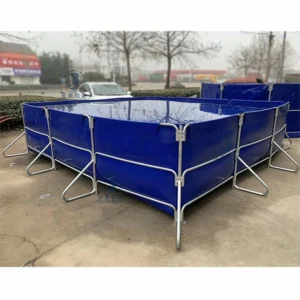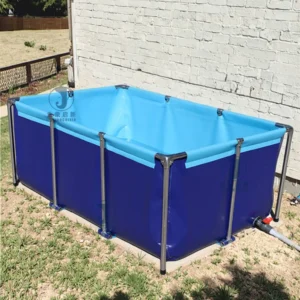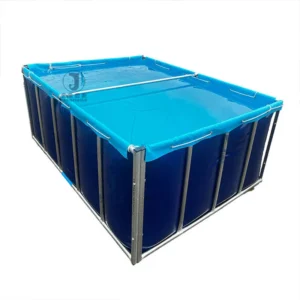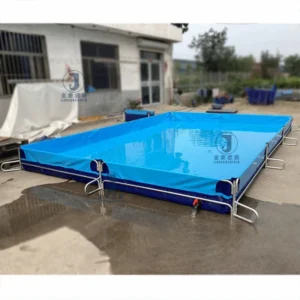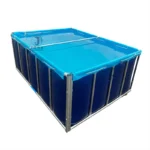
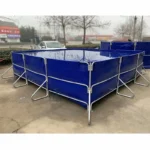
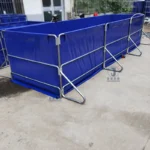

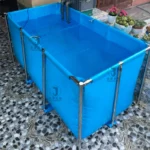
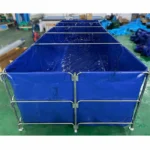
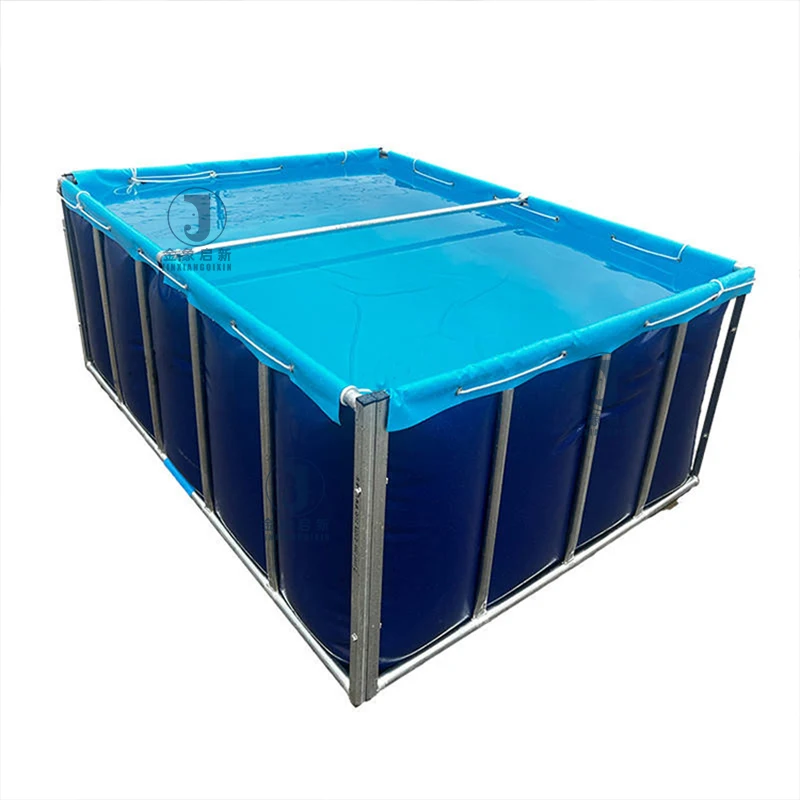
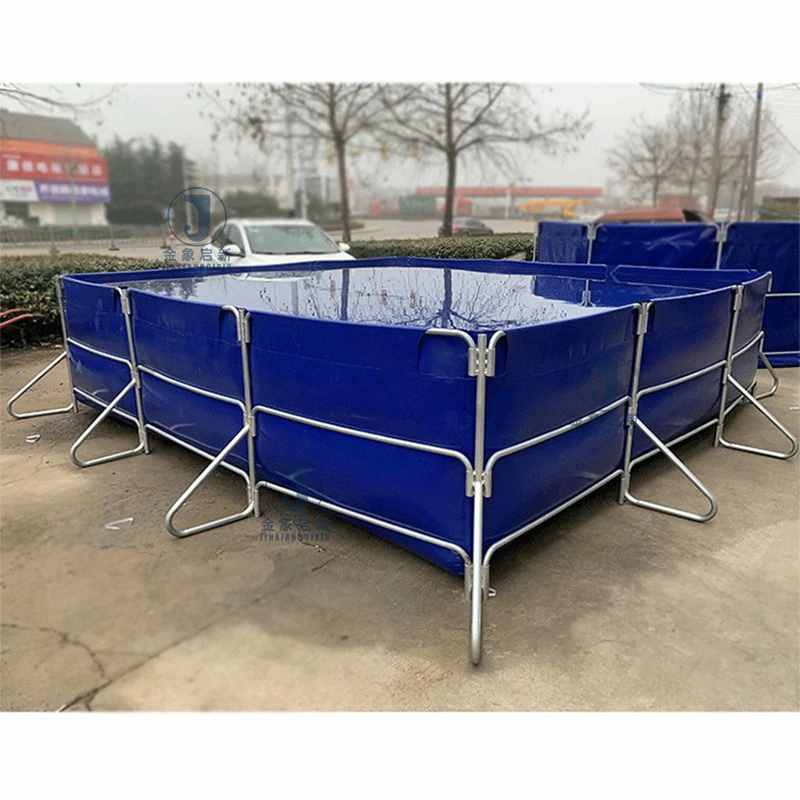
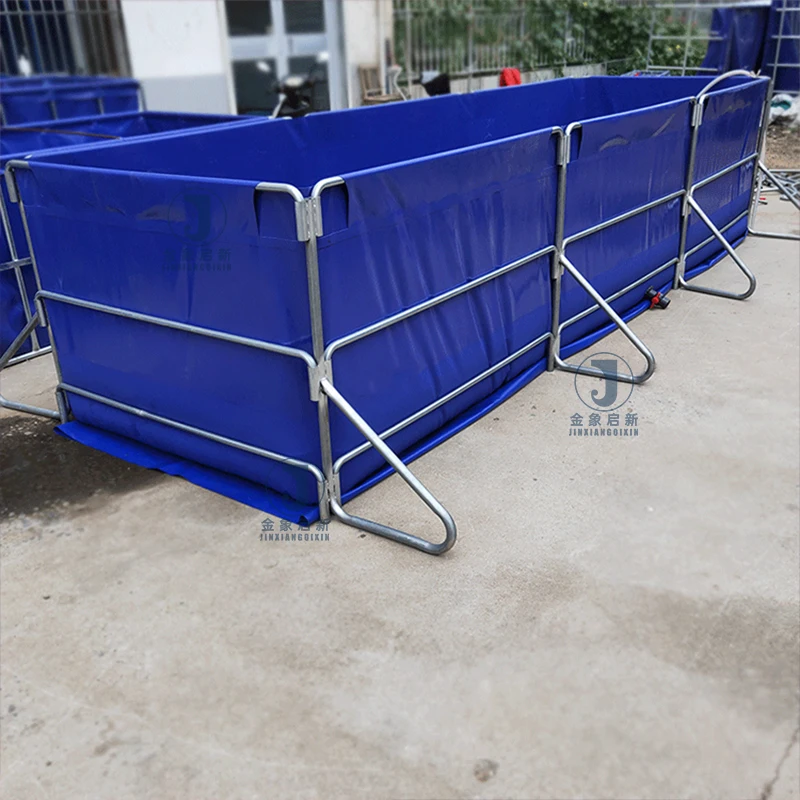
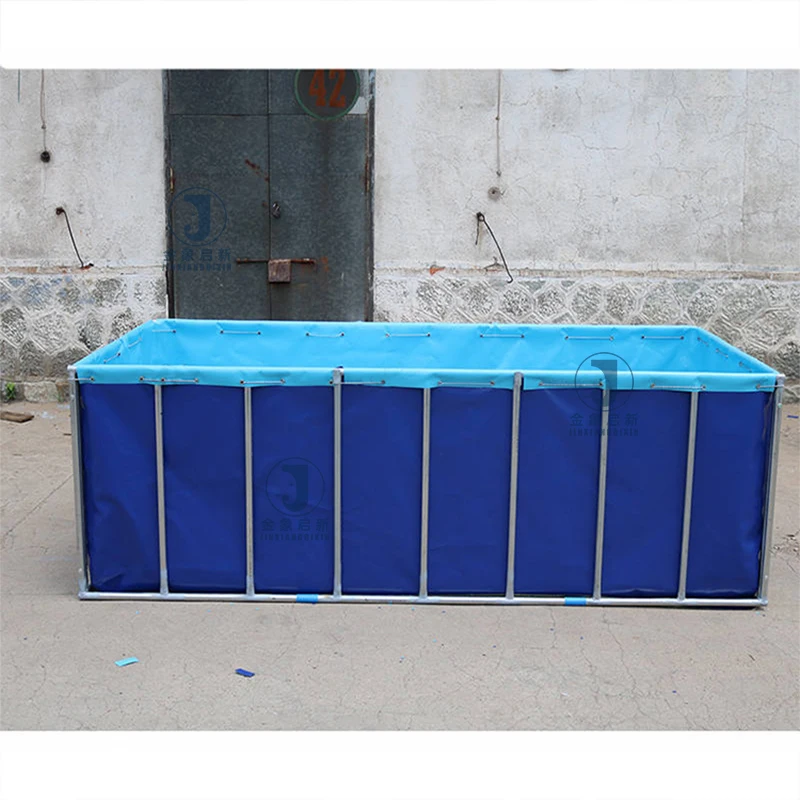
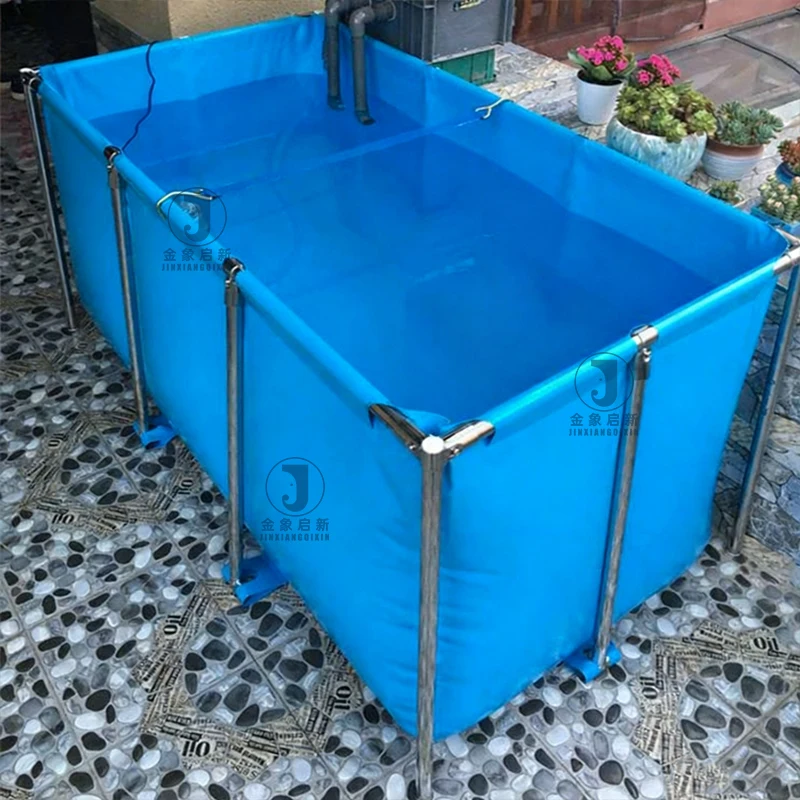
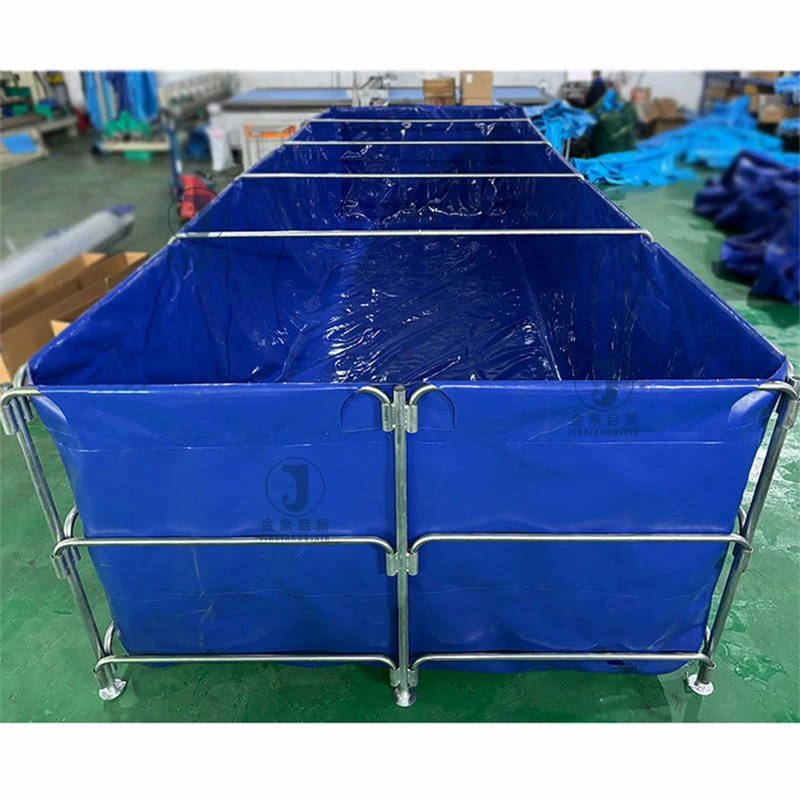
Proven Coating Adhesion — Nearly three decades of hot-melt and laminated PVC processing ensures consistent bond integrity between coating and high-tenacity polyester mesh, verified roll by roll before dispatch.
Technical Specifications
| Parameter | Value |
|---|---|
| Product Type | PVC Coated Tarpaulin |
| Base Fabric | High-strength polyester mesh fabric |
| Coating Material | PVC |
| Coating Method | Laminated technology / Hot-melt coating technology |
| Weight Options | 350gsm / 420gsm / 500gsm / 550gsm / 600gsm / 750gsm |
| Thickness Options | 0.32mm / 0.35mm / 0.4mm / 0.45mm / 0.5mm / 0.65mm |
| Roll Width | 2m / 2.1m |
| Roll Length | 75m (2m width) / 50m (2.1m width) |
| Color Options | Blue / Red / Yellow / Light blue / Grey (custom colors available) |
| Special Treatments | Flame retardant, anti-static, anti-cold, anti-mildew, 3P — confirm the grade required for your project |
| Key Features | Waterproof, cold crack resistance, anti-mildew, sunproof, outstanding tearing strength for welding, color fastness |
| Certifications | ISO, CE |
Application Suitability
| Application | Exposure & Requirement |
|---|---|
| Above-ground fish farming ponds | Continuous water immersion, biological growth pressure, UV exposure, welded seam integrity under hydrostatic load |
| In-ground aquaculture reservoirs | Soil chemistry contact, puncture risk from substrate, long-term water containment reliability |
| Industrial water containment | Fire-retardant compliance on regulated sites, chemical exposure from stored water, anti-static requirements |
| Agricultural irrigation reservoirs | Seasonal temperature cycling, sun exposure, mechanical damage risk during installation and maintenance |
| Nursery and hatchery tanks | Anti-mildew performance in warm water, precise sizing for fabricated tank liners, color consistency across panels |
Why Coated Fabric Fails at the Weld Line Before the Material Does
A PVC coated pond liner that tears at the seam while the body fabric remains intact is not a material failure — it is a specification mismatch. The tearing strength at the weld zone must be evaluated independently from the bulk fabric rating.
Most buyers focus on GSM and tensile figures without checking how the coating bonds to the base yarn under thermal welding. When a pond liner holds thousands of liters of water, the flexing at each welded joint creates cyclic stress that generic tarpaulin cannot sustain [NEED_CITE: tensile and tear test methods for coated fabrics per ISO 1421]. I have seen coated rolls where the PVC layer delaminates cleanly from the polyester mesh at the weld, leaving a channel that leaks within the first filling cycle. Specifying a fabric with documented tearing strength for welding — and verifying it against the grade you ordered — is the single most important decision in pond liner procurement.
How Hot-Melt Coating Protects Welded Pond Liner Seams
Hot-melt coating technology forces PVC into the interstices of the high-tenacity polyester mesh under heat and pressure, creating a mechanical bond that resists separation during thermal welding. This is critical for PVC coated tarpaulin for fish pond applications where welded seams carry the full hydrostatic load. Laminated technology provides an alternative coating method suited to applications where flexibility and cost balance are prioritized. Both methods produce a fully waterproof barrier, but the choice between them affects how the material responds to on-site heat welding and long-term immersion.
Anti-Mildew and Cold Crack Resistance for Aquatic Environments
Submerged and semi-submerged pond liners face biological degradation that above-ground fabrics never encounter. The anti-mildew treatment in this PVC coated pond liner fabric resists fungal and algal colonization on the coating surface, which otherwise accelerates plasticizer migration and embrittlement. Cold crack resistance ensures the material retains flexibility during winter temperature drops, preventing the micro-fractures that lead to slow leaks in outdoor aquaculture installations [NEED_CITE: cold crack test standards for flexible PVC coated fabrics]. These treatments are specified at the coating formulation stage and must be confirmed against the batch you receive.
Reading GSM, Thickness, and Coating Weight Together
GSM alone tells you how much the fabric weighs per square meter, but it does not distinguish between a dense base fabric with thin coating and a light mesh buried under thick PVC. A 550gsm roll with high denier yarns and moderate coating will resist puncture and tearing differently than a 550gsm roll with low denier yarns and heavy coating fill. Thickness measurements — ranging from 0.32mm to 0.65mm across the available grades — provide a secondary check, but the relationship between thickness and strength depends on how the coating penetrates the mesh structure. The hot-melt process drives coating deeper into the weave than lamination, typically yielding higher peel strength at equivalent GSM. For pond liner applications, requesting the material specification sheet with base fabric denier, weave density, and coating weight breakdown gives you the data to match the correct grade to your pond depth and water volume.
The Hidden Cost of Specifying the Wrong Liner Grade
Choosing a lighter GSM to reduce material cost on a deep commercial pond often results in premature failure at stress concentration points — corners, inlet penetrations, and welded overlaps. When the PVC coated pond liner fabric is too thin for the hydrostatic pressure it must contain, the base fabric stretches beyond recovery and the coating develops pinhole fractures [NEED_CITE: hydrostatic pressure and coated fabric deformation in water containment]. Anti-mildew treatment claimed without supporting test documentation means the liner may degrade biologically within a single growing season, forcing unplanned replacement. Color inconsistency between rolls in a large installation creates visible banding once the liner is deployed, which may not affect function but damages professional credibility on contracted aquaculture projects. Every one of these failures traces back to a specification that was accepted without verification.
Why Procurement Teams Source This Fabric Here
Three full production lines and 36 sets of professional equipment support consistent roll-to-roll output across the full 350gsm to 750gsm range, eliminating the batch variation that plagues smaller coating operations. A dedicated 10-person R&D team handles custom color matching, width specification, and sample development — delivering confirmation samples within days rather than weeks for aquaculture projects with tight construction timelines. Quality control includes 100% pre-shipment inspection with roll-by-roll GSM verification, so the weight stated on your quotation is the weight that arrives at your site [NEED_CITE: pre-shipment inspection protocols for coated fabric rolls]. The production facility maintains ISO and CE certification with documentation matched to each shipped batch, providing the compliance trail that regulated aquaculture and industrial water containment projects require.
Documentation & Verification
- Material specification sheet stating exact GSM, base fabric denier, coating method, and weight per batch
- Flame retardant and anti-static test reports — confirm the grade required for your market before ordering
- ISO and CE certificates issued against the specific shipped batch, not generic standing documents
- Pre-shipment inspection record with roll-by-roll GSM and thickness verification data
- Certificate of origin and customs documentation prepared for international shipment
Fabrication, Handling & Storage
- Heat weld at temperatures matched to the selected GSM grade — thicker 750gsm material requires higher dwell time than 350gsm for full bond penetration
- Store rolls vertically on pallets in shaded conditions to prevent compression creasing that weakens the PVC coating at fold lines
- Allow cold-stored rolls to acclimate to ambient temperature before unrolling to preserve cold crack resistance properties
- Cut panels with overlap allowance for welded seams — the 2m and 2.1m widths require different layout planning for large pond footprints
- Clean fabricated liners with mild detergent only; solvent-based cleaners degrade the anti-mildew treatment on the coating surface
- Repair minor punctures on site using PVC-compatible adhesive patches matched to the coating method — hot-melt and laminated surfaces respond differently to field repair compounds
What to Include in Your Inquiry
Provide the intended pond dimensions, water depth, and whether the installation is above-ground or in-ground so the correct GSM grade and thickness can be recommended. Specify any fire-retardant or anti-static compliance requirements your local regulation or site operator demands, along with the applicable test standard. Confirm whether you require full rolls at standard 2m or 2.1m width, custom cut panels, or fabricated finished liners with welded seams. If color matching or custom printing is needed for project identification, include the reference color or artwork so samples can be prepared for your approval before production begins.
Frequently Asked Questions
Q: What fire-retardant grade does the pond liner fabric carry?
A: Flame retardant treatment is available as a special option, but the specific grade depends on your market requirement. Confirm whether your project needs B1 per DIN 4102, M2, NFPA 701, or another standard before ordering. The test report matching the applicable grade is supplied with the shipment documentation when specified at inquiry stage.
Q: How is anti-static performance documented for aquaculture containment?
A: Anti-static treatment is available for specialist water containment applications where surface resistivity matters. The measurement method and acceptable range depend on your site specification. Request the test report format your compliance team requires and confirm the target surface resistance value during the quotation stage so the correct formulation is applied.
Q: How do I verify GSM and coating weight when the rolls arrive?
A: Each shipment includes a pre-shipment inspection record documenting roll-by-roll GSM and thickness measurements taken before dispatch. On arrival, you can cross-check by cutting a measured sample from the roll end and weighing it on a calibrated scale. Any discrepancy against the quotation specification should be reported with the inspection record for resolution.
Q: What roll widths and lengths are available for large pond projects?
A: Standard roll widths are 2m at 75m length and 2.1m at 50m length. Custom widths and lengths are available subject to production scheduling and minimum order requirements. For large pond installations, providing the exact panel layout allows the production team to recommend the roll format that minimizes welded seams and material waste on site.
Q: Can the fabric be heat-welded on site for custom pond shapes?
A: Yes, the high-tenacity polyester base with hot-melt or laminated PVC coating is engineered for thermal welding. Welding temperature and dwell time must be matched to the specific GSM grade selected. Request the recommended welding parameters for your grade before fabrication begins, and test weld a sample section to confirm bond strength before proceeding with the full installation.