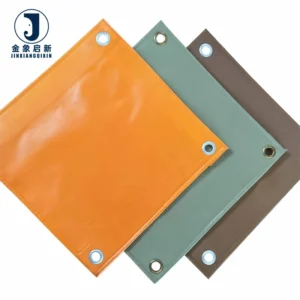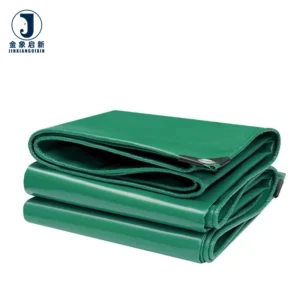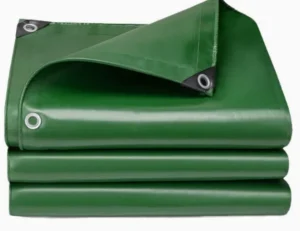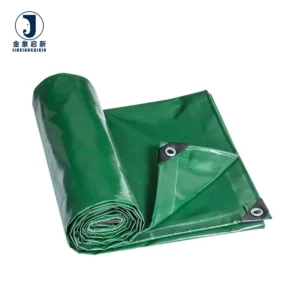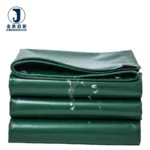
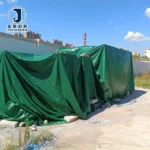

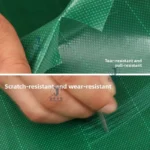


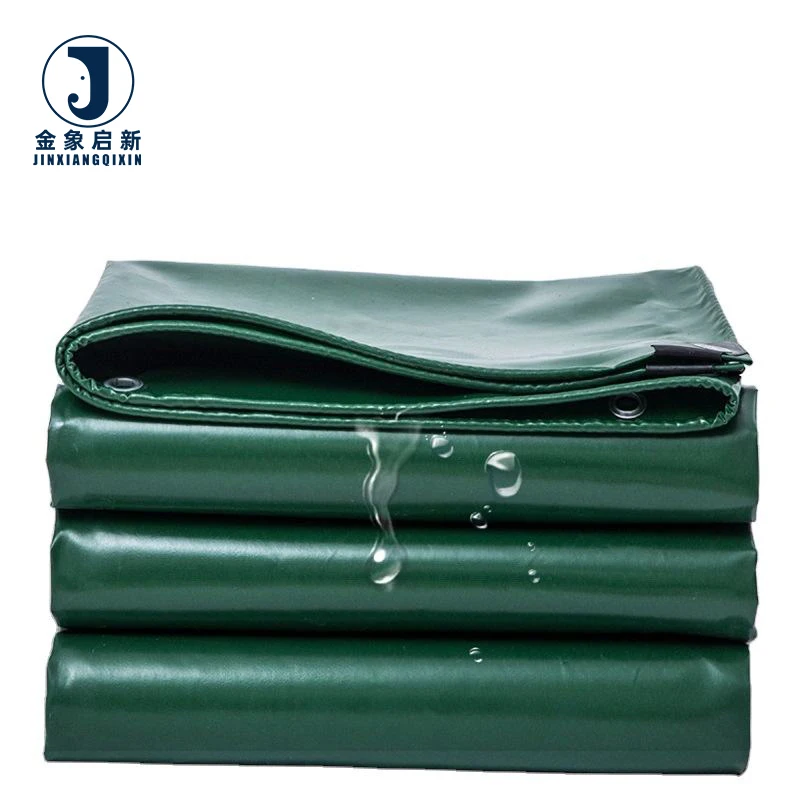
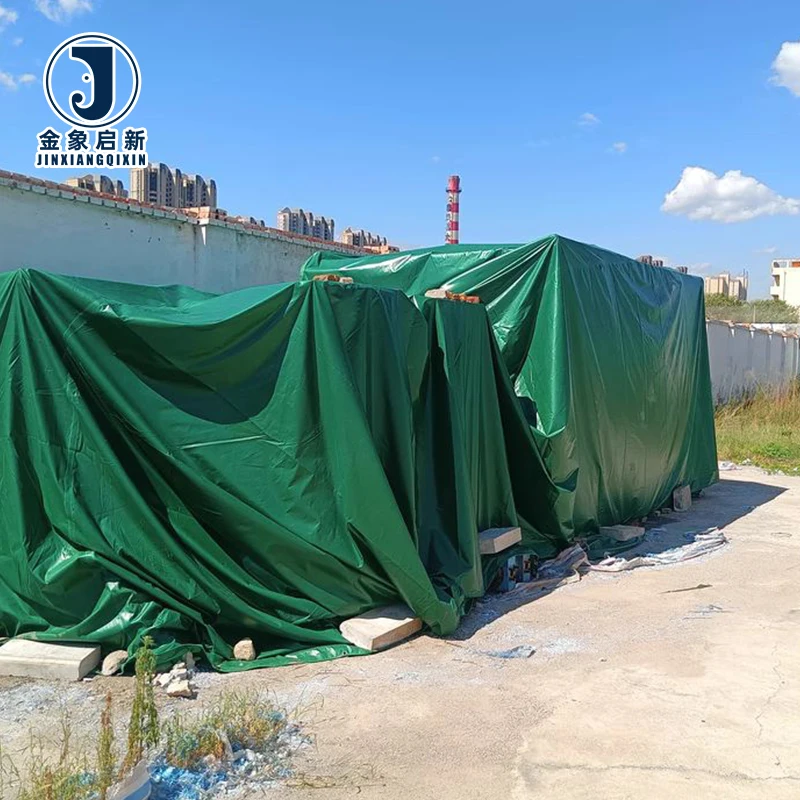
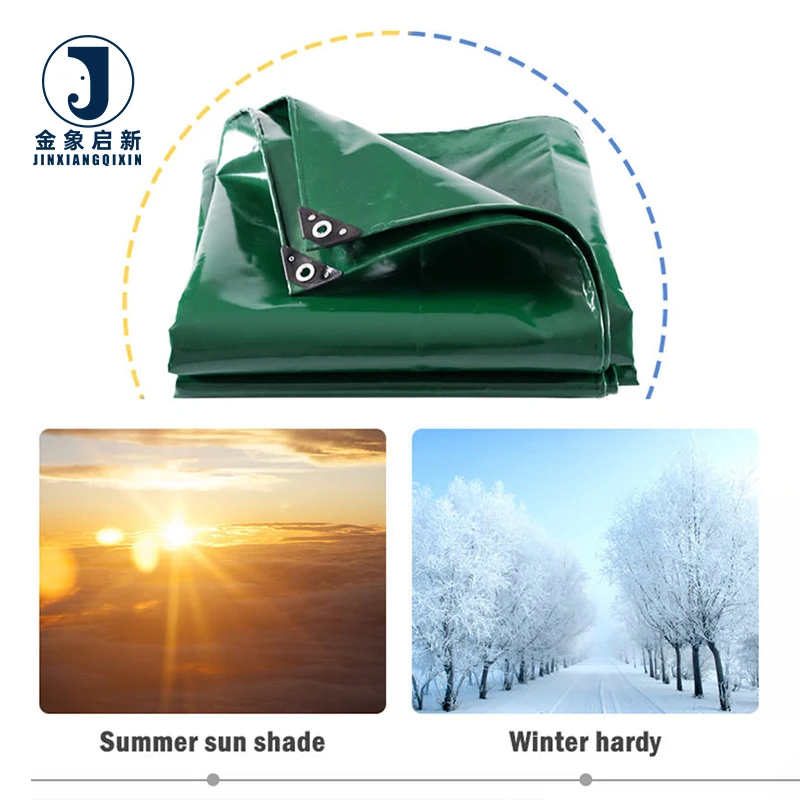
Deep Process Control Over Coating — Verified through 100% pre-shipment inspection on every roll of PVC coated tarpaulin, matching the stated GSM and coating weight to your compliance documentation.
Technical Specifications
| Parameter | Value |
|---|---|
| Product Type | PVC Coated Tarpaulin |
| Coating Material | PVC |
| Construction | Double-Faced |
| Flame Retardant | Available in flame retardant grades — confirm the grade required for your market |
| UV Treatment | Available with UV treatment — test basis to be confirmed per order |
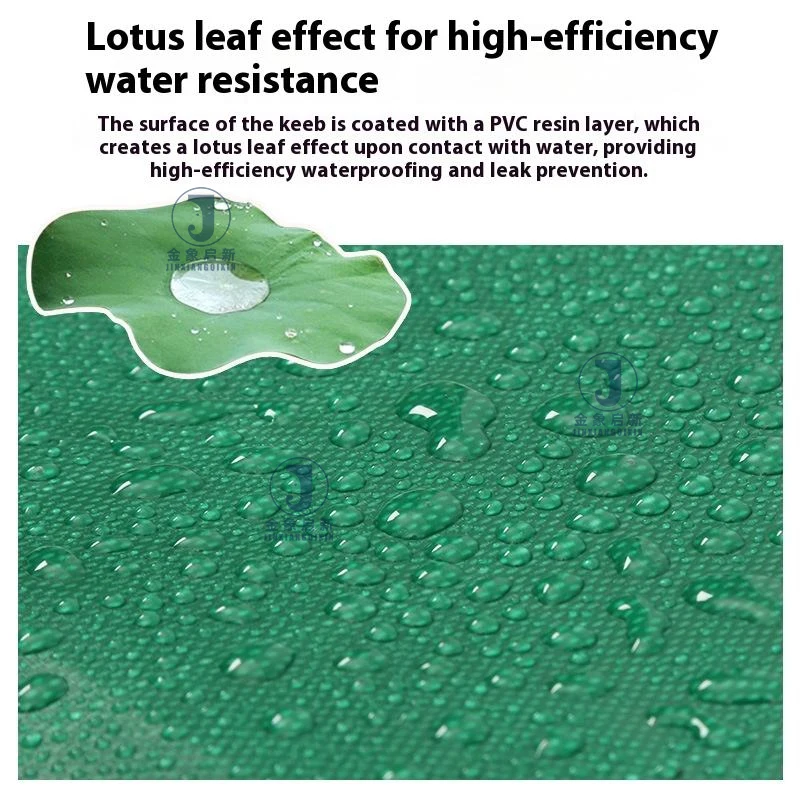
| Water Resistance | Water resistant |
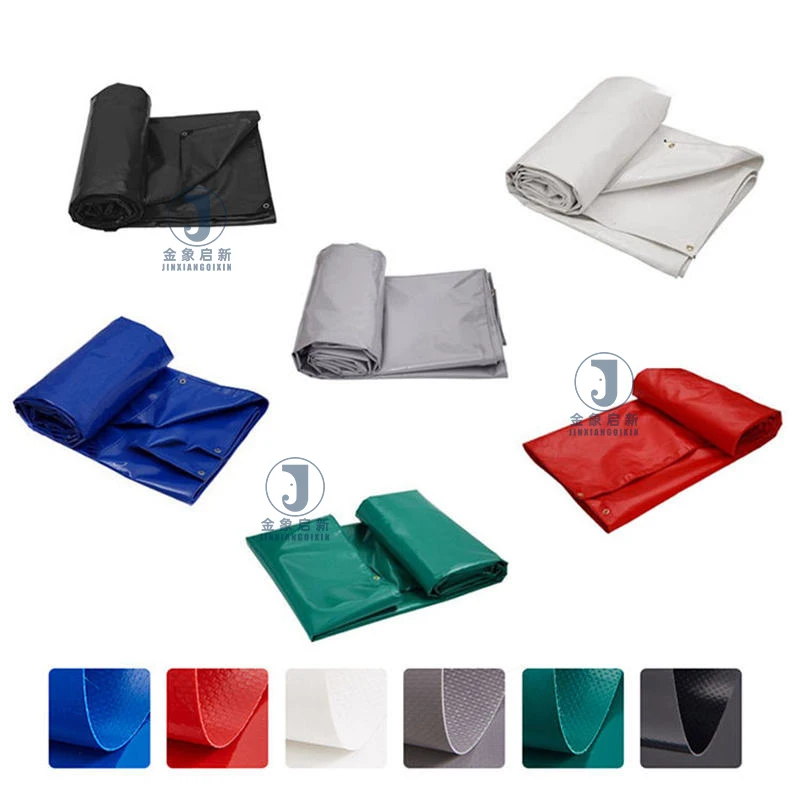
| Color Options | Black, multiple colors available |
| Finish | Double-faced |
Application Suitability
| Application | Exposure & Requirement |
|---|---|
| Flatbed trailer cargo covering | Continuous road vibration, UV exposure, wind uplift at highway speed, flexing at load edges |
| Lumber transport protection | Abrasive timber surfaces, moisture ingress risk, heavy tie-down compression at contact points |
| Mining fleet vehicle covers | Dust ingress, chemical exposure from site runoff, fire-retardant compliance on active mine sites |
| Aviation ground support equipment covers | Fuel and hydraulic fluid contact, static discharge risk, apron UV and temperature cycling |
| Tunnelling contractor transport covers | Particulate abrasion, confined-space fire compliance, moisture and groundwater exposure |
Why "Certified" on the Quotation Does Not Always Mean Certified on Site
A fire-retardant claim without a matching test report and grade is a liability, not a specification.
When a ventilation duct or truck cover arrives on a mining site or aviation apron without the fire-retardant or anti-static certification the site safety officer requires, work stops. The contractor either pays for a replacement at short notice or absorbs the delay penalty. This happens more often than suppliers acknowledge, and the root cause is usually a quotation that says "flame retardant" without naming the standard. [NEED_CITE: fire-retardant compliance requirements for coated fabrics on industrial sites per DIN 4102]
For transport and specialist structure applications, the PVC coated truck tarpaulin fire retardant anti-static certified specification must arrive with documentation that matches the jurisdiction. A B1 grade satisfies certain European markets; NFPA 701 applies in North America. Without that alignment, the fabric is technically uncertified regardless of what the coating contains.
Coating Weight and Compliance Go Hand in Hand
On a mine site or aviation apron, the safety team inspects documentation before they inspect the fabric. A PVC coated truck tarpaulin fire retardant anti-static certified product must carry a test report that names the exact grade and the laboratory that issued it. Our R&D team matches the coating formulation to the required standard before production begins, so the material leaving the line corresponds to the certificate on file. This eliminates the mismatch between what was ordered and what shows up at the gate.
Double-Faced Construction for Balanced Wear
In transport and industrial covering, both sides of the fabric encounter stress. The load-facing side absorbs abrasion from cargo shifting under tie-downs, while the weather-facing side takes UV, rain, and road spray. A double-faced PVC coated truck tarpaulin fire retardant anti-static certified construction delivers uniform coating weight on both surfaces, preventing the situation where one face degrades ahead of the other and exposes the base fabric to moisture ingress. [NEED_CITE: tensile and tear test methods for coated fabrics per ISO 1421]
Reading the Specification Sheet Before It Reaches the Site
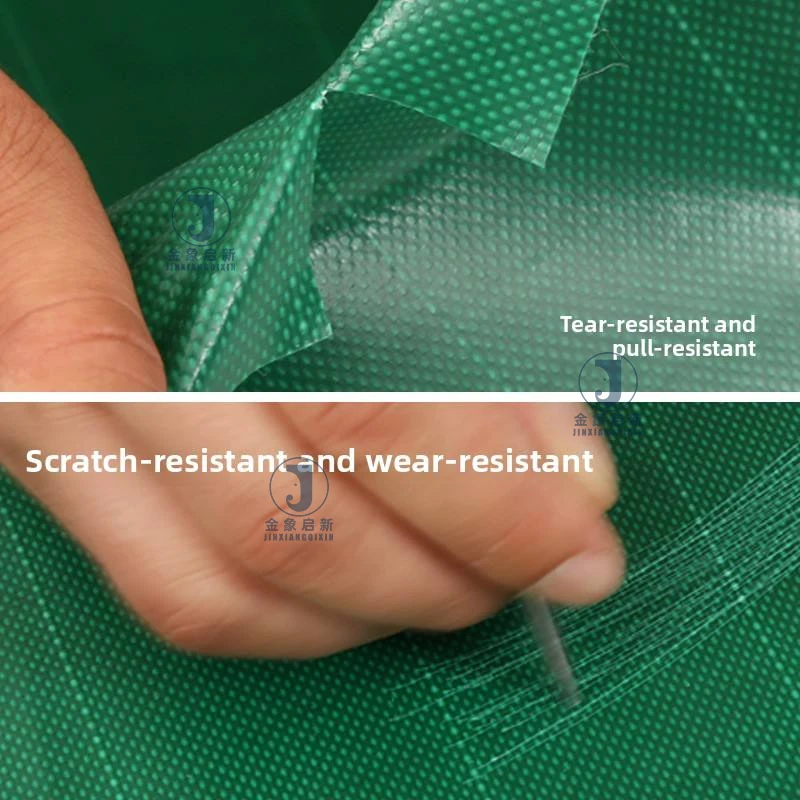
The base fabric denier and weave pattern determine how the material behaves under tensile and tear load. A higher denier in the warp direction supports the lengthwise tension that flatbed tie-downs impose, while the weft density controls how a puncture or cut propagates across the panel. Coating method and weight, expressed as GSM, must be read alongside the base fabric specification — a heavy coating over a light base fabric will crack at fold points, while a light coating over a heavy base will abrade through before the fabric itself fails. The flame-retardant treatment is integrated into the PVC compound; it is not a topical spray that washes off after repeated rain exposure. Water resistance and mildew resistance come from the sealed coating surface, which prevents moisture from reaching the polyester base yarn where biological growth begins. For flatbed and lumber transport, this sealed surface also resists sap and resin staining that would otherwise bond to an open-weave material.
What Happens When the Grade Does Not Match the Site
A tarpaulin that passes a flame test in one classification system may not satisfy the standard enforced at the project site. The consequence is not a minor paperwork correction — the site safety officer rejects the material, the load sits uncovered, and the transport operator either sources a replacement locally at premium cost or absorbs a schedule delay. Anti-static performance carries a similar risk: without a surface resistance test report, the fabric cannot be approved for use near fuel handling or explosive dust environments. Batch-to-batch variation in coating weight compounds the problem, because a roll that tested correctly in the sample phase may arrive lighter and fail the same test on site. [NEED_CITE: anti-static surface resistance requirements for coated fabrics in hazardous areas]
Why Procurement Teams Source This Fabric Here
Three full production lines and 36 sets of professional equipment support bulk roll output with consistent coating weight across the entire order, so the first roll and the last roll in a container match the same specification. A 10-person R&D team handles material selection, coating formulation, and sample development in-house, meaning the fire-retardant grade and colour reference are confirmed before production starts rather than adjusted after the fact. Dedicated QA and QC inspection at every production stage, with 100% pre-shipment inspection, catches GSM deviation and coating adhesion issues before the rolls are packed. Samples for custom widths, colours, and treatment grades are developed within days, allowing procurement to verify compliance before committing to a production run. Nearly 30 years of focused coated fabric production provides the process control needed to hold coating weight and flame-retardant additive ratios within the tolerance the test report demands.
Documentation & Verification
- Material specification sheet stating GSM, base fabric denier, weave pattern, and coating method for every roll
- Fire-retardant test report with grade matched to the destination market standard
- Anti-static surface resistance test report where site compliance requires it
- UV test report documenting treatment basis and exposure classification
- Pre-shipment inspection record confirming coating weight and adhesion per batch
- Certificate of origin and customs documentation for cross-border shipments
Fabrication, Handling & Storage
- Heat-weld seams using temperature and speed settings matched to the PVC coating weight to prevent delamination at flex points
- Reinforce eyelet and hem zones with additional PVC layers to distribute tie-down load across the double-faced construction
- Store rolls upright on pallets in shaded, ventilated areas to prevent compression marks on the coated surface
- Allow cold-stored rolls to reach ambient temperature before unrolling to avoid coating crack at fold lines
- Clean the water-resistant surface with mild detergent and soft brush; avoid solvents that degrade the PVC compound
- Use PVC-compatible adhesive patches for field repairs on punctures, ensuring the patch coating matches the base material grade
What to Include in Your Enquiry
To specify the correct material, share the fire-retardant or anti-static standard enforced at your site, the trailer or structure dimensions, and the annual volume you expect to cover. If colour matching or batch consistency across multiple shipments matters, provide the RAL or Pantone reference. Confirm whether you need rolls at stock width or finished panels cut to your trailer model with eyelets and reinforced hems already installed.
Frequently Asked Questions
Q: What fire retardant grade does the tarpaulin carry and which markets does it satisfy?
A: The PVC coated tarpaulin is available in multiple flame-retardant grades. The specific grade — such as B1 per DIN 4102, M2, or NFPA 701 — depends on your market requirement. Confirm the standard your site enforces, and we supply the matching test report issued by a recognized laboratory with each production batch.
Q: How is anti-static performance verified and what surface resistance value is guaranteed?
A: Where anti-static treatment is specified, we provide a surface resistance test report documenting the measured value. The acceptable range depends on your site classification for hazardous areas. Share the standard your safety officer requires, and we confirm the formulation and test result before production proceeds.
Q: What UV test basis supports the outdoor exposure claim for road transport use?
A: UV treatment is integrated into the PVC coating compound rather than applied as a topical finish. The test basis and exposure classification are documented in a report available per order. Provide your expected service environment so we match the UV stabiliser package to the exposure duration your fleet requires.
Q: Can custom sizes with eyelets and reinforced hems be produced for specific trailer models?
A: Yes. Custom panels are cut to the specific trailer dimensions you provide, with eyelets spaced to match your tie-down configuration and reinforced hems at high-stress edges. The R&D team develops a sample for fitment verification before the production run begins, ensuring the cover matches the trailer profile.
Q: What documentation ships with each order for compliance audits on site?
A: Each shipment includes the material specification sheet, fire-retardant and anti-static test reports where applicable, pre-shipment inspection records, roll packing list, and certificate of origin. All documents reference the batch number so your site safety team can trace every roll back to its production and test data.