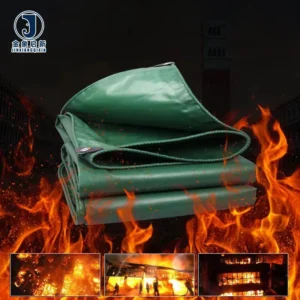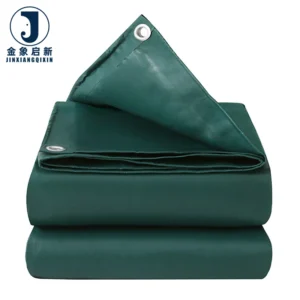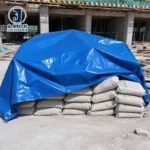
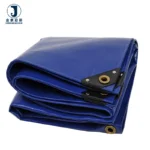
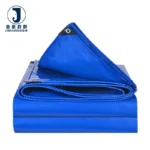
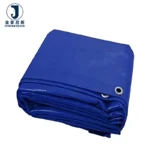
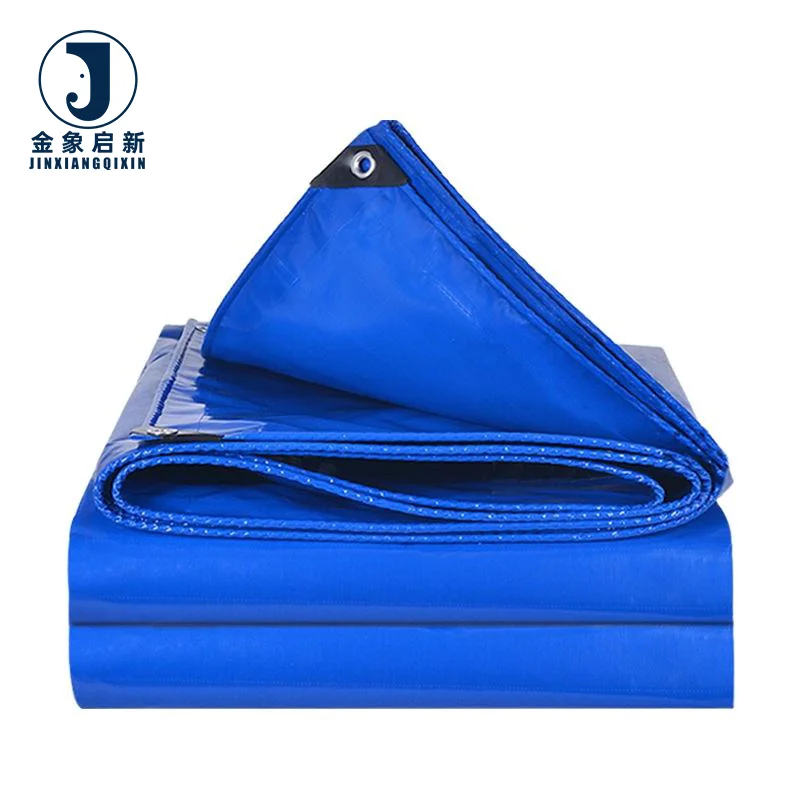
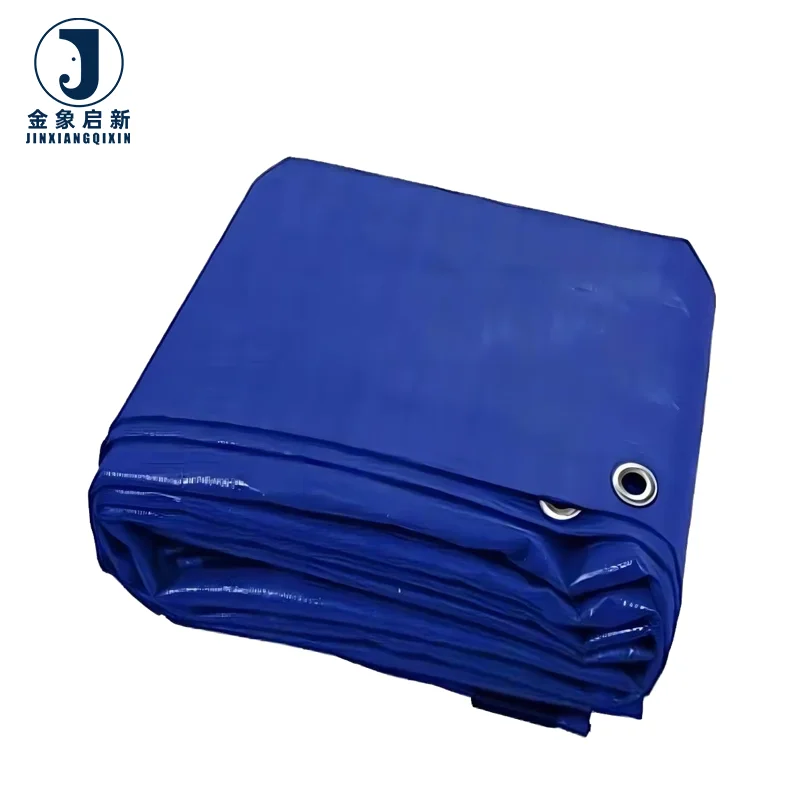
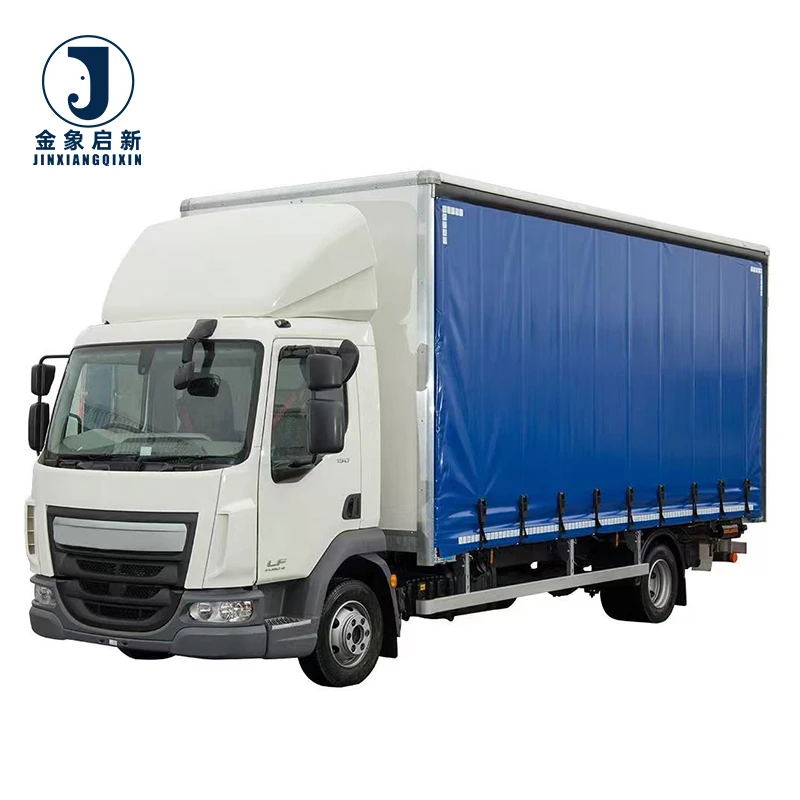
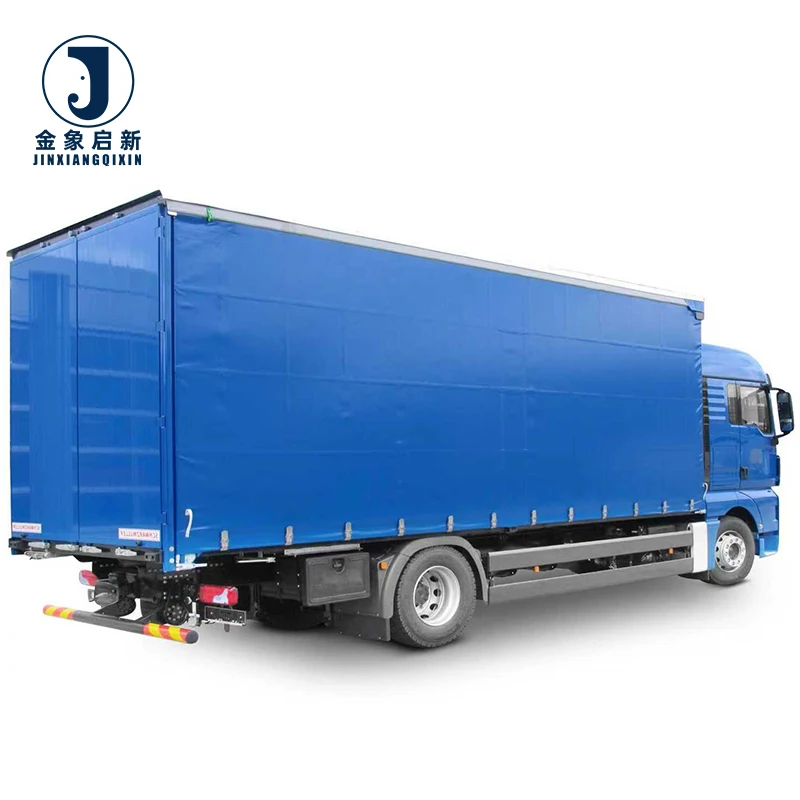
Process-Controlled Coating — Nearly 30 years focused on PVC coated fabric, with strict control over coating weight and adhesion, delivering verified fire-retardant and anti-static ventilation duct material backed by full certification documentation.
Technical Specifications
| Parameter | Value |
|---|---|
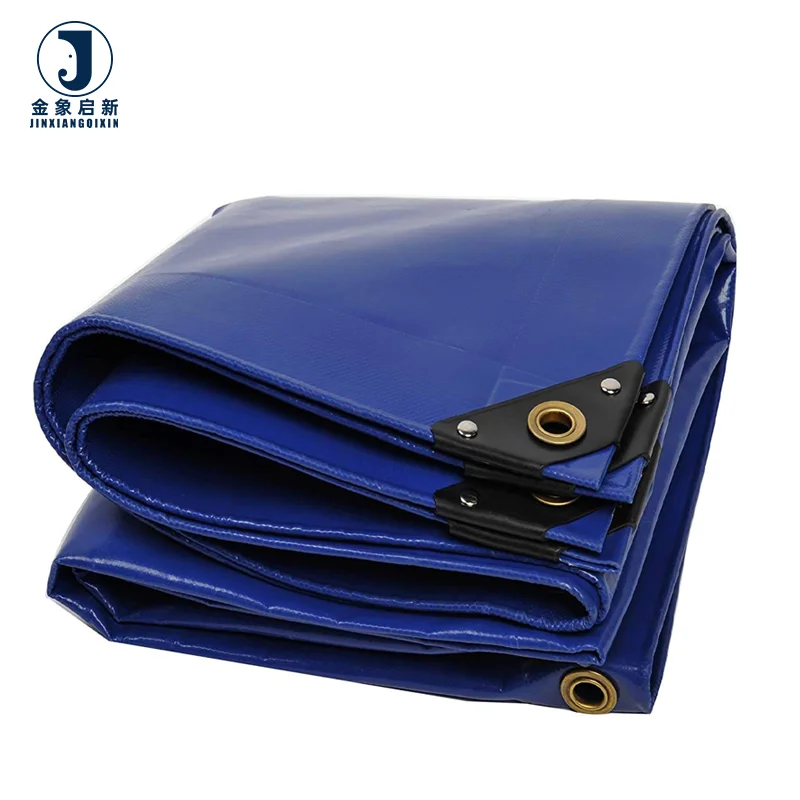
| Product Type | PVC Coated Tarpaulin |
| Base Fabric Denier | 200DX300D / 500DX500D / 840DX840D / 1000DX1000D (selection based on tensile and tear demands) |
| Weight | 250gsm-1500gsm (confirm the specific grade required for your application) |
| Surface Finish | Available in glossy or matte finish |
| Temperature Range | -15ºC to 70ºC |
| Fire Retardant | FR treated (grade not stated in source — confirm the grade required for your market) |
| Anti-Static | Available (surface resistance standard to be confirmed per order) |
| Waterproof | Yes, fully coated construction |
| Anti-Fungal | Treated (standard not stated in source) |
| UV Treatment | Customized (test basis not stated in source) |
| Key Features | Water-proof, rain-resistant, tear-resistant, durable, good flexibility and adhesion strength, abrasion resistance |
| OEM/ODM | Available |
| Standards | ISO, CE |
Application Suitability
| Application | Exposure & Requirement |
|---|---|
| Mining ventilation duct | Constant negative or positive air pressure, rock dust abrasion, strict fire-retardant and anti-static compliance underground |
| Tunnelling air duct | Confined humid environment, mechanical snagging risk, verified FR documentation required for site safety audit |
| Aviation ground support duct | Jet blast proximity, fuel vapour exposure, anti-static surface resistance to prevent spark ignition |
| Membrane and inflatable structures | Continuous tension loading, solar UV exposure, weld seam integrity under cyclic wind load |
| Temporary industrial enclosures | Weather shielding for plant shutdowns, rapid deploy and dismantle, flame-retardant site regulations |
What "Certified" Ventilation Duct Material Actually Means on a Job Site
Fire-retardant and anti-static claims only matter when the test report matches the shipment you receive.
Many contractors have faced site shutdowns because the PVC coated tarpaulin delivered for ventilation duct fabrication arrived without the fire-retardant or anti-static certification the safety auditor demanded. The quotation says FR treated, but the grade is unspecified, the test report is missing, and the anti-static surface resistance is unverified. [NEED_CITE: fire-retardant compliance requirements for underground mining ventilation ducts] In enclosed or subterranean environments, a fabric that fails to meet the specified classification is not just a commercial problem — it halts the entire operation until compliant material is sourced and installed.
Base Fabric Denier and the Demands of Duct Construction
Selecting the correct base fabric denier is the first decision when specifying PVC coated tarpaulin for industrial air ducts. The 200DX300D option suits lightweight, low-pressure duct runs where flexibility and ease of handling are priorities. The 840DX840D and 1000DX1000D grades provide the tensile and tear reserve needed for high-pressure mining and tunnelling ducts that endure rock contact and mechanical handling. The denier directly influences how the fabric behaves during fabrication and throughout its service life under continuous air pressure cycling.
Coating Adhesion and Weld Seam Integrity
The relationship between coating weight and adhesion strength determines whether a welded seam holds under the cyclic flexing of a ventilation duct. When the PVC coating is properly bonded to the polyester base fabric, heat-welded seams achieve a bond that approaches the strength of the fabric itself. Matte and glossy surface finishes are available, and the choice affects welding behaviour — gloss surfaces typically require precise temperature control to avoid surface marking, while matte finishes can offer a wider processing window. [NEED_CITE: heat welding parameters for PVC coated polyester fabrics]
Temperature Range and Environmental Boundaries
The operating temperature range of -15ºC to 70ºC defines where this PVC coated tarpaulin performs reliably. In deep mining operations, ambient temperatures can approach the upper boundary, and the coating must resist softening that reduces seam strength. At the lower end, surface installations in cold climates require the fabric to remain flexible enough for deployment without cracking at fold lines or weld joints. Understanding these boundaries prevents material failure driven by thermal conditions outside the rated range.
Specification Mismatches That Surface After Installation
Ordering ventilation duct fabric without confirming the fire-retardant grade against local mining regulations results in material that passes visual inspection but fails the site safety audit. Anti-static performance specified for aviation ground support duct must be documented with a measured surface resistance value — a generic "anti-static treated" note on the quotation is insufficient. [NEED_CITE: anti-static surface resistance standards for aviation fuel handling environments] When a batch of duct fabric arrives with colour variation between rolls, the inconsistency becomes visible once multiple sections are joined in a continuous run, triggering rejection and replacement costs that far exceed the material value.
Why Specialist Fabrication Sourcing Matters Here
Three full production lines with 36 sets of professional equipment provide the capacity to supply complete project volumes of PVC coated tarpaulin for ventilation duct and membrane structure fabrication within standard lead times. A dedicated 10-person R&D team handles material selection, sample development, and specification matching for fire-retardant and anti-static requirements. Every roll undergoes 100% inspection before shipment, with a pre-shipment inspection record included in the dispatch documentation. Samples for custom width, colour, or treatment grades are developed within days, allowing fabricators to validate welding parameters and seam construction before committing to a production order. Material specification sheets accompany each shipment, stating GSM, base fabric denier, coating method, and colour reference tied to batch numbers.
Documentation & Verification
- Material specification sheet stating GSM, base fabric denier, and coating method for each roll
- Fire-retardant test report matched to batch number where applicable
- Anti-static surface resistance measurement supplied on request for mining and aviation orders
- ISO and CE certificates included with every shipment
- Pre-shipment inspection record confirming coating weight and visual quality
- Certificate of origin and customs documentation for international dispatch
Fabrication, Handling & Storage
- Heat weld temperature and dwell time must be validated against the selected glossy or matte surface finish
- Store rolls horizontally on pallets to prevent permanent creasing of the PVC coated tarpaulin surface
- Allow cold-stored rolls to reach above 10ºC before unrolling to avoid coating crack at fold lines
- Use compatible PVC-based adhesives for field repairs, matching the coating weight of the duct fabric
- Plan cut layouts to minimise weld seams in high-flex zones of the ventilation duct run
Before You Request a Quote
Provide the ventilation duct diameter, run length, and operating pressure so we can recommend the appropriate base fabric denier and coating weight. Confirm the fire-retardant classification and anti-static surface resistance standard your site safety plan requires. Specify whether you need rolls at a particular width for your fabrication equipment or finished cut-to-size panels with welded seams.
Frequently Asked Questions
Q: Which fire-retardant grade does my mining or tunnelling project require?
A: Requirements vary by jurisdiction — common classifications include M2, B1, and NFPA 701. Confirm the grade specified in your site safety plan or local mining regulations before placing your order. We supply a test report matched to the batch number for the fire-retardant grade you specify, ensuring documentation aligns with the PVC coated tarpaulin shipment you receive.
Q: What anti-static surface resistance standard can you meet?
A: Anti-static performance for mining and aviation duct applications must be measured and documented. Confirm the surface resistance value your project specification requires — typical standards define thresholds in ohms per square. We provide measured results on request, tied to the specific PVC coated tarpaulin batch produced for your order.
Q: How do I verify the GSM matches the quotation on arrival?
A: Each shipment includes a material specification sheet stating the confirmed GSM, base fabric denier, and coating method for every roll. Our 100% pre-shipment inspection record documents the verified weight before dispatch. If you conduct incoming inspection, we recommend cutting a measured sample from the roll and weighing it against the stated specification.
Q: What welding parameters do you recommend for duct fabrication?
A: Welding temperature and dwell time depend on the coating weight and whether you selected a glossy or matte surface finish. We recommend requesting a sample of the exact PVC coated tarpaulin grade you intend to order, then running test welds on your equipment to establish optimal settings before commencing full production.
Q: What are the lead times for custom fire-retardant grades or widths?
A: Custom treatment grades and non-standard widths require additional production scheduling. Confirm your required fire-retardant classification, anti-static specification, roll width, and quantity early in the inquiry process. We provide a detailed lead time with the quotation so you can align material delivery with your fabrication and project installation timeline.