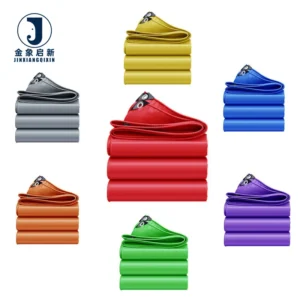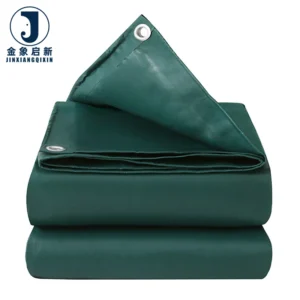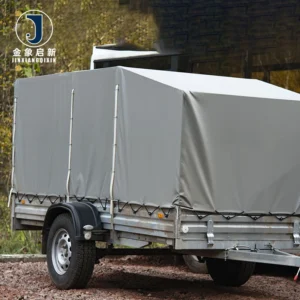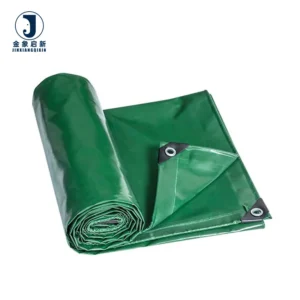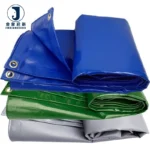
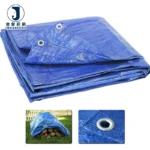
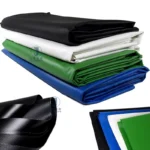
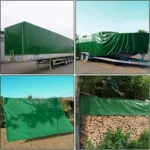
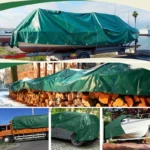
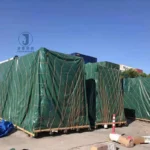
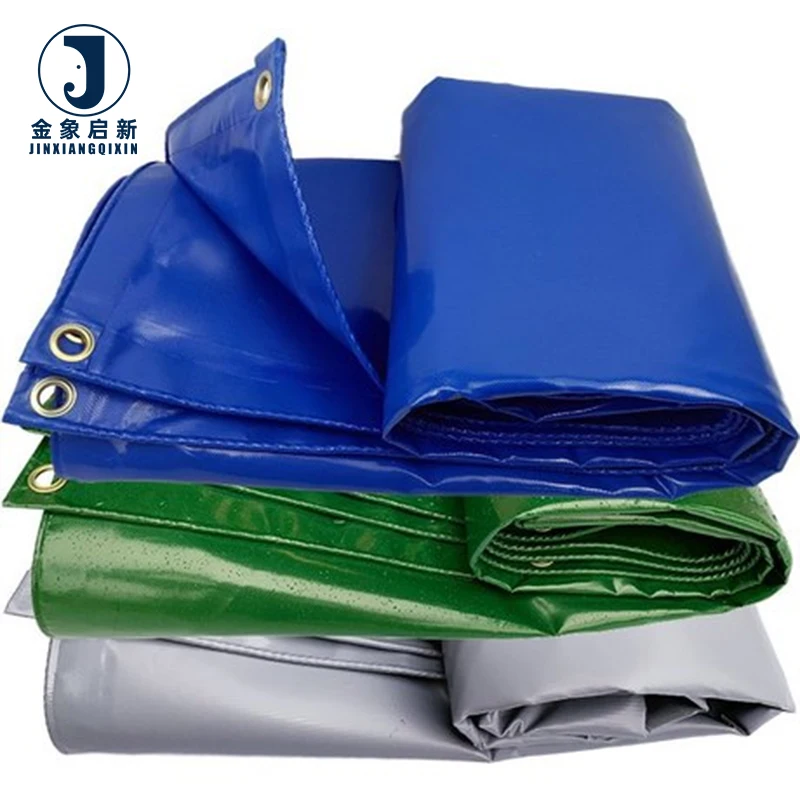
Compliance-Backed Ventilation Fabric — Every roll of fire retardant PVC coated tarpaulin ships with the test reports and certification paperwork your site inspector demands.
Technical Specifications
| Parameter | Value |
|---|---|
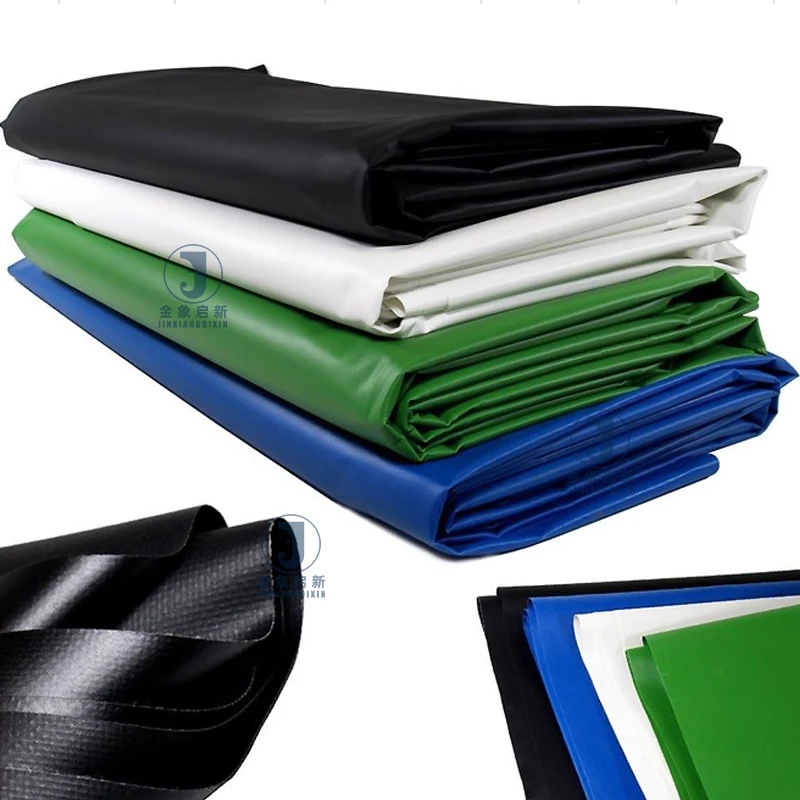
| Product Type | PVC Coated Tarpaulin |
| Base Fabric Yarn | 500D x 500D Polyester |
| Coating Material | Double-Sided PVC & Polyester |
| Thickness Range | 450–900 g/m² |
| Flame Retardant | Available in flame retardant grades — confirm the grade required for your market (e.g., M2, B1, NFPA 701, DIN 4102) |
| UV Treatment | Anti-UV treatment applied (test basis available on request) |
| Waterproof Performance | Fully waterproof coated construction |
| Repairability | Repairable by hot air welding |
| Packaging | Roll packing, bale packing, carton |
| Standards | ISO, CE |
Application Suitability
| Application | Exposure & Requirement |
|---|---|
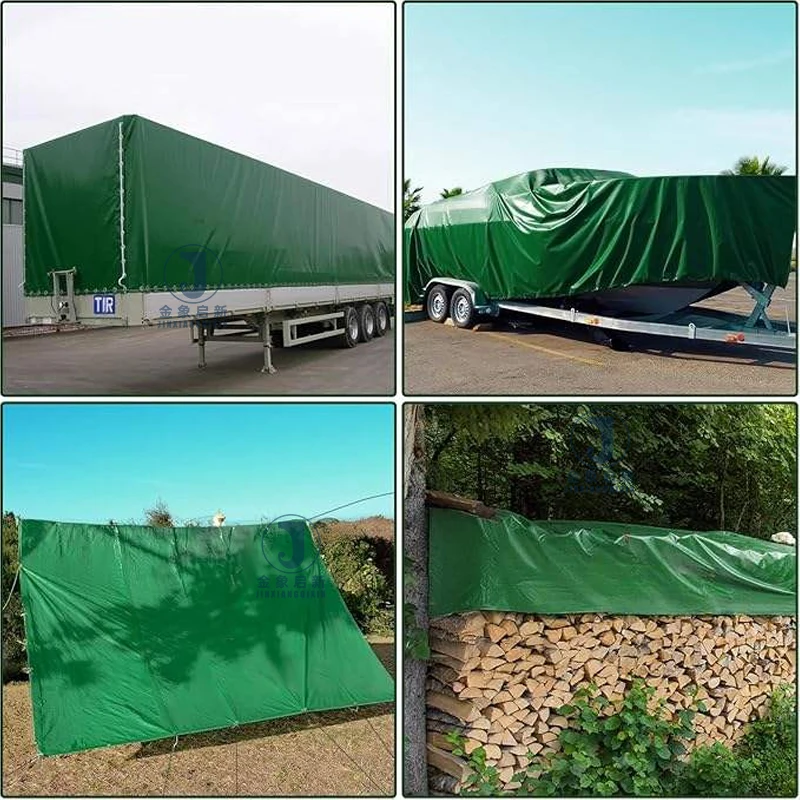
| Mining and tunnelling ventilation ducts | Constant airflow, underground humidity, strict fire safety compliance, risk of rock impact |
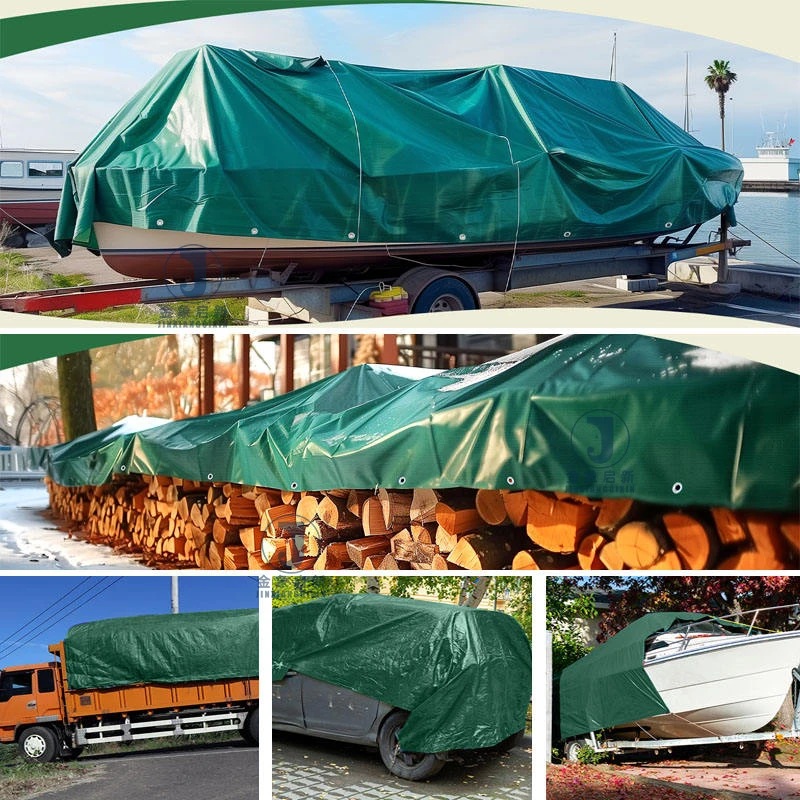
| Membrane and inflatable structures | Wind loading, prolonged UV exposure, tension at anchor points, weather cycling |
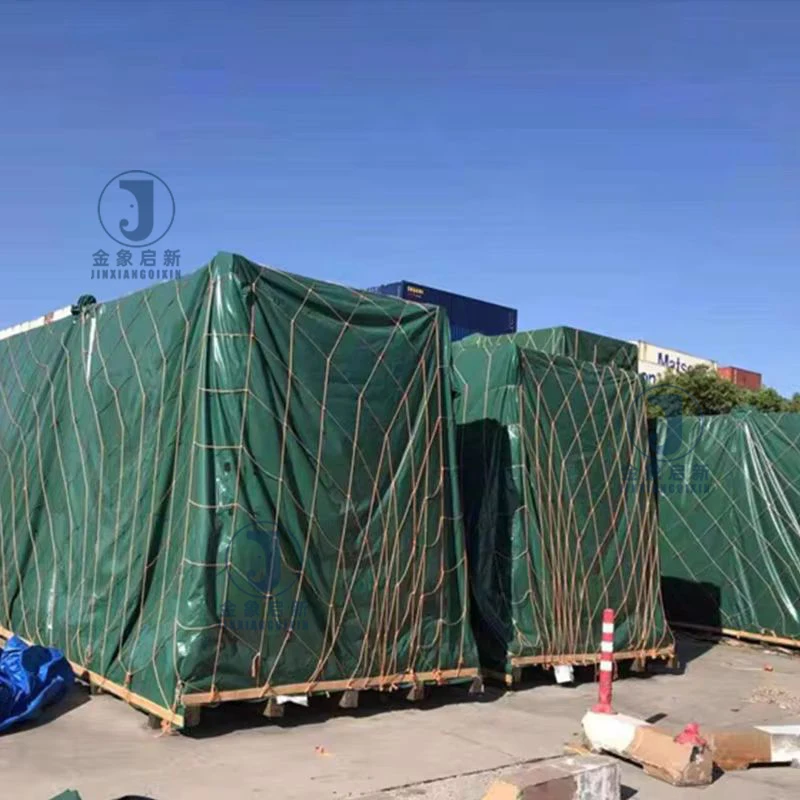
| Aviation and construction site covers | Fuel and chemical proximity, flame retardancy mandates, heavy equipment abrasion |
| Temporary industrial enclosures | Dust containment, wind pressure, rapid deployment and tear-down cycles |
What "Flame Retardant" Means Without a Grade Behind It
A flame retardant claim is worthless unless it names the standard and the test lab that verified it.
In mining ventilation and aviation ground support, the site safety officer does not care about marketing language — they care about DIN 4102 B1, NFPA 701, or whichever fire classification applies to your jurisdiction [NEED_CITE: DIN 4102 fire classification for building materials]. Too often, a PVC coated tarpaulin fire retardant certified datasheet arrives without an actual test report, leaving the contractor to explain the gap during a site audit. We treat documentation as part of the product itself.
Matching Fire Safety Grades to Your Jurisdiction
Different markets enforce different fire classification systems for coated fabrics used in ventilation and temporary structures. A PVC coated tarpaulin fire retardant certified to one standard may not satisfy another jurisdiction’s building code or mining regulation. Before specifying material, confirm whether your project requires M2, B1, NFPA 701, or DIN 4102 classification, and request a test report from an accredited laboratory that matches that exact standard.
Coating Integrity and Airflow Performance
Ventilation ducts demand more than flame resistance — the PVC coating must maintain adhesion under continuous positive or negative air pressure. Double-sided PVC coating over a 500D x 500D polyester base provides the structural stability needed to resist ballooning and collapse at flex points [NEED_CITE: tensile and tear test methods for coated fabrics per ISO 1421]. The coating weight and method directly influence how well the fabric holds a welded seam when the duct pressurises.
Reading the Specification Beyond GSM
Gram per square metre alone tells you weight, not performance. A 650 g/m² fabric woven with high-density yarn will outperform a 900 g/m² fabric with a loose weave and heavy filler coating. The 500D x 500D yarn count in this PVC coated fabric indicates a balanced weave that distributes load across warp and weft, reducing tear propagation at stress concentrations. Coating adhesion — how tightly the PVC bonds to the polyester — determines whether the fabric delaminates under repeated flexing or temperature cycling, and this property is controlled during the coating process, not measured by a scale.
The Hidden Cost of Unverified Compliance
When a ventilation duct fabric fails a fire safety audit after installation, the cost is not limited to replacing the material. Downtime on a mining or tunnelling site while new duct is fabricated, shipped, and welded in place can halt production for days [NEED_CITE: consequences of non-compliant ventilation materials in underground mining]. A fabric supplied without matching test documentation also exposes the contractor to liability if an incident occurs. Specifying the fire retardant grade upfront and requiring the test report before production begins eliminates this risk entirely.
Why Procure Ventilation Fabric Through This Channel
Three full production lines and 36 sets of professional equipment allow bulk orders of ventilation duct fabric to ship within standard lead times without splitting batches across different coating runs. A dedicated 10-person R&D team handles material selection, custom widths, and sample development for projects that require non-standard specifications. Every roll undergoes 100% pre-shipment inspection with coating adhesion and surface consistency verified before packing. Nearly 30 years of coated fabric process control means the GSM on your quotation matches the GSM on the roll that arrives at your site.
Documentation & Verification
- Material specification sheet stating base fabric denier, coating weight, and GSM per roll
- Fire retardant test report aligned to your target market standard with accredited lab identification
- ISO and CE certificates included with every shipment documentation package
- Pre-shipment inspection record confirming coating adhesion and surface consistency
- Certificate of origin and customs documentation for international freight clearance
Fabrication, Handling & Storage
- Hot air weld at temperatures matched to the PVC coating thickness to ensure seam strength equals fabric strength
- Store rolls upright in a dry, shaded area to prevent creasing and coating surface damage before fabrication
- Allow cold-stored rolls to acclimatise to workshop temperature before unrolling to avoid coating cracking
- Use PVC-compatible cleaning agents only — solvents can degrade the double-sided coating and compromise waterproof sealing
- Plan cutting layout around the roll width to minimise welded seams and reduce waste on custom duct diameters
Requesting a Technical Proposal
To receive an accurate specification recommendation, provide the ventilation duct diameter, total linear metres required, the fire retardant standard your jurisdiction enforces, and whether the duct will operate under positive or negative pressure. If your project involves membrane or inflatable structures, include the expected wind load and UV exposure duration so we can confirm the anti-UV treatment suitability. Sample rolls are available for fabrication trials before you commit to a production order.
Frequently Asked Questions
Q: Which fire-retardant standard does your PVC tarpaulin meet, and can you supply the test report?
A: We supply PVC coated tarpaulin in flame retardant grades aligned to standards including M2, B1, NFPA 701, and DIN 4102. Specify which standard your project requires during inquiry, and we will provide a test report from an accredited laboratory with your shipment documentation.
Q: What is the difference between flame retardant and anti-static grades for mining ventilation ducts?
A: Flame retardant treatment slows ignition and flame spread, while anti-static treatment prevents static charge buildup that could ignite combustible gases underground. Mining ventilation ducts often require both properties simultaneously — confirm your site’s safety specification so we can supply the correct grade combination.
Q: How do you verify GSM and coating weight against the quoted specification?
A: Every roll is weighed and inspected during our 100% pre-shipment quality check. The inspection record included with your shipment confirms the measured GSM matches the quoted value. We do not substitute lighter material without written approval from the buyer.
Q: Can you provide UV test data for outdoor membrane structure applications?
A: Anti-UV treatment is applied to this fabric, and test data is available on request. For membrane structures exposed to prolonged sunlight, specify the expected exposure duration so we can confirm whether the standard treatment is sufficient or whether an enhanced UV package is needed.
Q: How are welded seams tested to ensure they outlast the fabric at flex points?
A: Welded seams are tested for peel strength during our in-process quality assurance. The welding temperature and speed are calibrated to the specific PVC coating weight so that the seam strength matches or exceeds the base fabric tensile strength at flex and stress points.