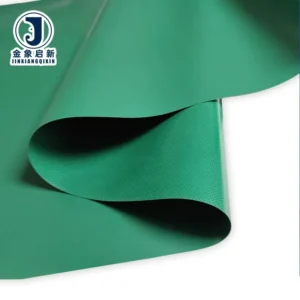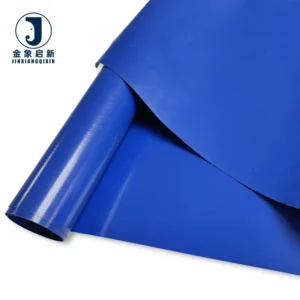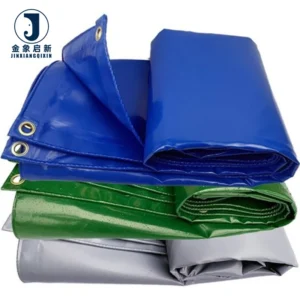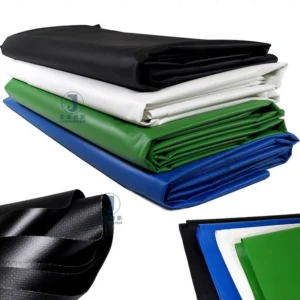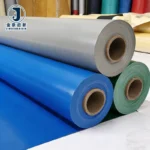
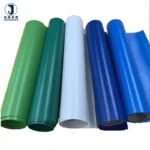


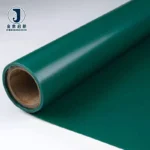
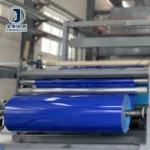
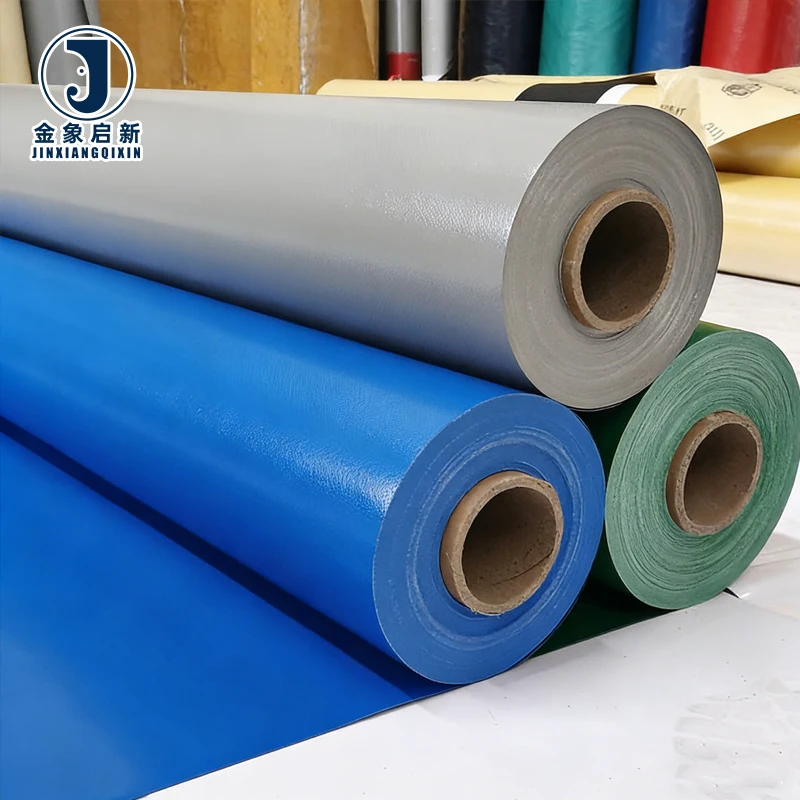
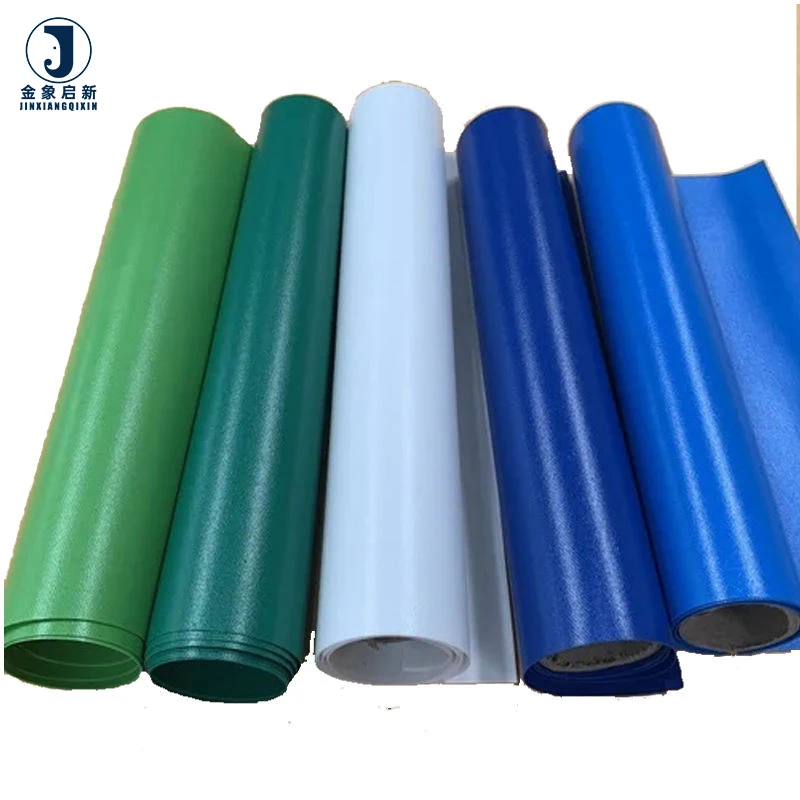
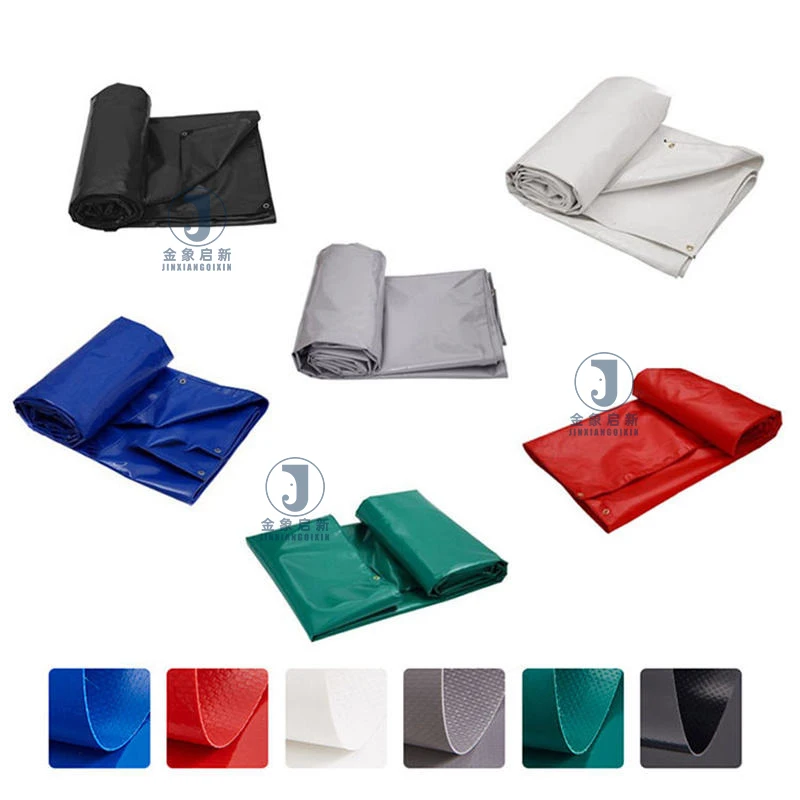
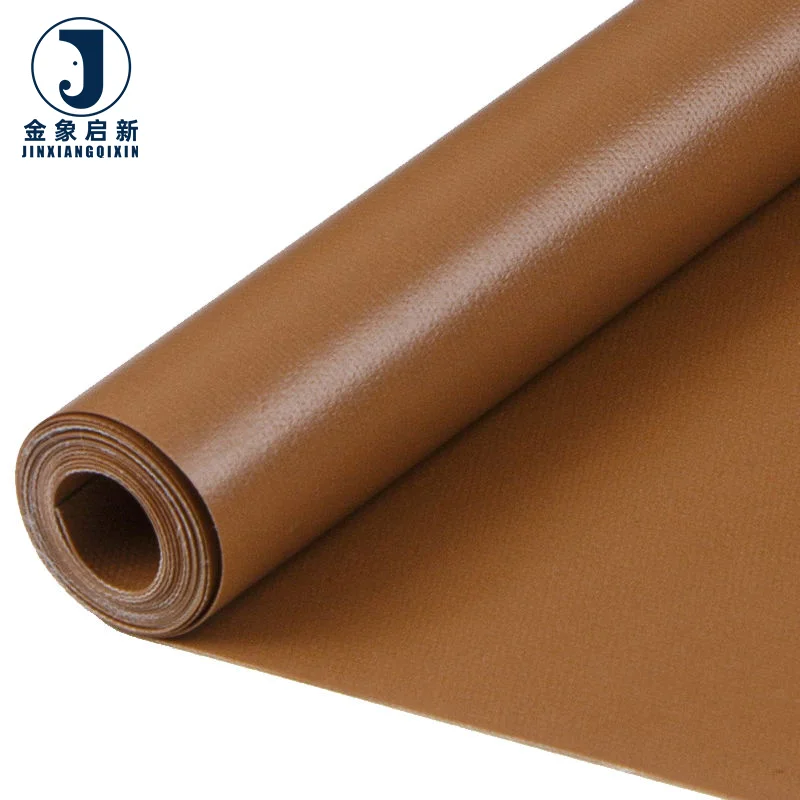
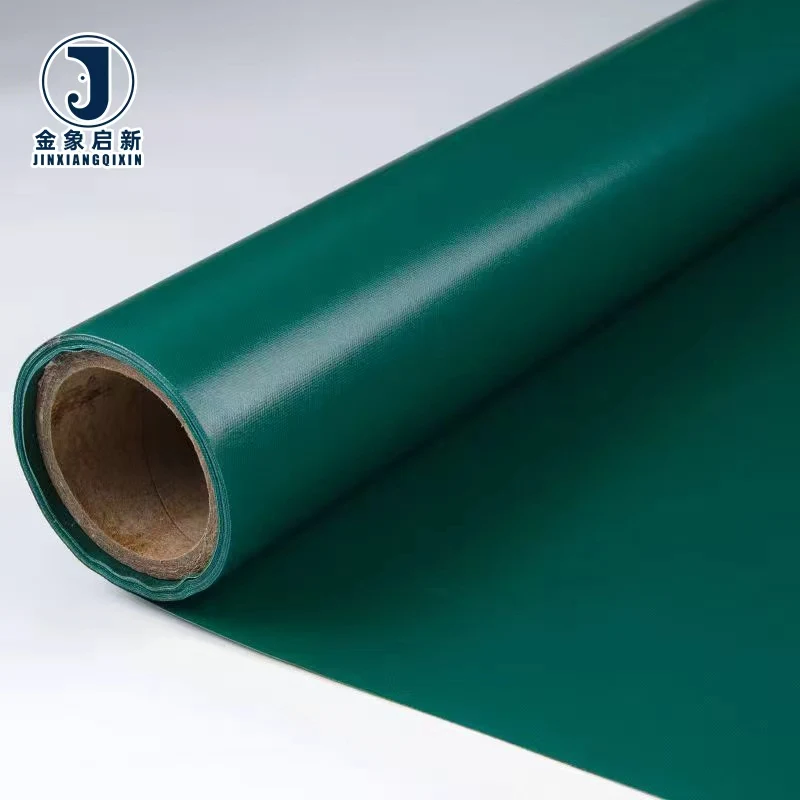
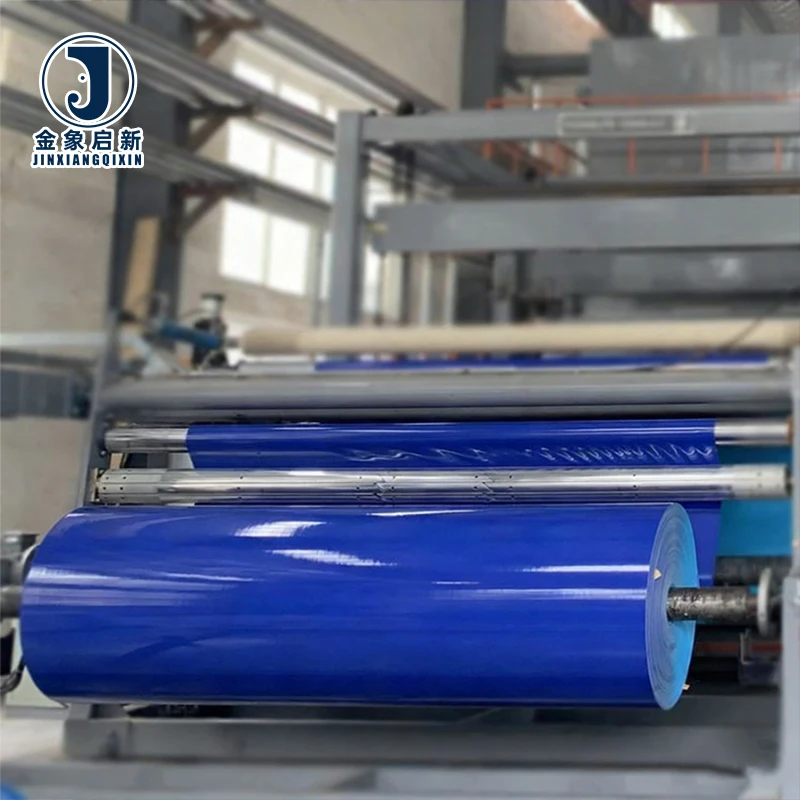
Coating Process Control — every PVC coated tarpaulin roll is produced under the same coating-weight monitoring protocol used across three full production lines and 36 sets of equipment, ensuring batch-to-batch consistency for technical duct and structure applications.
Technical Specifications
| Parameter | Value |
|---|---|
| Product Type | PVC Coated Tarpaulin Roll |
| Weight Options | 610gsm / 650gsm / 800gsm |
| Coating Material | PVC |
| Base Fabric | Polyester Woven (ripstop pattern available) |
| Waterproof | Yes |
| Flame Retardant | Available in flame retardant grades — confirm the grade required for your market |
| Anti-UV Treatment | Available — test basis to be confirmed per specification |
| Tensile Strength | High (test standard to be confirmed per order) |
| Surface Finish | Ripstop woven pattern available |
| Form | Roll stock |
| Certification | ISO / CE |
Application Suitability
| Application | Exposure & Requirement |
|---|---|
| Mining ventilation duct outer layer | Continuous airflow, coal dust, mandated fire-retardant and anti-static compliance |
| Tunnel construction ducting | High humidity, rock-dust abrasion, regulatory inspection on flame performance |
| Aviation ground support duct | Fuel-rich environment, strict flame-retardant certification demanded by site safety officer |
| Membrane structure panels | Wind load, UV exposure, dimensional stability under tension |
| Inflatable structure fabric | Repeated inflation/deflation cycles, flex fatigue at seam lines |
What Happens When the Flame-Retardant Certificate Does Not Match the Site Standard
A roll that passes one standard may still fail the inspection your project demands — verify the exact classification before ordering.
Technical buyers working on mining and aviation ventilation projects have received PVC coated tarpaulin roll shipments labelled "flame retardant" with no reference to a recognised classification system [NEED_CITE: DIN 4102 fire classification for building materials]. The site safety officer requests an M2 or B1 certificate and the supplier produces a generic lab statement that does not satisfy the auditor. The duct is already fabricated, the vessel is booked, and the entire batch must be replaced. This pattern repeats on projects where compliance documentation is treated as an afterthought rather than a procurement gate.
Duct Fabrication Demands More Than a Generic Coated Fabric
Ventilation ducts for underground mining and tunnelling operate under continuous negative pressure, pulling abrasive particulate across the inner surface. The PVC coated tarpaulin roll selected for this application must hold dimensional stability under sustained suction without delaminating at the weld line. Ripstop woven base fabric provides tear propagation resistance that plain-weave alternatives lack, preventing a small puncture from spreading into a longitudinal split along the duct run.
Airflow Compliance Starts With Verified Material Data
Every duct section must satisfy airflow volume and static-pressure requirements set by the ventilation engineer. A coated fabric that is heavier than specified adds unnecessary dead weight to suspension points, while a lighter-than-quoted GSM reduces tensile reserves at flex joints. Requesting a material specification sheet that states exact GSM, base fabric denier, and coating weight per roll allows the fabrication workshop to calculate section weight and hanging-point loads with confidence rather than assumption.
Reading GSM, Base Fabric, and Coating Weight Together
GSM alone does not determine whether a PVC coated tarpaulin roll will survive duct fabrication and field service. A 650gsm fabric built on a high-denier, low-density weave may show lower tear resistance than a lighter fabric woven with finer yarns at higher thread count [NEED_CITE: tensile and tear test methods for coated fabrics per ISO 1421]. Coating application method — knife-over-roll, dip, or calender — governs how deeply PVC penetrates the base fabric, which in turn controls peel strength at heat-welded seams. A coating that sits mostly on the surface yields a smooth finish but risks delamination when the duct flexes at bends. Conversely, a fully penetrated coat bonds the yarns together, improving weld integrity but adding stiffness that complicates folding during transport. Selecting the 610gsm, 650gsm, or 800gsm option should therefore be driven by the combined requirement of structural load, flex frequency, and weld method rather than weight alone.
The Cost of Overlooking Batch Consistency in Technical Orders
A ventilation contractor ordered multiple rolls for a single duct run and discovered visible shade variation once sections were hung side by side underground [NEED_CITE: colour consistency standards for industrial coated fabrics]. While shade differences may seem cosmetic, they signal uneven pigment dispersion that can correlate with inconsistent coating thickness. Thinner-coated areas degrade faster under UV exposure, leading to premature surface chalking on sections installed near tunnel portals. Beyond appearance, a roll that arrives lighter than the quoted GSM reduces the safety margin the ventilation engineer relied on when sizing suspension hardware.
Why Technical Buyers Source This Roll Here
Three full production lines and 36 sets of professional equipment support roll output sufficient for multi-container duct orders without splitting batches across different machines, preserving coating consistency.
A 10-person R&D team evaluates base fabric denier and coating formulation against your ventilation specification before production begins, rather than shipping a stock grade and hoping it fits.
Dedicated QA/QC inspects every roll at coating weight, adhesion, and visual stages, with 100 percent pre-shipment inspection recorded before the packing list is issued.
ISO and CE certification frameworks underpin the quality system, and test reports for flame-retardant or anti-static grades accompany the shipment when specified in the purchase order.
Samples for custom width, colour, or treatment can be developed within days, allowing fabrication workshops to run weld trials before committing to full production volume.
Documentation & Verification
- Material specification sheet stating exact GSM, base fabric denier, and coating weight for every roll shipped
- Fire-retardant or anti-static test reports matching the classification standard required on your project site
- Pre-shipment inspection record confirming 100 percent QA coverage before dispatch
- Roll packing list with individual roll ID, net weight, and dimensions for container loading verification
- Certificate of origin and full customs documentation package for international shipment clearance
Fabrication, Handling & Storage
- Heat-weld temperature and dwell time should be adjusted per GSM grade — 800gsm rolls require longer heat input than 610gsm for full coating fusion at the seam
- Store rolls upright on pallets in a shaded, ventilated area to prevent flat-spot deformation of the PVC coating layer
- Unroll and allow the fabric to acclimatise for several hours before welding in cold weather to avoid coating crack at fold lines
- Use a ripstop-pattern roll orientation that aligns the reinforced yarn grid with the primary stress axis of the duct section
- Clean welded seams with a mild PVC-compatible solvent to remove plasticiser residue that weakens secondary bonding
Preparing Your Technical Inquiry
Provide the ventilation or structure engineer’s specification sheet, including required flame-retardant classification and any anti-static surface resistance threshold. State the roll width and length that match your fabrication jig, along with estimated annual volume so that production scheduling can be confirmed. If the project demands a colour outside the standard range, request a sample roll for weld and tension testing before the main order is released.
Frequently Asked Questions
Q: Which fire-retardant standard does the fabric meet — M2, B1, or NFPA 701?
A: Flame-retardant treatment is available in multiple grades. The exact classification — whether M2, B1, NFPA 701, or another standard — must be confirmed against your site requirement before production. We supply the corresponding test report with the shipment so your safety officer can verify compliance during inspection.
Q: What surface resistance or anti-static certification is provided for mining applications?
A: Anti-static treatment can be applied to meet the surface resistance threshold mandated by your mining authority. The test method and result are documented on the shipment test report. Specify the required ohm range in your inquiry so the correct formulation is selected during coating.
Q: How is GSM verified on arrival against the quoted specification?
A: Each roll is weighed and measured during pre-shipment inspection, and the recorded GSM is noted on the packing list. Buyers can perform a simple cut-and-weigh check on arrival using a calibrated scale and a known-area sample to confirm the delivered weight matches the quoted grade.
Q: What roll widths and lengths are available for duct fabrication?
A: Standard and custom widths are available to suit your fabrication jig and minimise longitudinal welds. Roll length is set according to your cutting pattern and container loading plan. Provide the required width and approximate running metres so the production team can confirm feasibility and minimum order quantity.
Q: What welding and seam techniques are recommended for PVC-coated duct fabric?
A: Hot-air welding and wedge welding are both suitable. Weld temperature, speed, and pressure must be calibrated to the specific GSM grade — heavier rolls such as 800gsm need higher heat input for full coating fusion. We recommend running a test weld on a sample piece to dial in parameters before full-scale fabrication.