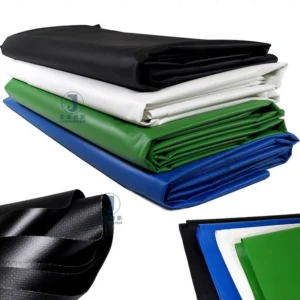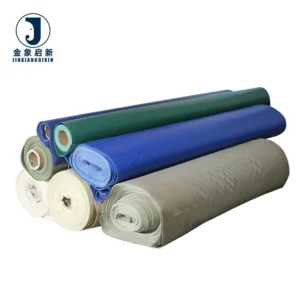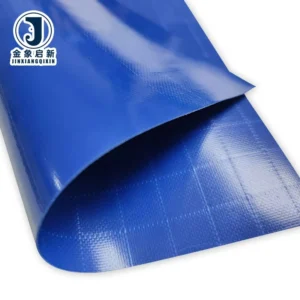
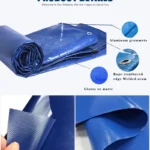
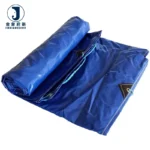
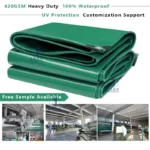
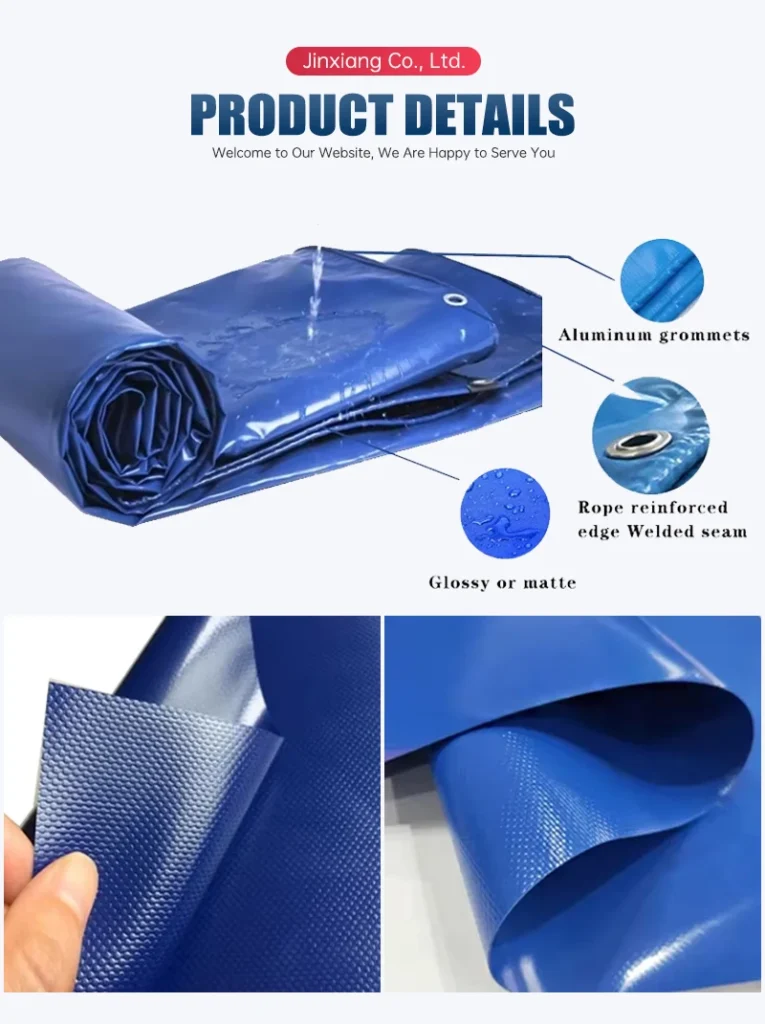
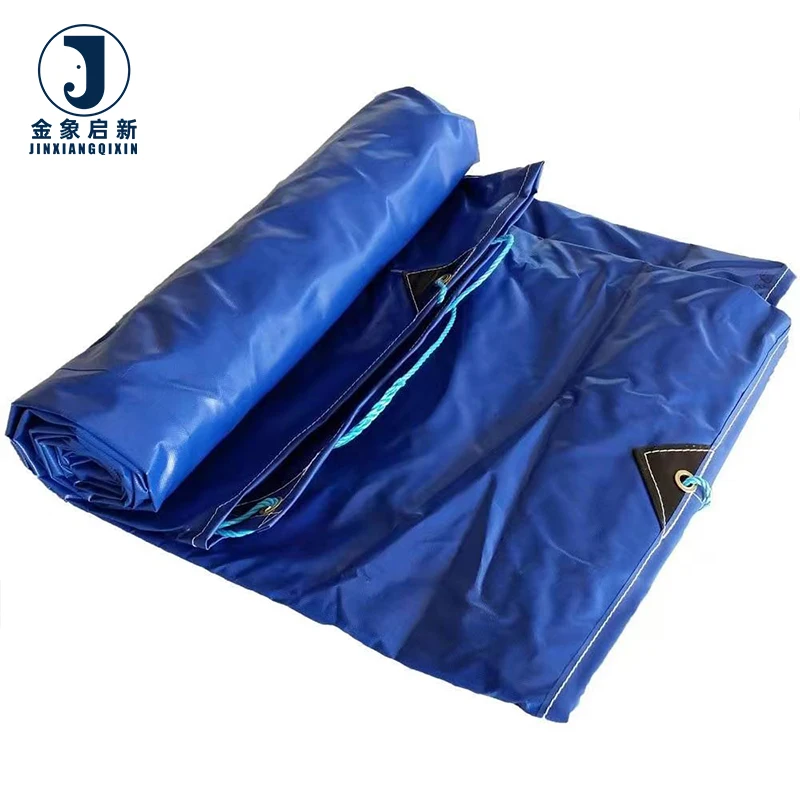
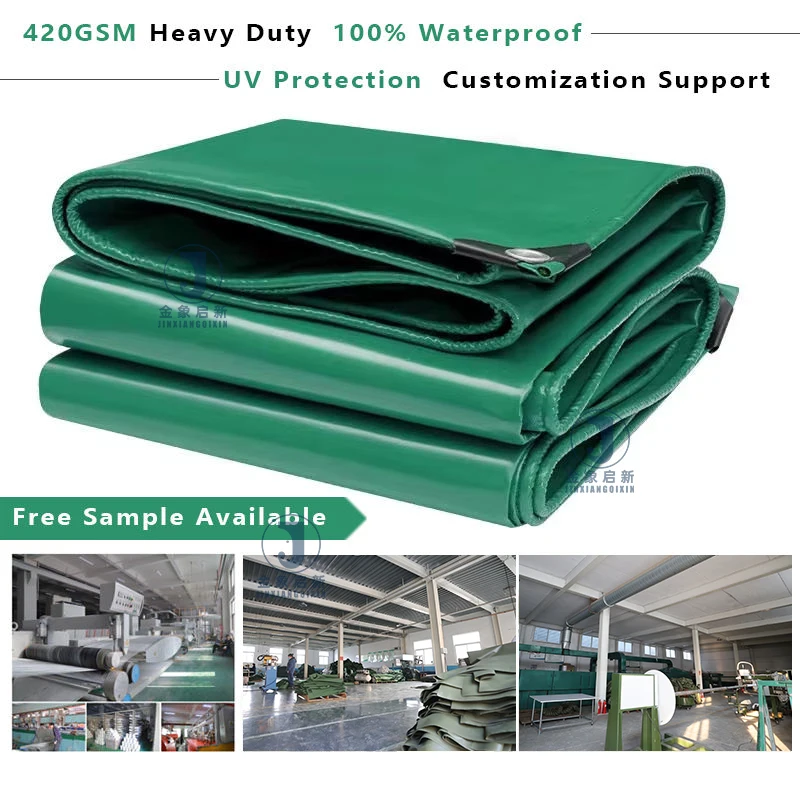
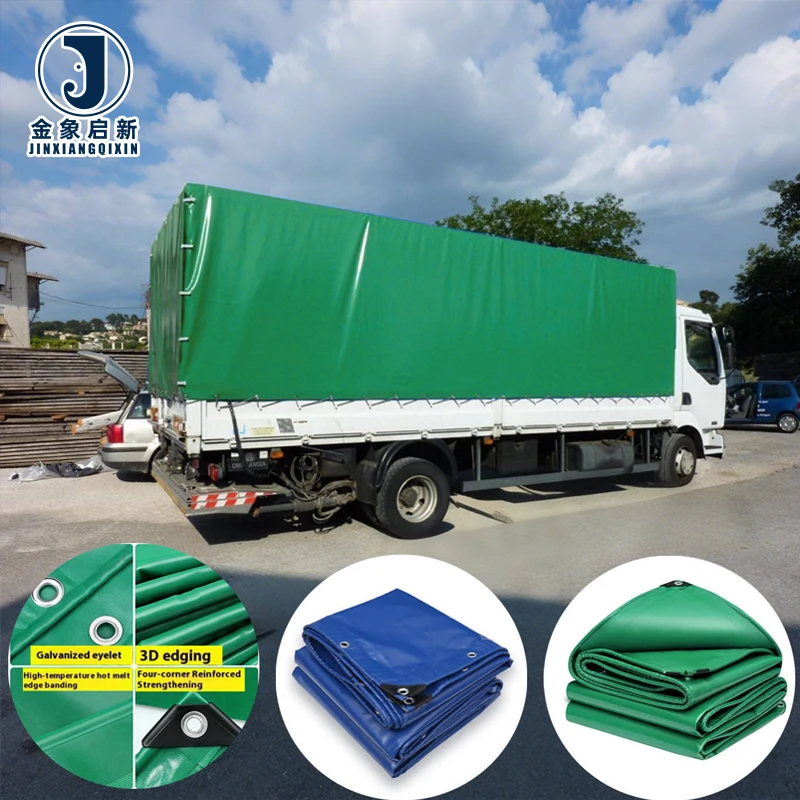
Coating Adhesion Control — Hot-melt coating and laminated technology deliver measurable bond strength between PVC and high tenacity polyester, verified at every production stage before dispatch.
Technical Specifications
| Parameter | Value |
|---|---|
| Product Type | PVC Tarpaulin Roll |
| Weight | 650gsm |
| Base Fabric | 100% high tenacity polyester yarns |
| Coating Material | PVC |
| Coating Method | Laminated technology & Hot-melt Coating technology |
| Flame Retardant | Available (grade not stated in source) |
| Anti-Static | Treatment available (standard or surface resistance not stated in source) |
| Cold Crack Resistance | Treatment available (temperature rating not stated in source) |
| Anti-Mildew | Yes |
| Waterproof | Yes |
| Key Features | Cold crack resistant, anti-mildew, waterproof, good flexibility, good adhesion strength |
Application Suitability
| Application | Exposure & Requirement |
|---|---|
| Mining ventilation duct | Continuous airflow, underground moisture, mandatory fire retardant and anti-static compliance |
| Tunnelling exhaust system | High humidity, abrasive dust loading, regulatory certification for confined-space ventilation |
| Aviation ground support covers | Jet fuel mist, de-icing fluid contact, certified flame retardant for airside operations |
| Membrane and inflatable structures | Sustained wind load, seam stress at anchor points, UV and weather exposure |
| Specialist industrial enclosures | Welding fabrication, thermal cycling, chemical-laden atmosphere in processing zones |
What "Certified" Means When No Test Report Follows the Shipment
We supply flame retardant and anti-static test documentation matched to your compliance standard before you place the order, not after the container sails.
PVC Tarpaulin Roll fire retardant anti-static certified claims appear on dozens of supplier data sheets, yet the supporting test report often references a standard that does not match the destination market’s building code or mining regulation. Fabricators discover the gap only when a site inspector rejects the installed duct or membrane. [NEED_CITE: common fire classification standards for ventilation ductwork in underground mining] The cost is not the material alone — it is the dismantling, resupply and project delay that follows a failed compliance check.
Why Base Fabric Denier Matters More Than Weight Alone
A 650gsm PVC coated tarpaulin roll achieves its tear performance from the interplay between coating mass and the underlying polyester yarn construction. Hot-melt coating technology forces PVC into the weave interstices, creating a mechanical lock that raises adhesion strength and resists delamination at welded seams. When the base fabric uses high tenacity polyester yarns, the tear propagation resistance at flex points — such as duct collars and membrane anchor rails — remains intact through repeated loading cycles. This PVC Tarpaulin Roll fire retardant anti-static certified specification depends on the coating-to-yarn bond holding under site conditions, not just the stated GSM figure.
Treatment Grades and the Compliance Documentation Behind Them
Flame retardant and anti-static treatments are available in multiple grades, each aligned to a different regulatory framework. Mining ventilation duct in Australia, Canada or South Africa may require surface resistivity values and flame spread indices tested to the local mining authority’s standard, while aviation hangar covers reference civil aviation fire codes. [NEED_CITE: surface resistance testing methods for anti-static coated fabrics in mining ventilation] Requesting the exact test report matched to your project specification before commitment avoids discovering a mismatch at the pre-installation audit stage. Cold crack resistance treatment and anti-mildew additives are also available — confirm which combination your operating environment demands.
Coating Method and Its Effect on Weld Fabrication
Hot-melt coating and laminated technology both influence how the material behaves under high-frequency or hot-air welding. The hot-melt process produces a thicker coating layer at the yarn crossover points, which provides more molten PVC available to form the weld bead during fabrication. Laminated technology yields a smoother surface that may require adjusted temperature or dwell time settings on the welding bar. For duct and membrane fabricators, understanding which coating method sits beneath the 650gsm weight grade determines the machine parameters and seam peel strength achievable on the production floor. [NEED_CITE: hot-air welding parameters for PVC coated polyester at varying coating weights]
The Hidden Cost of Specifying on Price Per Kilogram Alone
When procurement evaluates coated fabric on unit cost without verifying coating adhesion or treatment documentation, the consequences surface during fabrication or installation. Welded seams on poorly bonded material peel apart under duct pressurisation or membrane wind load, requiring field repairs that compromise the fire retardant or anti-static surface treatment. Batch inconsistency in GSM across rolls within the same shipment forces fabricators to re-calibrate welding settings mid-run, generating scrap and delaying project milestones. [NEED_CITE: seam failure modes in PVC coated polyester ventilation ducts under positive pressure] These costs are absorbed quietly into rework budgets rather than traced back to the original specification decision.
Production and Verification Capability Behind This Roll Stock
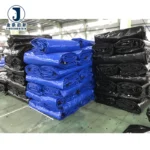
Three full production lines and 36 sets of professional equipment support bulk roll output with stable coating weight control across the 650gsm grade. A dedicated 10-person R&D team handles material selection and treatment formulation, ensuring flame retardant, anti-static and cold crack additives are matched to your stated compliance framework. QA inspection runs at every stage from base fabric intake through coating, treatment application and final winding, with 100% pre-shipment inspection producing measured roll-by-roll records. Samples for custom widths, treatment combinations and colour references are developed within days so you can run weld trials before committing to full production volume.
Documentation & Verification
- Material specification sheet listing 650gsm weight, high tenacity polyester base, coating method and all applied treatments
- Flame retardant test report matched to the standard your project or local authority requires
- Anti-static surface resistance report citing the measurement method and achieved value
- Pre-shipment inspection record with actual measured GSM per roll against the quoted specification
- Roll packing list showing individual roll weight, width and length for container loading verification
- ISO and CE certificates included with dispatch documentation
Fabrication, Handling & Storage
- Hot-air weld temperature and dwell settings should be calibrated to the hot-melt coating thickness before production runs begin
- High-frequency welding produces strong seams on this 650gsm PVC-coated polyester due to coating penetration into the weave
- Store rolls upright on pallets to prevent permanent creasing that weakens the coating at fold lines
- Unroll and allow material to acclimatise to workshop temperature before welding in cold conditions to preserve cold crack treatment integrity
- Clean welded seam areas with PVC-compatible solvent only — abrasive cleaners degrade anti-static surface treatment
Specifying This Material for Your Project
Provide the end-use application, operating environment and the specific fire retardant or anti-static standard your site or local authority mandates. Confirm required roll widths, annual volume and whether you need the material supplied as mill roll stock or pre-cut panels. Indicate if cold crack resistance or anti-mildew treatment is necessary for your climate zone so we include the correct additive package in the sample and production run.
Frequently Asked Questions
Q: Which fire retardant standard does your 650gsm fabric meet, and can you supply the test report before order confirmation?
A: Flame retardant treatment is available in grades aligned to various international standards. We supply the test report matched to your target compliance framework — mining, aviation or building code — before you commit to production. Share the specific standard your project requires so we confirm coverage and provide documentation with the sample.
Q: What surface resistance value or anti-static standard does the treated fabric achieve for mining ventilation applications?
A: Anti-static treatment is available with surface resistance values suited to underground ventilation requirements. The exact achieved value and test method are documented on the test report we provide with the sample. Specify your mining authority’s regulation so we match the treatment formulation to the required threshold.
Q: How is the 650gsm weight verified during production, and what documentation supports roll-by-roll consistency?
A: Each roll is weighed and measured during 100% pre-shipment inspection, and actual values are recorded on the inspection report supplied with your shipment. This roll-by-roll record lets you verify GSM on arrival against the quoted specification without relying on batch averages alone.
Q: What welding parameters and seam construction does this hot-melt coated fabric support for duct and structure fabrication?
A: The hot-melt coating penetrates the polyester weave, providing sufficient molten material for both hot-air and high-frequency welding. We recommend running weld trials on the supplied sample to establish temperature, speed and pressure settings specific to your equipment before full production begins.
Q: What custom widths, roll lengths and minimum order quantities apply when specifying specialist treatments?
A: Custom widths and roll lengths are available, with minimums depending on the treatment combination specified. Flame retardant, anti-static, cold crack and anti-mildew treatments can be combined in a single production run. Share your required dimensions and treatment package so we confirm lead time and minimums for your order.