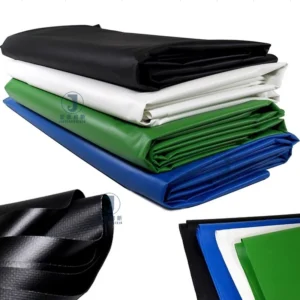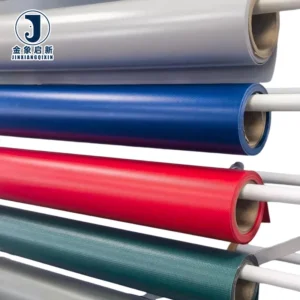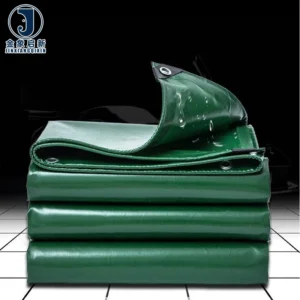
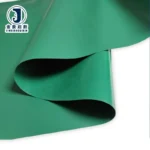
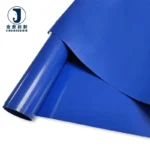
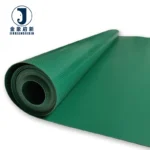
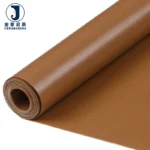
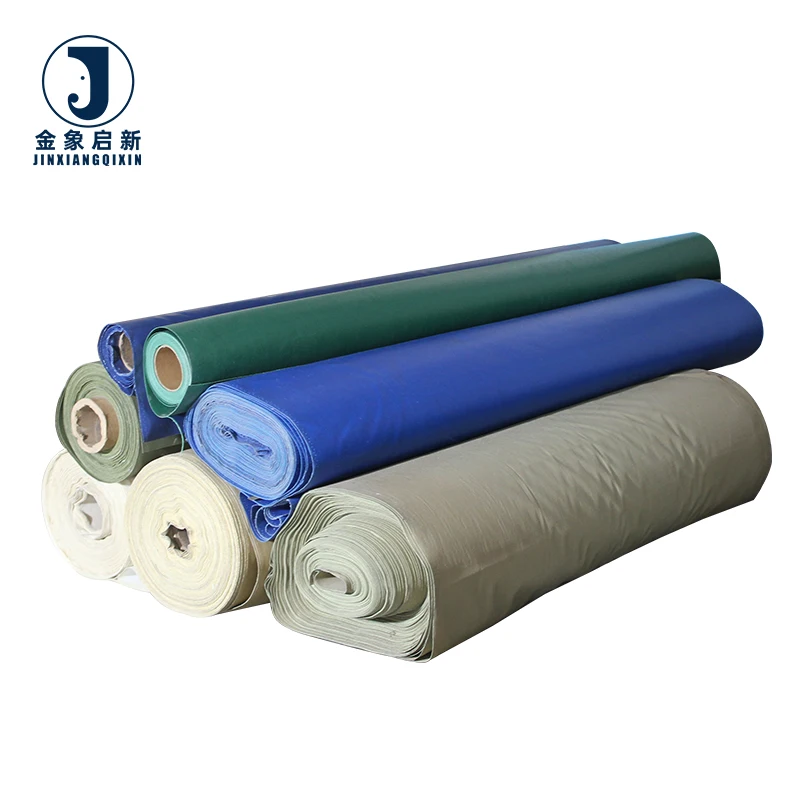
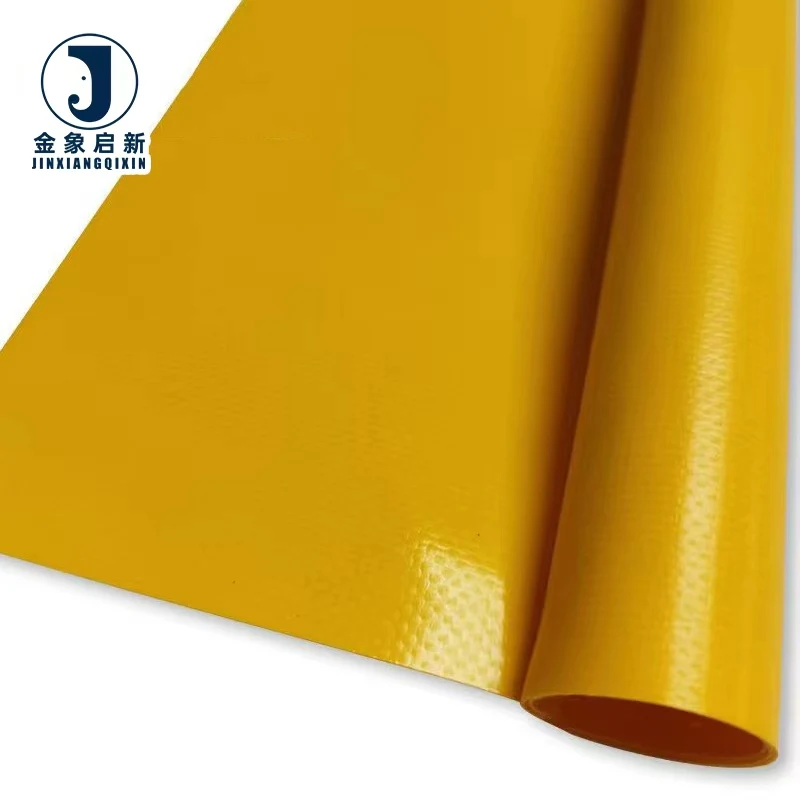
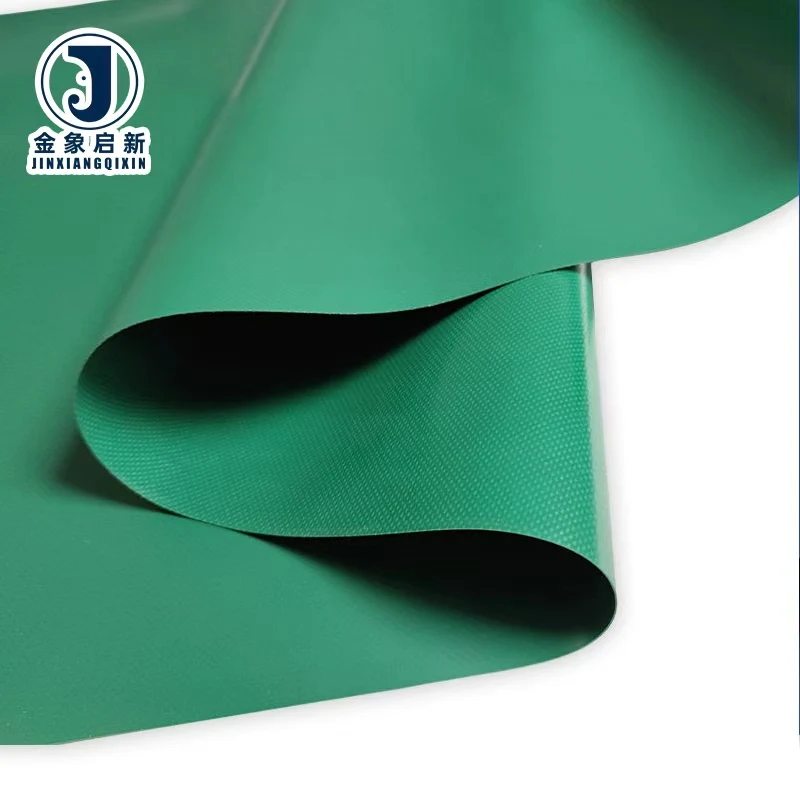
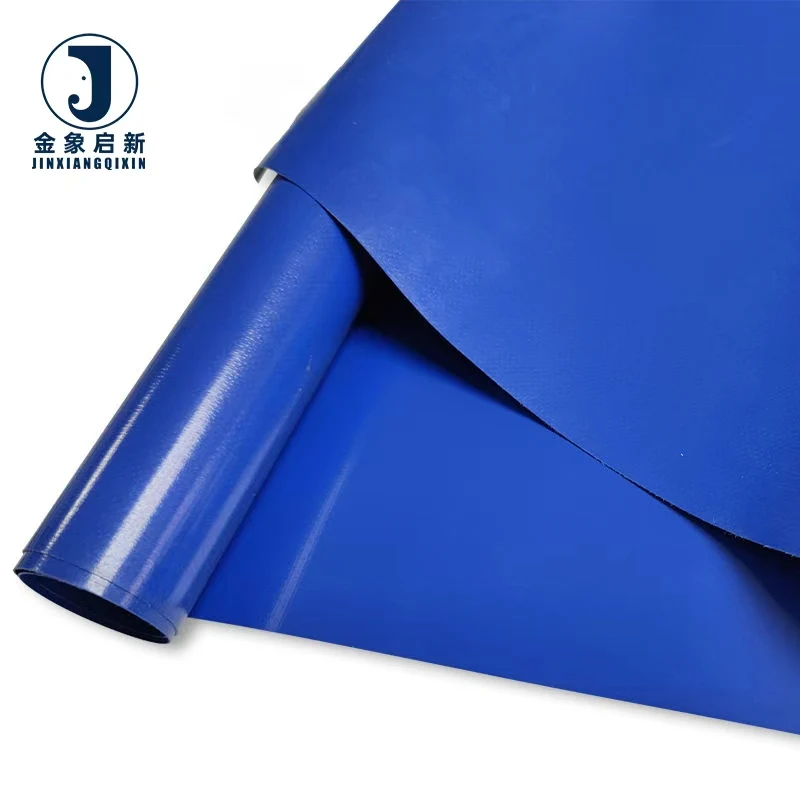
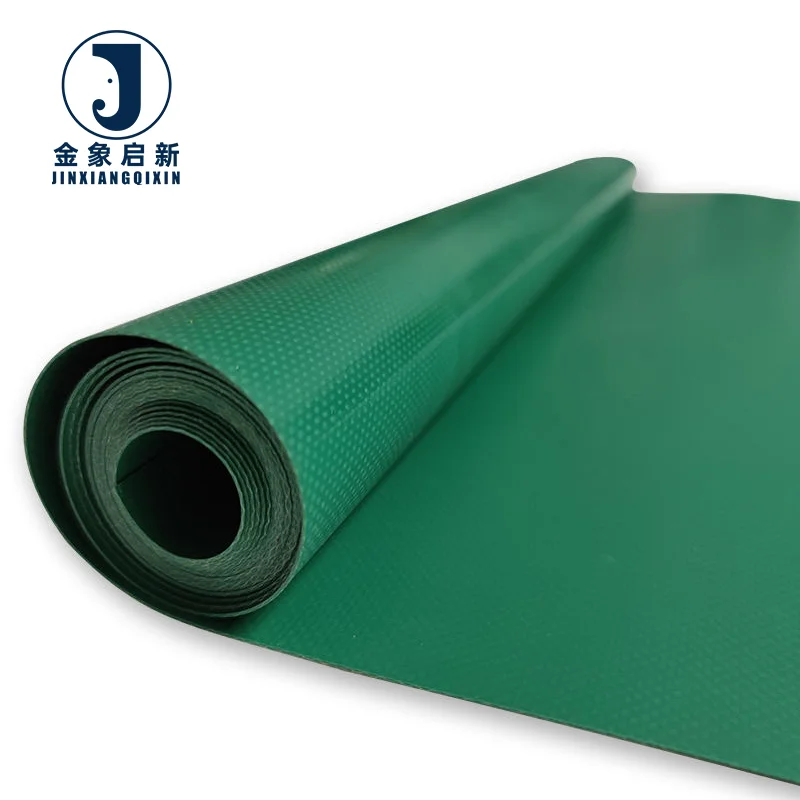
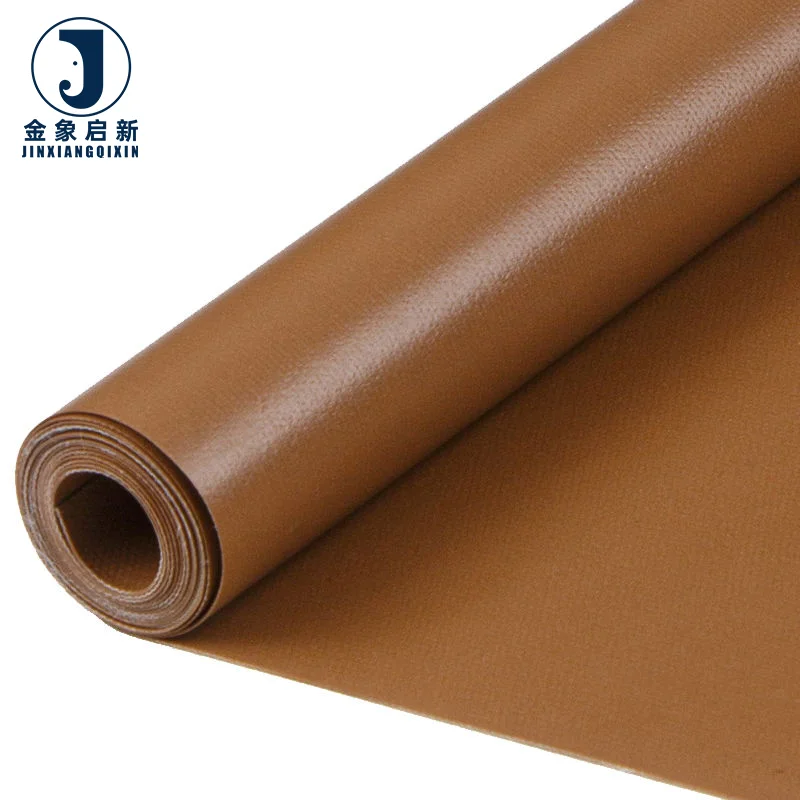
Batch-Controlled Roll Stock — Every roll of Fire Retardant PVC Tarpaulin for Awning and Tent Structures is produced under coating-weight process control with pre-shipment GSM verification to ensure roll-to-roll consistency across your order.
Technical Specifications
| Parameter | Value |
|---|---|
| Product Type | PVC Coated Tarpaulin |
| Base Fabric | HDPE weaving (source value — verify against manufacturer catalog) |
| Coating Material | LDPE lamination (source value — verify against manufacturer catalog) |
| Weight Range | 50gr/m2 ~ 220gr/m2 available (range covers product family — confirm the grade for this item) |
| Total Thickness | 0.2-0.4mm / 8 mil-16 mil / Custom |
| UV Treatment | Available (test basis not stated in source) |
| Flame Retardant | Available in flame retardant grades — confirm the grade required for your market |
| Waterproof | Fully waterproof coated construction |
| Tear Resistance | Tear resistant (grade not stated in source) |
| Mildew & Aging | Mildew proof and anti-aging stated |
| Color Options | Blue, Blue/Orange, Green, Grey, Black, Clear, Grey/Green, Orange, or custom |
| Printing | Custom brand printing accepted |
| Certifications | ISO, CE |
Application Suitability
| Application | Exposure & Requirement |
|---|---|
| Awning and tent fabrication | Constant UV exposure, wind loading, repeated deployment and folding, colour consistency across panels |
| Inflatable membrane structures | Internal air pressure stress, weld seam integrity, fire-retardant compliance for public venues |
| Temporary event shelters | Rapid assembly, multi-day weather exposure, batch colour match across adjacent bays |
| Outdoor cover stock for distributors | Shelf-ready roll consistency, multiple GSM grades in inventory, reliable lead times |
Why Stated GSM Without Verification Is a Procurement Risk for Fire Retardant PVC Tarpaulin for Awning and Tent Structures
Coating weight must be confirmed roll by roll, not assumed from the quotation.
When fabric arrives lighter than specified, the structural load calculations for awning frames and tent poles no longer hold. The base fabric carries the tensile load, and the coating provides waterproofing and UV screening; reducing either shifts the failure point earlier than the engineer intended. Sourcing Fire Retardant PVC Tarpaulin for Awning and Tent Structures without a documented pre-shipment weight check leaves the buyer carrying that risk alone [NEED_CITE: tensile and tear test methods for coated fabrics per ISO 1421]. We record the measured GSM of every roll against the purchase specification before dispatch, so the material that arrives matches the material that was quoted.
Coating Weight Control Across Consecutive Rolls
Maintaining uniform coating adhesion from the first metre to the last requires continuous monitoring of the lamination temperature and pressure at the nip rollers. Any drift produces light spots that show up as weak zones when the fabric is tensioned over a tent frame. Our three production lines are calibrated per batch, and the 10-person R&D team adjusts formulation when ambient humidity or base fabric absorbency shifts between runs. This is what keeps Fire Retardant PVC Tarpaulin for Awning and Tent Structures consistent from core to outer wrap on every roll shipped.
Colour Matching Within a Single Production Batch
Awning panels sewn from rolls with even slight hue variation become visibly mismatched once installed on the same building facade. We control pigment dosing at the compounding stage and retain a reference swatch for each batch so that reorders can be matched against the original. When your project demands multiple rolls of the same colour for a continuous awning run, the batch reference on our packing list lets you trace every roll back to its production window [NEED_CITE: colour fastness and batch matching standards for architectural fabrics].
Reading the Specifications Beyond the Headline Weight
GSM alone does not determine how the fabric will behave under wind load or when heat-welded into a curved membrane panel. The base fabric denier and weave density govern tensile strength and tear propagation, while the coating formulation affects flexibility at low temperatures and adhesion at welded seams. A lighter fabric with a tighter weave can outperform a heavier one with a loose construction in tear resistance. For awning and tent manufacturers, specifying the base fabric alongside the target GSM gives a more accurate picture of how the material will handle during fabrication and in service. Thickness, listed here at 0.2-0.4mm, correlates with stiffness and drape — thinner grades fold more cleanly for compact awning cassettes, while thicker grades stand up to the rigging hardware used on large temporary structures.
The Hidden Cost of Specifying on Price Per Kilogram Alone
When the buying decision rests on the lowest cost per kilogram, suppliers compensate by reducing coating weight while maintaining the stated base fabric, or by substituting a lower-denier yarn that meets the GSM target on paper but tears more easily in practice. For awning and tent applications, this surfaces as premature seam failure at the points where the fabric flexes around frame joints, or as coating delamination after repeated wet-dry cycles. Projects that specify Fire Retardant PVC Tarpaulin for Awning and Tent Structures on verified material properties rather than unit cost avoid these field failures and the warranty claims that follow [NEED_CITE: common failure modes in tensioned fabric structures].
Why Fabricators Source This Material Here
Three full production lines and 36 sets of professional equipment support bulk roll orders without splitting your batch across subcontracted capacity. The 10-person R&D team develops samples within days, letting you validate colour, hand feel, and weld behaviour before committing to production volume. Dedicated QA/QC runs at every stage — incoming yarn, coating weight, finished roll — with 100% inspection recorded before dispatch. Custom widths and roll lengths are produced on the same lines as standard stock, so lead times remain predictable. ISO and CE certified processes mean the documentation your compliance team requires is already in the system.
Documentation & Verification
- Material specification sheet stating GSM, base fabric type, coating material, and colour reference per roll
- UV and flame-retardant test reports referenced to recognised standards where applicable
- Pre-shipment inspection record with measured weight verified against quoted specification
- Roll packing list with batch traceability for colour and production date
- Certificate of origin included for customs clearance at destination
Fabrication, Handling & Storage
- Heat-weld parameters should be tested on a sample piece of the specific GSM grade before production runs
- Store rolls upright on pallets to prevent flat-spot deformation of the coating surface
- Unroll in moderate temperatures to avoid cracking the LDPE lamination if material has been in cold transit
- Use a sharp blade and clean cutting surface to prevent fraying the HDPE woven base fabric edges
- Avoid abrasive cleaners on the coated surface to preserve the mildew-proof and anti-aging treatment layer
What We Need to Move Your Inquiry Forward
Provide the end-use application and the environmental conditions the fabric will face — UV intensity, wind load, and whether fire-retardant certification is required at the installation site. Confirm the target GSM, preferred width, and whether you need the material supplied as roll stock or pre-cut to panel dimensions. If colour consistency across multiple rolls is critical, share a Pantone or RAL reference so we can confirm batch matching before production.
Frequently Asked Questions
Q: How is GSM verified on arrival against the quotation?
A: Every roll is weighed and measured during pre-shipment inspection, and the recorded GSM is compared to the purchase specification. The inspection report accompanies the shipment so you can cross-check on receipt. If any roll falls outside the agreed tolerance, it is held before dispatch.
Q: What fire-retardant grades are available and which standards do they meet?
A: Flame-retardant treatment is available across the product range, but the specific grade and corresponding test standard depend on your market requirements. Share the standard your installation must comply with — such as NFPA 701 or a local building code — and we will confirm which grade meets it, supported by a test report.
Q: How is batch-to-batch colour consistency controlled across multiple rolls?
A: Pigment is dosed at the compounding stage, and a reference swatch is retained for every production batch. When you reorder, we match against that swatch. All rolls in a single order are scheduled in the same production run to minimise variation, and the batch number is printed on each roll label.
Q: What custom widths and roll lengths can be produced for large tent panels?
A: Custom widths and lengths are available to reduce waste during your cut-and-sew process. Provide the panel dimensions and the quantity required, and the R&D team will confirm the maximum producible width and suggest the most efficient roll length for your cutting layout.
Q: What documentation accompanies each shipment for customs and site compliance?
A: Each dispatch includes a roll packing list, certificate of origin, material specification sheet, and any applicable test reports for UV or flame-retardant treatment. ISO and CE certificates are available on file. If your site requires additional compliance documents, specify them at the inquiry stage so they can be prepared before shipment.