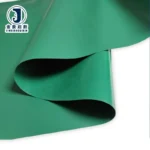
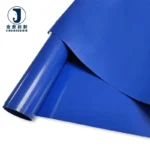
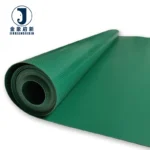
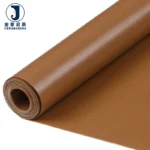
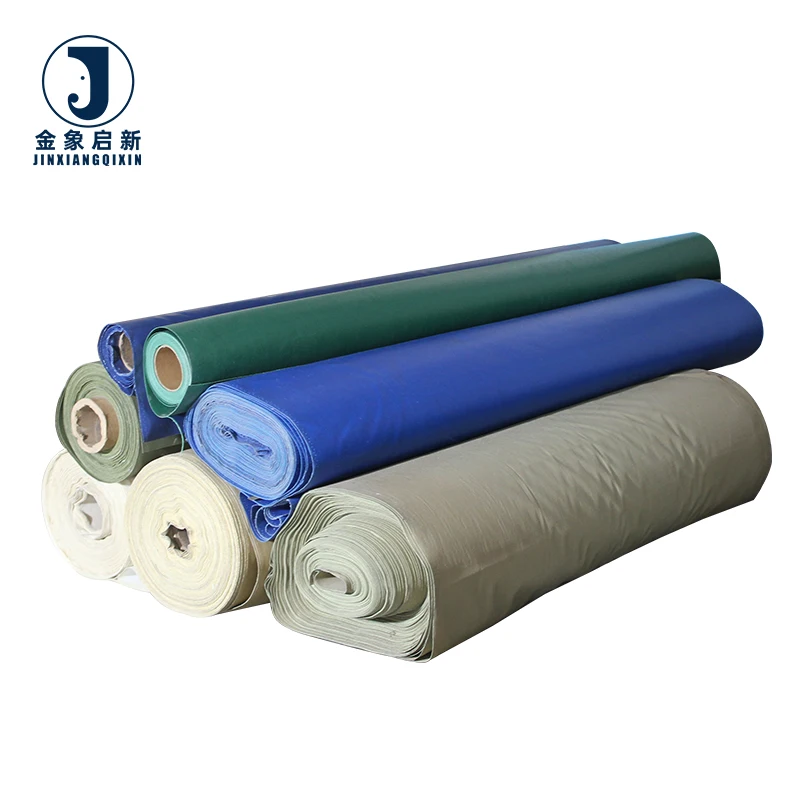
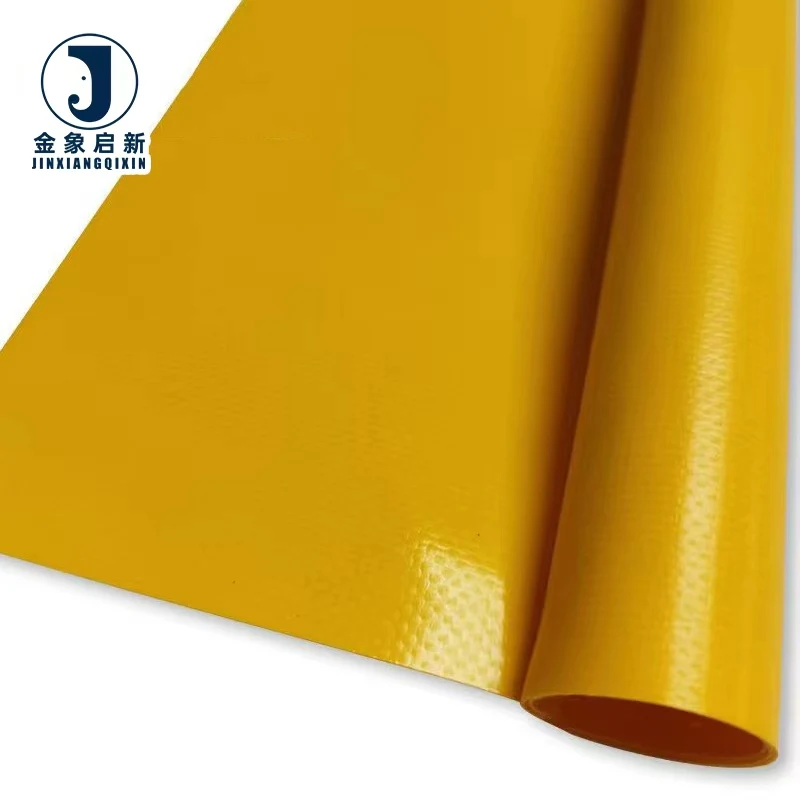
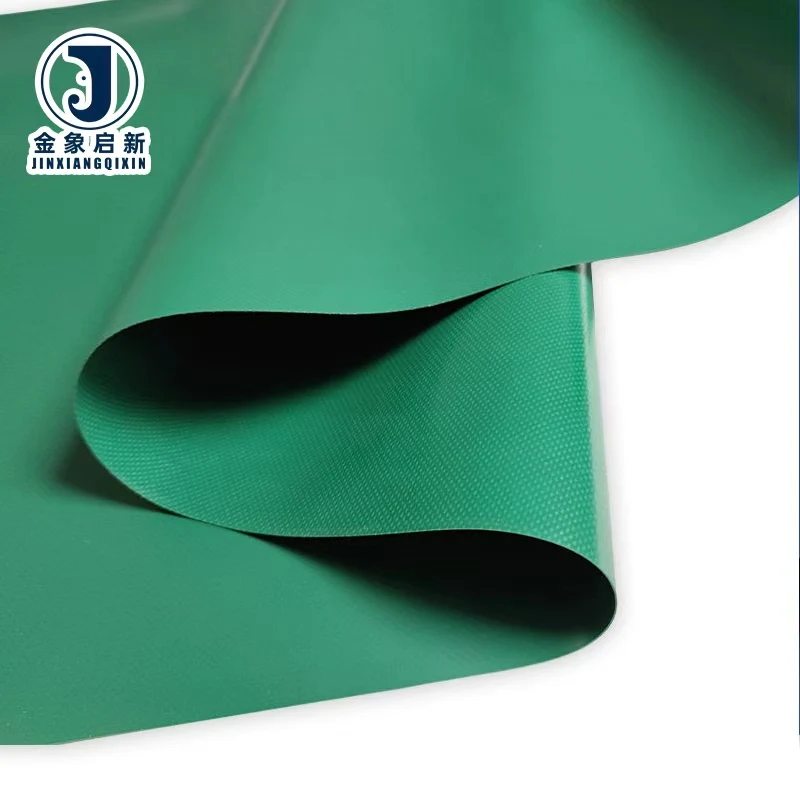
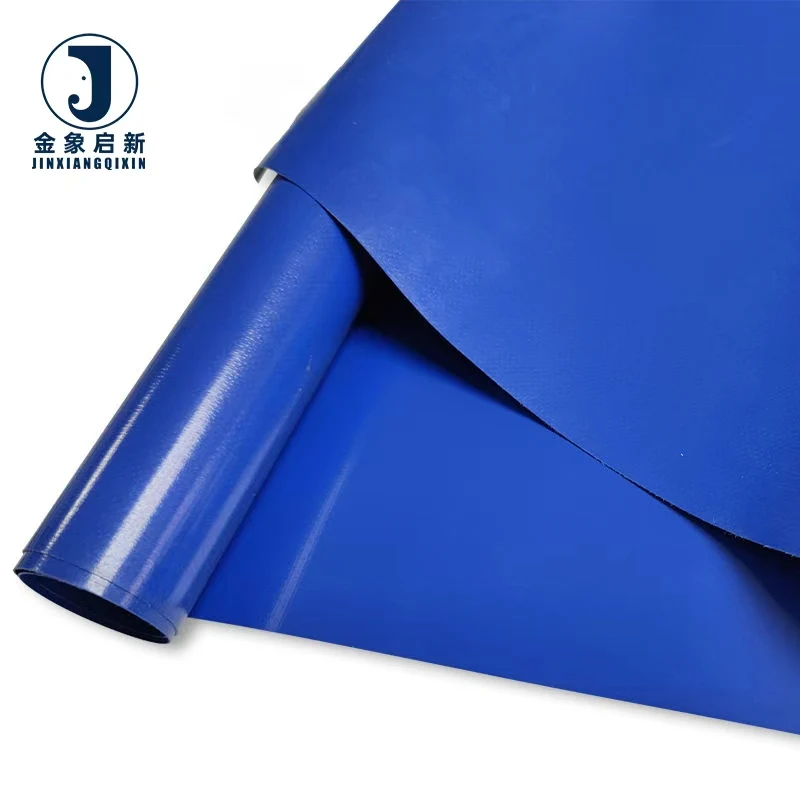
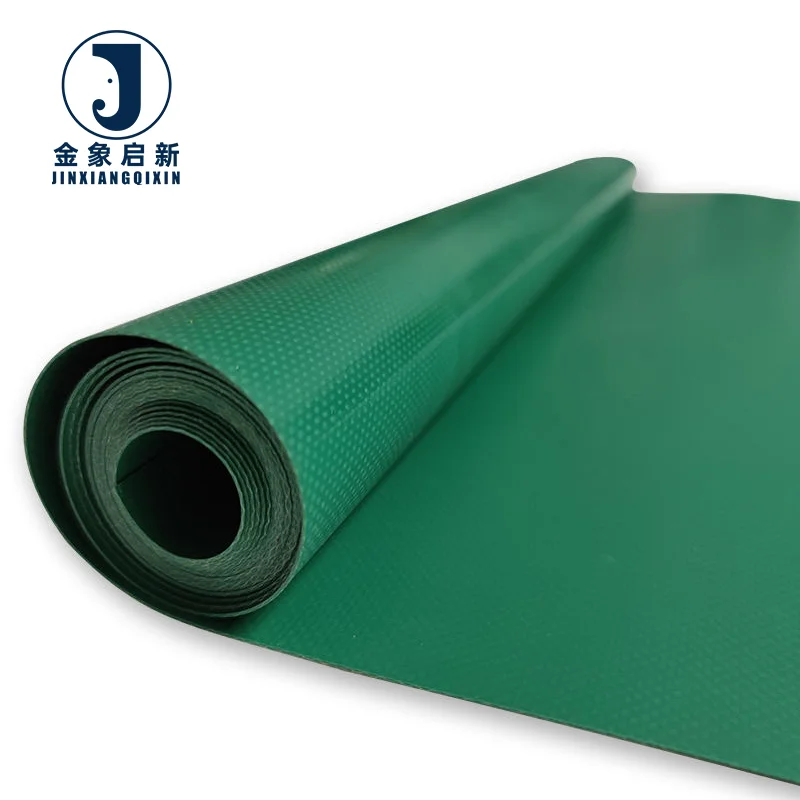
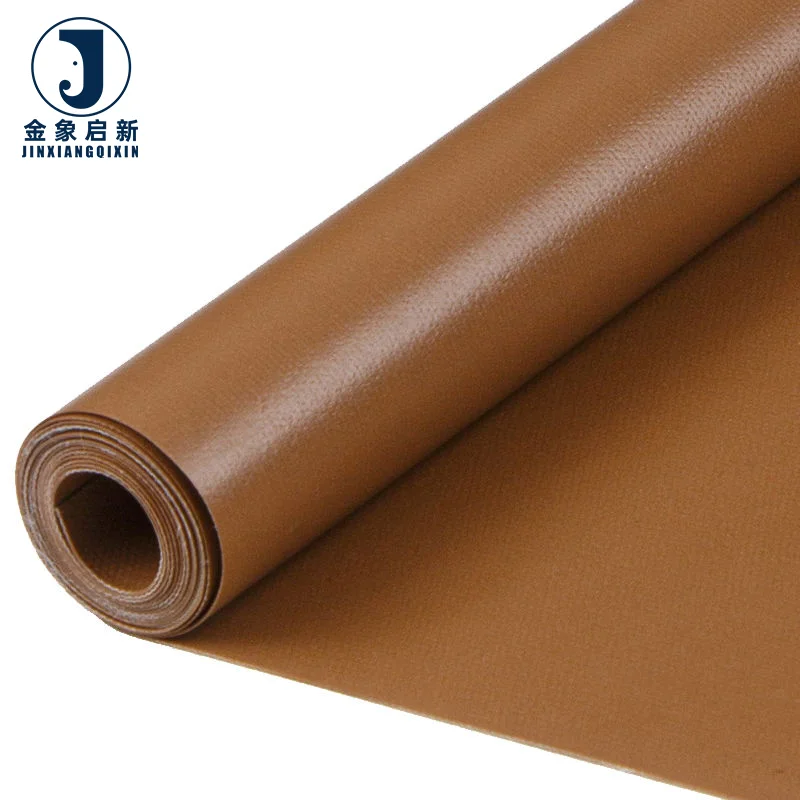
Deep Process Control Over Coating Weight and Adhesion — Every PE tarpaulin roll leaves the line with GSM verified against the quoted specification, eliminating the weight shortfall that silently downgrades a fabricated cover.
Technical Specifications
| Parameter | Value |
|---|---|
| Product Type | PE Tarpaulin Roll |
| Base Fabric | HDPE weaving |
| Coating / Lamination | LDPE lamination on both sides |
| Weight (GSM) | 50gr/m2 ~ 220gr/m2 available (range covers product family — confirm the grade for this item) |
| Total Thickness | 0.2-0.4mm / 8 mil-16 mil / Custom |
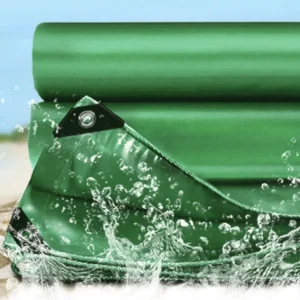
| Waterproof | Yes — LDPE lamination both sides |
| UV Treatment | Available (test basis not stated) |
| Mildew Proof | Yes |
| Anti-aging | Yes |
| Tear Resistance | Tear resistant construction |
| Washable | Yes |
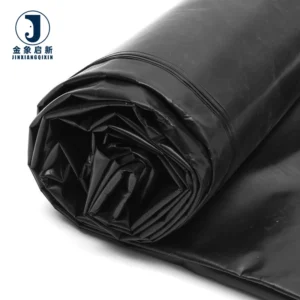
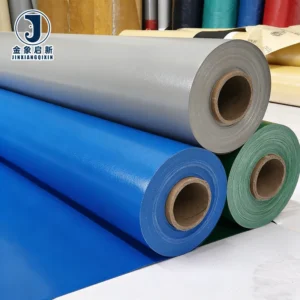
| Colour Options | Blue, Blue/Orange, Green, Grey, Black, Clear, Grey/Green, Orange, or custom |
| Printing | Custom brand printing available |
| Standards | ISO, CE (specific certificates not detailed in source) |
Application Suitability
| Application | Exposure & Requirement |
|---|---|
| Awning fabrication | Continuous sun exposure, thermal cycling, wind uplift at hems and welds |
| Tent manufacturing | Rain ingress prevention, UV degradation, repeated fold-and-pack abrasion |
| Outdoor structure covers | Weather and moisture protection, mildew in humid climates, tear during tensioning |
| Transport and storage covers | Road splash, dust exclusion, tie-down friction at contact points |
| Agricultural and aquaculture covers | Prolonged moisture contact, biological fouling, seasonal UV load |
Why Batch Colour Varies Between Rolls — and What That Costs an Awning or Tent Fabricator
Roll-to-roll colour control is a coating-line discipline, not a sorting exercise.
When two panels from the same PE Tarpaulin Roll order sit side by side on a finished awning, even a slight shade shift reads as a defect to the end client. The root cause usually traces back to pigment dosing inconsistency or temperature fluctuation across the lamination stage. Fabricators who cut and weld in volume absorb that variance as rejected panels, re-cut labour and delayed shipments. [NEED_CITE: colour consistency standards for laminated PE fabric per ISO testing methods]
Controlling Colour and GSM Across a Multi-Roll Production Run
Pigment master-batch is metered into the LDPE melt before lamination, and any drift in dosing ratio shows up as a visible delta once panels are joined. On a PE Tarpaulin Roll for awning and tent production, the target shade must hold not just within one roll but across every roll in the batch. Our coating lines run closed-loop pigment feed with checkpoint sampling at the unwind, mid-run and roll-change stages, so the shade you approve on the sample swatch is the shade that arrives in the container.
How Lamination Uniformity Affects Downstream Welding
Uneven LDPE lamination thickness creates soft spots where the heat-weld bar presses through and hard spots where the seam peels open under tension. Tent and awning fabricators running continuous weld lines need the coating to react predictably at set temperature and dwell time. Double-side LDPE lamination on an HDPE woven base gives a balanced thermal profile, so the weld window stays narrow and repeatable from panel to panel. [NEED_CITE: thermal welding behaviour of LDPE laminated HDPE woven fabric]
Reading the GSM Range — Why 50gr/m2 and 220gr/m2 Serve Different Structures
The 50gr/m2 ~ 220gr/m2 range spans from lightweight temporary covers to heavy-duty awning and tent canopies. A lower GSM grade suits interior tent liners or short-season shade structures where weight savings matter and wind load is minimal. A higher GSM grade supplies the tensile mass needed for permanent awning spans and large-format tent roofs that face sustained wind uplift and thermal cycling. Selecting the correct grade within the range — rather than defaulting to the middle — prevents both over-specification cost and under-performance in the field. The HDPE base fabric denier and weave density work with the lamination weight to deliver the final tear and tensile values; GSM alone does not predict seam holding strength or puncture resistance at tensioned corners.
The Hidden Cost of Specifying on GSM Without Checking Weave Density
A roll that hits the target GSM but relies on heavy lamination over a sparse weave will flex and crack at fold lines sooner than a balanced construction with tighter HDPE yarn count and lighter coating. Fabricators who specify only on weight end up with covers that delaminate at the weld or split at the eyelet under repeated tensioning. [NEED_CITE: relationship between HDPE weave density and delamination resistance in laminated tarpaulins] Always request the base fabric specification alongside the GSM figure so the material behaves predictably during cut-and-sew and throughout service life.
Why Sourcing PE Tarpaulin Roll Stock from a Dedicated Coating Facility Matters
Three full production lines and 36 sets of professional equipment give us the capacity to run large roll orders without compressing the curing window or skipping mid-run checkpoints. A 10-person R&D team handles colour matching, custom width development and sample preparation, so your trial roll reflects the same formulation the production batch will carry. Dedicated QA/QC at every stage — from incoming HDPE yarn inspection through lamination temperature logging to final roll weighing — catches drift before it ships. ISO and CE certification frameworks are maintained and documented, giving your compliance team the paperwork trail the import market demands. Samples for custom colours or widths are developed within days, shortening the gap between approval and container loading.
Documentation & Verification
- Material spec sheet listing confirmed GSM, HDPE base fabric denier and LDPE lamination weight per roll grade
- 100% pre-shipment inspection record showing roll-by-roll weight and colour check results
- UV treatment test report supplied where the grade is specified on the purchase order
- Roll packing list with individual roll count, net weight and cubic volume for container load planning
- Certificate of origin and customs documentation prepared per destination country requirements
Fabrication, Handling & Storage
- Heat-weld temperature and dwell time should be trialled on the specific GSM grade before full production runs
- Store rolls upright on pallets in a shaded, ventilated area to prevent LDPE lamination compression marks
- Allow cold-stored rolls to reach ambient temperature before unrolling to avoid crease cracking on the coating
- Use sharp rotary blades for cutting to prevent HDPE yarn pull that weakens the hem allowance
- Clean with mild detergent and soft brush — solvent-based cleaners may degrade the LDPE surface
- Re-tension awning frames gradually after installation so the HDPE weave settles without shock-loading the welds
What to Include in Your PE Tarpaulin Roll Enquiry
Specify the target GSM grade, required width and roll length, colour or double-side colour combination, and whether UV treatment is needed for the destination climate. Confirm the annual volume so the production schedule can reserve line time for batch-consistent runs. If the end use demands a fire-retardant or specific regulatory grade, state the standard your market requires so the correct formulation is quoted from the start.
Frequently Asked Questions
Q: How is GSM verified before shipment and what tolerance applies?
A: Every roll is weighed on calibrated scales during pre-shipment inspection, and the result is logged against the quoted GSM. The inspection record travels with the shipping documents so you can reconcile on arrival. Tolerance is set per order specification — confirm the acceptable range when placing the enquiry.
Q: How is colour consistency maintained across multiple rolls in one batch?
A: Pigment dosing is controlled at the lamination stage with checkpoint sampling at the unwind, mid-run and roll-change points. Rolls from the same production run are grouped and cross-checked under standard light before packing, so shade variation between adjacent panels is minimised.
Q: What UV treatment documentation is available for outdoor awning and tent use?
A: UV treatment is available as an option. When specified, a test report is supplied with the shipment. The test basis depends on the grade selected — request the applicable report when confirming the order so it matches your market’s exposure requirements.
Q: What are the minimums and lead times for custom width or colour?
A: Custom widths and colours are handled by the R&D team with samples developed within days for approval. Minimum order quantities and lead times depend on the specific width, colour and GSM grade — these are confirmed in the quotation once the application details are provided.