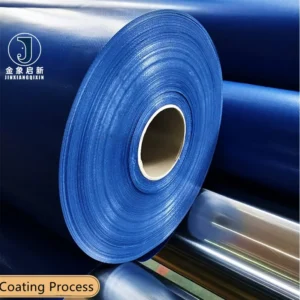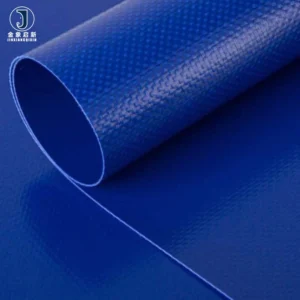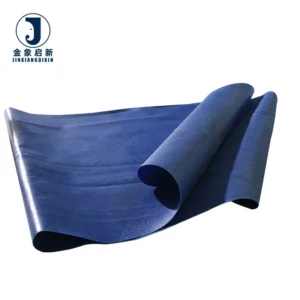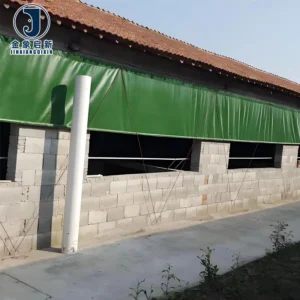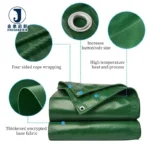
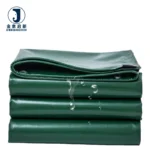
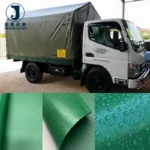
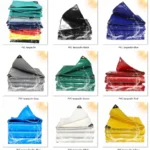
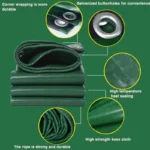
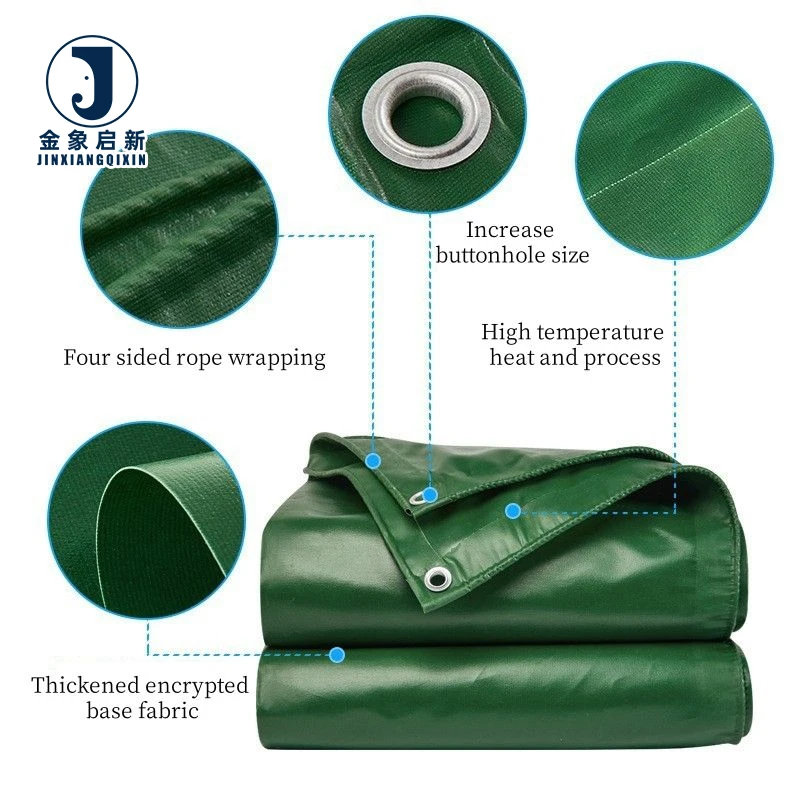
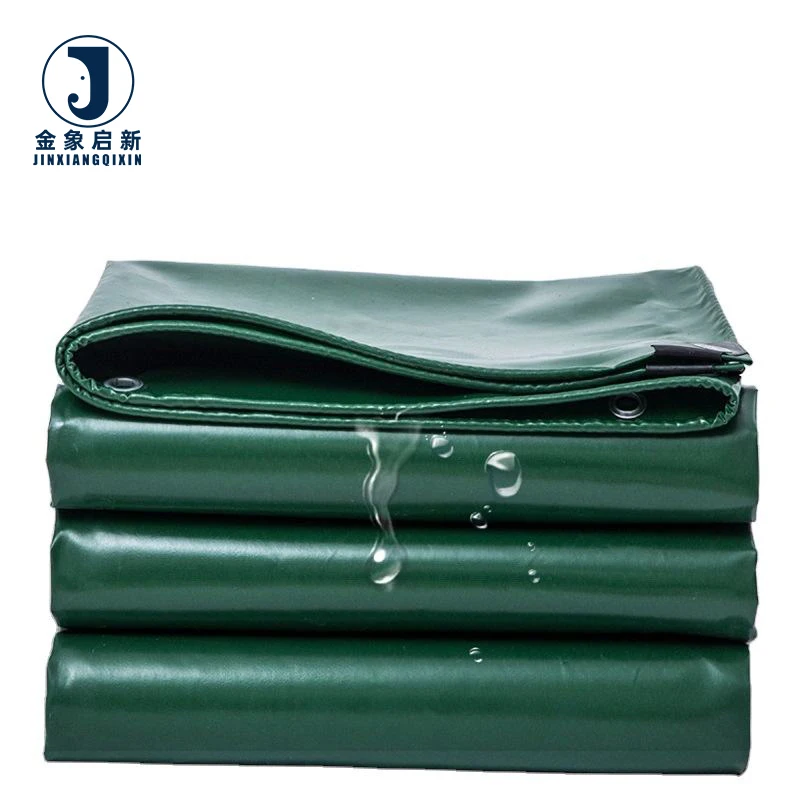
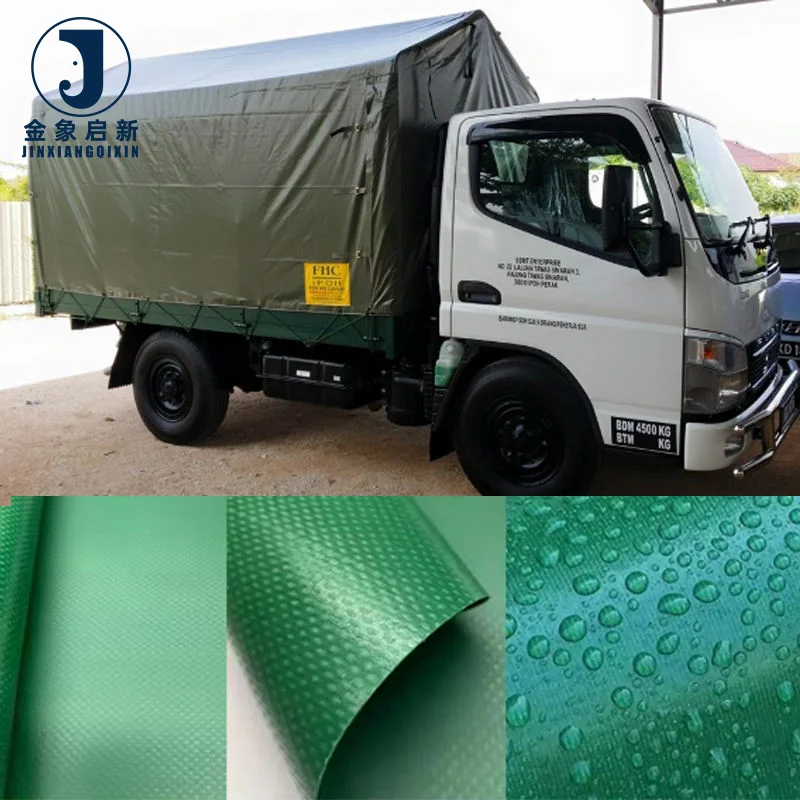
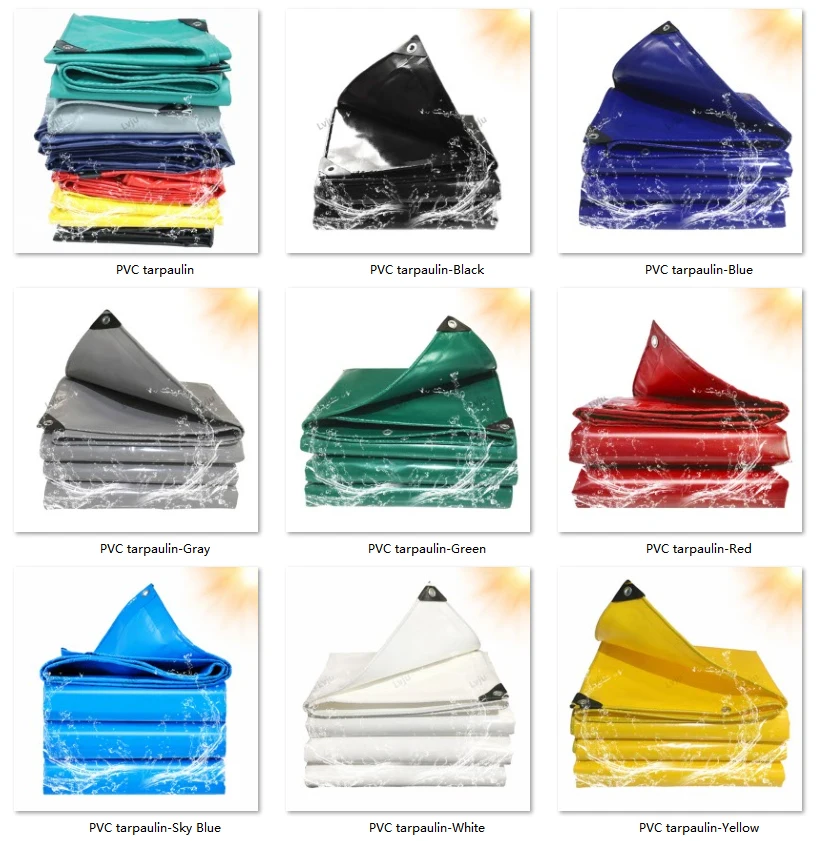
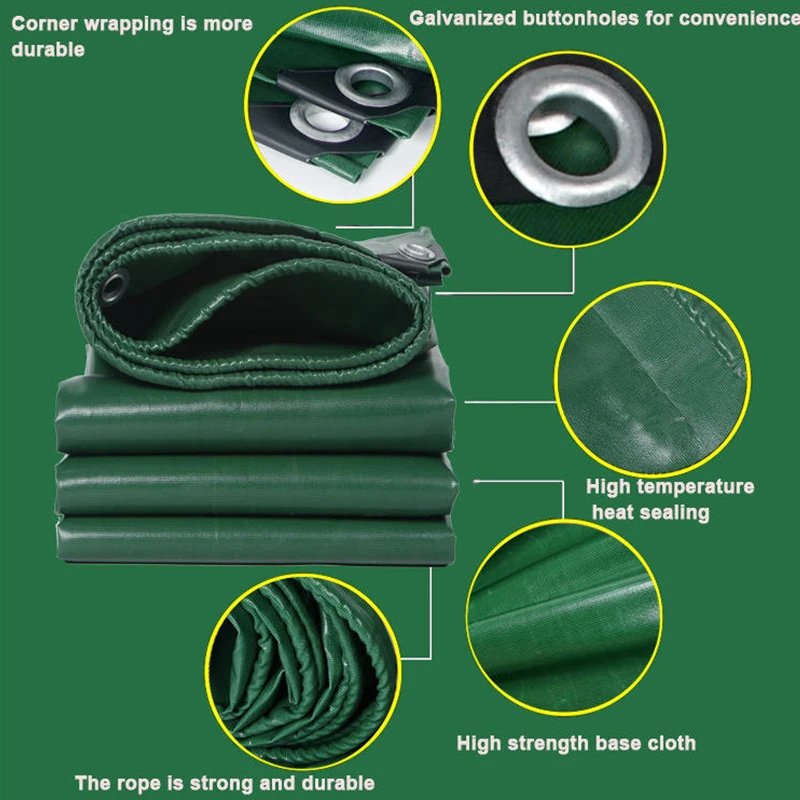
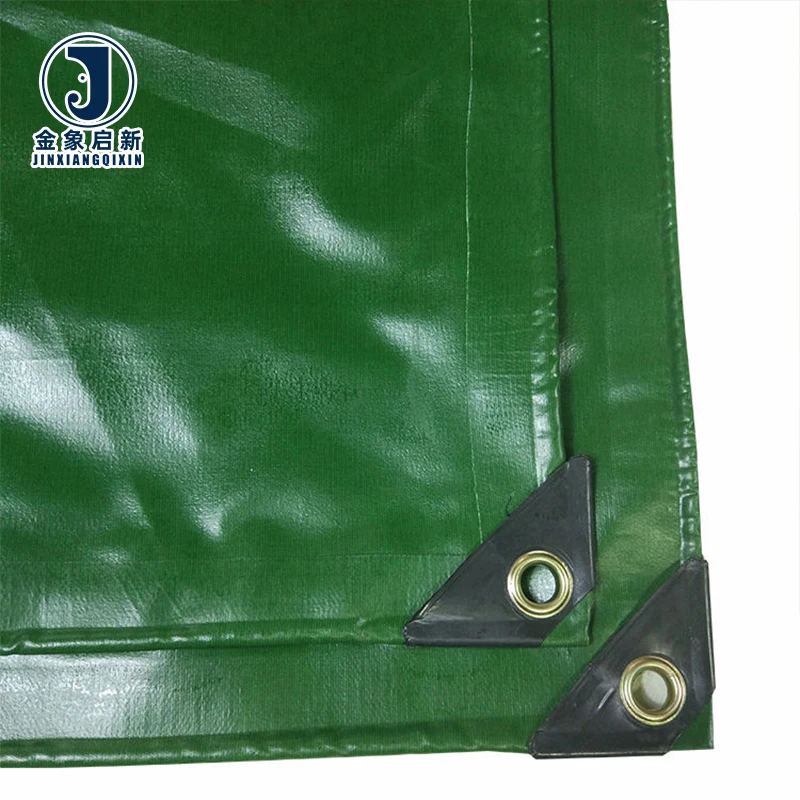
Process-Controlled Coating — every roll of PVC coated tarpaulin fire retardant fabric is produced on dedicated knife-coating lines with in-process weight verification, ensuring the stated 500GSM is the actual weight you receive.
Technical Specifications
| Parameter | Value |
|---|---|
| Product Type | PVC Coated Tarpaulin |
| Base Fabric | Tricot / Woven Plain |
| Coating Material | PVC |
| Coating Method | Knife Coated |
| Weight (GSM) | 500GSM |
| Waterproof Rating | Anti-permeable ≥20KPa |
| Flame Retardant Grade | Flame retardant ≤10 seconds (grade not stated in source) |
| Low-Temperature Flexibility | Will not fracture under pliers at -30℃ |
| Corrosion Resistance | Acid, alkali and brine resistant |
| Key Features | Mildew proof, abrasion-resistant, heat resistant |
Application Suitability
| Application | Exposure & Requirement |
|---|---|
| Mining ventilation duct outer shell | Continuous particulate abrasion, fire-retardant compliance on underground sites, flexing during duct deployment |
| Heavy-duty truck cargo covers | Road debris impact, sustained weather exposure, tie-down point stress, chemical splash from load |
| Aviation and construction temporary enclosures | Wind loading on membrane structures, UV exposure during multi-month site use, welding of panel seams |
| Open-air stockpile and equipment covers | Prolonged moisture contact, saline or industrial atmosphere, thermal cycling across seasons |
| Membrane and inflatable structure panels | Biaxial tension under inflation, repeated folding and redeployment, colour consistency across joined panels |
What "Flame Retardant" Means Without a Verified Grade Behind It
A flame retardant claim without a test standard attached is a liability, not a protection.
Site inspectors in mining and aviation do not accept a supplier statement that the fabric is flame retardant — they require a grade referenced to a recognised standard such as DIN 4102, NFPA 701, or the local mining regulation. PVC coated tarpaulin fire retardant fabric specified for ventilation ducts or temporary enclosures must carry documentation that names the exact test method and result, not a generic description [NEED_CITE: fire classification standards for coated fabrics in underground mining]. When the paperwork is missing or vague, the entire installation fails compliance inspection and the contractor absorbs the replacement cost.
Coating Weight Control for Ventilation and Membrane Fabrication
Fabric destined for ductwork or inflated structures must hold its coating weight uniformly across the full roll width because any thin zone becomes a failure point under positive pressure. The knife-coating process used for this 500GSM PVC coated tarpaulin fire retardant material deposits a measured PVC layer onto the tricot or woven plain base, and the line speed is calibrated to maintain adhesion without starving the surface. Uniform coating weight directly supports reliable heat-welded seams, which is critical when fabricating long duct runs or joining membrane panels on site.
Base Fabric Selection and Dimensional Stability Under Load
The tricot base option provides a multi-directional yarn structure that resists bias stretch, which matters when the fabric is cut into circular or oval duct sections that experience hoop stress. Woven plain base fabric offers higher tensile values in the warp and weft directions, suiting flat-panel applications such as truck side curtains or stockpile covers where load is applied along predictable axes. Choosing between these two base constructions determines how the finished product behaves under tension and how the PVC coated tarpaulin fire retardant material responds to repeated folding during transport and redeployment [NEED_CITE: tensile and tear behaviour of tricot versus woven plain base fabrics].
Reading the Specification Sheet Beyond the GSM Number
The 500GSM weight is a useful starting point, but it tells only part of the performance story. Coating method, base fabric denier, and weave density together determine whether the fabric tears cleanly or arrests a rip once it starts. Knife coating produces a higher peel strength between the PVC layer and the yarn compared to laminated alternatives, which means the coating is less likely to delaminate at the heat-weld zone. The ≥20KPa waterproof rating confirms that the coating is continuous and free of pinholes across the roll, an indicator of process consistency rather than a standalone selling point. Low-temperature flexibility to -30℃ without fracture under pliers tells a fabricator that cold-climate deployment will not cause brittle cracking at fold lines or welded corners [NEED_CITE: low-temperature pliers test method for PVC coated fabrics].
The Cost of Specifying on GSM Alone
When buyers select material based only on a GSM figure without verifying the base fabric construction or coating adhesion, the result is often a roll that meets weight on the scale but tears easily along the weft. Duct fabricators who heat-weld seams on a material with weak peel strength will see the coating separate from the yarn at the weld line before the base fabric reaches its own breaking point. For membrane structures, a batch with inconsistent coating thickness produces visible gloss variation once panels are joined side by side, forcing the contractor to reject material that has already been shipped to site [NEED_CITE: weld seam failure versus base fabric failure in coated technical textiles].
Why Procurement Teams Consolidate Here
Coating weight and adhesion are controlled through dedicated process lines with in-process QA checkpoints, so the 500GSM you specify is the 500GSM that arrives. The 10-person R&D team develops custom samples within days, allowing fabricators to test heat-weld parameters on the exact tricot or woven plain base before committing to a full roll order. Every roll undergoes 100% pre-shipment inspection with GSM verification, waterproof rating confirmation, and flame retardant test result recorded per batch. Material specification sheets, test reports, and certificates of origin are compiled per shipment, reducing the documentation chase that delays customs clearance on compliance-critical projects.
Documentation & Verification
- Weight verification per roll against the stated 500GSM before dispatch
- Flame retardant test result recorded per batch with test method named
- Material specification sheet stating base fabric, coating method, and treatment grades
- Certificate of origin, ISO and CE certificates included with every shipment
- Pre-shipment inspection record covering coating adhesion and waterproof rating
Fabrication, Handling & Storage
- Heat-weld temperature and dwell time must be matched to the knife-coated PVC layer to avoid delamination at the seam
- Store rolls upright on end-caps to prevent flat-spot deformation of the 500GSM material
- Allow cold-stored rolls to acclimatise before unrolling to protect low-temperature flexibility at -30℃
- Use solvent-free cleaners compatible with the PVC surface to preserve corrosion resistance against brine and alkali
- Plan cutting layout to minimise off-cuts, as the tricot base frays less than woven plain when cut on the bias
Requesting a Fabric Specification for Your Project
Provide the operating environment — underground mining, aviation hangar, or open-air chemical exposure — along with the fire-retardant standard your site inspector requires. State whether you need full rolls for in-house fabrication or pre-cut panels with welded hems, and confirm the target roll width and annual volume so that batch consistency can be planned across multiple shipments. If colour matching across joined panels is critical, request a production sample before the main order enters coating.
Frequently Asked Questions
Q: What flame retardant grade and test standard does this fabric carry for mining or aviation compliance?
A: The fabric demonstrates flame retardant behaviour of ≤10 seconds under in-house testing. The specific grade and test standard must be confirmed against your local mining or aviation regulation — contact the technical team with your required standard so the correct test report can be prepared and shipped with your order.
Q: How is the 500GSM weight verified before shipment and on arrival?
A: Each roll is weighed and recorded during 100% pre-shipment inspection, and the GSM is verified against the material specification sheet. A weight verification record travels with the dispatch documentation so you can cross-check on arrival.
Q: Can this PVC coated fabric be heat-welded for duct or membrane structure fabrication?
A: Yes. The knife-coated PVC layer on both tricot and woven plain base fabrics supports high-frequency and hot-air welding. Request a fabrication sample to dial in weld temperature and dwell time on your specific equipment before committing to a full production run.
Q: What documentation is supplied for fire-retardant and anti-static site requirements?
A: Every dispatch includes a material specification sheet, pre-shipment inspection record, flame retardant test result per batch, certificate of origin, and ISO and CE certificates. Anti-static test reports are provided where the grade is specified at inquiry stage.
Q: How does the tricot base fabric affect seam strength and long-term dimensional stability?
A: The multi-directional yarn structure of the tricot base resists bias stretch, keeping circular and oval duct sections stable under hoop stress. Combined with knife-coated PVC, it delivers strong peel adhesion at heat-welded seams, reducing delamination risk under repeated flexing.