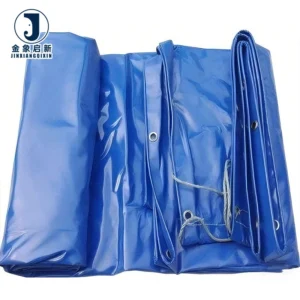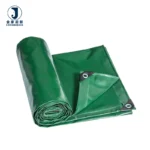
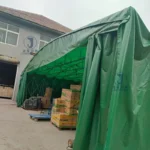
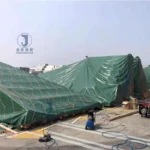
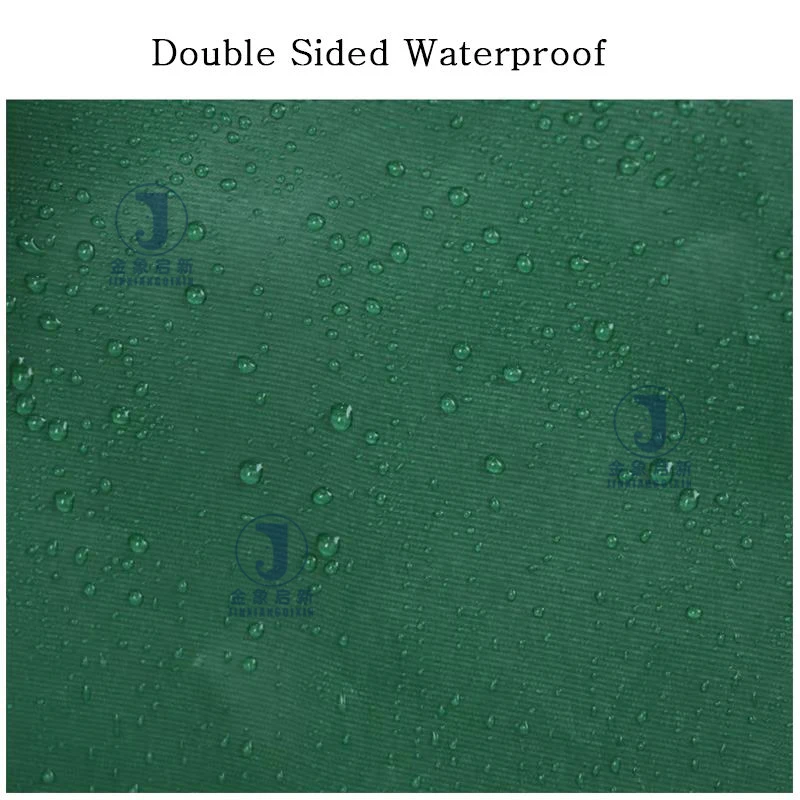
Deep Process Control Over Coating — Adhesion strength between the PVC layer and polyester base is managed at every production stage, verified roll by roll before dispatch to ensure membrane structures meet their design load without delamination at the seams.
Technical Specifications
| Parameter | Value |
|---|---|
| Product Type | PVC Coated Fabric |
| Base Material | 100% high toughness polyester yarn |
| Coating Material | PVC |
| Coating Technology | Lamination and hot melt coating |
| Thickness Range | 0.35 mm – 1.5 mm (across product family) |
| Weight Range | 400 – 1500 g/m² (across product family) |
| Base Fabric Density | 500D – 2000D (across product family) |
| Tensile Strength (Warp) | 1500 – 3000 N/5cm |
| Tensile Strength (Weft) | 1200 – 2800 N/5cm |
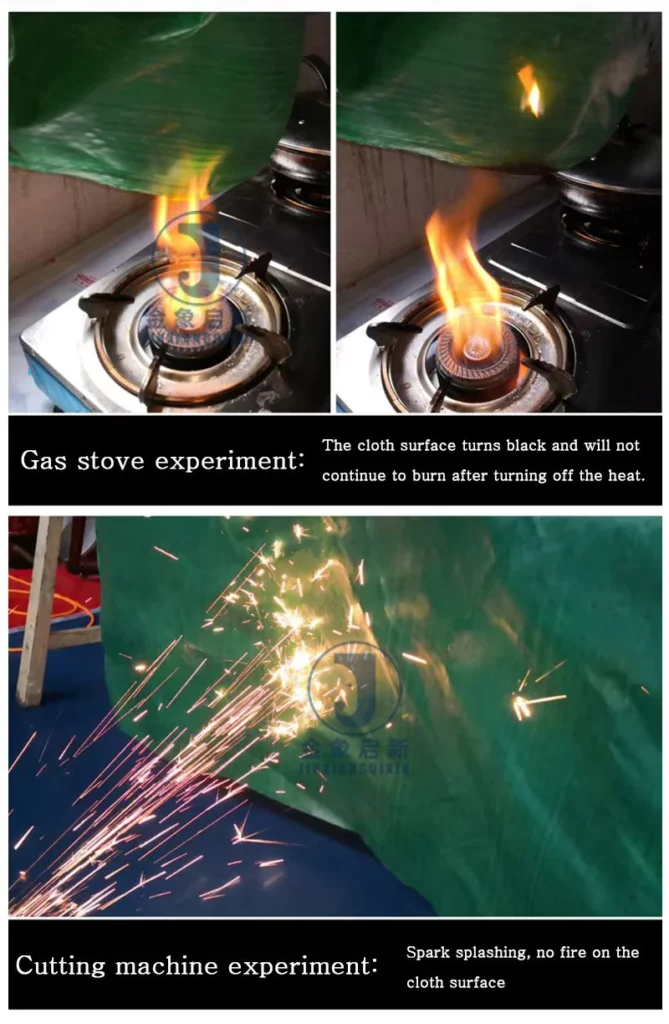
| Flame Retardant | Available in flame retardant grades — confirm the grade required for your market |
| Anti-Static | Anti-static treatment available (standard/surface resistance to be confirmed per order) |
| UV Treatment | Weather resistance option available (test basis to be confirmed) |
| Cold Resistance | Cold resistant cracking formulation |
| Anti-Mildew | Mold proof treatment |
| Waterproof | Fully waterproof coated construction |
| Standards | ISO, CE |
Application Suitability
| Application | Exposure & Requirement |
|---|---|
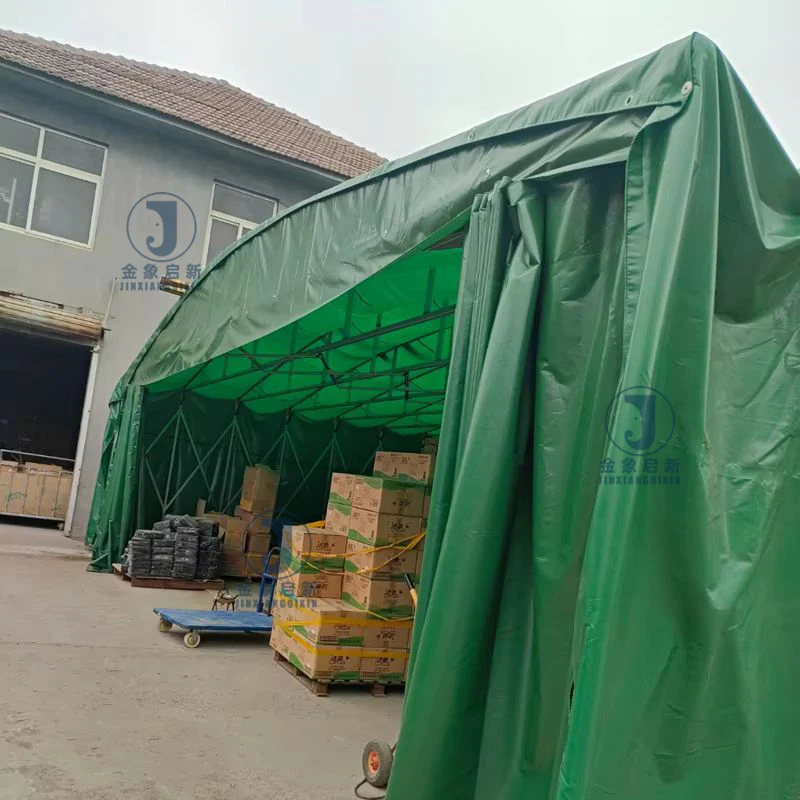
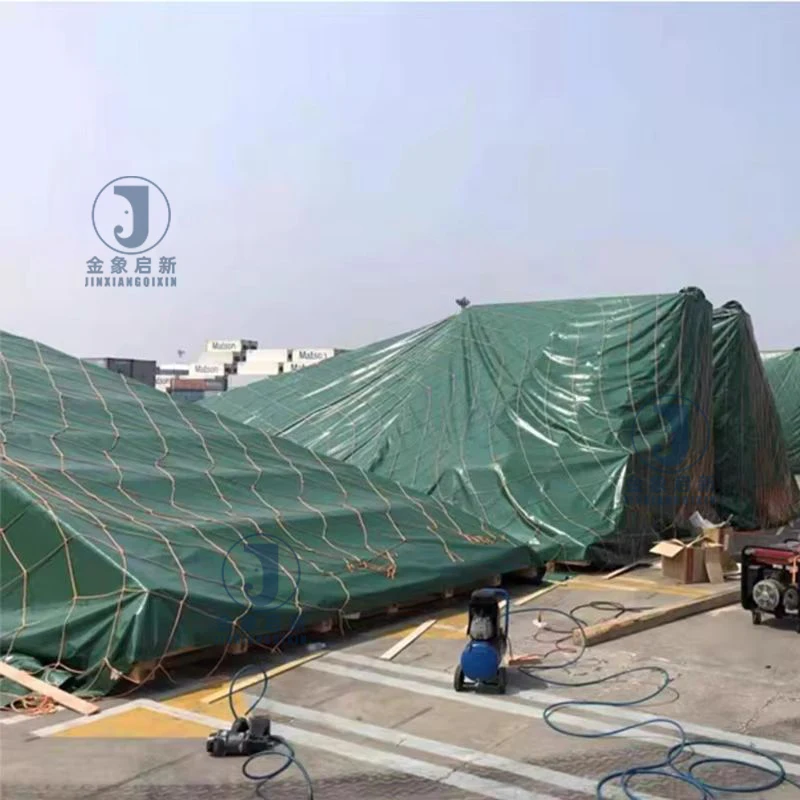
| Tensile membrane roofs | Continuous UV and weather exposure, sustained tension loads, weld seam integrity at anchor points |
| Stadium and arena roofing | Long-span structural tension, wind uplift cycling, fire code compliance for public venues |
| Industrial pipe canopies | Chemical-laden atmosphere, thermal cycling, puncture resistance from maintenance access |
| Architectural covers | Aesthetic surface consistency, colour fastness across panels, seasonal temperature extremes |
| Inflatable and membrane structures | Air-holding seam integrity, repeated inflation cycles, flex fatigue at fold lines |
Why Material Data Sheets Fall Short on Membrane Structure Fabric
Selecting PVC coated fabric for membrane structures based solely on a weight figure leads to specification gaps that surface only after installation.
Coating adhesion and base fabric construction determine structural behaviour far more than weight alone.
When a tensile membrane fails, the tear rarely starts in the middle of a panel. It initiates at a weld seam or an anchor point where the coating separates from the base yarn under cyclic load. I have seen heavy-grade coated rolls delaminate at the seam while lighter rolls with superior hot melt adhesion held firm through multiple storm seasons [NEED_CITE: tensile and tear test methods for coated fabrics per ISO 1421]. Specifying PVC coated membrane structure fabric 620 gsm or any other grade requires verified adhesion data, not just a weight claim on a quotation. Without that, the fabric may pass a visual inspection on arrival and still fail where the structure flexes most.
Hot Melt Coating and Structural Adhesion
The coating method defines how the PVC layer bonds to the polyester base. Hot melt coating technology drives the PVC compound into the yarn interstices under heat and pressure, creating a mechanical lock that resists peeling under tension. For membrane structures that experience constant preload and wind-driven oscillation, this bond quality directly determines whether the fabric tears cleanly or delaminates progressively at stressed seams. Lamination technology, also used across this product family, offers an alternative bonding approach suited to different cost and performance targets.
Weld Seam Integrity in Tensioned Installations
Every membrane roof is only as strong as its seams. The welding tear strength of PVC coated membrane structure fabric depends on how uniformly the coating flows and fuses when heated. Inconsistent coating weight across a roll means one section welds cleanly while the next burns through or bonds weakly. This product family is produced with controlled coating application across the full width, and each roll undergoes pre-shipment inspection to verify consistency [NEED_CITE: DIN 4102 fire classification for building materials]. Contractors installing stadium roofs or architectural canopies benefit from this roll-to-roll uniformity because it reduces weld parameter adjustments on site.
Reading the Specification Sheet Beyond the Weight Number
Weight in grams per square metre tells you how much material is present, but not how it is distributed. A 620 gsm fabric with a tight 1000D base weave and thin, even coating will outperform a 620 gsm fabric built on a loose 500D weave compensated by thick coating layers. The base fabric denier and weave density govern tear propagation resistance — a high-denier yarn in a dense weave arrests a tear after a few millimetres, while a low-density base lets it run. Coating thickness and method then govern surface durability, weldability, and how well the fabric resists abrasion at contact points. The tensile strength range of 1500–3000 N/5cm warp and 1200–2800 N/5cm weft across this family reflects the different base fabric options available, each matched to specific load scenarios in membrane design.
The Hidden Cost of Specifying on Price Per Kilogram
When membrane fabric is sourced on a cost-per-kilogram basis, suppliers have an incentive to shift weight from base yarn to cheaper coating compound. The result arrives looking correct on the scale but behaves differently under load. The coating may crack at low temperatures, the weld seams may peel under cyclic tension, and colour may shift between rolls produced in different batches. I have encountered projects where panels installed side by side showed visible shade differences in direct sunlight, forcing the contractor to replace an entire roof section before the client would accept handover [NEED_CITE: coating adhesion failure modes in architectural membrane installations]. Verified GSM and coating weight documentation, checked roll by roll before shipment, is the only practical defence against this outcome.
Why Technical Buyers Source This Fabric Here
Three full production lines and 36 sets of professional equipment support consistent output across bulk orders, meaning your membrane project rolls are produced in a single campaign with matched coating parameters. A 10-person R&D team handles material selection and sample development, so custom widths or treatment combinations are developed and confirmed before production starts rather than improvised on the line. Every roll passes through dedicated QA/QC at each production stage, with 100% inspection before shipment — the GSM and thickness are verified per roll, not sampled from one roll per batch. Coating weight and adhesion are controlled through deep process knowledge built over nearly 30 years of focused coated fabric production. Documentation packages ship with each order, matching the compliance requirements of cross-border architectural projects.
Documentation & Verification
- Material specification sheet confirming exact GSM, base fabric denier, and coating method for each roll
- Test reports for flame retardant grade and anti-static surface resistance where applicable to your project
- Pre-shipment inspection record with GSM and thickness verified roll by roll before dispatch
- Certificate of origin and customs documentation for cross-border project delivery
- ISO and CE certificates included with every shipment
Fabrication, Handling & Storage
- Hot melt coated surfaces require calibrated heat settings — test weld parameters on a sample strip before full production
- Store rolls upright on end cores to prevent flat-spot deformation of the PVC coating layer
- Unroll cold-weather deliveries gradually; cold resistant formulation still requires careful handling below freezing
- Cut panels with allowance for weld seam overlap matching the fabric thickness to avoid step-off at joints
- Clean finished membranes with mild, non-solvent cleaners to preserve the surface coating and mold proof treatment
What We Need to Quote Your Membrane Project
To recommend the correct grade from this fabric family, share the structural load calculations or the tensile requirements from your membrane engineer. Specify the fire classification your local building code demands for public-venue roofing, and confirm whether anti-static treatment is required for your installation environment. Provide the panel widths you need and the total linear metres per colour, along with whether you require rolls only or finished fabricated panels.
Frequently Asked Questions
Q: How is GSM verified on arrival and what tolerance applies to membrane structure fabric rolls?
A: Each roll is weighed and measured during pre-shipment inspection, with the recorded GSM documented against the stated specification. We provide the inspection record with your shipment so you can cross-check on receipt. Tolerance expectations vary by project — confirm your acceptance criteria at the quotation stage so we align production control to your standard.
Q: Which flame retardant grades can be supplied for stadium and public-venue projects?
A: This fabric family is available in flame retardant grades, but the specific certification required depends on your market — common standards include DIN 4102, NFPA 701, and regional building code classifications. State the grade your project specification calls for, and we will confirm availability and provide the matching test report with your order.
Q: What test basis supports the outdoor weather resistance claim?
A: Weather resistance depends on the specific UV treatment formulation applied to your chosen grade. We supply test documentation for the UV stabiliser package used in your production batch. Share your project’s expected exposure duration and climate zone so we can recommend the appropriate treatment level and back it with the corresponding data.
Q: How are batch colour consistency and roll-to-roll thickness controlled across a multi-roll order?
A: All rolls for a single project order are produced in one campaign using matched raw material batches. Coating weight and thickness are checked at each production stage and recorded per roll. The pre-shipment inspection includes a side-by-side visual check and measured verification before the rolls are packed together for dispatch.