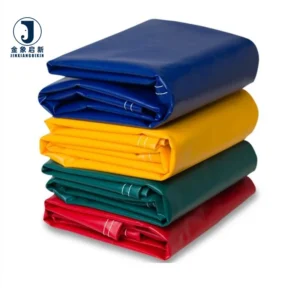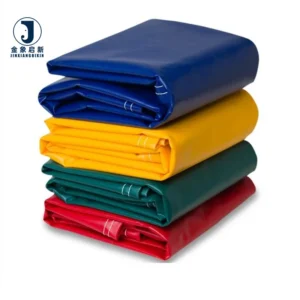
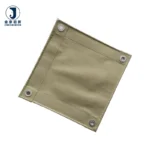
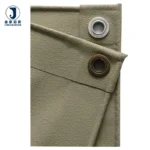
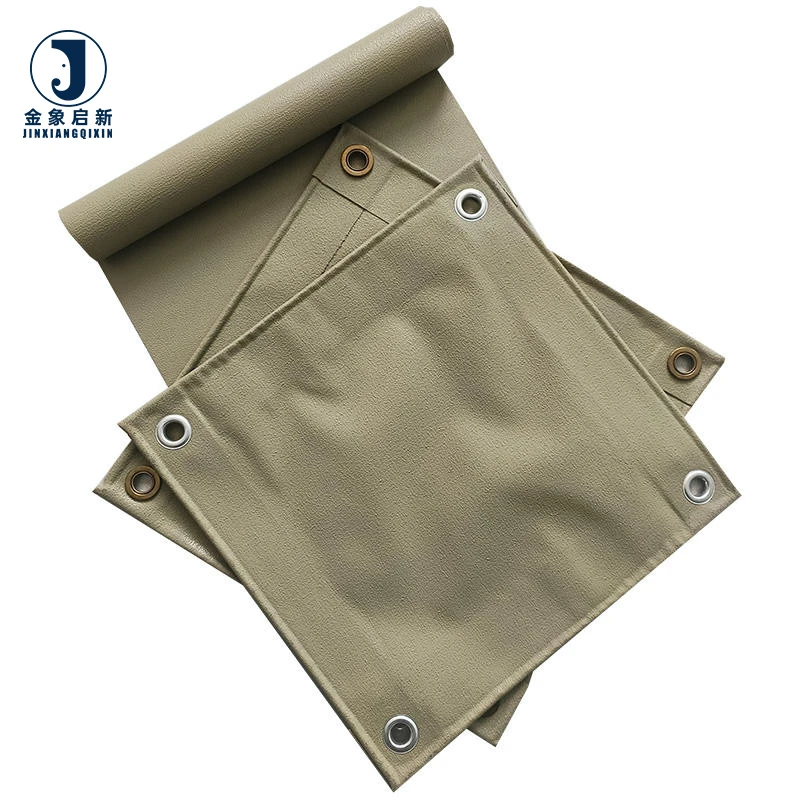
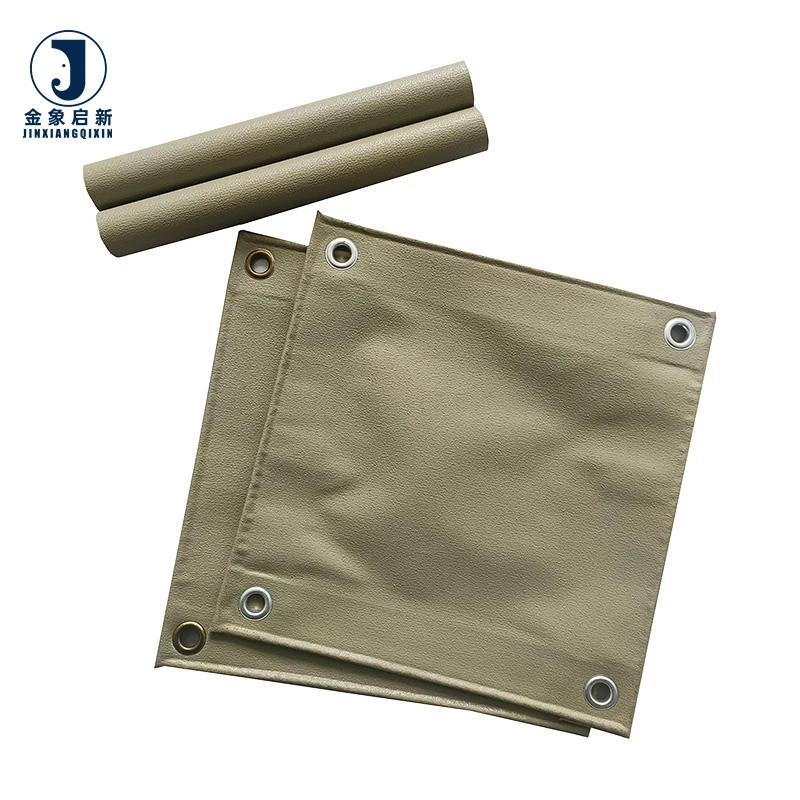
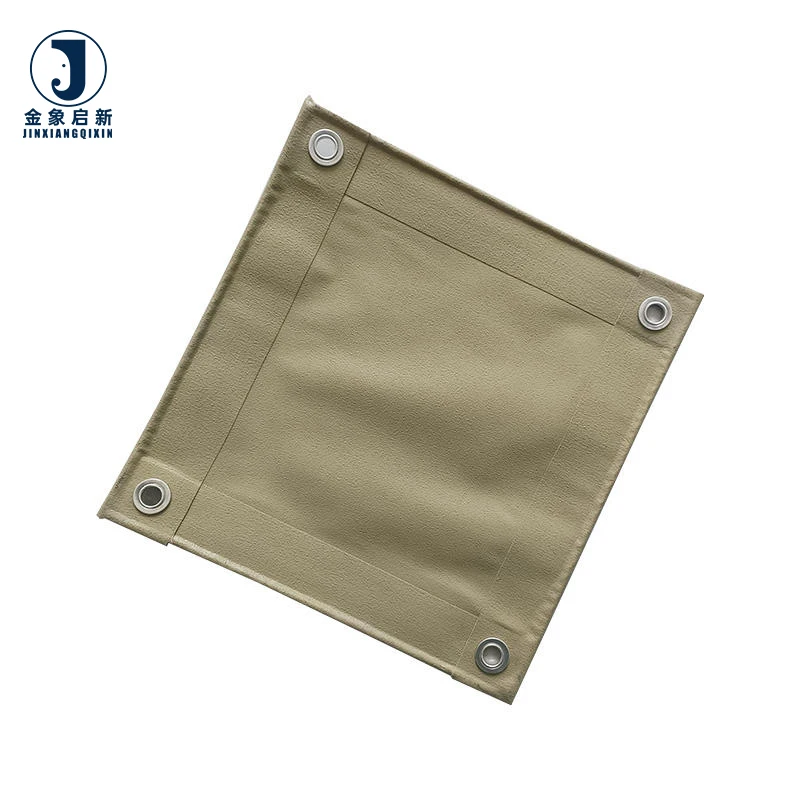
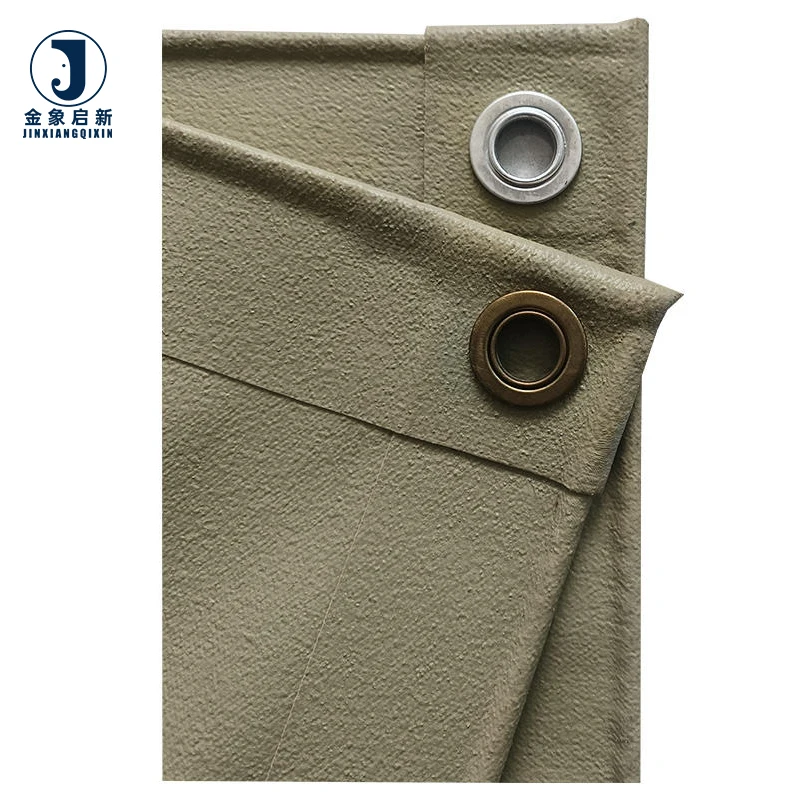
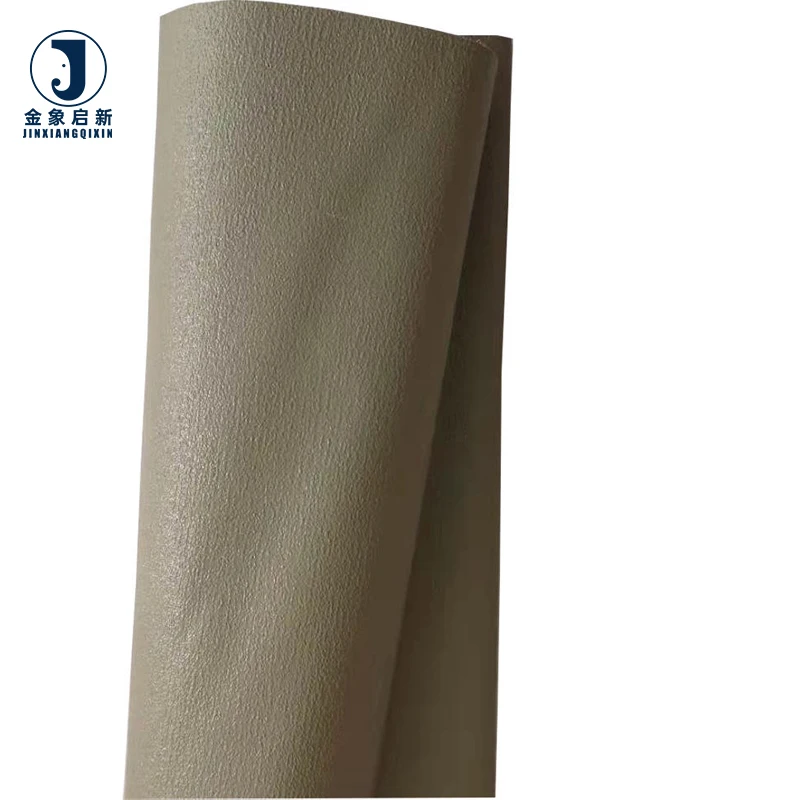
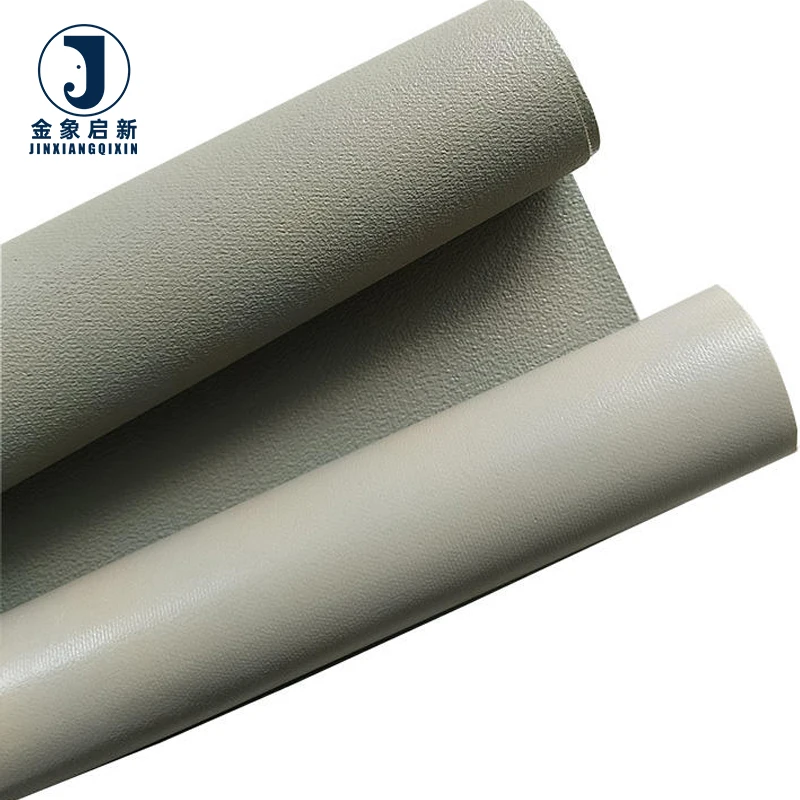
Technical Compliance First — PVC coated fabric supplied with verifiable fire-retardant and anti-static documentation, backed by nearly 30 years of coating process control and dedicated QA at every production stage.
Technical Specifications
| Parameter | Value |
|---|---|
| Product Type | PVC Coated Fabric |
| Material | PVC Vinyl, Woven Fabric Base |
| Weight | At least 450 GSM |
| Coating Method | Knife Coated |
| Surface Finish | Banner Coated |
| Waterproof | Yes |
| Tear-Resistant | Yes |
| Anti-UV | Available (test basis not stated — confirm grade required for your market) |
| Fire-Retardant | Available in flame retardant grades — confirm the grade required for your market |
| Anti-Static | Available — confirm surface resistance standard for your site compliance |
| Custom Sizing | Available |
| Base Fabric Denier | 1000×1000 |
| Key Features | Waterproof, tear-resistant, custom sizing, fire-retardant and anti-static treatment options |
Application Suitability
| Application | Exposure & Requirement |
|---|---|
| Mining and tunnelling ventilation duct | Continuous airflow, suspended weight, fire-retardant and anti-static compliance mandated by site safety regulations |
| Aviation ground support ductwork | Fuel-adjacent environments requiring verified anti-static performance and documented flame retardancy |
| Membrane and inflatable structures | Wind load, UV exposure, welded seam integrity under cyclic inflation pressure |
| Temporary industrial enclosures | Weather exposure, abrasion from equipment movement, rapid deployment and teardown |
| Specialist protective covers for site equipment | UV, rain, dust ingress, mechanical contact during storage |
Why Certified PVC Coated Fabric Matters on Regulated Sites
A ventilation duct without a verifiable fire-retardant grade is a compliance failure waiting to happen.
Mining safety inspectors and aviation ground operations managers require documentation, not verbal assurances. When PVC coated fabric arrives on site without a matching test report for the specified flame retardant standard, the entire duct run can be rejected at inspection. This delays ventilation commissioning and exposes the contractor to regulatory penalties. [NEED_CITE: fire classification requirements for ventilation ductwork in underground mining per applicable regional standards] The cost of replacing non-compliant duct fabric mid-project far exceeds the effort of specifying the correct grade upfront.
Duct Construction and Airflow Integrity
Ventilation duct fabricated from PVC coated fabric must maintain dimensional stability under negative and positive pressure cycles. The 1000×1000 denier woven base provides the structural backbone that prevents duct collapse at bends and junctions. Knife coating ensures consistent PVC adhesion across the full fabric surface, eliminating pinholes that cause air leakage over extended runs. For mining and tunnelling applications, the fabric must withstand suspended installation where the duct weight is carried entirely by the material and its welded seams.
Anti-Static Requirements in Hazardous Environments
In aviation fuel-handling areas and certain mining zones, static charge accumulation on duct surfaces presents an ignition risk. PVC coated fabric for these environments requires anti-static treatment with a measurable surface resistance value. The specification must state the applicable standard and the measured result must fall within the required range. [NEED_CITE: surface resistance standards for anti-static fabrics used in hazardous area ventilation] Request the test report before approving the material, not after delivery.
Understanding What the Specification Actually Controls
The 450 GSM minimum weight represents the combined mass of the woven base fabric and the PVC coating applied by knife coating. This weight influences tensile strength, tear resistance, and the fabric’s ability to hold welded seams under load. However, weight alone does not determine performance. The 1000×1000 denier base fabric defines the yarn thickness in both warp and weft directions, which governs how the fabric resists tearing once a cut or puncture initiates. Knife coating produces a mechanical bond between the PVC layer and the woven substrate, delivering higher peel strength than laminated alternatives — this matters directly when duct sections are joined by thermal welding. The banner coated finish provides a smooth surface that resists dust accumulation inside duct runs and allows straightforward cleaning of exterior membranes. [NEED_CITE: relationship between knife coating adhesion and welded seam peel strength per ISO 1421 test methods]
The Cost of Undocumented Compliance
A ventilation duct installed in a tunnelling project fails site inspection because the fire-retardant certificate supplied does not match the grade specified in the contract documents. The contractor must remove the installed duct, source compliant PVC coated fabric, and refabricate — losing weeks of schedule. In another scenario, anti-static fabric is specified but the surface resistance test report is absent from the shipment documentation. The safety officer halts commissioning until verification is provided. These failures trace back to the procurement stage, where the buyer accepted a quotation without demanding the supporting test documentation before production began. [NEED_CITE: contractual specification enforcement for fire-retardant materials in construction and mining projects]
Why Source This PVC Coated Fabric Here
Nearly 30 years of focused coated fabric production means the coating weight and adhesion parameters are controlled through established process knowledge, not trial and error. Three full production lines and 36 sets of professional equipment support bulk orders with reliable scheduling for duct and membrane projects. A 10-person R&D team handles custom width, fire-retardant grade selection, and sample development for your specific compliance requirements. Dedicated QA/QC operates at every production stage with full pre-shipment inspection, so GSM, coating weight, and treatment verification are confirmed before the rolls leave the facility. ISO and CE certified operations provide the documentation trail that regulated sites demand.
Documentation & Verification
- Material specification sheet stating GSM, base fabric denier, and coating method matched to each roll
- Fire-retardant test report citing the specific grade and standard applicable to your site
- Anti-static surface resistance measurement report with test method and result stated
- Pre-shipment inspection record confirming weight and coating consistency before dispatch
- ISO and CE certificates included with shipment documentation package
- Certificate of origin and customs support documents for international delivery
Fabrication, Handling & Storage
- Thermal welding parameters must be matched to the knife coated PVC layer thickness for full seam fusion
- Suspended duct installation requires welded hanging loops sized to the 450 GSM minimum fabric weight
- Store rolls horizontally on racking to prevent compression creasing of the banner coated surface
- Unroll and allow the PVC coated fabric to relax before cutting to avoid dimensional drift in duct panels
- Clean membrane surfaces with neutral detergent only — solvents degrade the PVC coating adhesion
- Field repairs on duct sections use compatible PVC patches heat-welded at matching temperature settings
Project Specification Guidance
To move from inquiry to sample approval efficiently, provide the ventilation duct diameter, run length, and operating pressure range for your project. State the fire-retardant standard your site requires and whether anti-static compliance is mandated. Confirm the fabric width needed and whether you require rolls only or fabricated duct sections with welded joints and hanging hardware.
Frequently Asked Questions
Q: What fire-retardant grades are available for mining and tunnelling ventilation duct compliance?
A: PVC coated fabric is available in flame retardant grades suited to mining and tunnelling ventilation applications. The specific grade must match your site’s regulatory requirement, which varies by jurisdiction. State the standard referenced in your contract documents — such as M2, B1 per DIN 4102, or NFPA 701 — so the correct treatment is applied and documented with a matching test report before shipment.
Q: How is anti-static performance verified on this PVC coated fabric?
A: Anti-static treatment is available for PVC coated fabric used in aviation ground support and mining ventilation. Verification requires a surface resistance test conducted to the standard applicable to your hazardous area classification. Request the test report with measured values included in the shipment documentation, and confirm the acceptable resistance range with your site safety officer before approving the material specification.
Q: Can the base fabric denier and coating weight be specified for membrane or inflatable structure loads?
A: The standard base fabric denier is 1000×1000 with a minimum 450 GSM coating weight. For membrane and inflatable structures with specific wind load or inflation pressure requirements, the R&D team can evaluate whether this construction meets your engineering specification or whether an alternative grade is needed. Submit your structural load calculations with your inquiry for a material recommendation.
Q: What is the lead time for custom width or fire-retardant treatment on this fabric?
A: Custom width, fire-retardant treatment, and anti-static treatment involve production scheduling across three full lines. Typical lead times extend over multiple weeks depending on order volume and treatment complexity. Samples are developed within days for custom requirements, allowing you to approve material and documentation before bulk production is scheduled. Confirm your project timeline at inquiry stage.
Q: How are welded seams validated for duct and inflatable structure applications?
A: Welded seam integrity depends on the knife coated PVC layer’s adhesion to the woven base and the thermal welding parameters used during fabrication. The 100% pre-shipment inspection process checks coating consistency, which directly affects weld quality. For fabricated duct sections, request welded seam samples for peel strength evaluation before approving bulk production of your PVC coated fabric order.