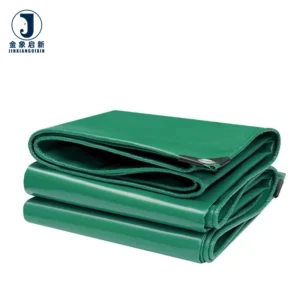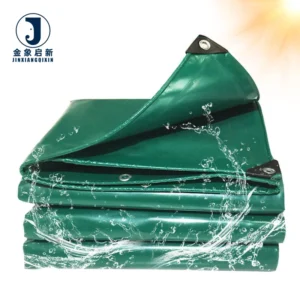

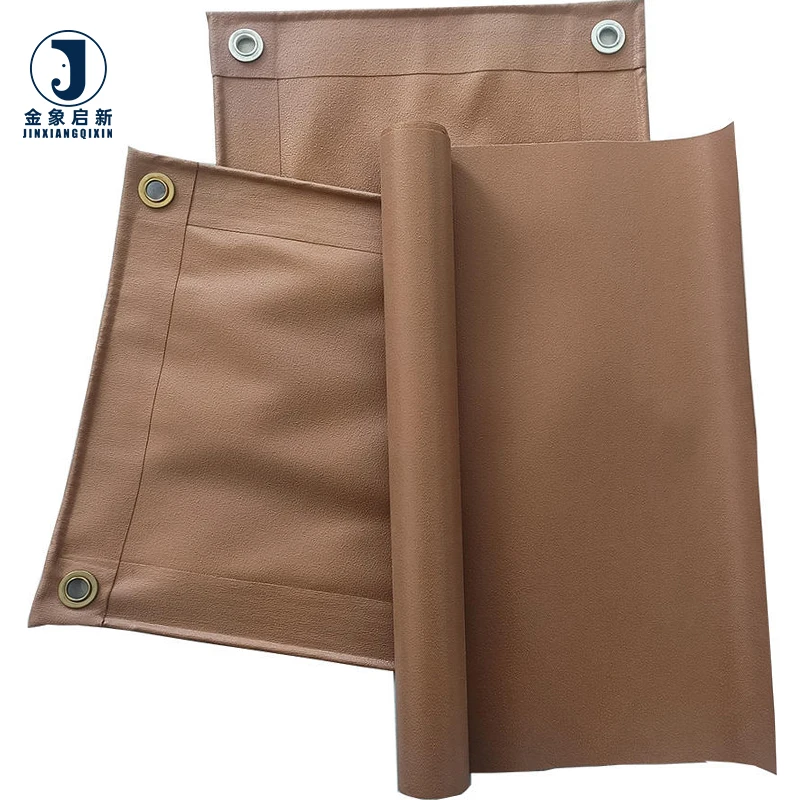
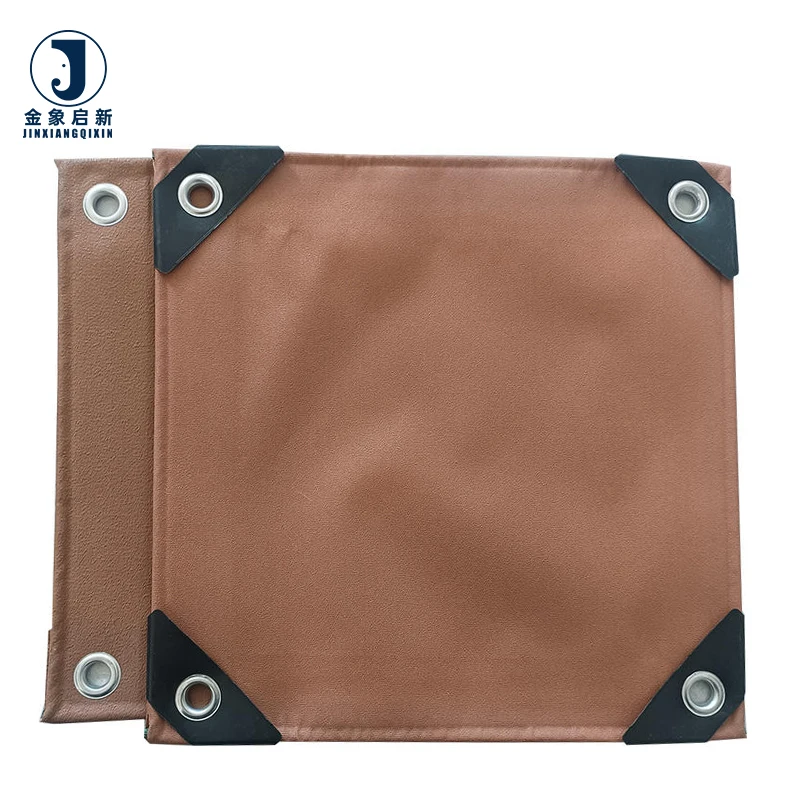
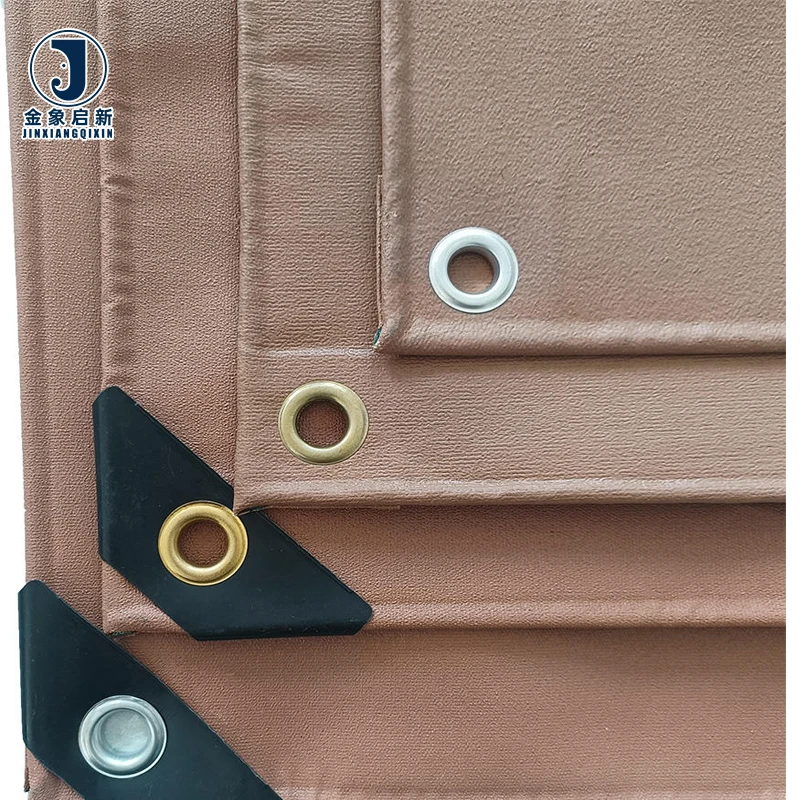
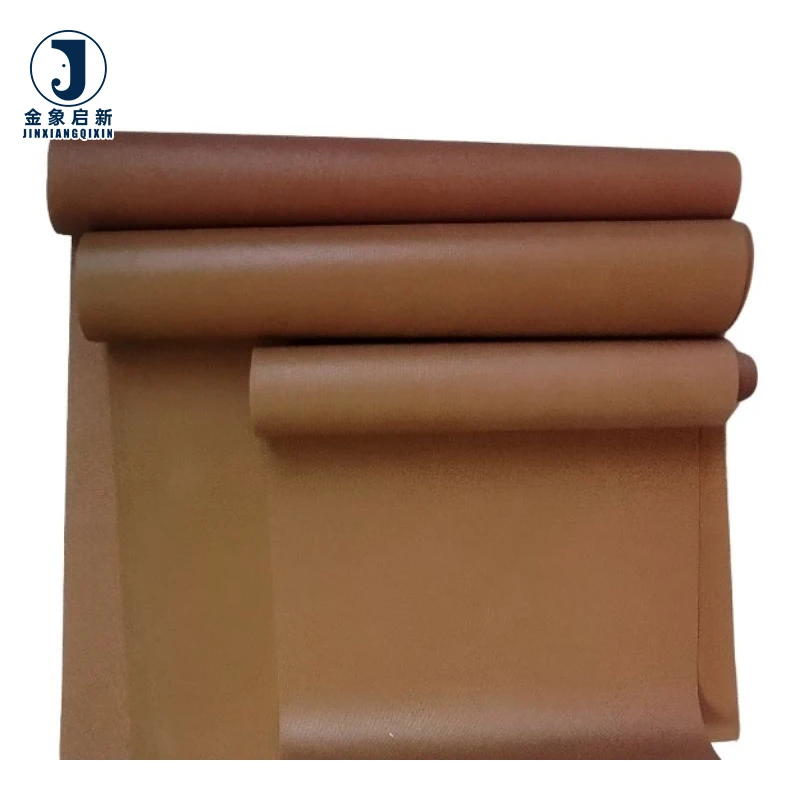

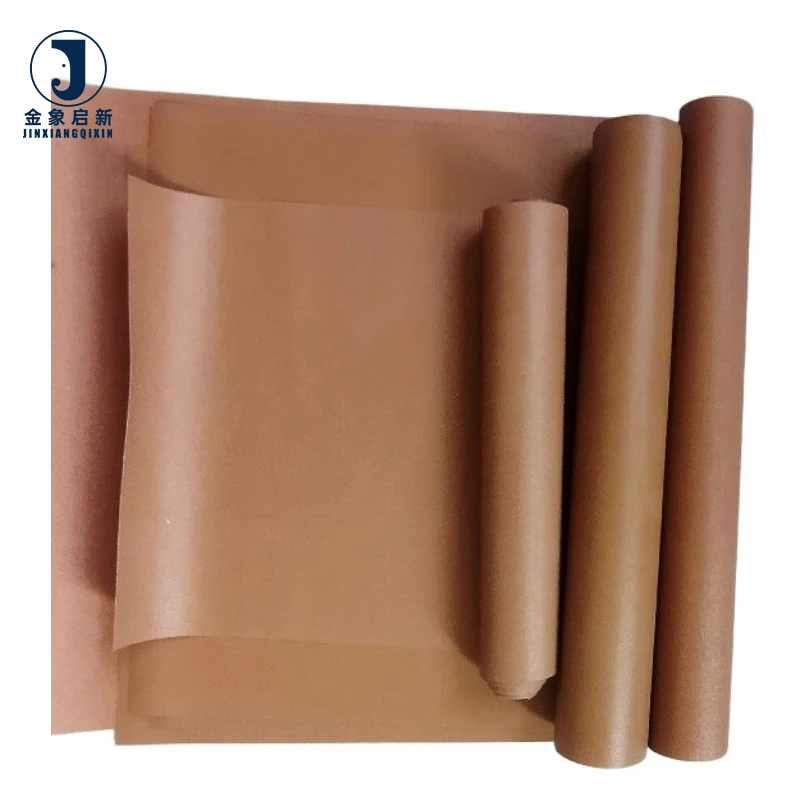
Technical Compliance First — We supply fire-retardant and anti-static PVC coated tarpaulin with test documentation matched to your site’s compliance specification, not generic material safety claims.
Technical Specifications
| Parameter | Value |
|---|---|
| Product Type | PVC Coated Tarpaulin |
| Base Fabric Denier | 1000D |
| Weight Options | 550GSM / 900GSM |
| Coating Material | PVC |
| Surface Property | Self-Clean |
| Flame Retardant | Available (confirm the grade required for your market) |
| Anti-Static | Available (test basis to be confirmed per order) |
| Anti-Mildew | Available |
| Anti-Cold | Available |
| Waterproof | Yes |
| Outdoor Life Expectancy | 3-5 years |
Application Suitability
| Application | Exposure & Requirement |
|---|---|
| Mining ventilation ducting | Continuous airflow, coal dust accumulation, strict fire-retardant and anti-static compliance mandates |
| Tunnelling exhaust systems | High humidity, mechanical abrasion from rock dust, mandatory fire safety certification for underground use |
| Aviation ground support structures | Fuel vapour proximity, static discharge risk, regulatory material certification required |
| Membrane and inflatable enclosures | Wind load stress, UV exposure, structural integrity across welded seams |
| Temporary flood barriers | Prolonged water contact, hydrostatic pressure, rapid deployment and retrieval cycles |
What Compliance Documentation Actually Means for Specialist Fabric Procurement
A certificate on file is not the same as a test report matched to your batch and specification.
Ventilation duct or specialist structure fabric supplied without the fire-retardant or anti-static certification the site requires remains a common procurement failure [NEED_CITE: mine safety material compliance standards for ventilation ducting]. Material arrives on time, but the documentation package does not satisfy the site safety officer or regulatory audit. The project stalls while the buyer chases paperwork or, worse, commissions independent testing at their own cost. This PVC coated tarpaulin fire retardant specification is supplied with documentation aligned to the grade you confirm at order stage.
Ventilation Ducting Demands More Than Base Fabric Strength
Industrial and mining ventilation duct operates under constant internal pressure and mechanical flex. The 1000D base fabric in this PVC coated tarpaulin fire retardant grade provides the tensile foundation for duct sections that must resist ballooning and collapse across long runs. Duct fabric also accumulates particulate — coal dust, silica, salt residue — making surface cleanability a maintenance cost factor over the installation life.
Anti-Static Treatment in Hazardous Atmospheres
Environments where combustible dust or flammable vapour is present require static dissipation from the duct or enclosure surface [NEED_CITE: IEC 60079 electrostatic control in explosive atmospheres]. Anti-static treatment is available on this material — confirm the surface resistance range your site specification demands so the correct grade is produced and tested before dispatch. Documentation accompanies the shipment to satisfy site induction and audit requirements.
Reading the Specification Beyond the GSM Number
The 550GSM and 900GSM weight options reflect different structural demands, not merely thickness. GSM combines base fabric density and coating weight — a 1000D base at 550GSM carries a lighter coating suitable for flexible duct sections, while 900GSM adds coating mass for applications requiring greater abrasion resistance and weld seam bulk [NEED_CITE: ISO 1421 tensile and tear test methods for coated fabrics]. The self-clean surface finish reduces particulate adhesion, which matters in ducting where internal dust buildup alters airflow characteristics. Flame retardant grades are available — specify the standard your project requires (M2, B1, NFPA 701, DIN 4102) so production is matched to that test protocol. Anti-mildew and anti-cold treatments address specific storage and deployment conditions; confirm whether your application demands either or both.
The Hidden Cost of Specifying Without Test Evidence
Accepting a supplier’s verbal assurance of flame retardancy without a batch-specific test report creates liability at the point of inspection. Mining and tunnelling sites routinely reject duct material that lacks documentation traceable to the delivered batch [NEED_CITE: underground ventilation material rejection procedures]. Anti-static fabric that measures outside the specified surface resistance range forces replacement after installation has already begun. Colour variation between rolls in the same order becomes visible when membrane panels are joined side by side, demanding rework that no procurement budget anticipated.
Why Procurement Teams Source This Material Here
Three full production lines with dedicated coating control ensure GSM consistency across an entire order — roll weight is verified, not assumed. The 10-person R&D team develops samples for custom specifications including treatment combinations and non-standard widths before you commit to production volume. QA inspection at every production stage means the pre-shipment record reflects actual material condition, not a sampling estimate. ISO and CE certified manufacturing underpins the documentation package that accompanies each consignment. Nearly 30 years of coated fabric production informs process decisions around coating adhesion, weld compatibility and treatment integration that generic suppliers cannot match.
Documentation & Verification
- Material specification sheet stating base fabric denier, coating weight, GSM and all applied treatments
- Fire-retardant test report issued per batch to the grade confirmed at order stage
- Anti-static surface resistance measurement documented before shipment
- 100% pre-shipment inspection record covering roll-by-roll weight and visual verification
- Certificate of origin and customs documentation prepared for export dispatch
Fabrication, Handling & Storage
- Hot-air welding temperature and speed must suit the 550GSM or 900GSM grade to achieve full peel strength at seams
- Store rolls vertically on end caps to prevent flat-spot compression marks on the PVC coating surface
- Deploy anti-cold treated rolls gradually in low temperatures — rapid unfolding stresses the coating at fold lines
- Self-clean surface tolerates mild detergent cleaning; avoid solvent-based agents that degrade the PVC top layer
- Calculate panel cutting layout against roll width to minimise offcut waste on large membrane structures
Before You Enquire — What We Need to Quote Accurately
Confirm the fire-retardant or anti-static standard your project specification calls for, including the issuing body and grade. State your required roll width, approximate linear metre quantity and whether you need the material in roll stock or finished fabricated panels. If the application involves a specific regulatory environment — aviation ground support, mining ventilation, public assembly structures — identify the governing standard so we match the treatment and documentation accordingly.
Frequently Asked Questions
Q: Which fire-retardant grade does my mining or tunnelling site require?
A: Requirements vary by jurisdiction and site operator. Common standards include DIN 4102 B1, NFPA 701 and local mining authority specifications. Confirm the exact standard referenced in your project documentation so we produce and test the PVC coated tarpaulin fire retardant grade to match, with a batch-specific report included in your shipment.
Q: How is anti-static performance measured and what value will I receive?
A: Anti-static performance is assessed by surface resistance measurement. The acceptable range depends on your site’s hazard classification. Specify the required surface resistance value at enquiry stage; we will confirm treatment capability, produce to that target and document the measured result before dispatch.
Q: How do I verify the GSM grade on arrival matches my order?
A: We conduct 100% pre-shipment inspection with roll-by-roll weight verification. Each shipment includes an inspection record documenting actual measured weight against the ordered 550GSM or 900GSM specification. You may cross-check with your own sampling on receipt using the same method referenced in ISO standards.
Q: What documentation accompanies each shipment for compliance audits?
A: Standard documentation includes a material specification sheet, batch-specific fire-retardant or anti-static test reports where applicable, the pre-shipment inspection record, certificate of origin and packing list. Additional site-specific documentation can be prepared if identified at the order confirmation stage.
Q: Can flame-retardant and anti-static treatments be combined on one batch?
A: Both treatments are available and can be applied to the same material. However, treatment compatibility and testing must be confirmed against the specific grades required. State both requirements at enquiry so the R&D team validates the combination and arranges appropriate testing before production.