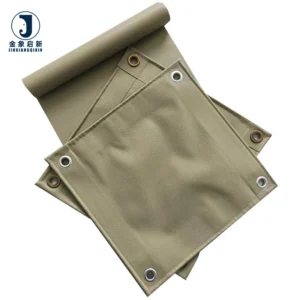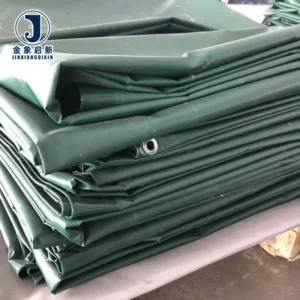

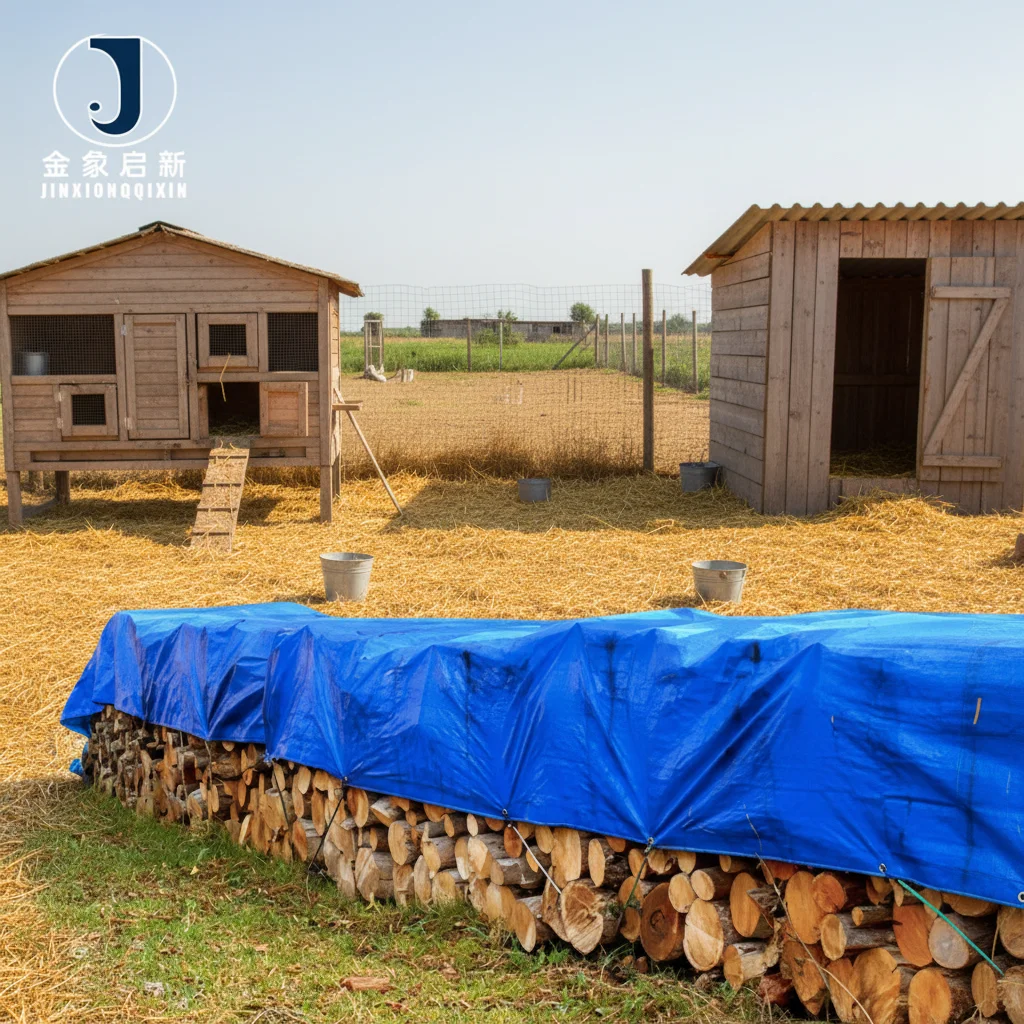
Precision Coating Control — Every roll of PVC coated fabric leaving our line carries a verified GSM and base fabric record, eliminating the gap between quotation and delivery that technical fabricators regularly face.
Technical Specifications
| Parameter | Value |
|---|---|
| Product Type | PVC Coated Fabric |
| Material | PVC Vinyl |
| Base Fabric Denier | 1000×1000 |
| Coating Method | Knife Coated |
| Weight (GSM) | At least 450 grams |
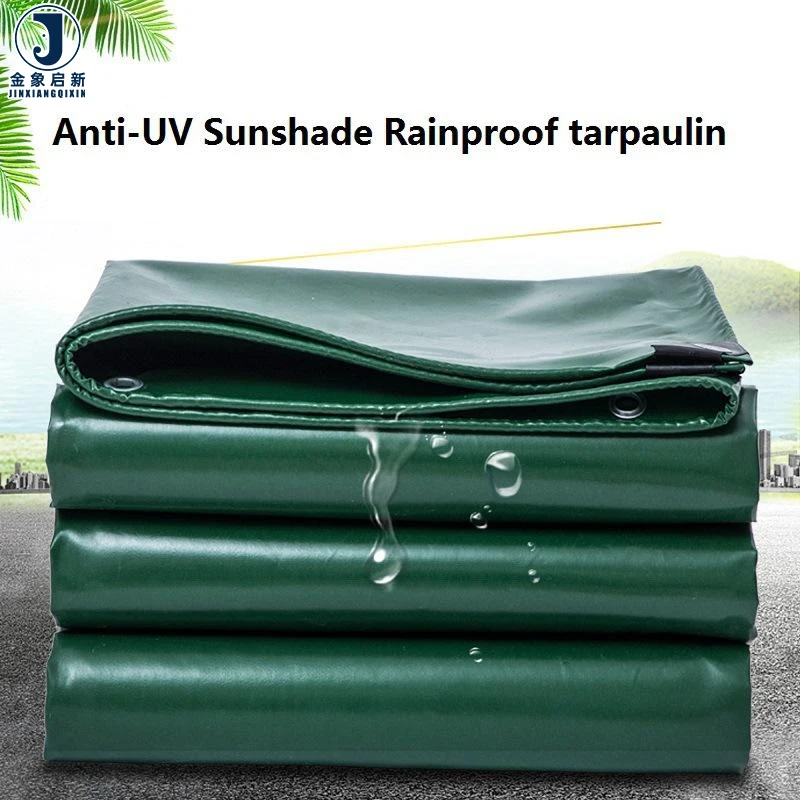
| Waterproof | Yes |
| Oilproof | Yes |
| UV Treatment | Anti-UV coated (test basis not stated in source — confirm grade required for your market) |
| Flame Retardant | Available in flame retardant grades — confirm the grade required for your project |
| Anti-Static | Available in anti-static grades — confirm certification required for site compliance |
| Tear-Resistant | Yes (grade not stated — verify against application load requirement) |
| Form | Roll |
| Custom Size | Available |
| Standards | ISO, CE |
Application Suitability
| Application | Exposure & Requirement |
|---|---|
| Mining & tunnelling ventilation ducts | Continuous airflow pressure, flex at joints, fire-retardant and anti-static compliance required |
| Membrane & inflatable structure panels | Sustained tension, UV exposure, welded seam integrity at stress points |
| Aviation & construction temporary enclosures | Weather exposure, rapid deployment and teardown, abrasion from repeated handling |
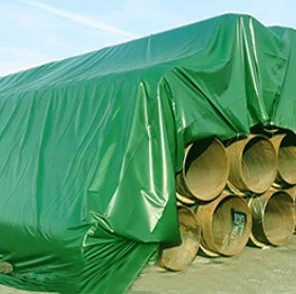
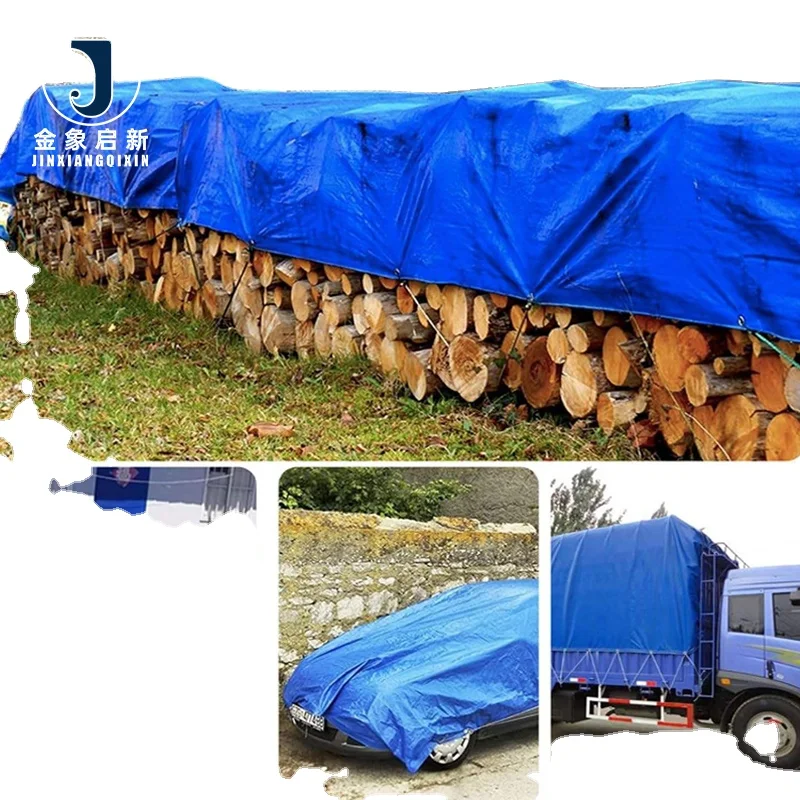
| Truck and transport covers | Road debris impact, constant flexing, UV and moisture exposure |
| Industrial equipment covers | Oil and chemical splash, mechanical abrasion, outdoor weathering |
What "Certified" Means When No Test Report Ships With the Roll
Fabric without a matching test report is just a claim on a data sheet.
Ventilation duct and membrane structure contractors regularly specify flame-retardant or anti-static PVC coated fabric for site compliance, only to receive rolls with no documentation linking the shipped material to a recognised standard. [NEED_CITE: fire-retardant and anti-static certification requirements for mining ventilation per regional safety regulations] The site inspector asks for the certificate, the supplier sends a generic PDF, and the installation stalls. When you source PVC coated fabric aftermarket supplier stock for technical fabrication, the paperwork must match the roll — not the product family it belongs to.
Knife Coating Process and Structural Adhesion
The knife coating method deposits PVC directly onto the 1000×1000 woven base fabric under controlled blade gap and tension. This produces a uniform coating layer that bonds chemically with the yarn surface rather than sitting on top as a separate film. For duct fabricators and membrane welders, that adhesion quality determines whether the coating delaminates at a welded seam under sustained air pressure or structural load.
Base Fabric Density and Tear Propagation Resistance
The 1000×1000 denier construction provides a dense weave that limits tear propagation once a puncture or cut initiates. In ventilation duct assemblies, the fabric flexes continuously at connection points and hanger attachments. [NEED_CITE: tensile and tear test methods for coated fabrics per ISO 1421] A *he weft under cyclic loading, whereas a tight 1000×1000 structure arrests the tear within one or two yarn courses.
Coating Weight, Knife Coating, and Weld Performance
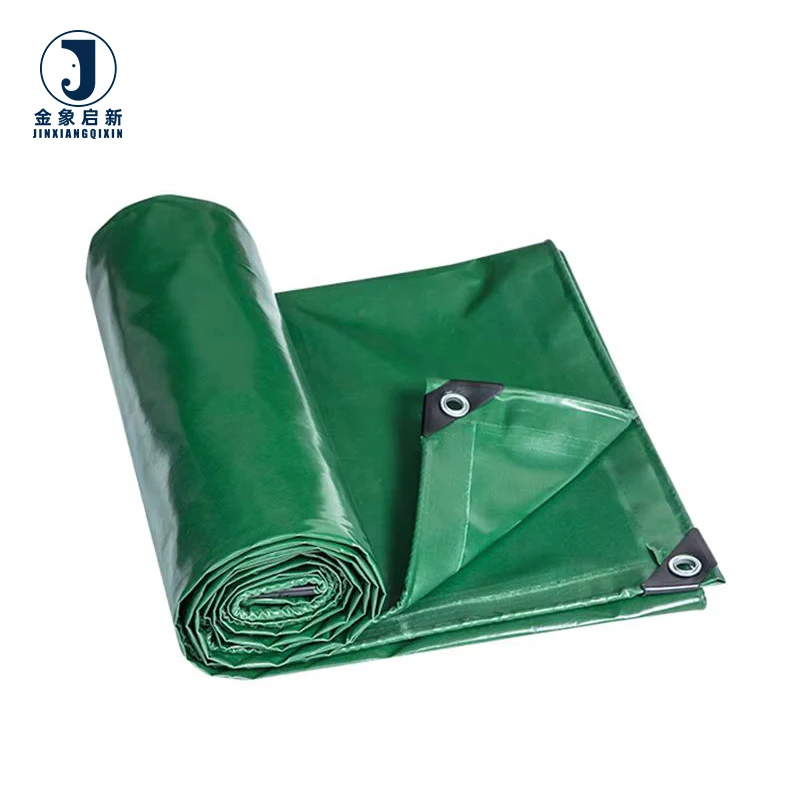
The stated weight of at least 450 grams reflects the combined mass of base fabric and PVC coating per square metre. Knife coating produces a smoother, more consistent surface compared to laminated alternatives, which directly affects high-frequency or hot-air welding behaviour. A uniform coating thickness means the weld parameters — temperature, speed, pressure — stay constant across the seam length, reducing the risk of under-welded spots that separate under duct pressure or structural tension. The PVC knife coated tarpaulin roll supplied here is engineered for that fabrication consistency.
The Cost of Specifying Coating Without Verification
When a procurement team orders anti-UV treated PVC coated fabric and the UV test basis is not documented, the material may degrade under prolonged sun exposure far earlier than the structure design requires. [NEED_CITE: accelerated weathering test standards for PVC coated fabrics used in exterior membrane structures] Similarly, a ventilation duct installed underground without the fire-retardant grade matching the site safety specification forces a full removal and replacement — labour, downtime, and compliance penalties that far exceed the material cost difference. Colour variation between rolls in the same order becomes visible once membrane panels are installed side by side, requiring selective re-sorting or partial replacement.
Why Technical Fabricators Source This PVC Coated Fabric Here
Nearly three decades of coated fabric production means the coating weight and adhesion variables are controlled at the formulation stage, not adjusted reactively on the line. Three full production lines with 36 sets of professional equipment handle the volume required for ventilation duct contracts and membrane structure projects without splitting orders across subcontractors. The 10-person R&D team develops samples within days when a project calls for a specific fire-retardant grade, anti-static treatment, or custom roll width. Every roll undergoes dedicated QA inspection before dispatch — weight, width, and coating integrity checked individually, not sampled from the batch. Documentation ships with the order: material specification sheets, test reports where applicable, and pre-shipment inspection records that site auditors accept.
Documentation & Verification
- Material specification sheet stating GSM, 1000×1000 base fabric denier, and knife coating method per roll
- Test reports for flame-retardant or anti-static grades matched to the specific batch shipped
- ISO and CE certificates available for compliance submission with each order
- Pre-shipment inspection record with roll-by-roll weight and width verification
- Certificate of origin and customs documentation for international technical fabric shipments
Fabrication, Handling & Storage
- Hot-air weld temperature and speed must be calibrated to the knife-coated PVC surface for consistent seam adhesion
- High-frequency welding suits the 1000×1000 base fabric density for duct and membrane panel joints
- Store rolls upright on pallets to prevent coating crease marks that show through on installed panels
- Allow cold-stored rolls to reach ambient temperature before unrolling to avoid coating micro-cracking
- Use PVC-compatible cleaners only — solvent-based products can soften the knife-coated surface
What We Need to Quote Your Project Accurately
Provide the end-use application and the environmental exposure conditions the installed fabric will face, including any fire-retardant or anti-static compliance requirements from the site authority. Specify whether you need full rolls for your own fabrication line or pre-cut panels to a defined dimension. Confirm the target annual volume so we can plan coating batch continuity and colour consistency across your production schedule.
Frequently Asked Questions
Q: What fire-retardant and anti-static certifications are available for mining and tunnelling duct use?
A: We supply PVC coated fabric in flame-retardant and anti-static grades with test reports matched to the batch. The specific grade must align with your site safety specification — confirm the standard your project requires, such as regional mining ventilation regulations, and we will match the material and documentation accordingly.
Q: How is GSM verified on arrival against the quoted specification?
A: Each roll ships with a pre-shipment inspection record documenting individual roll weight. On receipt, you can cut a measured sample and weigh it to confirm the GSM matches the stated at least 450 grams. Any discrepancy is addressed against the inspection record we provide before dispatch.
Q: Knife-coated versus laminated PVC — which is better for duct and membrane fabrication?
A: Knife coating produces a direct chemical bond between the PVC layer and the 1000×1000 base fabric, yielding higher peel strength at welded seams. Laminated fabrics can delaminate under cyclic flex loading typical in ventilation duct assemblies. For membrane structures requiring long, continuous welds, knife-coated material delivers more consistent seam performance.
Q: Can I order custom roll widths for specialist structure panel fabrication?
A: Custom widths and lengths are available. The 10-person R&D team develops samples within days to confirm the specification before production runs. This avoids material waste from trimming standard widths and reduces the number of welded seams in large membrane panels.