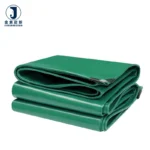
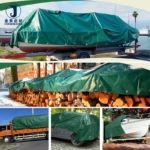
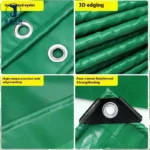
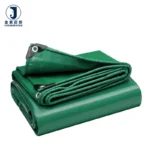
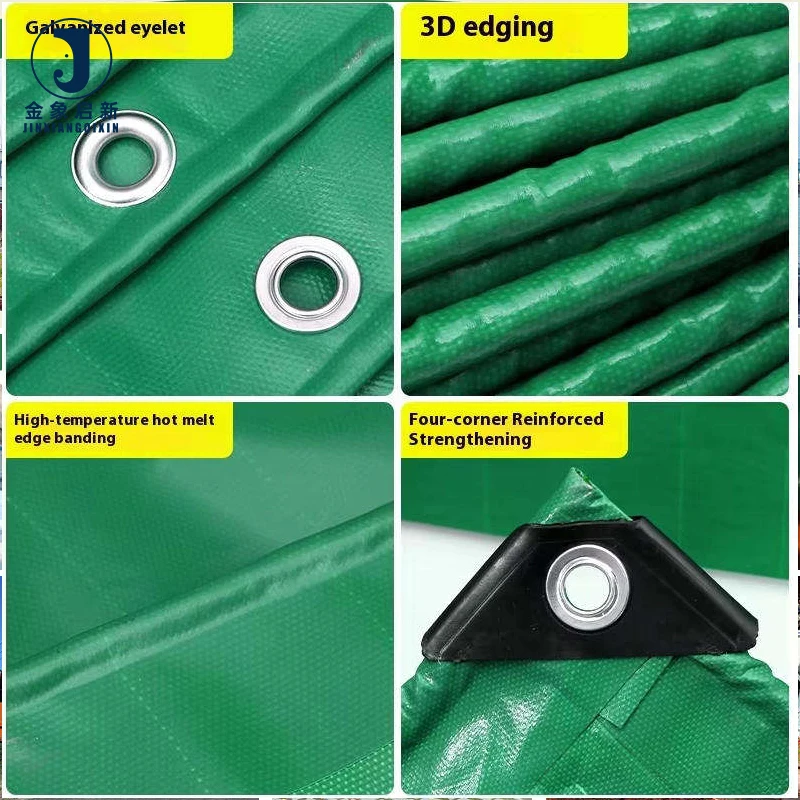
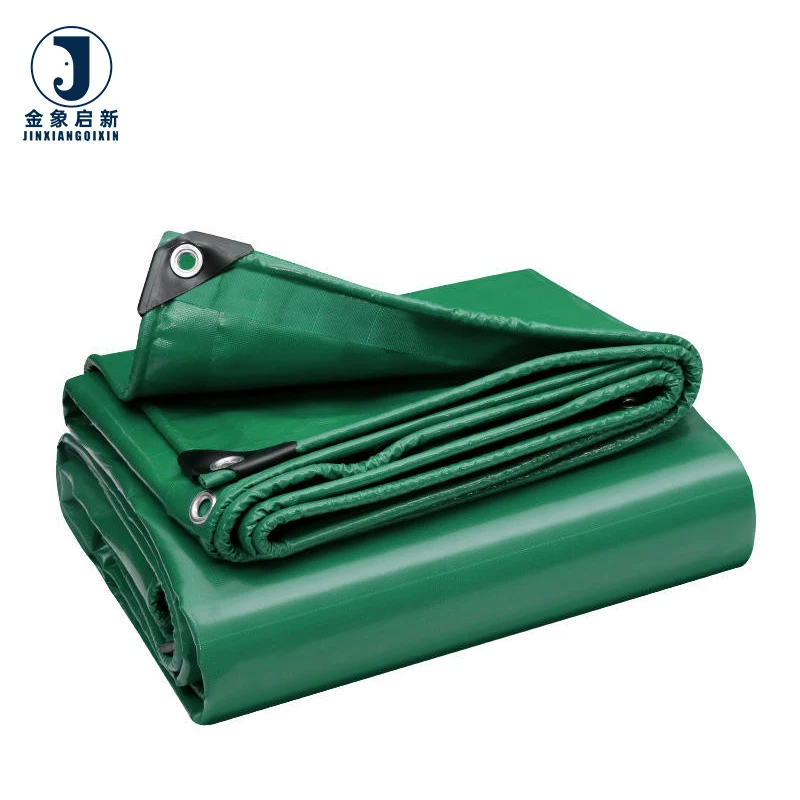
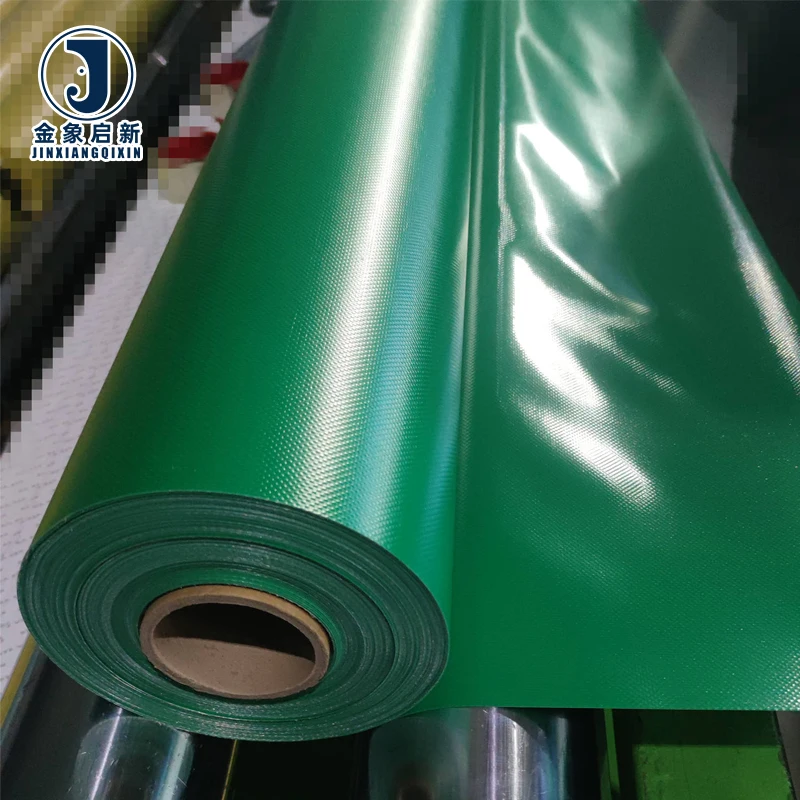
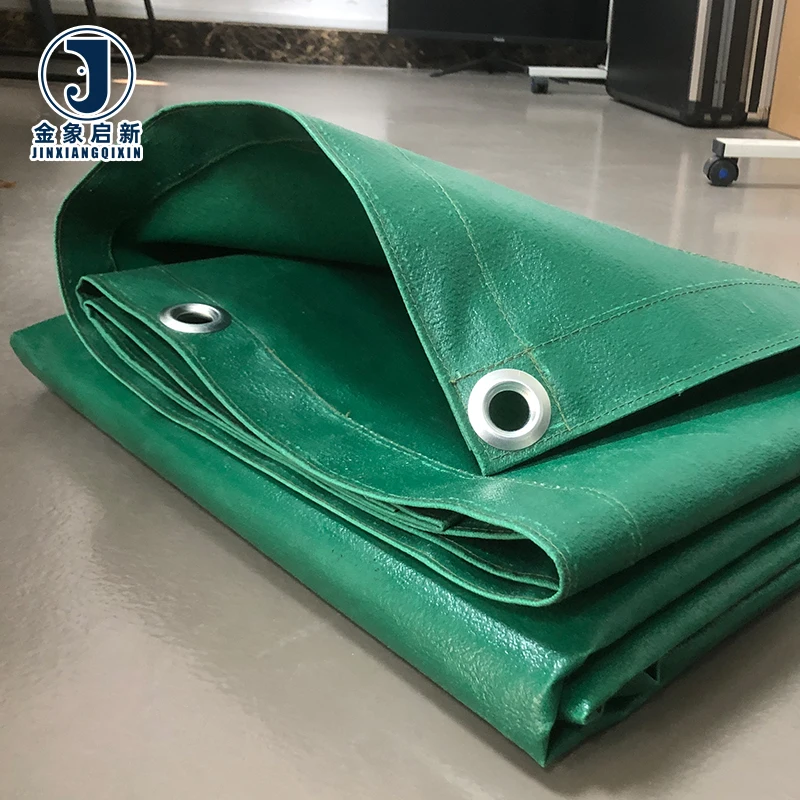
Verified Coating Weight — Every roll of this 450gsm PVC coated tarpaulin undergoes stage-by-stage process control and pre-shipment weight verification, ensuring the fabric you receive matches the specification on your order for duct and membrane fabrication.
Technical Specifications
| Parameter | Value |
|---|---|
| Product Type | PVC Coated Tarpaulin |
| Weight (GSM) | 450gsm |
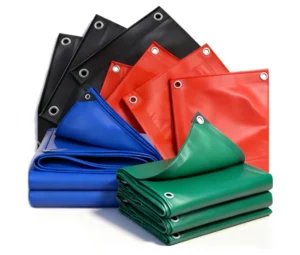
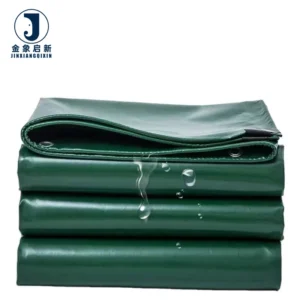
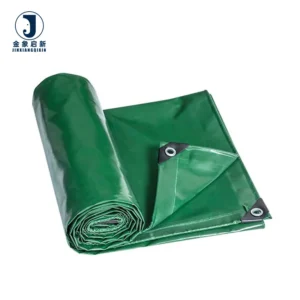
| Color | Green (Multiple Colors Available) |
| Surface Finish | Double-Faced |
| Water Resistance | Yes |
| Anti-UV Treatment | Yes (test basis not stated in source) |
| Flame Retardant | Yes (grade not stated in source) |
| Mildew Resistance | Yes |
| Coating Material | PVC |
Application Suitability
| Application | Exposure & Requirement |
|---|---|
| Mine and tunnelling ventilation ducts | Continuous airflow, underground moisture, fire-retardant compliance required on site |
| Inflatable and membrane structure fabric | Wind load stress, UV exposure, structural tension, double-faced weathering |
| Aviation ground support ducting | Fuel-rich environment proximity, anti-static compliance, flexible duct routing |
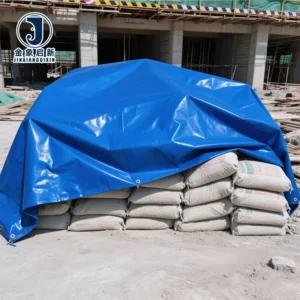
| Temporary industrial enclosures | Outdoor weather, rain, sunlight, mildew-prone environments, repeated assembly |
Why Fire-Retardant Without a Grade Is Not Fire-Retardant at All
Confirm the exact fire classification your project specification demands before committing to a fabric order.
When a ventilation duct or membrane structure arrives on site without a test report tied to a recognised standard, the contractor faces a compliance deadlock. The site inspector rejects the material, the duct stays on the ground, and the project clock keeps running. PVC coated tarpaulin 450gsm fire retardant anti-static certified fabric must carry documentation that matches the regulatory framework of the jurisdiction — whether that is M2 for French public venues, B1 per DIN 4102 for German construction, or NFPA 701 for North American temporary structures [NEED_CITE: DIN 4102 fire classification for building materials]. Claiming flame retardancy without a grade gives the buyer no contractual leverage and no defence during a site audit.
Compliance Documentation for Underground and Enclosed-Space Use
Mining and tunnelling contractors specify ventilation duct fabric with fire-retardant and anti-static properties because underground atmospheres demand both. The PVC coated tarpaulin 450gsm fire retardant anti-static certified grade must align with the site safety plan, which typically references a national or international test standard. Without that alignment, duct sections fabricated from this material cannot be installed, regardless of how well the seams are welded or how uniform the coating weight is across the roll. Request the test report before production begins, and verify that the certification body listed on the document is accredited for the standard your project requires.
Anti-Static Surface Resistance for Explosive Atmospheres
In environments where airborne particulates or volatile compounds are present, static discharge on the inner surface of a ventilation duct becomes an ignition hazard. Anti-static treatment modifies the surface resistivity of the PVC coating, allowing charge dissipation before it reaches critical levels. The surface resistance value — typically expressed in ohms per square — must fall within the range specified by the mining or aviation safety standard applicable to the installation [NEED_CITE: anti-static surface resistance standards for mining ventilation ducts]. Confirm this value during the sampling stage, not after the rolls ship, because reformulation for anti-static compliance alters the coating chemistry and lead time.
How 450gsm Weight and Double-Faced Coating Interact with Duct Fabrication
A 450gsm weight places this PVC coated tarpaulin in a range where the fabric retains enough flexibility for tight-radius duct bends while maintaining the tensile load required for suspended ventilation runs. Double-faced PVC coating ensures that both the interior and exterior surfaces resist moisture ingress and chemical exposure equally — critical for ducts that carry humid mine air or dehumidified aviation workshop supply. The coating weight on each face contributes to the total GSM figure, so specifying by GSM alone does not isolate the base fabric denier or weave density. Tensile and tear performance depend on all three variables together, which is why a material specification sheet listing base fabric construction alongside coating weight is essential for engineering sign-off [NEED_CITE: tensile and tear test methods for coated fabrics per ISO 1421].
The Cost of Specifying on Weight Alone for Technical Fabric
When a project specification calls only for a GSM figure without referencing base fabric denier, weave density, or coating adhesion strength, the resulting material can pass a weight check yet underperform under the cyclic loading of a ventilation duct. Weld seams fail before the fabric body does, and the failure point is typically where the duct flexes at a bend or suspension clamp. Colour inconsistency across rolls in the same shipment becomes visible once panels are heat-welded side by side on a membrane structure. These defects do not appear on a cutting table — they emerge after installation, when remediation means dismantling the duct or replacing entire membrane panels [NEED_CITE: coated fabric weld seam failure modes in suspended duct installations].
Why Technical Buyers Source This Fabric Here
Three full production lines with dedicated coating-weight monitoring ensure that every roll of 450gsm PVC coated tarpaulin leaves the facility at the specified weight, verified against the pre-shipment inspection record. The ten-person R&D team develops flame-retardant and anti-static formulations against named test standards, providing test reports rather than generic claims. A dedicated QA/QC gate inspects coating adhesion, colour consistency, and surface finish before any roll is packed, which matters when duct panels must weld uniformly across a production batch. Custom widths and colours are developed as samples before bulk commitment, allowing the buyer to confirm heat-weld parameters and seam strength on actual production material. Documentation packages ship with every consignment: material specification sheet, test reports for applicable grades, certificate of origin, and roll packing list — structured for customs clearance and site compliance audits.
Documentation & Verification
- Material specification sheet stating 450gsm weight, base fabric denier, and PVC coating method per roll
- Fire-retardant test report matched to the production batch and the requested classification standard
- Anti-static surface resistance value documented with the applicable test method reference
- Pre-shipment inspection record confirming coating weight, colour, and surface finish before dispatch
- Certificate of origin and roll packing list included for customs and site receiving verification
Fabrication, Handling & Storage
- Heat-weld parameters must be set to the 450gsm double-faced coating thickness; test seam strength on sample before production runs
- Store rolls vertically on pallets in a shaded, ventilated area to prevent compression creases across the PVC coating surface
- Unroll and allow the fabric to relax at ambient temperature before cutting to avoid dimensional distortion in cold-weather conditions
- Use PVC-compatible solvent cleaners only; harsh alkaline agents can degrade the double-faced coating finish over repeated exposure
- Plan panel layout to minimise weld seams in high-flex zones of the duct or membrane structure
Request a Specification-Matched Sample
Provide your project’s fire classification standard, the anti-static surface resistance requirement if applicable, the duct or membrane dimensions, and the total fabric area per installation. Specify whether you need rolls in stock width or custom-cut panels with welded seams, and confirm the colour reference for batch consistency. A sample cut from production stock allows you to verify weld parameters, seam strength, and documentation format before committing to the full order quantity.
Frequently Asked Questions
Q: What fire-retardant grade and test standard does this fabric carry for mining or tunnelling use?
A: This 450gsm PVC coated tarpaulin is available in flame-retardant grades aligned with standards such as M2, B1 per DIN 4102, or NFPA 701. The specific grade must be confirmed at inquiry stage so the correct formulation is produced and the matching test report is included in your documentation package.
Q: Is anti-static treatment available, and what surface resistance value is certified?
A: Anti-static treatment can be applied to the PVC coating surface to meet mining and explosive-atmosphere requirements. The surface resistance value and test method are documented on request — specify the standard your site safety plan references so the formulation and certification align with your compliance framework.
Q: How is the 450gsm weight verified before shipment?
A: Each roll is weighed and checked against the material specification sheet during the pre-shipment inspection. The inspection record, included in the documentation package, confirms that the coating weight and base fabric together meet the stated 450gsm figure before dispatch.
Q: What documentation is provided for customs and site compliance?
A: Every consignment ships with a material specification sheet, fire-retardant and anti-static test reports matched to the batch, certificate of origin, roll packing list, and pre-shipment inspection record — structured for both customs clearance and on-site compliance verification.
Q: Can this fabric be heat-welded for duct and membrane construction, and what seam strength can be expected?
A: The double-faced PVC coating supports hot-air and wedge heat welding. We recommend testing weld parameters on a production sample before full fabrication to confirm seam strength meets your engineering specification, particularly at flex points where the duct or membrane undergoes cyclic loading.