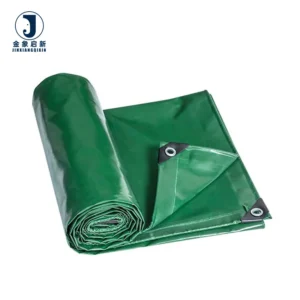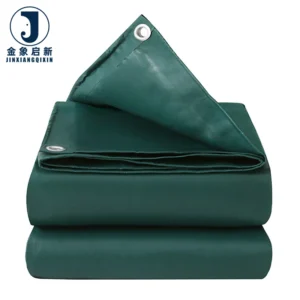
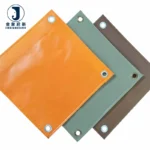

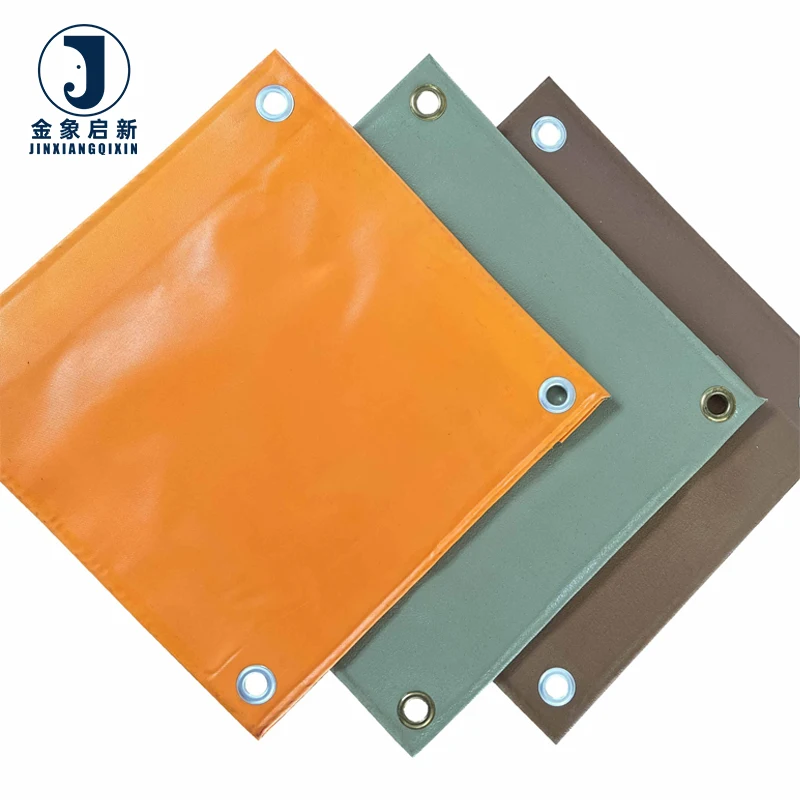
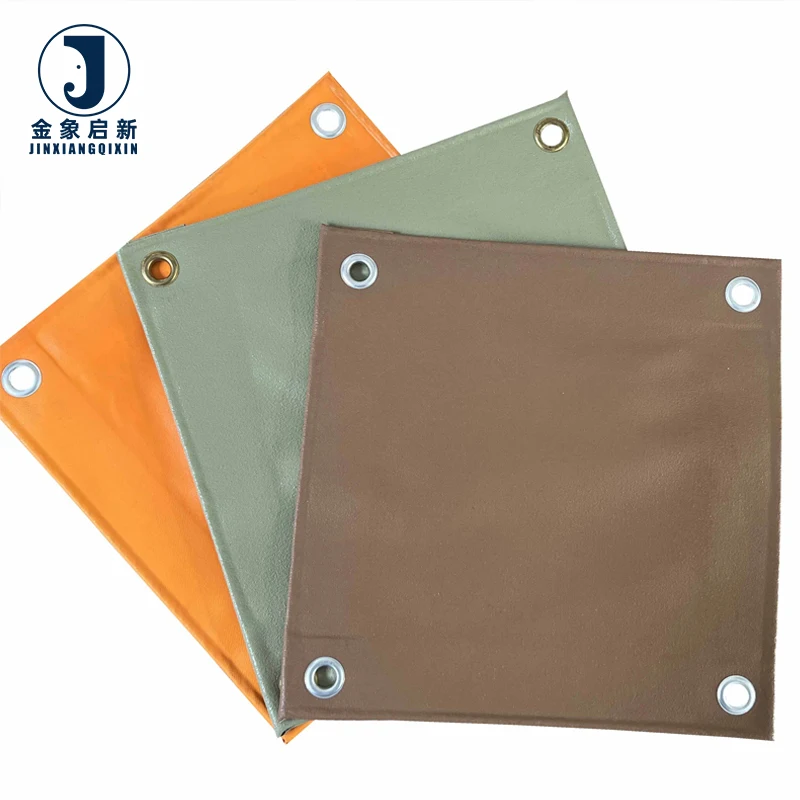
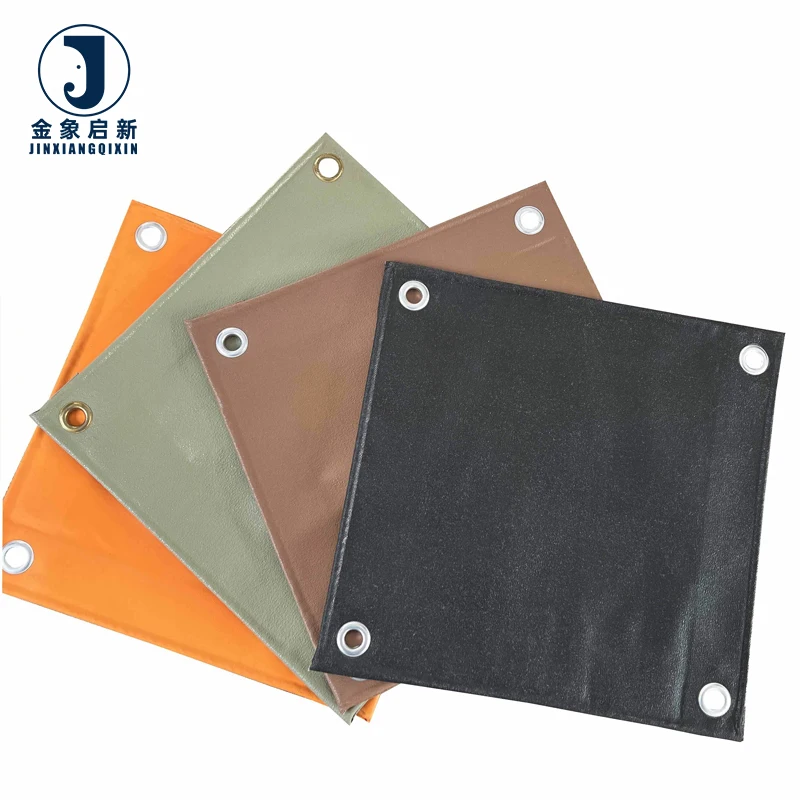
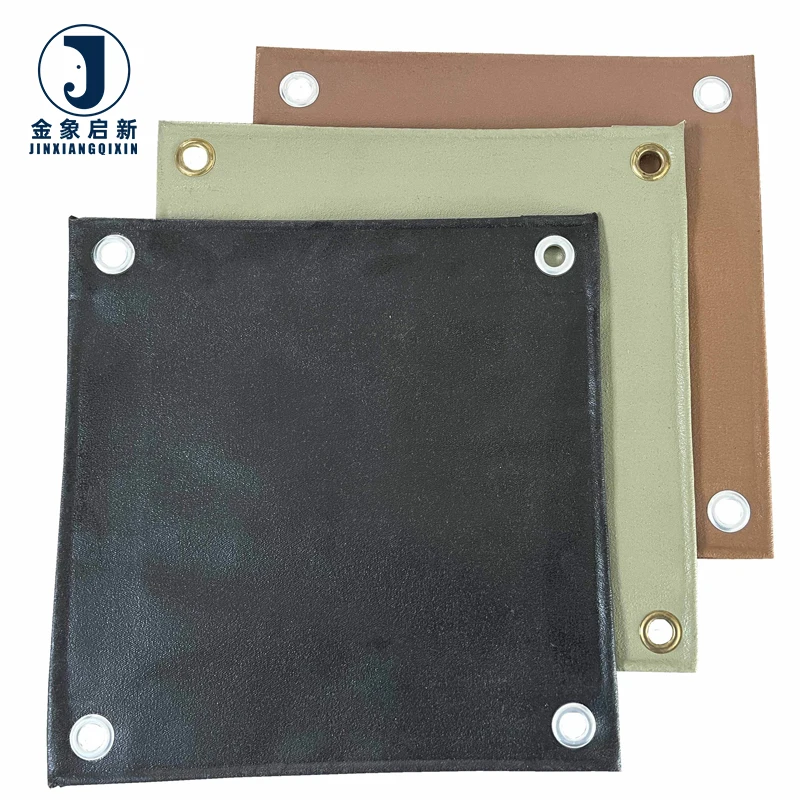
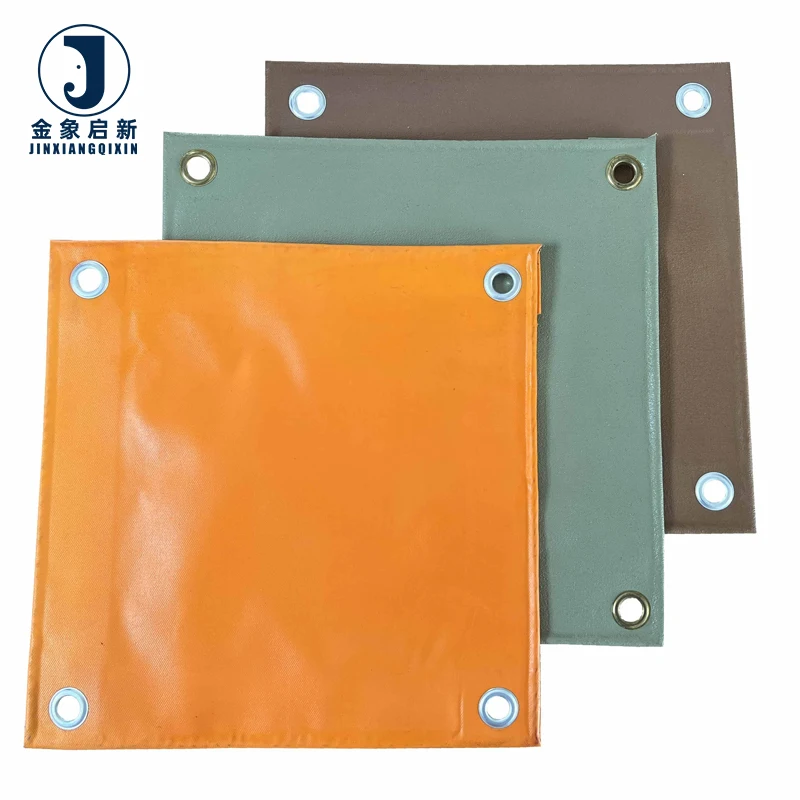
Deep Process Control Over Coating — Nearly 30 years of focus on coated fabric allows us to match flame retardant and anti-static formulations to your site’s regulatory framework, not just generic claims.
Technical Specifications
| Parameter | Value |
|---|---|
| Product Type | Flame Retardant Tarpaulin |
| Coating Material | PVC |
| Flame Retardant Grade | Available in M2, B1, NFPA 701, DIN 4102 — specify at inquiry |
| Anti-Static Treatment | Available for ignition-risk environments |
| Anti-Cold Treatment | Available for low-temperature flexibility |
| Anti-Mildew Treatment | Available for humid installations |
| Waterproof Construction | Yes |
| Tear Strength | High strength formulation for installation damage prevention |
| Weather Resistance | 1–3 years outdoor service expectation |
| Standards | ISO, CE certified production |
Application Suitability
| Application | Exposure & Requirement |
|---|---|
| Underground mining and tunnelling covers | Fire-retardant certification required for compliance audits, constant moisture, mechanical abrasion |
| Aviation maintenance ground equipment covers | Anti-static protection to prevent electrostatic discharge near fuel and sensitive avionics |
| Construction site temporary enclosures | Flame retardant documentation for building inspector sign-off, UV and weather exposure |
| Membrane and inflatable structure fabric | Tensile integrity under air pressure, weld seam reliability at stress points |
| Industrial stockpile and equipment covers | Long-term weather exposure, mildew resistance in humid climates |
What "Flame Retardant" Means Without a Documented Grade Behind It
A flame retardant claim without a test standard attached is a compliance liability, not a safety feature.
When industrial sites face fire safety audits, inspectors ask for the specific grade — M2, B1, NFPA 701, DIN 4102 — not a generic statement on the quotation. We have seen contractors receive Flame Retardant PVC Tarpaulin cover certified to no recognisable standard, only to have the material rejected at site inspection because the documentation did not reference the jurisdiction’s required classification. The rework cost and project delay far exceed the price difference of specifying correctly upfront. [NEED_CITE: DIN 4102 fire classification for building materials]
Matching Treatment Formulation to Site Compliance Requirements
The formulation for a mining ventilation duct differs fundamentally from a construction enclosure. Underground operations typically require anti-static treatment alongside flame retardancy to address ignition risk from electrostatic buildup, while above-ground temporary structures may prioritise UV stability combined with a specific fire class. Flame Retardant PVC Tarpaulin cover certified to the correct standard means the treatment chemistry is matched at the coating stage — not sprayed on as an afterthought — so the performance remains consistent across the full roll length.
Combining Multiple Specialist Treatments on One Fabric
Certain environments demand more than one protective treatment simultaneously. Aviation maintenance hangars, for instance, may require both anti-static and flame retardant properties on the same ground equipment cover. The interaction between treatment chemistries can affect coating adhesion and fabric flexibility if not properly formulated. This is where the R&D team evaluates compatibility before production begins, developing samples that verify both treatments perform together as required. [NEED_CITE: anti-static surface resistance testing standards for industrial fabrics]
How Coating Weight and Base Fabric Determine Real-World Performance
The tear strength of PVC coated fabric is not a function of coating thickness alone. The base fabric’s denier and weave density create the structural skeleton that resists tear propagation, while the PVC coating protects that skeleton from moisture, chemical exposure and abrasion. A heavier coating on a loosely woven base will not outperform a properly engineered combination of tight weave and balanced coating weight. Anti-cold treatments modify the PVC compound’s plasticiser system to maintain flexibility below freezing, preventing the brittle cracking that untreated material exhibits in sub-zero installations. Anti-mildew additives are incorporated into the coating compound to inhibit fungal growth in humid environments where moisture contact is constant. The weather resistance expectation of 1–3 years outdoors depends on the specific formulation chosen and the severity of UV exposure at the installation site.
The Hidden Cost of Specifying Without Documentation
When a buyer accepts a flame retardant claim without requesting the underlying test report, the risk transfers entirely to the installation phase. Site inspectors reviewing compliance paperwork will reject material that cannot demonstrate the required grade, regardless of how the fabric actually performs in a burn test. We have documented cases where entire ventilation duct runs in tunnelling projects had to be removed and replaced because the supplier’s documentation referenced "fire retardant" without citing DIN 4102 or the equivalent local standard. The material cost was secondary to the weeks of project delay and the contractual penalties that followed. [NEED_CITE: compliance documentation requirements for underground ventilation systems]
Why Procurement Teams Return for Repeat Orders
The 10-person R&D team handles treatment selection, sample development and specification matching — not a generic sales response. Three full production lines and 36 sets of professional equipment provide capacity to deliver bulk rolls on schedule without rushing the coating cure cycle. Every production run undergoes dedicated QA/QC at each stage, with 100% inspection before dispatch to catch GSM deviation or treatment inconsistency before it reaches your site. Samples are developed within days for custom treatment combinations so you can verify performance before committing to bulk. The material specification sheet accompanying each shipment documents coating weight, treatment type and the applicable test standard — the paperwork your compliance auditor needs.
Documentation & Verification
- Material specification sheet stating PVC coating weight, treatment type and applicable test standard per roll
- Test report for specified flame retardant grade (M2, B1, NFPA 701 or DIN 4102) confirming classification
- Anti-static surface resistance measurement record where anti-static treatment is specified
- Pre-shipment inspection record documenting GSM verification and visual quality check per batch
- ISO and CE certificates covering the production facility and quality management system
- Certificate of origin and customs documentation for international shipment clearance
Fabrication, Handling & Storage
- Heat weld temperature and dwell time must match the PVC coating formulation — request weld parameters with sample approval
- Anti-cold treated rolls should be stored above freezing and allowed to acclimatise before unrolling to prevent stress cracking
- Anti-mildew treated fabric should be installed with airflow clearance to allow the treatment to function as designed
- Roll stock should be stored horizontally on racking to prevent permanent creasing in the PVC coating layer
- Cut edges on flame retardant fabric should be sealed by heat welding to maintain treatment continuity at the perimeter
- Surface cleaning should use mild detergent only — solvent-based cleaners may degrade anti-static or flame retardant treatment
What to Include in Your Inquiry
Provide the specific flame retardant or anti-static standard your jurisdiction or site requires, along with the application environment and exposure conditions. Specify whether you need roll stock in standard widths or custom-cut panels, and indicate your annual volume so we can align production scheduling. If multiple treatments must be combined on one fabric, describe each requirement clearly so the formulation can be validated before sampling.
Frequently Asked Questions
Q: Which flame retardant grade does my site require, and how do I specify it?
A: The required grade depends on your jurisdiction’s fire safety regulations and the specific application — underground mining, aviation, or construction each have different classification systems. Common standards include M2, B1, NFPA 701 and DIN 4102. Specify the exact grade at inquiry stage so the formulation is matched during coating production, and a corresponding test report accompanies shipment for your compliance documentation.
Q: How is anti-static performance verified and what measurement applies?
A: Anti-static performance is verified through surface resistance testing after the treatment is applied during the coating process. The acceptable resistance range depends on your environment’s ignition risk profile — aviation fuel handling areas require lower resistance than general industrial storage. Request the surface resistance measurement record with your shipment documentation to confirm the treatment meets your site’s safety requirements.
Q: Can flame retardant and anti-static treatments be combined on one fabric?
A: Yes, multiple treatments can be combined, but the interaction between different chemical systems must be evaluated for compatibility. The R&D team develops samples with both treatments applied together to verify that neither performance is compromised. Always specify all required treatments at inquiry stage rather than requesting additions after the coating formulation has been set.
Q: What documentation accompanies shipment for on-site compliance audits?
A: Each shipment includes a material specification sheet stating coating weight and treatment type, test reports for the specified flame retardant or anti-static grade, pre-shipment inspection records, ISO and CE certificates, and a certificate of origin. These documents collectively satisfy most site compliance audit requirements — confirm with your inspector in advance if additional documentation is needed.
Q: How does anti-cold treatment affect flexibility in sub-zero environments?
A: Anti-cold treatment modifies the plasticiser system within the PVC coating compound to prevent the material from becoming brittle at low temperatures. Untreated PVC stiffens and may crack when folded or flexed in freezing conditions. The treatment maintains installation flexibility and in-service performance in cold climates — specify your minimum operating temperature at inquiry to match the correct formulation.