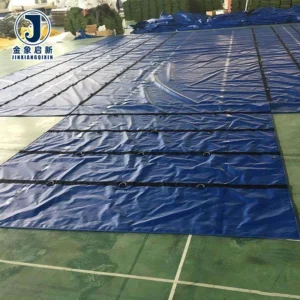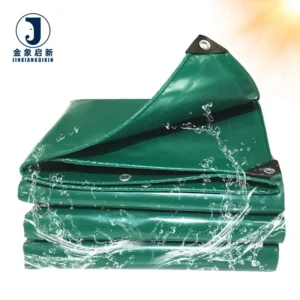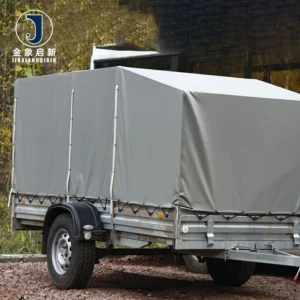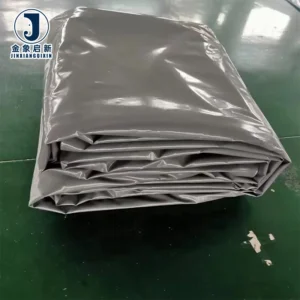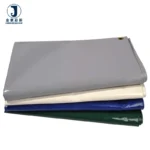
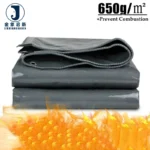
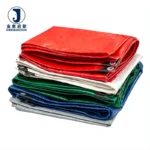
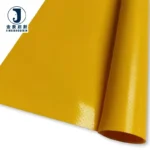
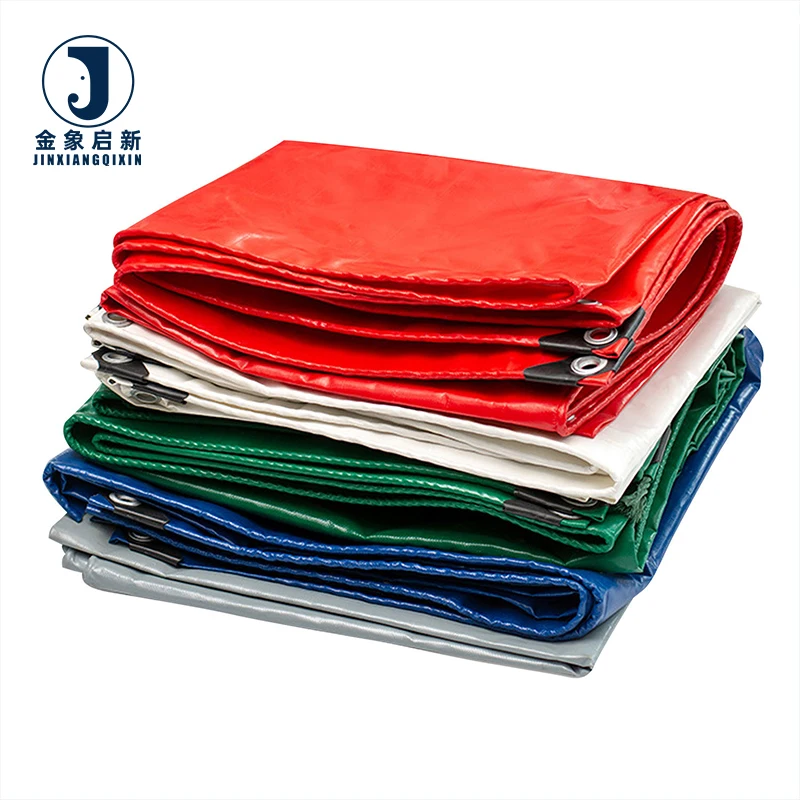
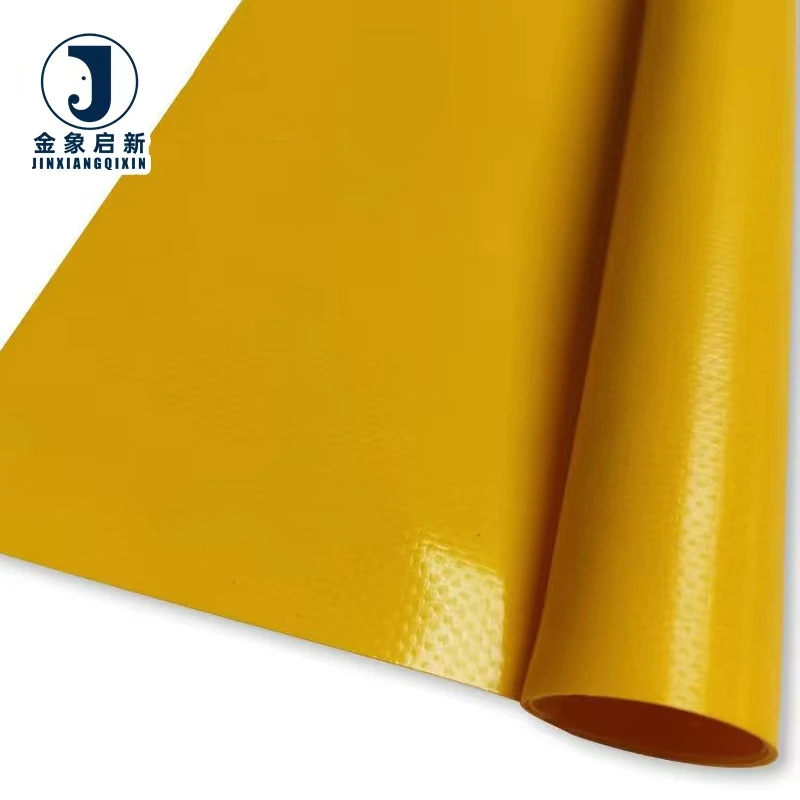
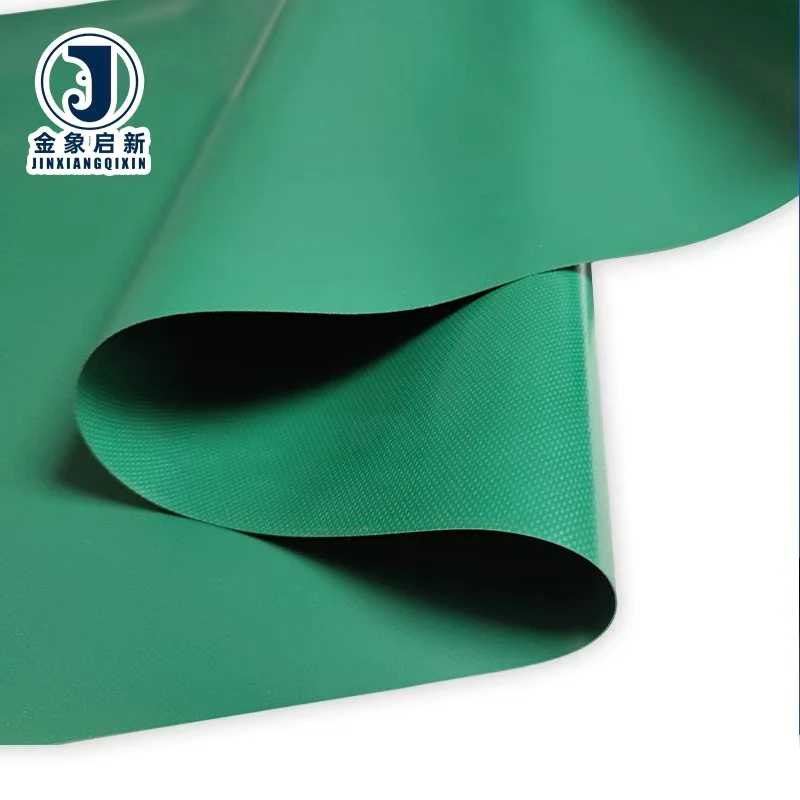
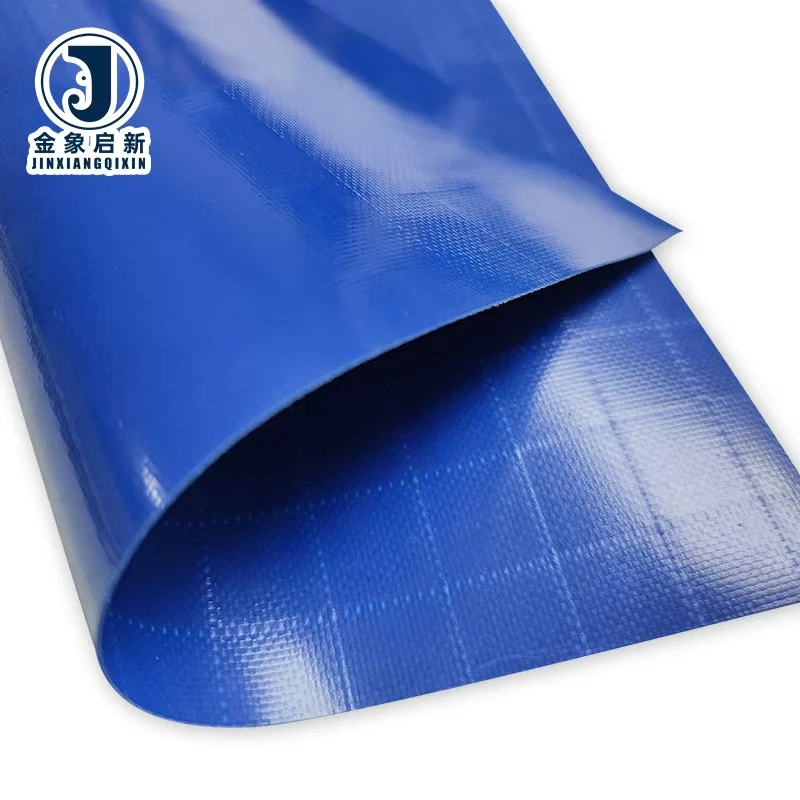
Deep Process Control Over Coating — Nearly 30 years focused on PVC and polyester fabric, with strict adhesion and weight consistency verified at every production stage for ventilation and membrane applications.
Technical Specifications
| Parameter | Value |
|---|---|
| Product Type | PVC Coated Tarpaulin |
| Base Material | Polyester base fabric with PVC coating |
| Base Fabric Denier Options | 500D×840D / 500D×1000D / 1000D×1000D / 1000D×1300D / 1300D×1300D / 1000D×2000D |
| Density (Mesh Count) | 30×19 / 20×20 / 30×15 |
| Thickness Options | 0.29mm / 0.32mm / 0.38mm / 0.44mm / 0.46mm / 0.55mm / 0.65mm |
| Tensile Strength (Warp) | 1650N – 3900N (test basis not stated in source) |
| Tensile Strength (Weft) | 1600N – 3500N (test basis not stated in source) |
| Brittle Temperature | ≤ -50 to -60 °C |
| Softening Temperature | ≥ 80 °C |
| Melting Point | 212 °C |
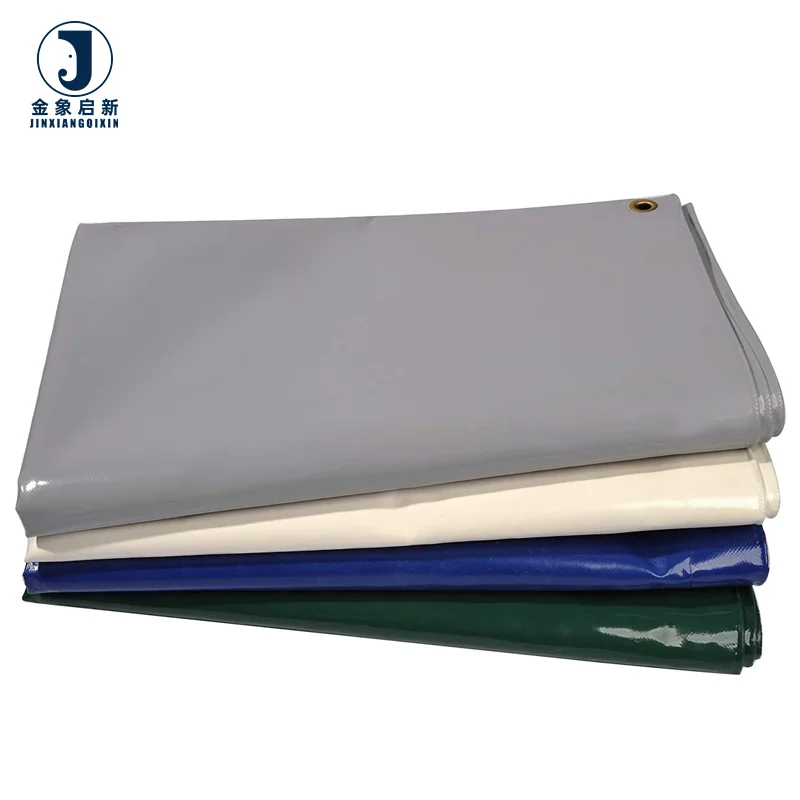
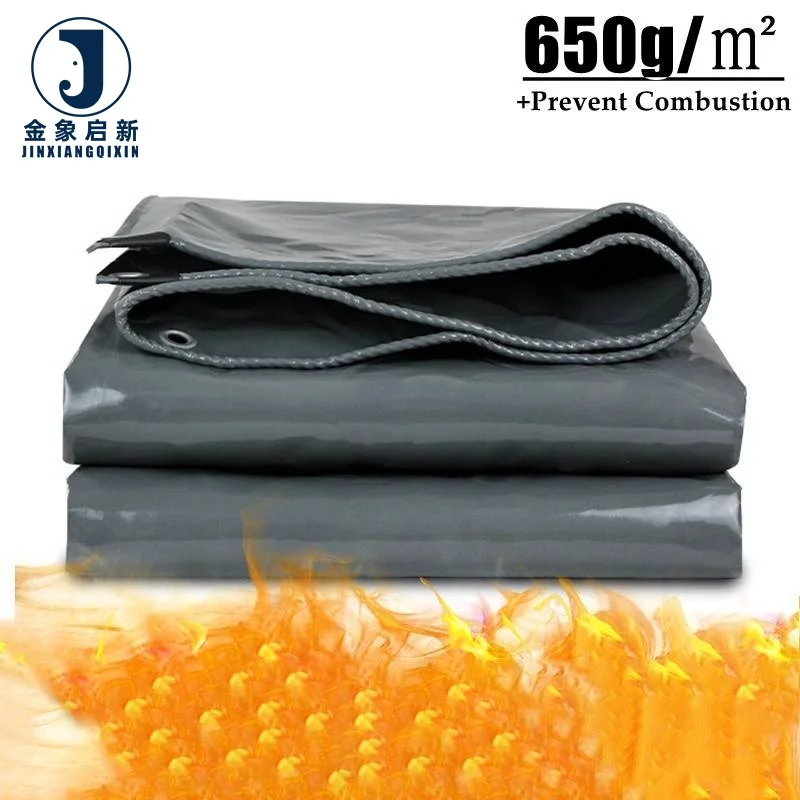
| Key Features | Water resistant, waterproof, available in flame retardant grades — confirm the grade required for your market, available with anti-UV treatment |
Application Suitability
| Application | Exposure & Requirement |
|---|---|
| Mining and tunnelling ventilation duct | Continuous airflow, underground fire safety compliance, abrasion from particulate-laden air |
| Membrane and inflatable structures | Sustained tensile load, UV exposure, wind-driven rain, thermal cycling |
| Aviation ground support covers | Fuel and chemical splash, outdoor weathering, fire safety regulations |
| Temporary industrial enclosures | Welding spark exposure, dust containment, rapid deployment and teardown |
What "Flame Retardant" Actually Means for Your Site Compliance
A flame retardant claim without a documented grade is a liability, not a specification.
When a ventilation duct or membrane fabric arrives on a mining or construction site, the safety officer does not ask if it is flame retardant — they ask which standard it passes and where the test report is. Specifying PVC coated tarpaulin fire retardant certified material requires naming the classification your local authority demands, whether that is B1 per DIN 4102, M2 under French building codes, or NFPA 701 for temporary structures. Without this documentation, the fabric may be rejected at site inspection regardless of its actual performance [NEED_CITE: DIN 4102 fire classification for building materials].
I have seen projects halted because the supplier provided a generic flame retardant certificate that did not match the standard specified in the tender. The cost of replacing an installed ventilation duct system underground far exceeds the cost of confirming the grade before production begins.
Matching Fire Safety Grades to Your Regulatory Framework
Different jurisdictions require different test methods for PVC coated tarpaulin fire retardant certified applications in underground and enclosed environments. Mining ventilation duct in Australia follows different classification criteria than construction enclosure fabric in the European Union. Confirming the applicable standard at the inquiry stage prevents costly resubmission or replacement after the material is already fabricated and installed.
Structural Integrity at Duct Flex Points and Seam Lines
Ventilation ducts experience constant pressure pulsing from fans, creating repeated flex cycles at welded seams and suspension attachment points. The high temperature heat sealed seamless edge wrapping and reinforced corners address these stress concentrations. When specifying fabric for duct construction, the weld strength must match the base fabric tensile capacity — otherwise the seam becomes the failure point under load [NEED_CITE: tensile and tear test methods for coated fabrics per ISO 1421].
Understanding GSM, Denier, and Density as a System
Weight in GSM alone does not determine how a coated fabric performs under tensile or tear load. The base fabric denier (ranging from 500D×840D to 1000D×2000D options) and mesh density (30×19, 20×20, or 30×15) work together with the PVC coating weight to produce the final mechanical properties. A heavier coating on a lighter base fabric may show high GSM but deliver lower tear resistance than a balanced construction with slightly lower total weight. The brittle temperature of ≤ -50 to -60 °C and softening temperature of ≥ 80 °C define the thermal boundaries for installation and service, critical for membrane structures exposed to seasonal extremes and ventilation ducts operating near heat sources.
The Hidden Cost of Specifying Without Verified Test Data
Ordering fabric for compliance-sensitive projects based on a supplier’s general flame retardant claim creates downstream risk. If the site auditor requests a test report referencing a specific standard and the documentation does not align, the entire installation may require removal and replacement. Batch colour inconsistency across rolls in a membrane structure becomes immediately visible once panels are installed side by side, triggering aesthetic rejection even when structural performance is adequate [NEED_CITE: batch colour consistency standards for architectural membrane fabrics].
Why Source Ventilation and Specialist Fabric Here
Three full production lines and 36 sets of professional equipment support the volume requirements for large-scale ventilation duct and membrane structure projects with reliable on-time delivery. A 10-person R&D team handles material selection, custom width development, and sample creation within days rather than weeks. Dedicated QA/QC operates at every production stage, with 100% pre-shipment inspection verifying coating weight, adhesion, and dimensional accuracy before rolls leave the facility.
Documentation & Verification
- Material specification sheet stating GSM, base fabric denier, and coating weight for each roll
- Test report for flame retardant grade — request the applicable standard before order confirmation
- Pre-shipment inspection record with QA verification of coating adhesion and dimensions
- ISO and CE certificates included with every shipment
- Certificate of origin and full customs documentation package
Fabrication, Handling & Storage
- Heat seal welding parameters must match the PVC coating thickness selected for your grade
- Reinforced corners and 3cm aluminum alloy eyelets distribute tie-down and suspension loads
- Store rolls horizontally on padded racks to prevent permanent creasing at the coating surface
- Allow fabric to acclimatise before unrolling in cold conditions below the brittle threshold
- Use PVC-compatible cleaners only — solvent-based products degrade the plasticiser in the coating
- Plan panel cutting layout to minimise offcuts and reduce the number of field-welded seams
Requesting a Specification Match for Your Project
Provide the ventilation duct diameter and operating pressure, or the membrane structure span and expected wind load, along with the fire safety standard required by your local authority. Indicate whether you need roll stock for your own fabrication or finished panels with welded seams and eyelets. If colour matching across multiple production batches is required for architectural visibility, confirm the RAL or Pantone reference at the inquiry stage.
Frequently Asked Questions
Q: Which flame retardant standard does this tarpaulin meet, and can you supply a third-party test report?
A: The fabric is available in flame retardant grades. Specify the standard required for your project — such as B1 per DIN 4102, M2, or NFPA 701 — at the inquiry stage. A third-party test report confirming the applicable classification is provided upon request before order confirmation, allowing you to submit documentation to your site safety team in advance.
Q: How is GSM verified on arrival — do you provide a weight certificate per roll?
A: Each roll undergoes 100% pre-shipment inspection that includes coating weight verification against the stated GSM. A pre-shipment inspection record accompanies the shipment, documenting the measured values. This addresses the common procurement concern of material arriving lighter than the weight stated on the original quotation.
Q: Can custom widths and roll lengths be produced for membrane structure and inflatable fabric applications?
A: Custom width and length production is available through the R&D team, which handles sample development within days for non-standard specifications. Minimum order quantities and lead times for custom dimensions are confirmed during the quotation stage based on the specific width, colour, and grade required for your project.
Q: What documentation is included with shipment for compliance-sensitive projects?
A: Shipments include a material specification sheet, flame retardant test report where applicable, ISO and CE certificates, pre-shipment inspection record, roll packing list, and certificate of origin. For mining, aviation, or construction ventilation projects requiring specific compliance packages, additional documentation can be arranged at the order stage.
Q: What anti-UV treatment is applied, and what is the test basis for outdoor exposure?
A: The fabric is available with anti-UV treatment for membrane structures and external ventilation ducts exposed to sustained sunlight. Request the specific UV test basis and treatment details at inquiry to confirm suitability for your local climate conditions and expected service environment before committing to production.