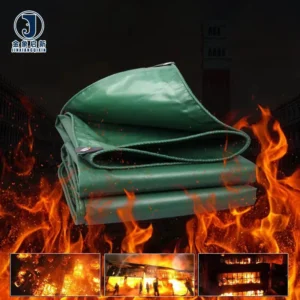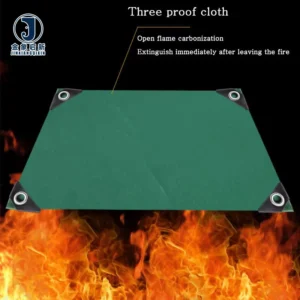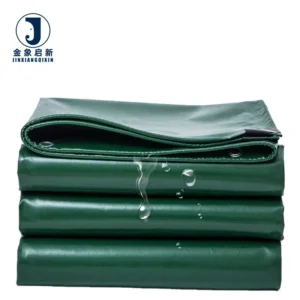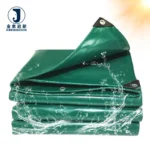
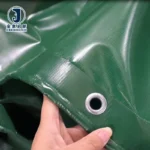
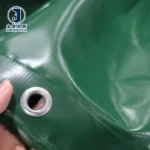
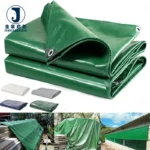
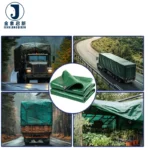
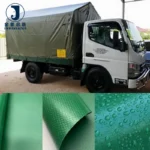
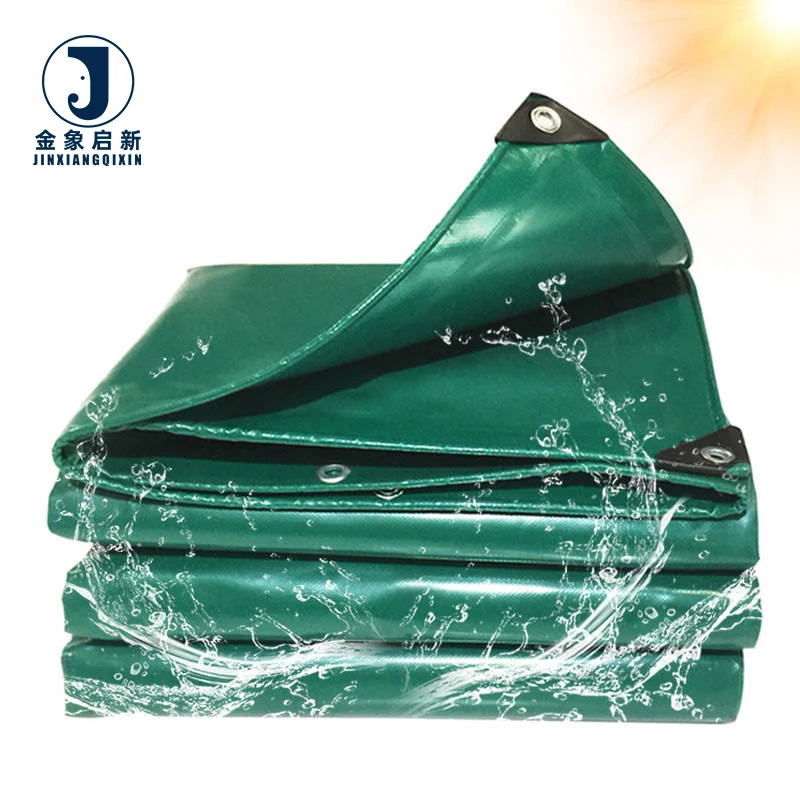
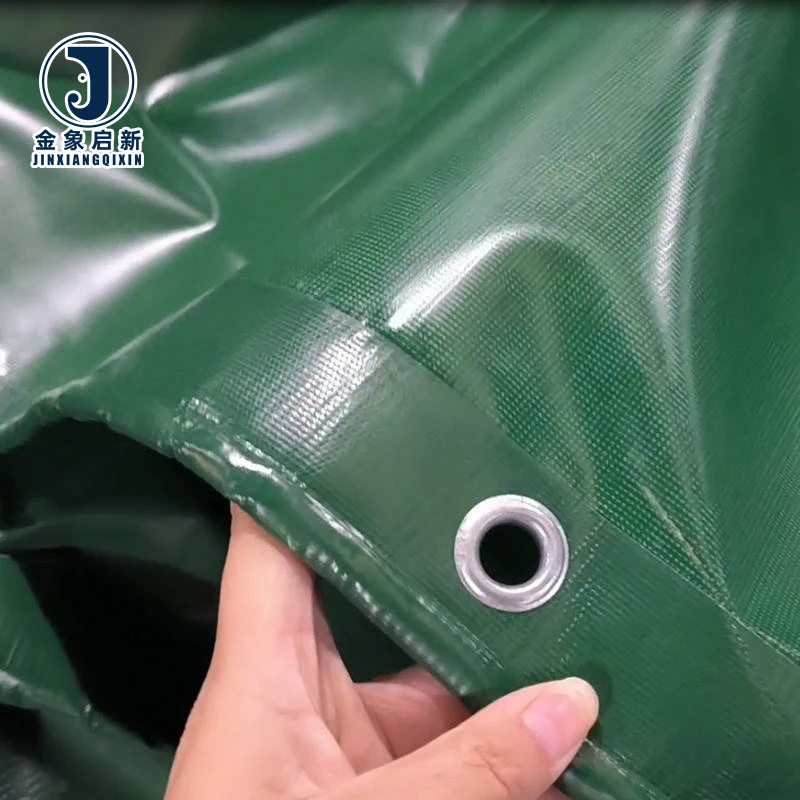
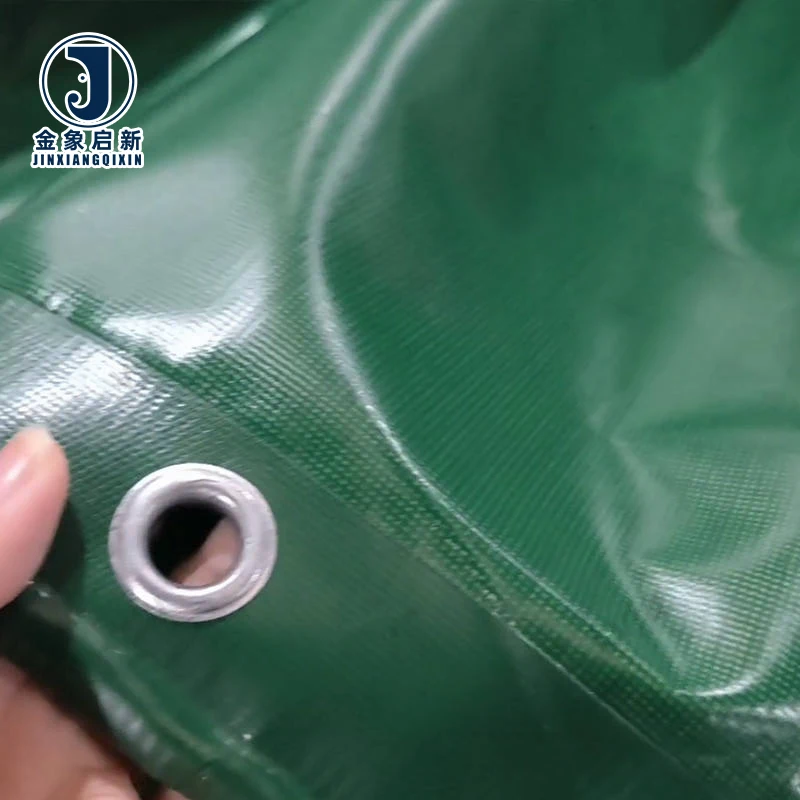
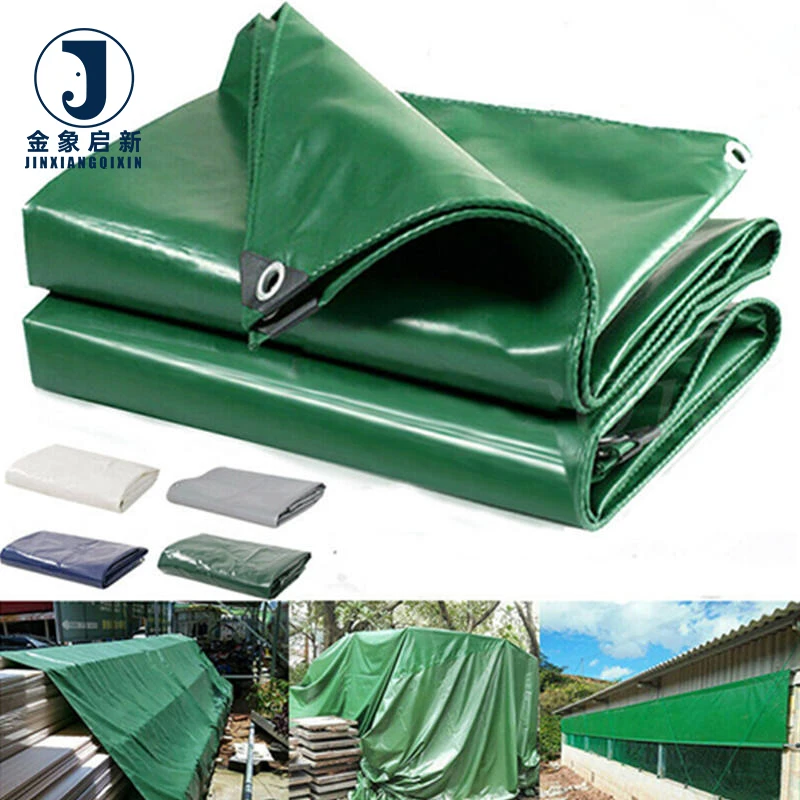
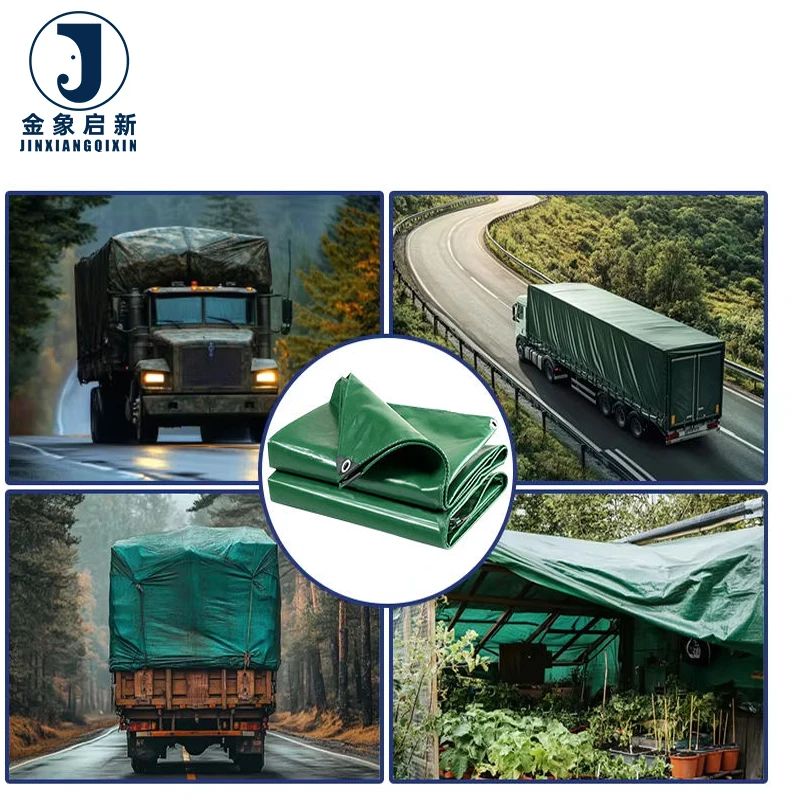
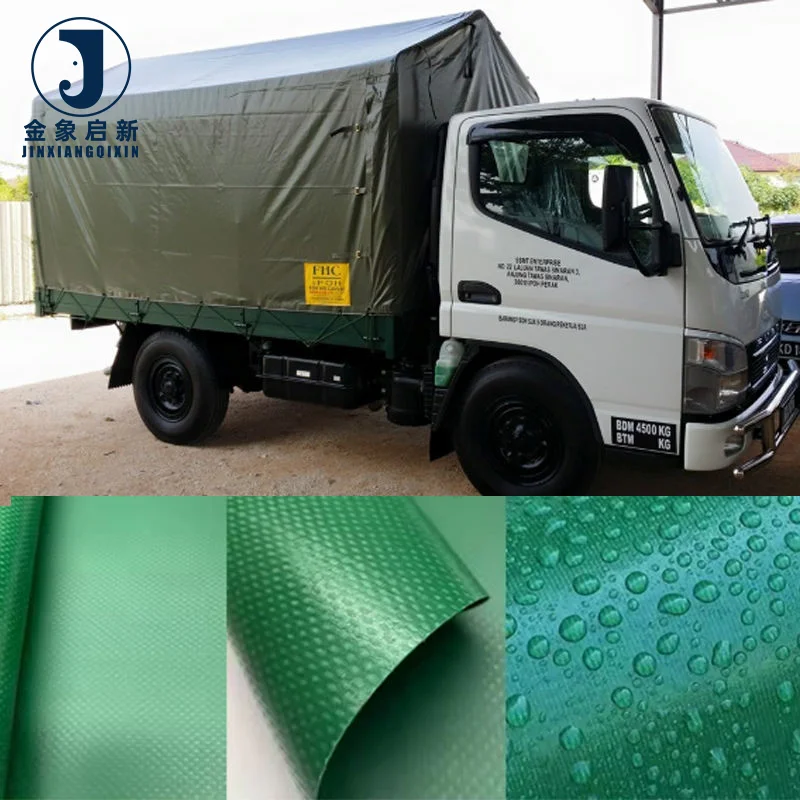
Process-controlled coating — coating weight and adhesion verified at every stage across three full production lines, ensuring consistent material behaviour from roll to roll for ventilation duct and membrane structure fabrication.
Technical Specifications
| Parameter | Value |
|---|---|
| Product Type | PVC Coated Fabric |
| Weight | At least 450 grams (source value — verify against manufacturer catalog) |
| Coating Material | PVC Vinyl |
| Base Fabric | Woven Fabric |
| Waterproof | Yes |
| Fire-Retardant Grade | Available in fire-retardant grades — confirm the grade required for your market |
| Anti-Static Treatment | Available in anti-static grades — confirm compliance standard required on site |
| Surface Finish | Not stated in source |
Application Suitability
| Application | Exposure & Requirement |
|---|---|
| Mining and tunnelling ventilation ducts | Continuous airflow pressure, rock dust abrasion, mandatory fire-retardant and anti-static compliance underground |
| Inflatable and membrane structures | Tensile load from internal pressure, wind uplift, UV and weather exposure across seasons |
| Industrial equipment covers outdoors | Rain, snow and moisture ingress, mechanical handling wear, temperature fluctuation |
| Temporary site enclosures | Wind load, repeated install and dismantle cycles, general weather shielding |
What "Certified" Means When the Ductwork Must Pass a Mine Inspector
Ask for the test report before you sign the purchase order, not after the rolls arrive on site.
Ventilation duct fabric that lacks verifiable fire-retardant or anti-static documentation stops a project the moment the inspector asks for paperwork. Mining and tunnelling contractors regularly face this bottleneck: the fabric performs adequately in the field, but without a traceable PVC coated fabric fire retardant / anti-static / certified test record, the entire duct run must be replaced or the area shut down. The cost of the fabric is minor compared to the cost of idle crews and delayed commissioning [NEED_CITE: fire-retardant compliance requirements for underground ventilation ductwork]. Specifying the correct grade and demanding documentation upfront eliminates this failure mode entirely.
Matching the Duct Construction Method to the Fabric Behaviour
Ventilation ducts for mining and tunnelling are typically fabricated by heat welding or high-frequency welding, and the PVC coated fabric fire retardant / anti-static / certified grade you select must respond predictably to the chosen method. A coated fabric that welds cleanly at one temperature may degrade or fail to bond at another if the coating chemistry is not matched to the equipment. The woven base fabric provides dimensional stability during welding, preventing distortion along the seam line under the clamping pressure of the welding bar. Fabricators who switch between material suppliers without re-running weld parameter trials often discover seam failures only after the duct is pressurised underground.
Compliance Documentation as a Deliverable, Not an Afterthought
On industrial sites where ventilation ductwork is subject to safety audits, the PVC coated fabric fire retardant / anti-static / certified specification is only as credible as the paperwork that accompanies it. A claim of compliance without a corresponding test report from a recognised laboratory is not a specification — it is a liability. Technical buyers working on aviation hangar ventilation, underground mining duct runs, or temporary membrane structures in regulated zones must ensure that the fire-retardant and anti-static grades are documented against the standards their local authority enforces [NEED_CITE: recognised test standards for fire-retardant coated fabrics in ventilation applications]. Requesting the test report at the quotation stage filters out suppliers who cannot substantiate their claims before any money changes hands.
Reading the Specification Sheet Beyond the Weight Number
The stated GSM of at least 450 grams describes the total mass per square metre of the PVC coated fabric, but it does not independently define how the material will behave under load. The woven base fabric construction — its denier count, warp and weft density, and yarn type — determines the tensile and tear resistance far more than weight alone. Two fabrics at identical GSM can differ substantially in tear propagation resistance depending on whether the base weave is tight or open, and whether the yarns are high-tenacity polyester or standard grade. Equally, the coating method influences how well the vinyl layer bonds to the woven substrate, which in turn governs whether the coating delaminates at a heat-welded seam or remains intact through repeated flexing cycles. For duct fabrication, where the material is cut into panels and welded into cylindrical or rectangular sections, the combination of base fabric stability and coating adhesion defines the usable service life more reliably than any single number on the data sheet [NEED_CITE: relationship between base fabric weave and tear strength in coated technical textiles].
The Hidden Cost of Specifying Without Verification
When PVC coated fabric arrives on a project site without the fire-retardant or anti-static certification that the safety plan mandates, the consequences extend well beyond the material itself. The duct section already fabricated must be quarantined, the fabrication shop loses capacity re-cutting from verified stock, and the installation schedule slips while replacement material is sourced and tested. On tunnelling projects where ventilation is a critical-path activity, a documentation gap in the duct fabric can idle an entire advance cycle. Colour variation between rolls in a membrane structure order is another recurring issue: panels installed side by side show visible tone differences that require full replacement to meet the client’s visual acceptance standard. These are not quality complaints that can be resolved with a credit note — they are project delays that compound through every trade downstream [NEED_CITE: cost impact of material non-conformance in industrial ventilation projects].
Why Sourcing Through a Controlled Production Line Matters
Coating weight and adhesion are verified at every production stage with dedicated QA/QC oversight, so the material leaving the facility matches the specification sheet that was approved at the sampling stage. Three full production lines with 36 sets of professional equipment support bulk order volumes without pushing lead times beyond what was quoted. A 10-person R&D team handles material selection, custom sizing, and sample development, allowing you to confirm weld behaviour and colour before committing to a full production run. Every roll undergoes 100% pre-shipment inspection with a documented record, meaning weight verification and visual consistency are checked before dispatch rather than discovered on your receiving dock. ISO and CE certifications underpin the production system, and full customs documentation including certificate of origin travels with every shipment.
Documentation & Verification
- Material specification sheet stating GSM, base fabric type and PVC vinyl coating weight per roll
- Fire-retardant test report matched to the grade specified for your site compliance requirement
- Anti-static test report confirming the treatment level required for underground or aviation use
- Pre-shipment inspection record confirming weight and visual consistency roll to roll
- ISO and CE certificates with certificate of origin and full customs documentation package
Fabrication, Handling & Storage
- Heat-weld trials on the 450-gram material to confirm temperature and dwell time before full production runs
- Store rolls upright on pallets to prevent flat-spot creases that transfer into fabricated duct panels
- Allow cold-stored rolls to reach ambient temperature before unrolling to avoid coating crack at low flexibility
- Use compatible PVC-based repair patches and solvent cement for field repairs on welded duct seams
- Plan cutting layouts around the available roll width to minimise offcuts and transverse weld seams
What to Include With Your Enquiry
Provide the ventilation duct diameter or membrane structure dimensions, the fire-retardant and anti-static standards your local authority requires, and the total linear metres or square metres per shipment. Confirm whether you need rolls only or finished fabricated panels, and state any colour or surface finish requirement for visual consistency across the installation.
Frequently Asked Questions
Q: What fire-retardant grades are available and how do I confirm which one my project needs?
A: Fire-retardant grades are available across multiple classification levels. The correct grade depends on the fire safety standard enforced in your jurisdiction and the specific application — underground mining ventilation, for instance, may mandate a different classification than a surface-level membrane structure. Request the available grade options and corresponding test reports during the quotation stage so you can match them against your project specification before ordering.
Q: How is anti-static performance verified for mining and tunnelling duct applications?
A: Anti-static treatment is applied during coating and must be verified through testing to the standard your site safety plan references. Ask for the test report that documents the surface resistivity or charge dissipation result. This documentation should accompany the shipment so that your safety officer can file it with the site compliance records before the duct is commissioned underground.
Q: How can I verify the actual GSM when rolls arrive at my facility?
A: A pre-shipment inspection record documenting weight per roll against the stated specification is provided with each consignment. On receipt, you can perform a sample cut-and-weigh check on a representative roll to cross-reference. Any discrepancy should be flagged against the inspection record so the supplier can address it under their quality management system before further rolls are dispatched.
Q: What are the key considerations for heat welding this fabric into duct sections?
A: The woven base fabric and PVC vinyl coating respond to specific temperature and pressure ranges during heat welding. Run test welds on sample material to establish the parameters that produce a clean bond without degrading the coating or distorting the weave. Welded seam integrity is critical for pressurised ductwork, so destructive peel testing on sample welds should be part of your fabrication quality procedure.
Q: Can custom widths and lengths be produced, and what are the ordering considerations?
A: Custom widths and lengths are produced on the coating line to match your fabrication cutting layout, reducing waste and transverse seams. Minimum order quantities and lead times depend on the width and treatment grade specified. Provide your target dimensions and annual volume during the enquiry so the production team can confirm feasibility and batch scheduling.