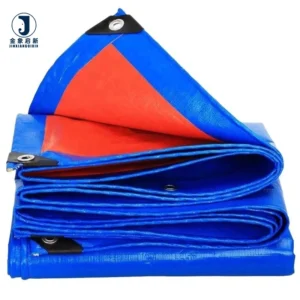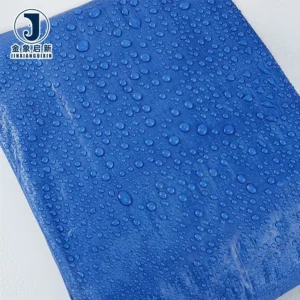
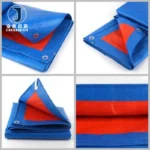

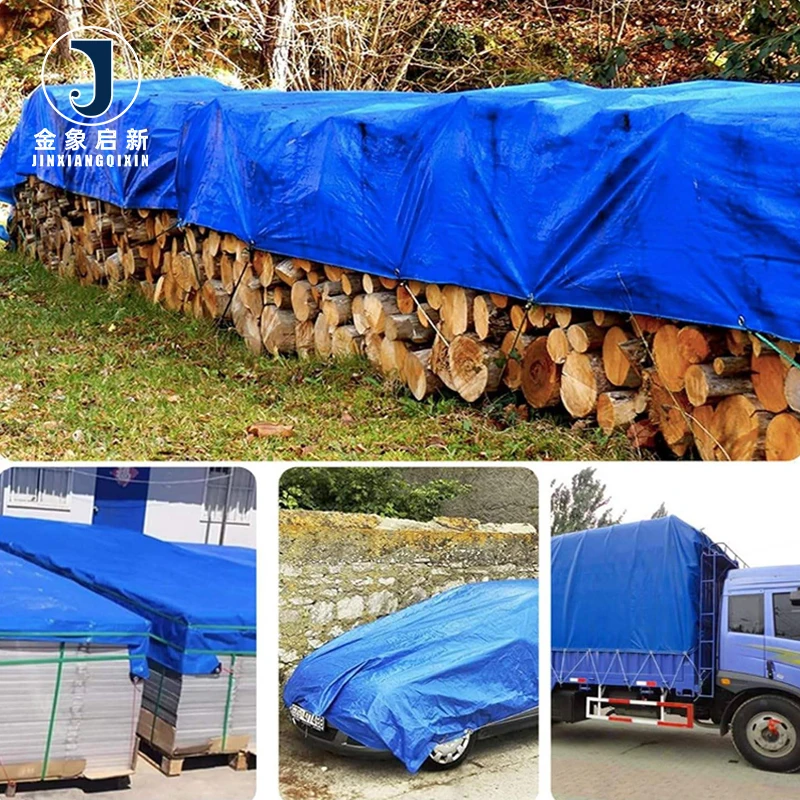
Fabrication-grade PE tarpaulin with controlled coating adhesion and documented fire compliance — three full production lines deliver consistent HDPE woven fabric with LDPE coating, matched to your duct or structure specification.
Technical Specifications
| Parameter | Value |
|---|---|
| Product Type | PE Tarpaulin |
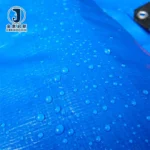
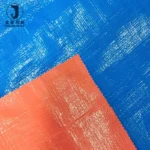
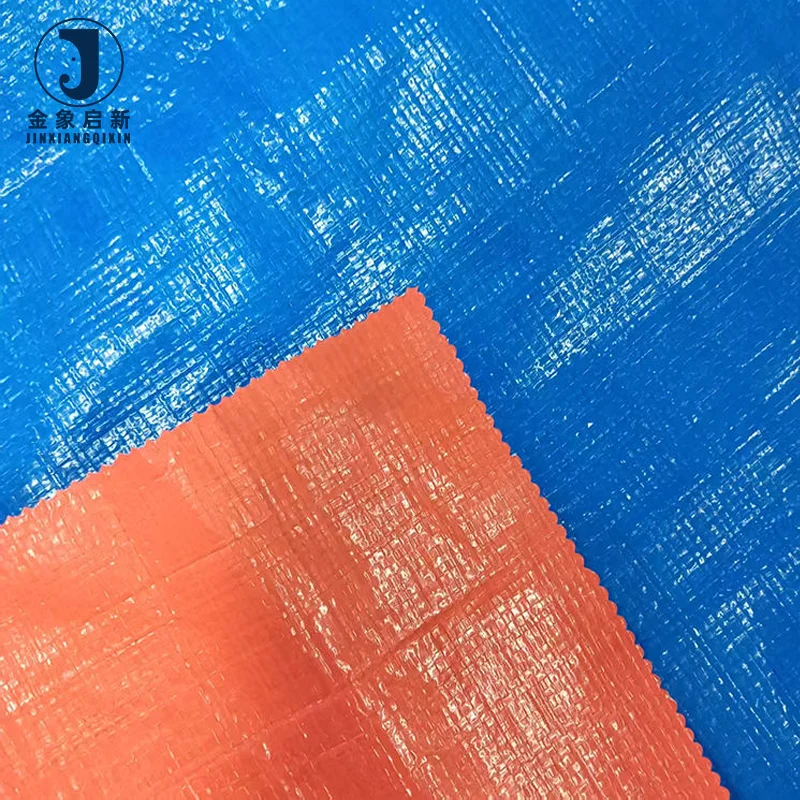
| Material | HDPE woven fabric with LDPE coat on both sides |
| Density | 6×6 to 16×16 mesh |
| Weight | 50 g/m² to 300 g/m² (confirm grade for application) |
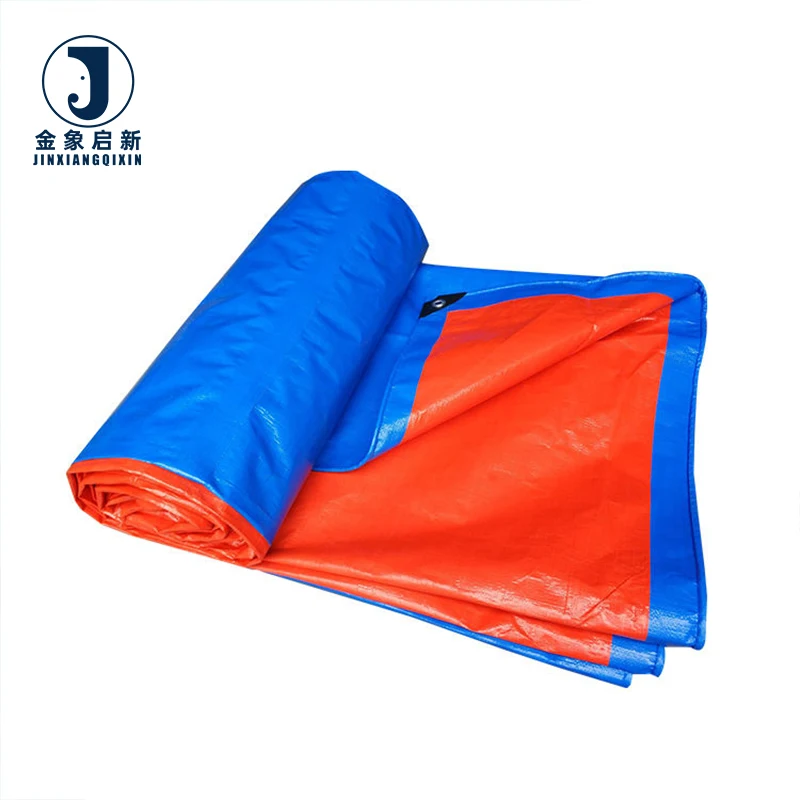
| Color | Blue, Orange, White, Black, Grey, Yellow, Green, Red, or custom |
| Sheet Size | 2×3, 3×4, 3×5, 4×5, 5×6, 6×8, 10×10, 10×12, 12×14 m or custom |
| Roll Size | 100 m per roll or as required |
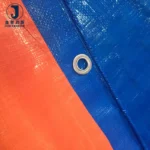
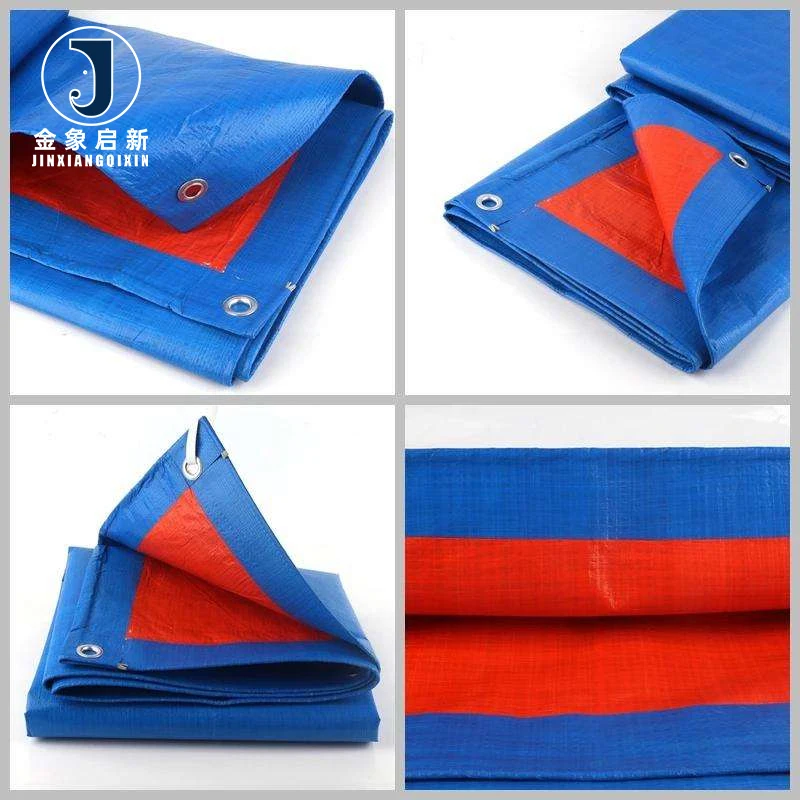
| Edge Making | PP rope reinforced hem on all edges |
| Corner Reinforcement | Black plastic triangle patches at all corners |
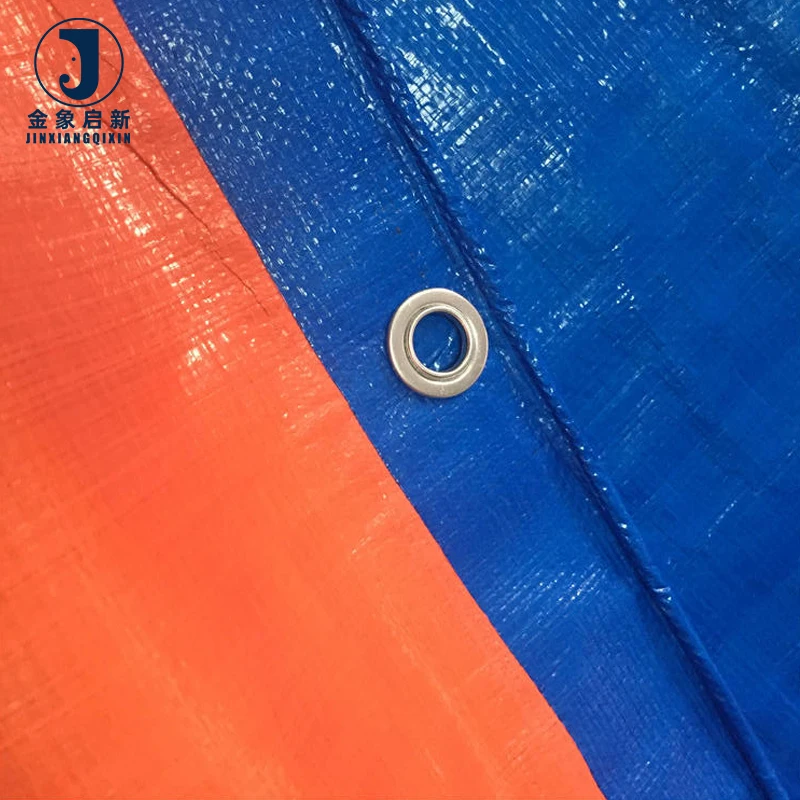
| Eyelets | Rustproof aluminum, spaced every 1 m or 1.5 m or per requirement |
| Special Treatment | Fire resistant available — confirm grade required for your market |
| UV Treatment | UV protection available — confirm test basis required for your project |
| Custom logos and company information available | |
| Packaging | Sheets folded in plastic bag with customer label; rolls or bales at 240 sqm per bale |
Application Suitability
| Application | Exposure & Requirement |
|---|---|
| Mining and tunnelling ventilation ducts | Subsurface airflow, suspended duct weight, fire-retardant compliance to site safety code |
| Aviation ground support air ducts | Anti-static specification, fuel vapour environment, flexible duct routing |
| Membrane and inflatable structures | Wind uplift tension, UV exposure, air-holding seam integrity |
| Temporary construction enclosures | Weather exposure, wind load on eyelets, site safety signage |
What Fire-Retardant PE Tarpaulin Actually Means on a Mining Site
A fire-retardant claim without a test standard is a liability, not a specification.
When PE Tarpaulin fire retardant grades are quoted without citing a recognised test method — DIN 4102, NFPA 701, or a local equivalent — the material may pass the supplier’s internal check yet fail the site safety audit. Mining and tunnelling projects routinely reject fabric deliveries because the certificate does not match the jurisdiction’s accepted standard [NEED_CITE: fire classification standards for temporary structures in mining ventilation]. The cost is not the fabric itself; it is the delay to commissioning while replacement material is sourced and retested.
Ventilation Duct Fabric: Where Mesh Density Controls Airflow Resistance
Selecting the correct mesh density from 6×6 through 16×16 directly influences airflow resistance inside a flexible duct run. A tighter weave increases air-holding capability and reduces leakage through the fabric body, which matters when duct lengths extend across long tunnel sections. The PE Tarpaulin fire retardant specification must balance this airflow requirement against the structural weight the suspension system can support.
Anti-Static PE Tarpaulin for Aviation and Fuel-Adjacent Environments
In aviation ground support and fuel-handling areas, static discharge from moving air through a duct can ignite vapour if the fabric surface is not treated. Anti-static PE tarpaulin is available for these applications, but the surface resistance value and the test method used to verify it must match the site operator’s safety protocol [NEED_CITE: anti-static surface resistance standards for aviation duct applications]. Confirm the documented resistance range before specifying this treatment for your project.
Reading the Specification Sheet: What GSM, Density, and Coating Actually Control Together
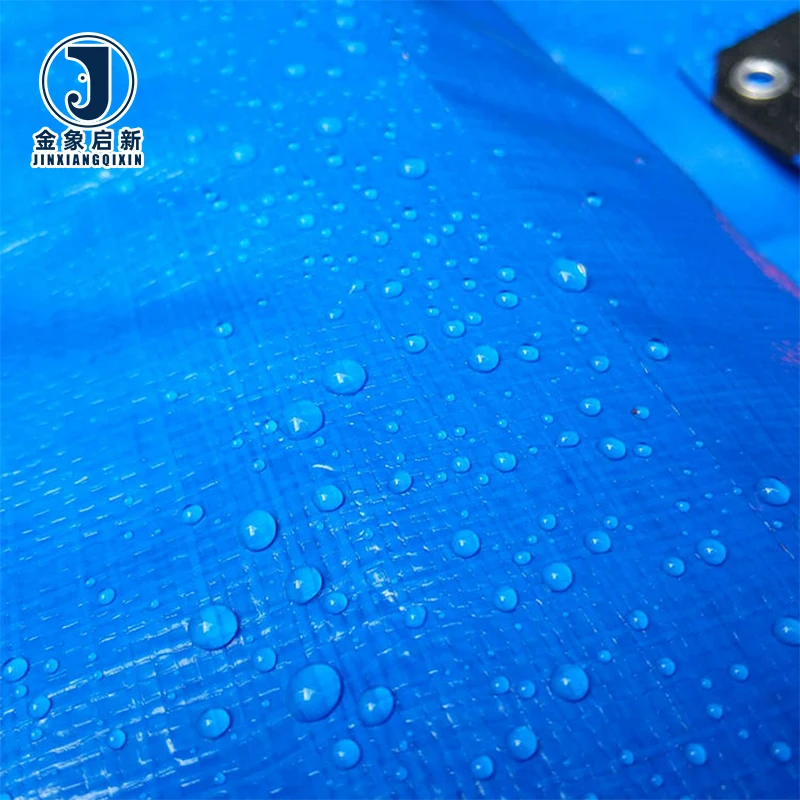
GSM alone does not determine how a PE tarpaulin performs under duct inflation pressure or structural wind load. The HDPE woven base fabric density — expressed as mesh count from 6×6 to 16×16 — governs how tensile force distributes across warp and weft yarns before a tear propagates. The LDPE coating on both sides seals the weave, provides waterproof integrity, and contributes to the total weight, but a heavy coating on a low-density base will not outperform a balanced construction with moderate coating and tighter weave. Specifiers selecting PE Tarpaulin fire retardant grades should request the base fabric denier alongside the finished GSM to understand where the weight is coming from [NEED_CITE: relationship between base fabric density and coated fabric tensile performance]. The double-side LDPE coat also influences heat-weld behaviour during duct fabrication, as the coating must melt and bond consistently at the seam without degrading the HDPE yarn beneath it.
The Hidden Cost of Specifying the Wrong Fire Grade
A ventilation duct installed underground with a fire-retardant certificate that does not match the mine’s accepted standard will be flagged at the next safety inspection, and the entire duct run may need replacement before production resumes. The fabric itself may perform adequately, but documentation non-compliance is treated the same as material failure during audit [NEED_CITE: mine safety audit rejection criteria for ventilation duct materials]. This is why confirming the test standard — not just the presence of treatment — at the inquiry stage prevents costly project delays.
Why Technical Buyers Source This PE Tarpaulin Here
- Nearly 30 years of coated fabric process control means coating weight and LDPE adhesion to the HDPE base are managed at every production stage, not left to batch variation.
- A 10-person R&D team handles material selection and sample development, so duct fabricators can test weld parameters and eyelet pull-out on the exact grade before committing to production volume.
- Three full production lines and 36 sets of equipment support bulk roll output with consistent mesh density and coating thickness across the order.
- Dedicated QA/QC at every stage includes 100% pre-shipment inspection, verifying eyelet spacing, hem reinforcement, and roll-to-roll colour consistency before dispatch.
- Custom sheet and roll formats are developed within days, allowing structure builders to order cut panels that match their fabrication drawings without excessive waste.
Documentation & Verification
- Material specification sheet stating GSM, HDPE base denier, LDPE coating weight, and colour reference per roll
- Fire-retardant test report matching the target jurisdiction standard, supplied with the relevant batch
- Pre-shipment inspection record confirming eyelet spacing, corner reinforcement, and hem integrity
- Roll packing list with net weight, gross weight, and roll count for container loading verification
- Certificate of origin and customs documentation for cross-border project delivery
Fabrication, Handling & Storage
- Heat-weld LDPE coating at controlled temperature to bond seams without degrading the HDPE woven yarn structure.
- Space rustproof aluminum eyelets at intervals matching the duct suspension load, reinforcing each with the plastic triangle corner patch where applicable.
- Store rolls horizontally on a flat surface to prevent permanent creasing of the double-side LDPE coating.
- Allow cold-stored PE tarpaulin sheets to reach ambient temperature before unfolding to avoid coating crack at the fold line.
- Cut sheets using a hot knife to seal HDPE yarn ends and prevent fraying beyond the PP rope hem.
- Repair field punctures with compatible LDPE patch material heat-bonded to the existing coating surface.
Request a Specification Match for Your Project
Provide the ventilation duct diameter, run length, and site safety standard your project requires so we can recommend the correct mesh density and treatment grade. Include your required sheet or roll format, colour specification, and whether custom printing is needed for duct identification. Sample rolls can be developed for weld testing and pull-out verification before you place the production order.
Frequently Asked Questions
Q: What fire-retardant grade can this PE tarpaulin achieve, and which test standard applies?
A: Fire-resistant treatment is available for this PE Tarpaulin fire retardant product family, but the applicable grade depends on your project jurisdiction — DIN 4102, NFPA 701, or a local mining code. Share your site’s required standard at inquiry stage so we can confirm the treatment grade and supply the matching test report with your shipment.
Q: How is anti-static performance verified for aviation duct applications?
A: Anti-static treatment is available on request, and the surface resistance value must align with the aviation or fuel-handling safety protocol at your site. We supply the documented resistance measurement and test method with the batch. Confirm your required threshold value before ordering so the correct treatment level is applied.
Q: Can sheets be cut to exact dimensions for duct fabrication or structure panels?
A: Yes. Sheet sizes are available in standard dimensions from 2×3 m up to 12×14 m, or cut to your fabrication drawings. Custom cuts include PP rope hem reinforcement and aluminum eyelet placement at your specified intervals, reducing material waste and on-site trimming during duct assembly.
Q: What documentation accompanies each shipment for site safety audits?
A: Each dispatch includes a material specification sheet, pre-shipment inspection record, roll packing list, and certificate of origin. Where fire-resistant or UV treatment is specified, the corresponding test report is included. This documentation package is structured to satisfy mining, tunnelling, and aviation site audit requirements.
Q: How does mesh density selection affect airflow in ventilation duct use?
A: Mesh density from 6×6 to 16×16 controls the air leakage rate through the fabric body and the overall weight of the suspended duct run. Tighter weaves reduce leakage over long tunnel sections but increase the load on suspension hardware. We recommend sharing your duct diameter and run length so we can advise on the density that balances airflow efficiency with structural support capacity.