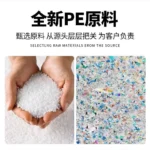
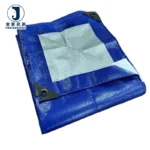
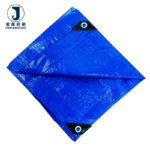
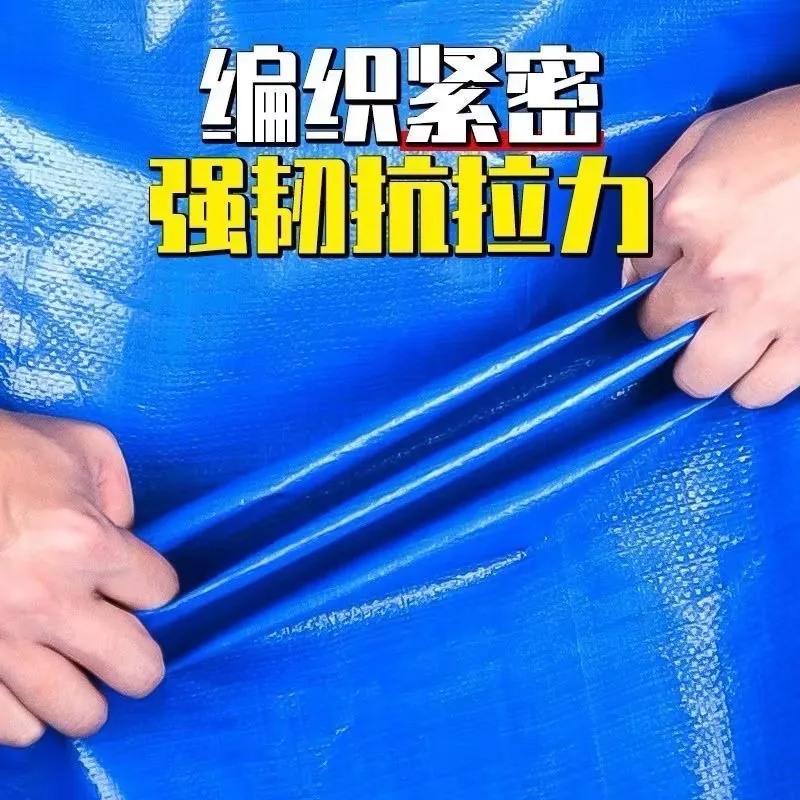
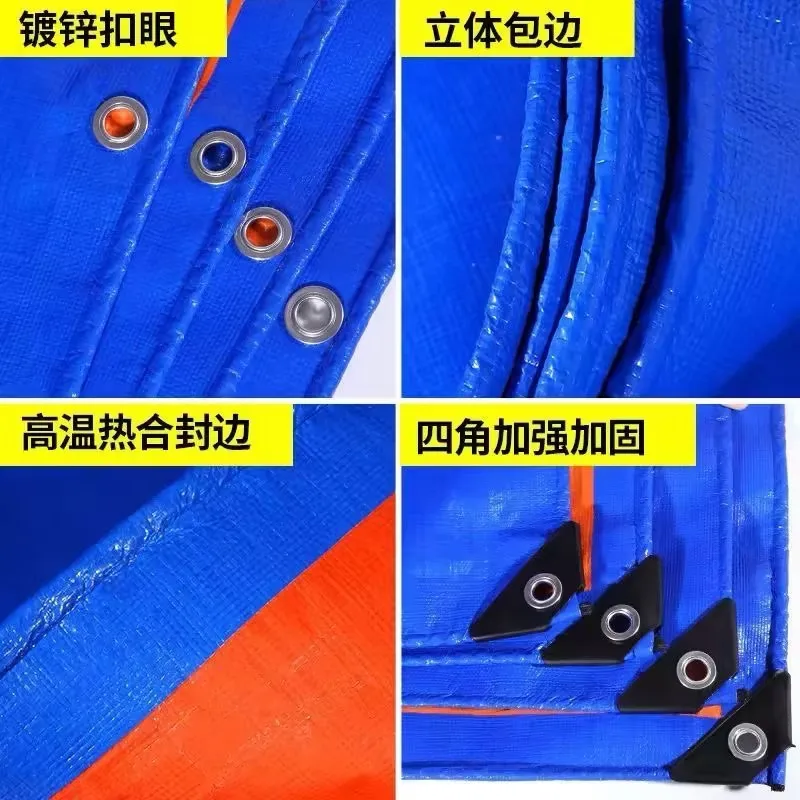
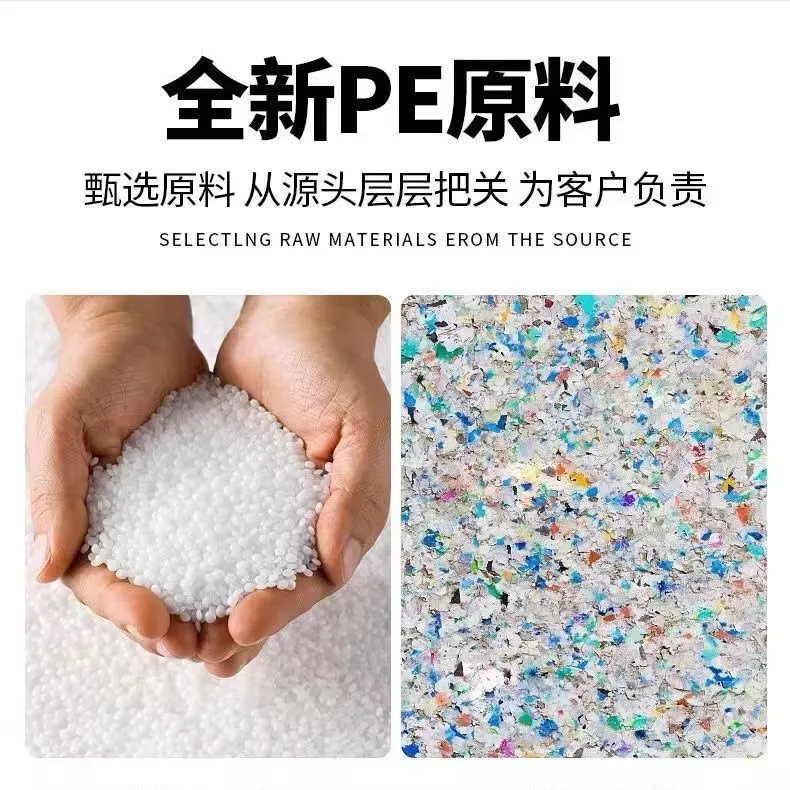

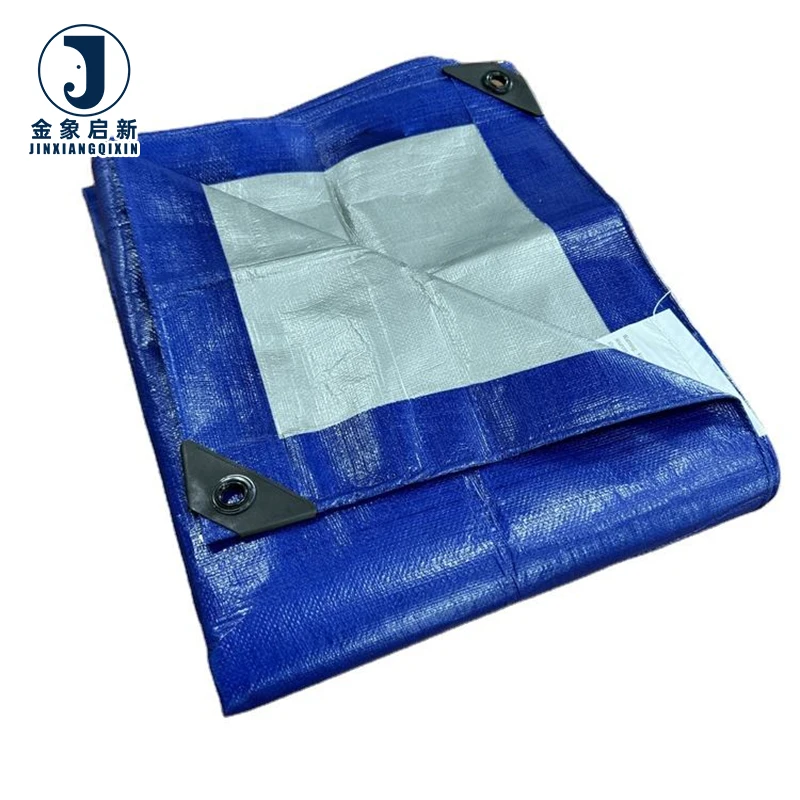
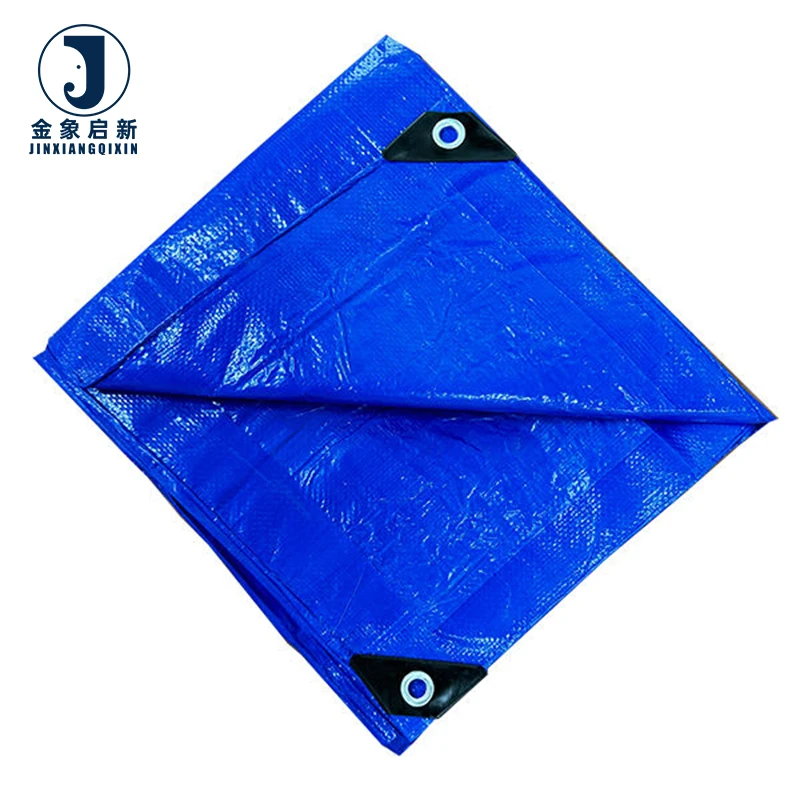
Precision Material Control — Deep process command over PE extrusion and weaving, ensuring every roll meets the stated specification without deviation.
Technical Specifications
| Parameter | Value |
|---|---|
| Product Type | PE Tarpaulin |
| Material | PE woven fabric |
| Waterproof | Yes |
| UV Resistant | Yes |
| Mildew-Proof | Yes |
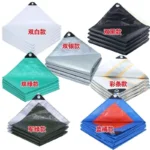
| Customizable Sizes | Available |
| Customizable Colors | Available |
| Key Features | Waterproof, UV resistant, mildew-proof, custom sizing and colors |
Application Suitability
| Application | Exposure & Requirement |
|---|---|
| Outdoor tents | Continuous sun exposure, wind load, rain ingress prevention |
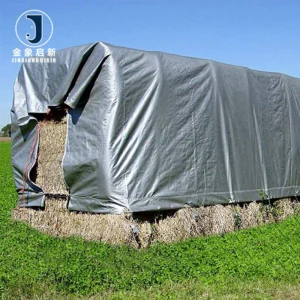
| Vehicle covers | Road debris abrasion, UV degradation, conforming to irregular shapes |
| Roof covering | Direct rainfall, thermal cycling, wind uplift stress |
| Pond lining | Permanent water contact, soil chemistry, puncture risk from substrate |
| Trailer covers | High-speed airflow flutter, cargo abrasion, tie-down point stress |
| Outdoor events | Temporary weather shelter, rapid deployment, repeated handling |
When the Quoted Specification Does Not Match What Arrives on Site
A PE Tarpaulin aftermarket supplier must verify every roll against its own quotation before shipping, not hope the buyer never checks.
It is common in this industry for a 120 GSM figure to appear on the invoice while the actual fabric weighs closer to 95 GSM. The shortfall hides inside the coating layer, where weight is easiest to reduce without obvious visual difference. Buyers typically discover the discrepancy only when the material tears during its first season of use, by which time the supplier is already arguing about installation error rather than material shortfall. [NEED_CITE: GSM verification methods for woven PE fabrics]
Why Woven Structure Determines More Than Just Tensile Numbers
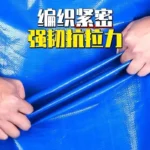
The woven base fabric in this PE Tarpaulin carries the structural load while the coating provides environmental sealing. When the weave density is uneven, stress concentrates at the weak points and tears propagate along the warp or weft line rather than stopping at the damage boundary. A PE Tarpaulin aftermarket supplier focused on consistent weaving ensures that load distributes across the full fabric surface, not just the strongest threads.
Coating Adhesion and Long-Term Field Performance
The bond between the PE coating and the woven substrate determines whether the material ages as one unit or delaminates under thermal cycling. When adhesion is weak, moisture penetrates between the layers and accelerates breakdown from the inside — a failure mode that is invisible until the coating peels away entirely. Our production process controls coating temperature and pressure to maintain consistent adhesion across the full roll length [NEED_CITE: adhesion test methods for coated PE woven fabrics per relevant ISO standards].
Reading Between the Specification Sheet Lines
Waterproof and mildew-proof properties in PE woven fabric depend on complete coating coverage without pinholes or thin spots that develop during extrusion. UV resistance requires treatment compounds distributed evenly through the coating layer, not just applied to the surface where they wear away within months. Custom sizing and color options affect production scheduling because each change requires line cleaning and parameter recalibration — a supplier offering instant color switches is likely holding pre-dyed stock that may not match the exact shade across your full order.
The Hidden Cost of Ignoring Batch Consistency
When color shifts between rolls in the same order, the variation becomes visible the moment two sheets are installed side by side on a tent frame or trailer body. The entire installation may need to be re-sorted or rejected. Similarly, when GSM varies roll to roll, some covers fail early while others last, creating warranty confusion and damaging your reputation with end users [NEED_CITE: batch consistency standards for colored PE tarpaulin production]. These are not manufacturing accidents — they are the direct result of insufficient in-process quality control during a production run that was rushed to meet a shipping deadline.
Production Capability That Addresses Real Buyer Concerns
Three full production lines allow us to separate custom orders from stock runs, preventing the scheduling conflicts that cause delays. Our 10-person R&D team develops samples within days so you can verify color, weight, and hand feel before committing to a full container. Dedicated QA/QC inspection at every production stage means coating weight is measured during the run, not just at the end when rejection is costly. The 36 sets of professional equipment support the range of widths and colors that logistics and construction buyers need without forcing you into minimum quantities that tie up your capital.
Documentation & Verification
- Material specification sheet confirming exact GSM and base fabric construction for each roll
- UV and mildew resistance test results where treatment grades are specified
- Pre-shipment inspection record showing weight verification against the quotation
- Color reference documentation matching the approved sample to the production batch
- Roll packing list with individual roll weights for customs and receiving
- Certificate of origin and customs documentation for cross-border shipments
Fabrication, Handling & Storage
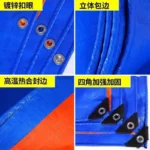
- Heat-sealing parameters must match the PE coating thickness to avoid weak weld lines
- Reinforced hem areas should align with actual tie-down load points, not generic spacing
- Store rolls horizontally on pallets to prevent edge deformation and coating crease marks
- Unroll in ambient temperature conditions to avoid cracking the coating in cold weather
- Use mild cleaners only, as aggressive solvents degrade the PE coating surface
- Cut panels with allowance for thermal expansion in high-temperature installations
What We Need From You to Quote Accurately
Provide the specific application and exposure conditions so we can recommend the correct treatment level and fabric construction. Specify your target width, roll length, and annual volume to allow accurate production scheduling. Share any color references or printing requirements early so we can develop and ship a sample for your approval before the main production run begins.
Frequently Asked Questions
Q: How do you verify the GSM matches what was quoted?
A: Every roll undergoes weight measurement during our in-process QA check, comparing the actual GSM against the specification sheet. We provide a pre-shipment inspection record documenting the verified weight. This prevents the common situation where the quoted figure does not match the material that arrives at your warehouse.
Q: Can you match color consistently across multiple rolls in one order?
A: Yes. We control color at the compounding stage and run all rolls for a single order through the same production batch. Our QA team checks color reference against the approved sample before packing. This eliminates the visible shade variation that occurs when rolls are pulled from different production runs.
Q: What documentation comes with treated grades like UV or mildew resistance?
A: We provide test reports specific to the treatment grade applied to your order, along with the material specification sheet listing the exact compounds used. Pre-shipment inspection records confirm the treatment was applied. Documentation is matched to the destination market requirements where standards are specified.
Q: What are the minimums and lead times for custom widths or colors?
A: Custom widths and colors require dedicated production line time, so minimums are set to cover the line changeover and cleaning process. Typical lead times account for sample approval before bulk production begins. We provide exact minimums and scheduling in the quotation once your specifications are confirmed.