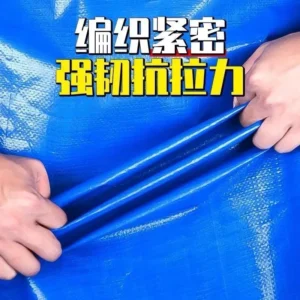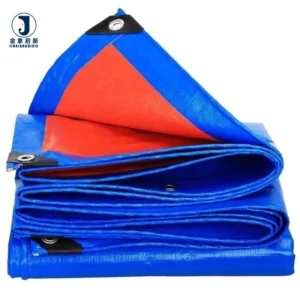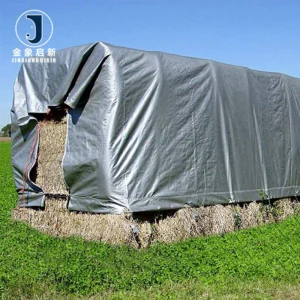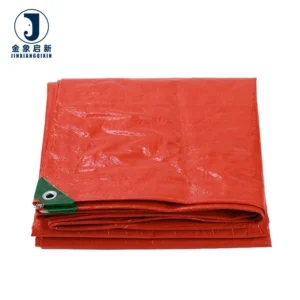
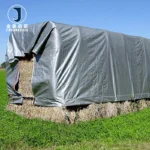
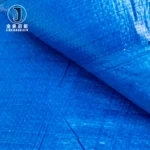
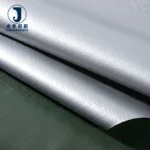
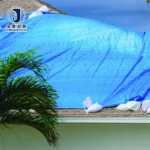

Proven Process Control — Nearly three decades focused on HDPE woven, LDPE laminated PE tarpaulin, with dedicated QA/QC verifying GSM, weave count, and flame-retardant treatment at every production stage before shipment.
Technical Specifications
| Parameter | Value |
|---|---|
| Product Type | PE Tarpaulin |
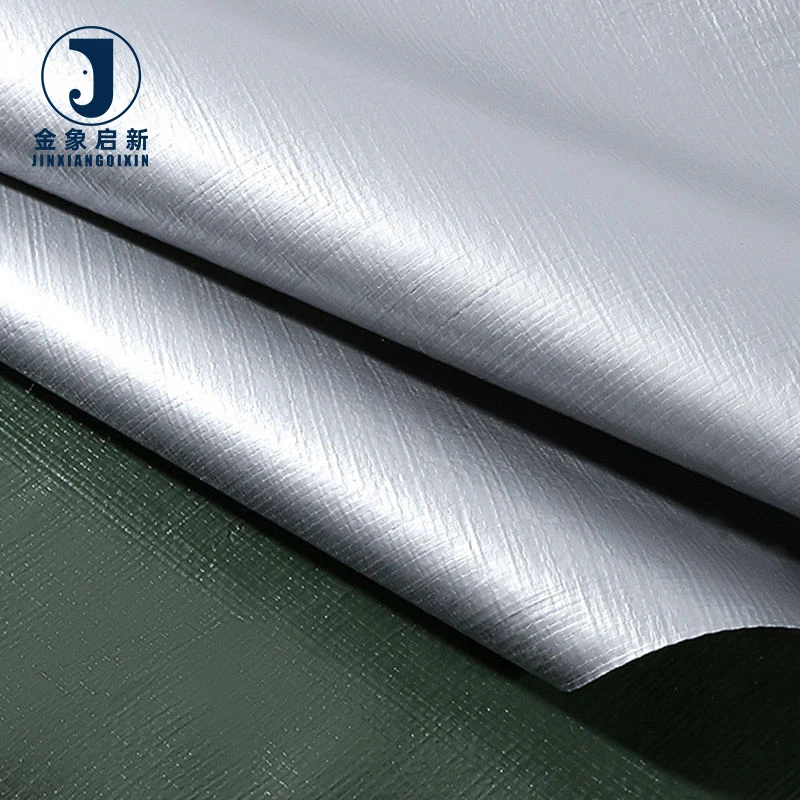
| Coating Material | HDPE weaving with LDPE lamination on both sides |
| Weight (GSM) | 45gsm ~ 400gsm (range covers product family — confirm the grade for this item) |
| Mesh Count | 6×6 / 8×8 / 10×10 / 12×12 / 14×14 |
| Total Thickness | 0.2–0.4 mm / 8 mil–16 mil |
| Roll Width | 6ft / 8ft / 10ft / 12ft / 2m / 4m / 6m |
| Roll Length | 100 yards / 100 meters / custom |
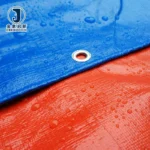
| Color | Blue / Blue-Orange / Green / Grey / Black / Clear / Grey-Green / Orange / any Pantone color |
| Flame Retardant Grade | NFPA 701 (grade not stated — confirm if NFPA 701 is passed or only requested) |
| UV Treatment | Available (test basis not stated in source) |
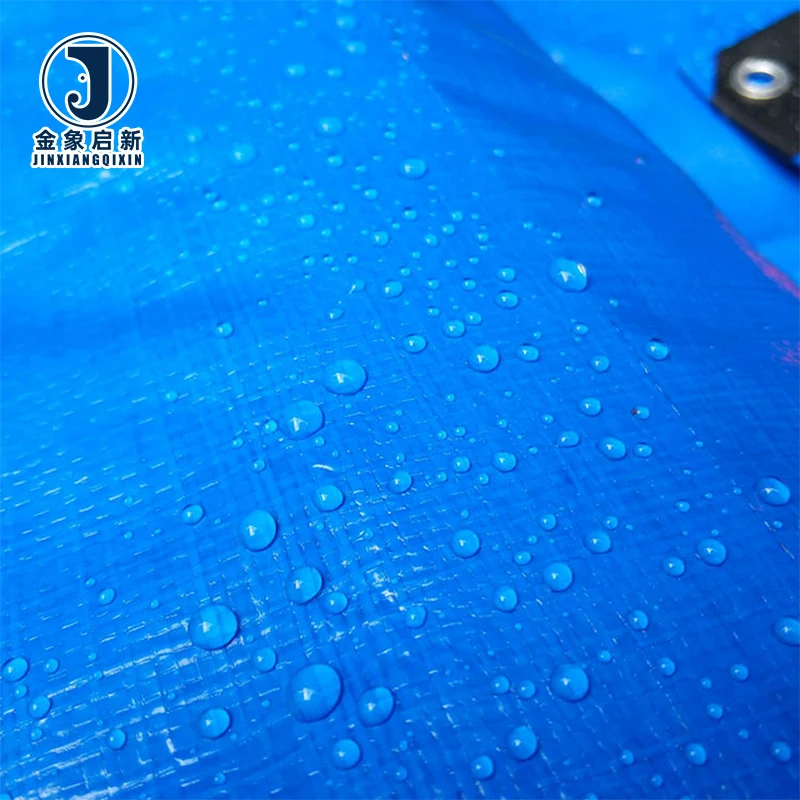
| Waterproof | Yes |
| Anti-Mildew | Yes |
| Hemming | All four edges reinforced with PP rope in hem, 4 cm margin |
| Eyelet Options | PC / brass / aluminum, galvanized every 3 ft or 1 m |
| Corner Guards | PP or PE |
| Key Features | Waterproof, washable, tear resistant, anti-aging, flame-retardant treatment available in grades — confirm the grade required for your market |
Application Suitability
| Application | Exposure & Requirement |
|---|---|
| Mining ventilation ducting | Continuous airflow load, underground particulate abrasion, mandatory fire-retardant and anti-static compliance |
| Tunnelling duct fabrication | Confined-space safety standards, longitudinal tensile demand from hanging brackets, weld seam integrity at flex points |
| Inflatable and membrane structures | Sustained internal pressure, UV and weather exposure, certified flame-retardant grade for public-assembly permits |
| Aviation ground-support covers | Fuel splash resistance, flame-retardant documentation for airfield compliance, repeated handling and fold stress |
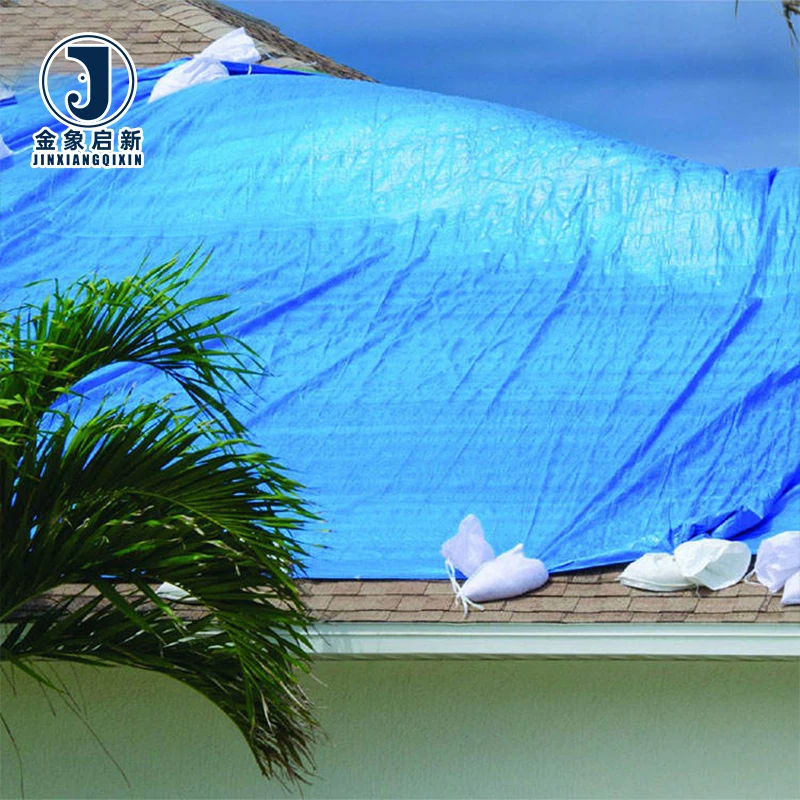
| Construction temporary enclosures | Wind load on large spans, site ignition sources, need for verifiable fire classification |
Why "Fire Retardant" Without a Grade Leaves Your Site Exposed
A PE tarpaulin labelled flame retardant means nothing to a site inspector unless a test report backs the claim. PE Tarpaulin fire retardant / anti-static / certified specifications must carry documentation tied to a recognised standard, not a supplier’s assertion.
Ventilation duct projects in mining or tunnelling environments fail at the approval stage when the fabric arrives without the fire-retardant or anti-static certification the site safety officer requires [NEED_CITE: fire classification standards for underground ventilation textiles]. The entire installation stalls, contractors stand idle, and the material may need to be returned. We see this pattern repeat when buyers source on price and description alone, treating the flame-retardant claim as a checkbox rather than a verified grade supported by laboratory data.
Verified Treatment Grades for Technical Fabric Buyers
Technical contractors specify PE Tarpaulin fire retardant / anti-static / certified grades because site compliance is non-negotiable. Our PE tarpaulin is available with NFPA 701 flame-retardant treatment — we recommend requesting the test report at inquiry stage to confirm the grade matches your project specification. Mesh counts from 6×6 to 14×14 allow duct fabricators to select the weave density that balances airflow permeability with structural tensile demand.
Material Construction and Seam Behaviour
The HDPE woven base with LDPE lamination on both sides provides the dimensional stability needed when rolls are cut, heat-welded, and hung as long-run duct sections. Lamination adhesion directly determines whether a welded seam holds under the cyclic pressure loads typical of forced ventilation. Thickness options from 0.2 mm to 0.4 mm cover the range from lightweight duct fabric to heavier covers used in membrane structures [NEED_CITE: lamination adhesion and heat-weld performance in woven PE fabrics].
Reading GSM, Mesh Count, and Thickness Together
GSM alone does not predict how a PE tarpaulin will perform once fabricated into a duct or structure. A 180 gsm fabric woven at 14×14 may show higher tensile figures than a 200 gsm fabric at 8×8, because the tighter weave distributes load across more yarns per unit length. Thickness, driven largely by lamination weight on each side, influences puncture resistance and the thermal mass available during heat welding — too thin and the weld cools before full adhesion; too thick and energy input must be precisely controlled. Selecting the right combination requires matching all three values to the mechanical and safety demands of the application rather than treating any single number as a quality indicator.
The Cost of Specifying the Wrong Grade
When a ventilation duct is fabricated from fabric that lacks the documented anti-static or fire-retardant grade the site requires, the consequences extend beyond a failed inspection. The contractor may need to strip the entire run, re-source compliant material, and absorb the schedule penalty. Colour inconsistency across rolls in the same order becomes visible once sections are hung side by side, prompting rejection on aesthetic grounds in public-facing structures [NEED_CITE: batch colour consistency standards in coated fabric procurement]. Weld seams that fail before the fabric itself does — typically at the point of greatest flex — trace back to lamination adhesion or mesh density choices made without reference to the end-use load cycle.
Why Technical Buyers Source PE Tarpaulin Here
Three full production lines and 36 sets of professional equipment give us the capacity to fulfil bulk duct-fabrication orders on schedule. A dedicated 10-person R&D team handles material selection, custom width, and sample development so fabricators can validate weld parameters before committing to a full production run. QA/QC runs at every stage — from incoming yarn inspection through lamination weight checks to 100 % pre-shipment verification — ensuring GSM, mesh count, and treatment grade match the quotation. Samples for custom widths, colours, or printed branding are developed within days. ISO and CE documentation accompanies every export shipment with full customs support.
Documentation & Verification
- Material specification sheet stating GSM, base fabric denier, LDPE lamination weight, and colour reference
- Test report for NFPA 701 flame-retardant grade where applicable — request at inquiry
- Roll-by-roll GSM verification record from pre-shipment inspection
- Certificate of origin and customs documentation for cross-border shipment
- Roll packing list with batch and colour reference for consistency audit
Fabrication, Handling & Storage
- Set heat-weld temperature and dwell time to match the LDPE lamination thickness — test on a sample strip first
- Position galvanized eyelets at intervals matching the expected tie-down load to avoid hem tearing at stress points
- Store rolls horizontally on pallets to prevent permanent creasing across the 6 m width
- Allow cold-stored rolls to reach ambient temperature before unrolling to prevent LDPE micro-cracking
- Use mild detergent for cleaning; avoid solvents that degrade the LDPE lamination surface
- Plan cutting layout to minimise off-cuts when working with standard 100-metre roll lengths
Requesting a Technical Quotation
Provide the mesh count, GSM range, and total roll width required for your duct or membrane fabrication line, along with the fire-retardant or anti-static standard your site must meet. Let us know whether you need finished cut sizes with hemming and eyelets, or roll stock for in-house fabrication, and whether custom colour or printed branding is part of the specification. We will return a material specification sheet and sample for your approval before any production commitment.
Frequently Asked Questions
Q: What flame-retardant test standard does the PE tarpaulin meet, and can you supply the test report?
A: The PE tarpaulin is available with NFPA 701 flame-retardant treatment. We recommend requesting the test report at inquiry stage so you can verify the grade matches your project or site requirement before production begins. Documentation is included with the shipment.
Q: Is anti-static treatment available for ventilation duct applications, and what surface resistance is achieved?
A: Anti-static treatment can be applied for duct applications where static discharge is a compliance concern. Specify the surface resistance range your site standard requires when you inquire, and we will confirm the achievable level along with supporting test data.
Q: How is GSM verified per roll, and what documentation accompanies shipment?
A: Every roll is weighed and measured during pre-shipment inspection, and the result is recorded against the quoted GSM. A roll packing list, material specification sheet, and inspection record are included in the dispatch documentation for your verification.
Q: What custom widths and roll lengths are available for duct fabrication and membrane structure cutting?
A: Standard widths extend to 6 m, with custom widths and lengths available on request. Provide your cutting layout or fabrication drawing so we can recommend the roll dimensions that minimise waste and splice seams in your production process.
Q: How do you ensure colour and treatment consistency across multiple rolls in a single order?
A: Colour reference and lamination formulation are locked at the sample approval stage. Each production batch is checked against that reference, and the roll packing list records batch identity so you can audit consistency across the entire order on arrival.