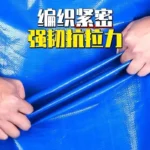
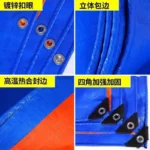
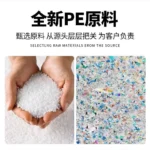
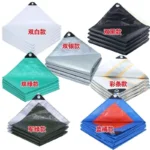
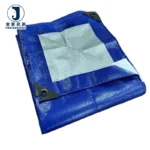
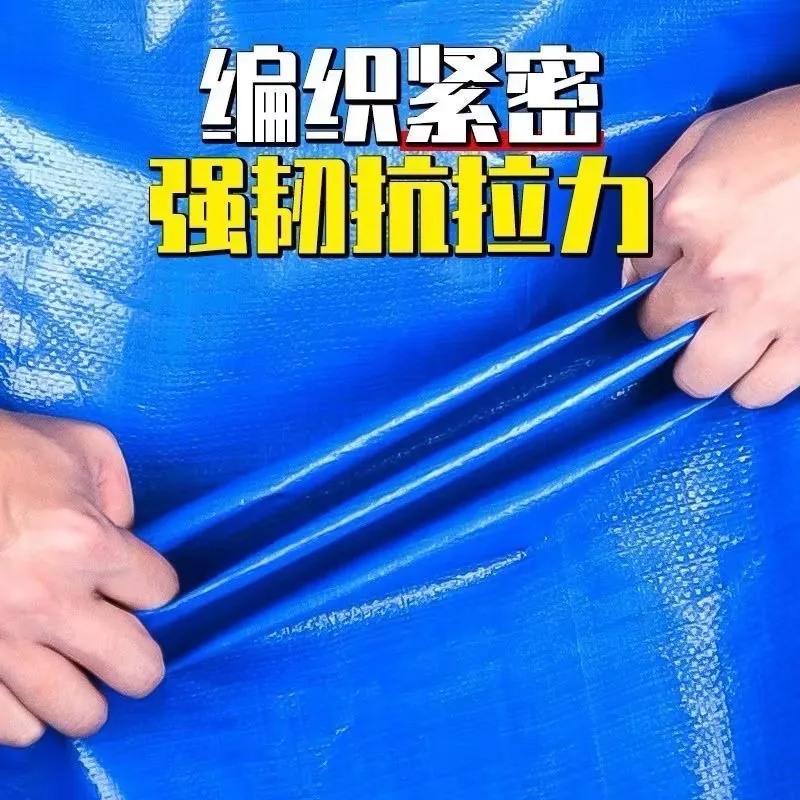
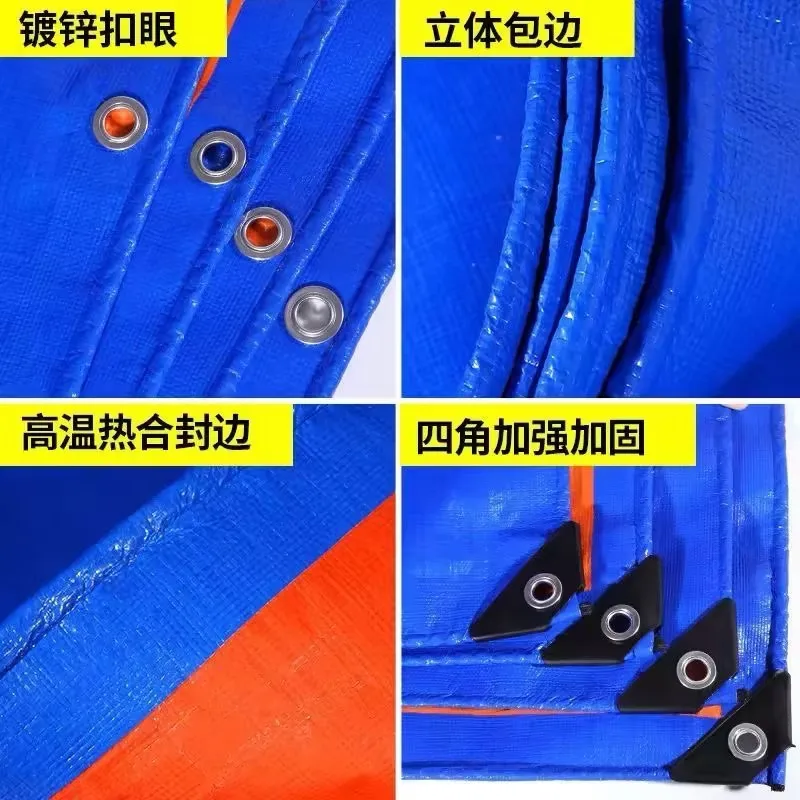

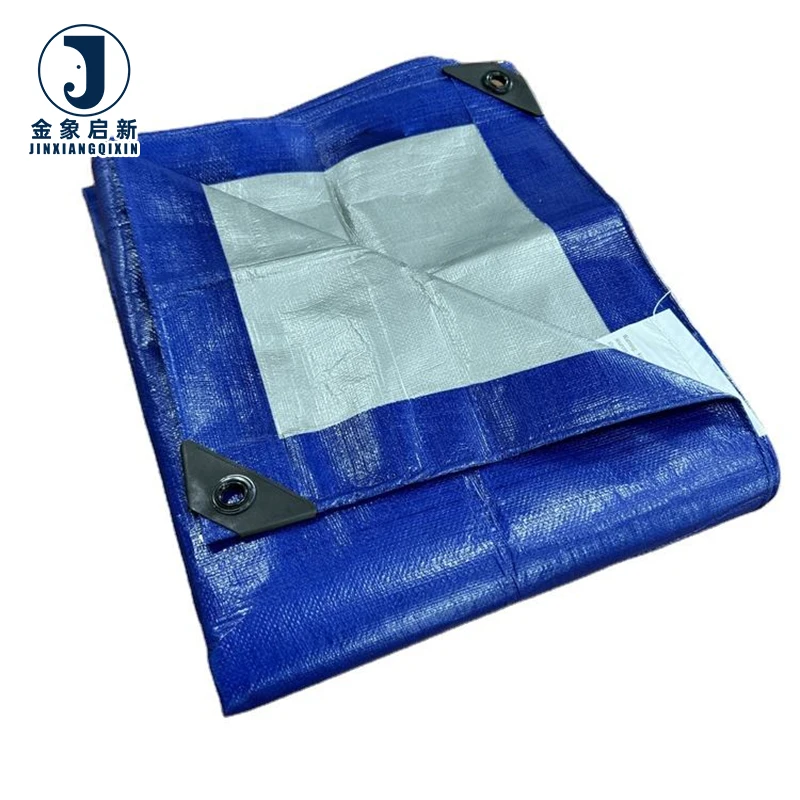
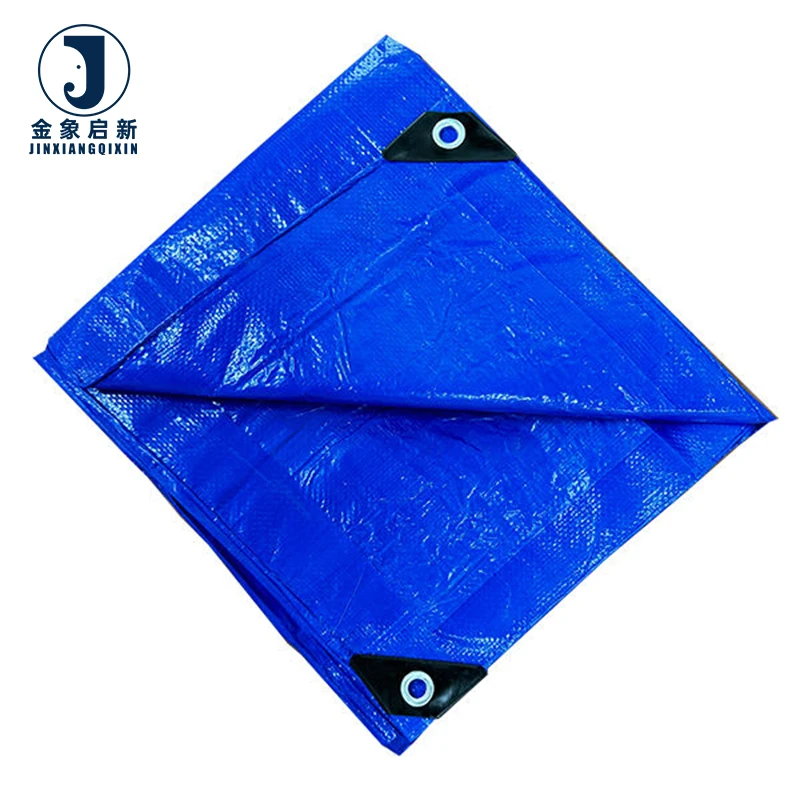
Proven PE coated fabric expertise — nearly three decades of process control over PE weaving and coating weight, applied to every roll of PE tarpaulin produced for tent and outdoor structure projects.
Technical Specifications
| Parameter | Value |
|---|---|
| Product Type | PE Tarpaulin |
| Material | PE woven fabric with waterproof coating |
| Weave Style | Plain |
| Waterproof | Yes |
| Mildew-Proof | Yes |
| UV Resistant | Available (test basis not stated — confirm grade at inquiry) |
| Customizable Sizes | Available |
| Customizable Colors | Available |
| Key Features | Waterproof, mildew-proof, customizable sizing and color options |
Application Suitability
| Application | Exposure & Requirement |
|---|---|
| Tent and event shelter covers | Prolonged sun exposure, wind loading on frame joints, repeated assembly and teardown cycles |
| Pond and reservoir lining | Permanent water contact, soil chemistry, puncture risk from substrate irregularities |
| Car and vehicle covers | UV exposure, abrasion from wind-blown debris, moisture trapping on paint surfaces |
| Aquaculture and fish farming covers | Constant humidity, biological growth pressure, mildew formation in warm conditions |
| Roof and ceremony covers | Rainfall runoff, thermal cycling, tension at fixing points |
Why Spec Sheets Without Test Data Leave Your Project Exposed
A claim of "UV resistant" or "mildew-proof" is only as reliable as the test report behind it.
When sourcing PE tarpaulin for tent structures or outdoor covers, buyers frequently receive quotation sheets listing performance attributes without referencing any test method or standard. The result arrives on site: a material that discolours after one season, or a pond liner that develops mildew beneath the coating within months. The gap between a marketing claim and a verifiable specification is where project delays and warranty disputes originate. [NEED_CITE: standard test methods for UV exposure of plastic films and coated fabrics]
Matching Fabric Construction to Tent and Structure Demands
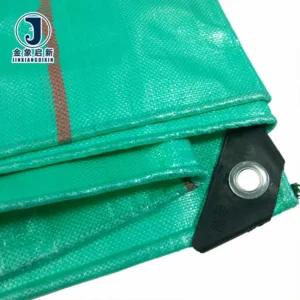
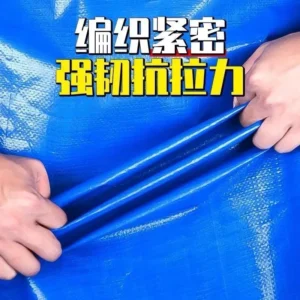
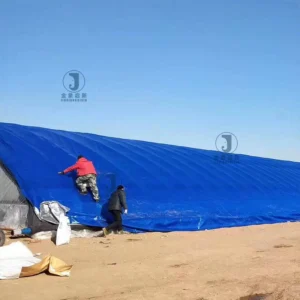
Tent and event shelter manufacturers need a PE tarpaulin that balances tensile strength with flexibility for folding and repeated installation. Plain weave PE construction distributes load evenly across warp and weft, reducing the risk of localised tearing at frame contact points. When wind loads transfer through the fabric to the grommet line, a balanced weave prevents individual yarns from pulling out under cyclic stress. The customisable sizing allows manufacturers to order pre-cut panels that match their frame dimensions, reducing on-site cutting and waste.
Waterproof and Mildew-Proof Treatment for Wet Environments
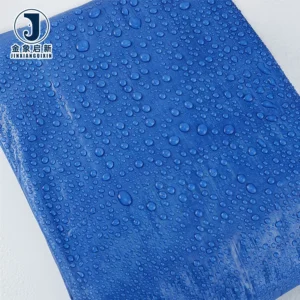
For pond lining and aquaculture applications, the waterproof coating must maintain adhesion to the PE woven base fabric through constant immersion. Mildew-proof treatment becomes critical when the material is exposed to warm, humid conditions typical of fish farming or agricultural water storage. These treatments need to be specified at the inquiry stage so the correct formulation is applied during the coating process. [NEED_CITE: adhesion test protocols for coated PE fabrics in continuous water immersion]
How Base Fabric and Coating Weight Work Together
PE tarpaulin performance depends on the interaction between the woven base fabric and the applied coating layer. The base fabric denier and weave density determine how loads distribute through the material, while the coating weight provides the waterproof barrier and surface properties. A heavier coating on a loosely woven base does not necessarily produce a stronger material — it can instead create a stiff panel that cracks at fold lines. Understanding this relationship helps buyers specify the right combination for their application rather than relying on coating weight alone as a proxy for quality.
The Cost of Ordering Without Verified Documentation
When a batch of PE tarpaulin arrives without matching the stated specification, the consequences compound quickly. Colour variation between rolls becomes visible once panels are installed side by side on a tent structure, forcing the contractor to reject the entire shipment or accept a visually inconsistent installation. A material that arrives lighter than the quoted weight may fail under wind load during its first season of use. These failures are preventable when pre-shipment inspection is documented and material specification sheets accompany every order. [NEED_CITE: common causes of tarpaulin shipment rejection at destination port]
Production Controls That Deliver Consistent Roll Stock
Our PE tarpaulin production benefits from a 10-person R&D team that handles material selection and sample development before bulk runs begin. Three full production lines and 36 sets of equipment support batch volumes while maintaining coating weight control at every stage. Every roll undergoes inspection before shipment, with findings recorded in a pre-shipment inspection document shared with the buyer. Custom sizes and colours are developed as physical samples within days, allowing approval before production commitment.
Documentation & Verification
- Material specification sheet confirming base fabric weave, coating type, and weight for every order
- UV and mildew-proof test reports provided when treatment grades are specified at inquiry
- Pre-shipment inspection record documenting roll-by-roll quality findings before dispatch
- ISO and CE certificates available with customs and export documentation
- Roll packing list with colour reference and dimensions for warehouse receiving
Fabrication, Handling & Storage
- Heat sealing temperature and dwell time should be adjusted based on the PE coating thickness specified for your order
- Reinforced hems and eyelets must be positioned at structural load points to prevent tear propagation in tent covers
- Rolls should be stored horizontally on pallets to avoid permanent creasing of the PE woven base fabric
- Allow PE tarpaulin panels to acclimatise before installation in cold conditions to maintain flexibility at fixing points
- Use mild, non-abrasive cleaners on the waterproof coating surface to preserve treatment performance over time
What We Need to Prepare Your Quotation
Tell us the application, the environmental exposure conditions, and the dimensions required for each panel or roll. If your project requires a specific UV or mildew-proof treatment grade, state the standard or test method your market demands. Confirm whether you need pre-cut panels to finished dimensions or full rolls for your own fabrication, and whether sample approval is required before production.
Frequently Asked Questions
Q: Can this PE tarpaulin be supplied with fire-retardant certification for my project?
A: PE tarpaulin can be produced in fire-retardant grades depending on the coating formulation required. The specific grade and test standard must be confirmed at the inquiry stage so the correct treatment is applied during production. We recommend stating the compliance standard your project or market requires, and we will confirm availability with a supporting test report.
Q: How is UV resistance tested and what documentation supports the claim?
A: UV resistance testing depends on the method specified by your market or project requirements. When a UV-resistant grade is requested, we provide a test report referencing the applicable standard. Confirm the test method and exposure duration required for your application at inquiry so the correct formulation and documentation can be prepared.
Q: What custom sizes and colors are available, and what is the minimum order?
A: PE tarpaulin is available in custom sizes cut to your panel dimensions and in custom colours matched to your reference. Physical samples are developed within days for approval before bulk production. Minimum order quantities depend on the specific colour, size, and treatment combination required, and are confirmed during the quotation stage.
Q: How do you ensure roll-to-roll consistency for large tent fabric orders?
A: Coating weight and colour are controlled at every production stage across all three production lines. A dedicated QA/QC process inspects every roll before dispatch, with findings recorded in the pre-shipment inspection document. This ensures that multiple rolls within one order maintain consistent appearance and performance when installed side by side.
Q: What certifications and test reports are included with shipment?
A: Each shipment includes a material specification sheet, pre-shipment inspection record, roll packing list, and certificate of origin. ISO and CE certificates are available as part of the export documentation. Where UV or mildew-proof treatments are specified, the corresponding test report is included upon confirmation of the grade at inquiry.