
Three-Stage QA Protocol — Every roll of PE woven tarpaulin undergoes coating adhesion, dimensional, and visual inspection before leaving our facility, ensuring the material arriving at your site matches the specification you approved.
Technical Specifications
| Parameter | Value |
|---|---|
| Product Type | PE Tarpaulin |
| Material | PE Woven Fabric |
| Weave | Plain |
| Waterproof | Yes |
| UV Resistant | Yes (test basis not stated in source) |
| Anti-Mildew | Yes |
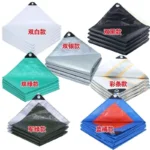
| Color | Customizable |
| Size | Customizable |
| Construction | Heavyweight |
Application Suitability
| Application | Exposure & Requirement |
|---|---|
| Outdoor tent and ceremony covers | Prolonged UV exposure, rain ingress, wind uplift at seams, repeated assembly and teardown |
| Vehicle and transport covers | Road dust, abrasion from tie-downs, UV degradation on parked fleets |
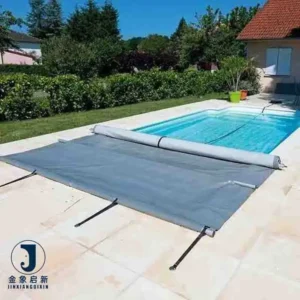
| Pond and fish farming liners | Permanent water contact, soil chemistry, puncture risk from substrate |
| Roof and construction covers | Weathering, pooling water, wind-driven rain, site debris impact |
| Trailer tarpaulin | Flexing at load points, highway wind loading, tie-down stress at hems |
Why UV Claims Without a Test Standard Leave Buyers Exposed
A UV-resistant label means nothing unless it references a measurable test duration and standard.
Procurement teams regularly specify PE tarpaulin for projects where the material faces months of direct sunlight, only to receive a product that chalks and embrittles within one season. The gap between a marketing claim and a verifiable test result is where most field failures originate. When the quotation states "UV resistant" but the shipment carries no test documentation, the buyer assumes risk that should belong to the supplier [NEED_CITE: standard test methods for UV degradation of polyolefin fabrics].
Matching the Fabric to the Exposure Profile
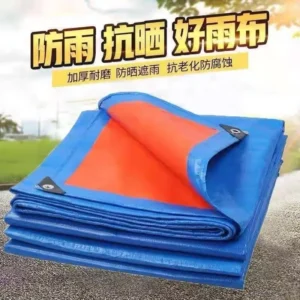
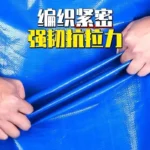
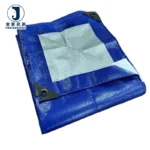
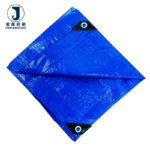
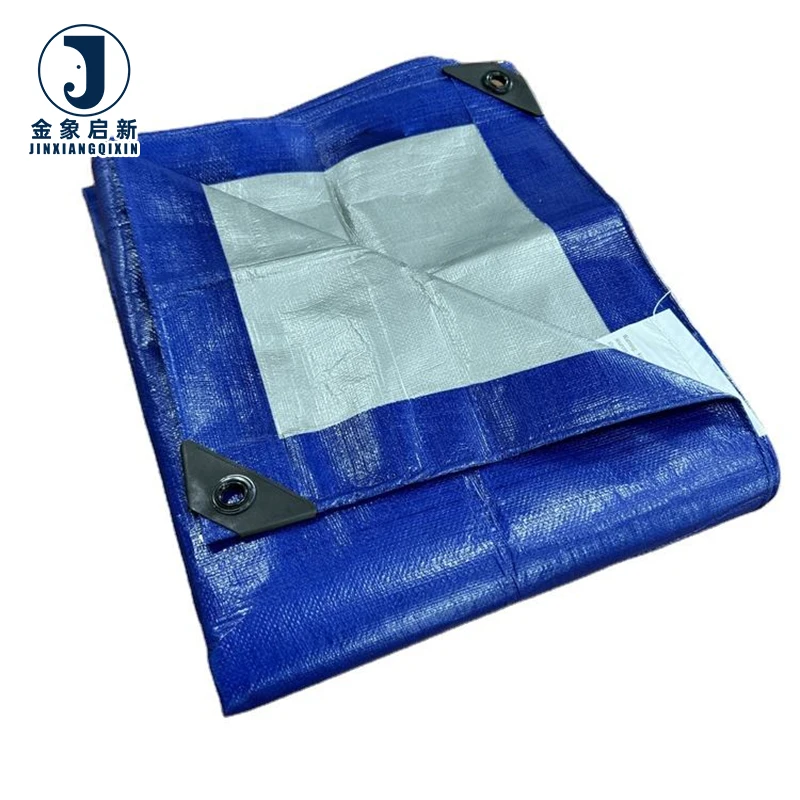
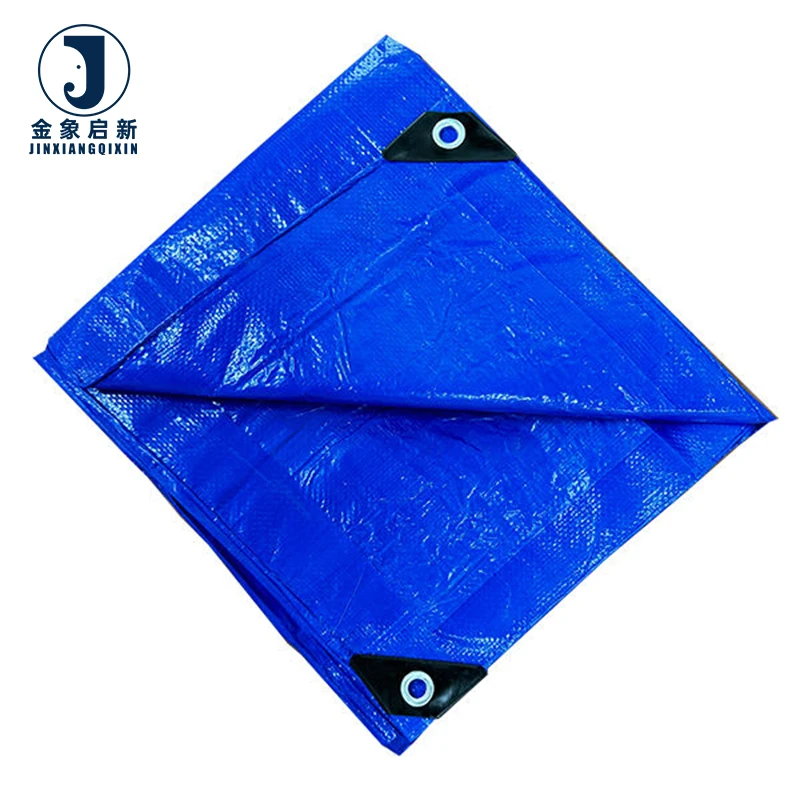
Selecting a PE tarpaulin for tent and event structures demands more than a generic waterproof claim. The fabric must sustain tension across a frame without excessive stretch, resist mildew formation on the underside where condensation gathers, and hold colour under weeks of direct sun. PE Woven Plain Resistance Tarpaulin Tent material addresses these requirements through a plain weave PE construction that balances tensile performance with the flexibility needed for draping and folding during event setup.
Seam and Edge Behaviour in the Field
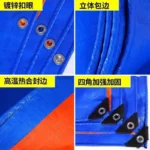
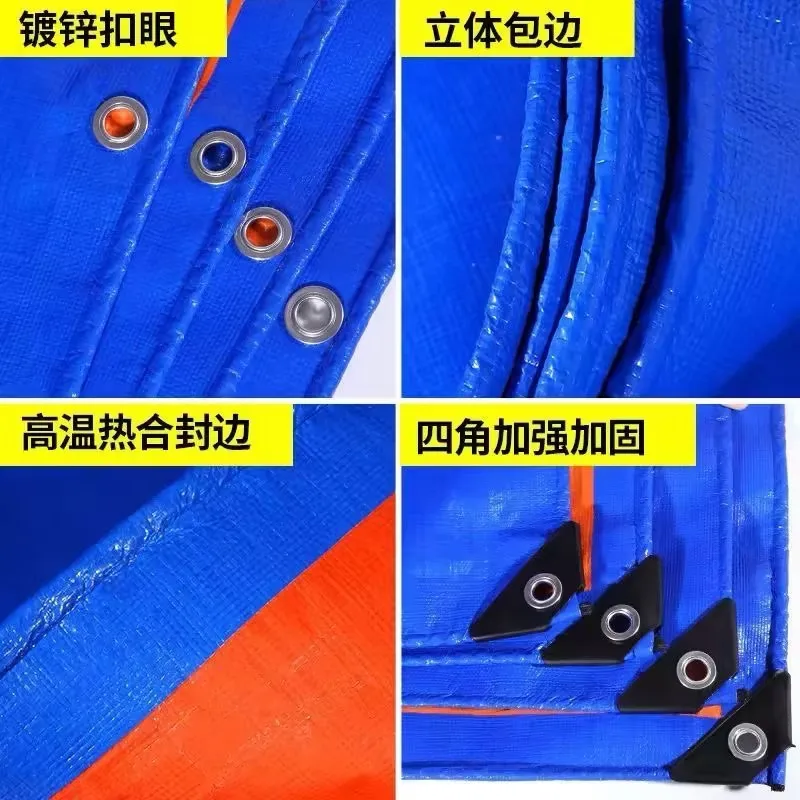
Where panels join, the failure mode shifts from fabric tear to seam separation. Heat-welded joints on PE woven fabric require controlled temperature and dwell time — too little heat and the bond peels under wind load, too much and the coating thins at the weld line. This PE tarpaulin supports thermal welding, but the joint strength depends on matching the weld parameters to the specific coating weight and base fabric density of the batch supplied [NEED_CITE: thermal welding parameters for PE coated woven fabrics].
Reading Between the Specification Lines
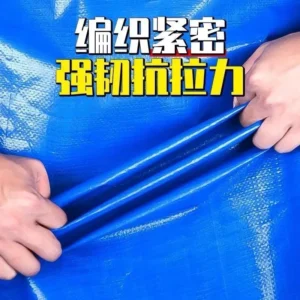
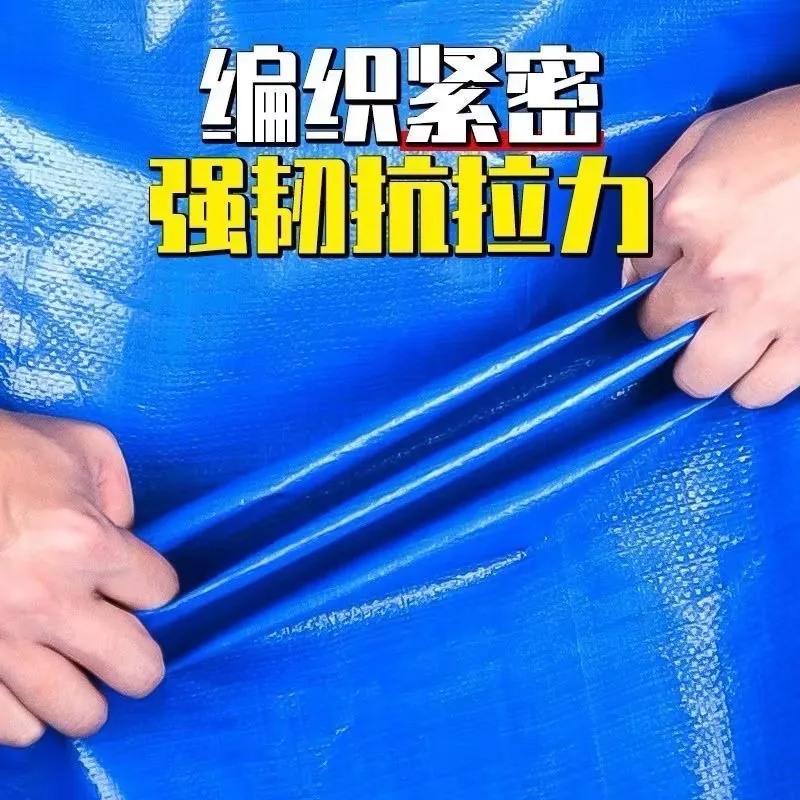
The term "heavyweight" in PE tarpaulin specifications refers to the combined mass of the base fabric and coating, typically expressed in grams per square metre. GSM alone does not determine field performance — a fabric with a high GSM achieved through excessive coating but a low-denier base fabric will crack at fold lines before a lighter fabric with a denser weave fails. The plain weave construction in this product distributes load across warp and weft yarns evenly, which matters when the material is tensioned over a frame or tied down at edges. Mildew-proof treatment protects the underside of pond liners and tent roofs where moisture becomes trapped, a condition that untreated PE fabrics cannot withstand through a wet season. UV-resistant treatment slows the oxidation of the polymer chain at the surface, preserving flexibility — though the specific test basis for this claim should be confirmed before specifying the material for projects with defined service-life expectations.
The Cost of Overlooking Batch Consistency
A common procurement failure occurs when multiple rolls of PE tarpaulin arrive with visible colour variation between them. Panels installed side by side on a large tent or ceremony structure reveal the mismatch immediately, forcing the contractor to either reject the shipment or absorb the aesthetic compromise. This problem traces back to inconsistent pigment dosing during coating or base-fabric sourcing from different production runs. Beyond colour, GSM variation between rolls means some panels carry less coating than specified, making them the weak links in an otherwise sound installation [NEED_CITE: batch consistency standards for coated PE tarpaulin].
What Production Control Means for Your Order
Jinan Jinxiang operates three full production lines with 36 sets of professional equipment dedicated to coated fabric, providing the capacity to fulfil bulk PE tarpaulin orders within agreed timelines. A 10-person R&D team handles material selection and sample development, producing custom-size and custom-colour samples within days for buyer approval before bulk production begins. Dedicated QA and QC checkpoints at every production stage — from base fabric inspection through coating application to final roll winding — feed into a 100 percent pre-shipment inspection record that accompanies every dispatch.
Documentation & Verification
- Material specification sheet stating base fabric denier, weave type, and coating weight
- UV test report with stated test duration — request before confirming the order
- Pre-shipment inspection record documenting GSM and visual checks per roll
- Colour reference swatch matched to approved sample before bulk coating
- Certificate of origin and customs documentation for cross-border shipments
Fabrication, Handling & Storage
- Heat-weld seams using temperature profiles matched to the PE coating weight of the specific batch
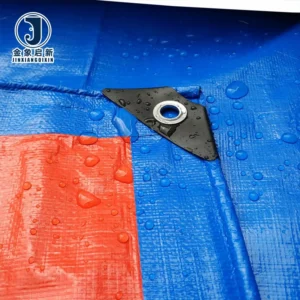
- Reinforce tie-down points at hems where the heavyweight woven structure concentrates stress
- Store rolls upright on pallets to prevent flat-spot deformation of the PE coating surface
- Unfold material at ambient temperature to avoid crease marks on cold-stiffened PE fabric
- Use mild detergent for cleaning; solvent-based cleaners degrade the PE coating finish
What to Include in Your Inquiry
Provide the end-use application, expected exposure conditions, and the compliance requirements of your target market or project site. Specify the roll width and length you need, the quantity per shipment, and whether you require custom colour matching against a reference sample. Confirm whether the order calls for finished cut sizes with hemming and eyelets, or roll stock for your own fabrication line.
Frequently Asked Questions
Q: How is GSM verified before shipment?
A: Each roll is weighed and measured during the pre-shipment inspection. The result is recorded on the inspection report and compared against the quoted GSM value. Rolls that fall outside the agreed tolerance are flagged and replaced before dispatch, so the material you receive matches the specification on your purchase order.
Q: Can I get a test report for UV and mildew resistance?
A: Yes — request the specific test report when placing your inquiry. The report will state the test method and duration used. If your project demands compliance with a particular standard, communicate that requirement early so the correct grade is sourced and documented before production.
Q: What custom sizes and colours are available?
A: Both size and colour are configurable. Provide your target dimensions and a colour reference such as a RAL or Pantone code. Samples are developed within days for your approval before bulk production begins, ensuring the final shipment matches your project specification.
Q: How do you ensure colour consistency across multiple rolls?
A: Pigment formulation is locked after sample approval and applied uniformly across the entire production run. The pre-shipment inspection includes a visual comparison of all rolls in the order side by side. Any roll showing deviation from the approved shade is removed before packing.
Q: What documentation is included with the shipment?
A: Every dispatch ships with a material specification sheet, pre-shipment inspection record, roll packing list, and certificate of origin. Test reports for UV or mildew resistance are included where applicable. Fire-retardant or anti-static certification is available on request for grades that carry it.