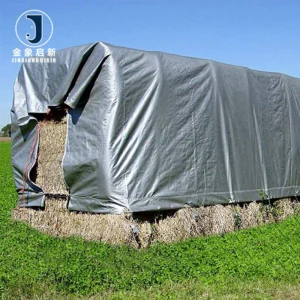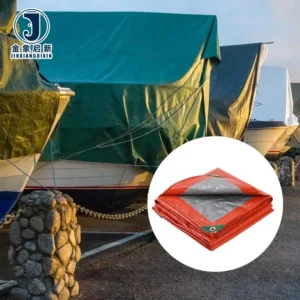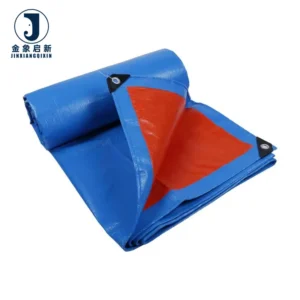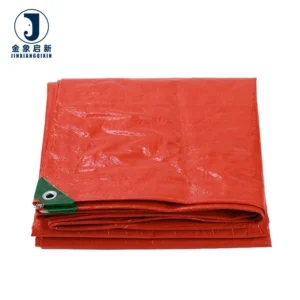
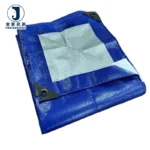
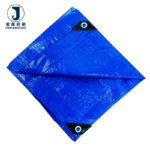
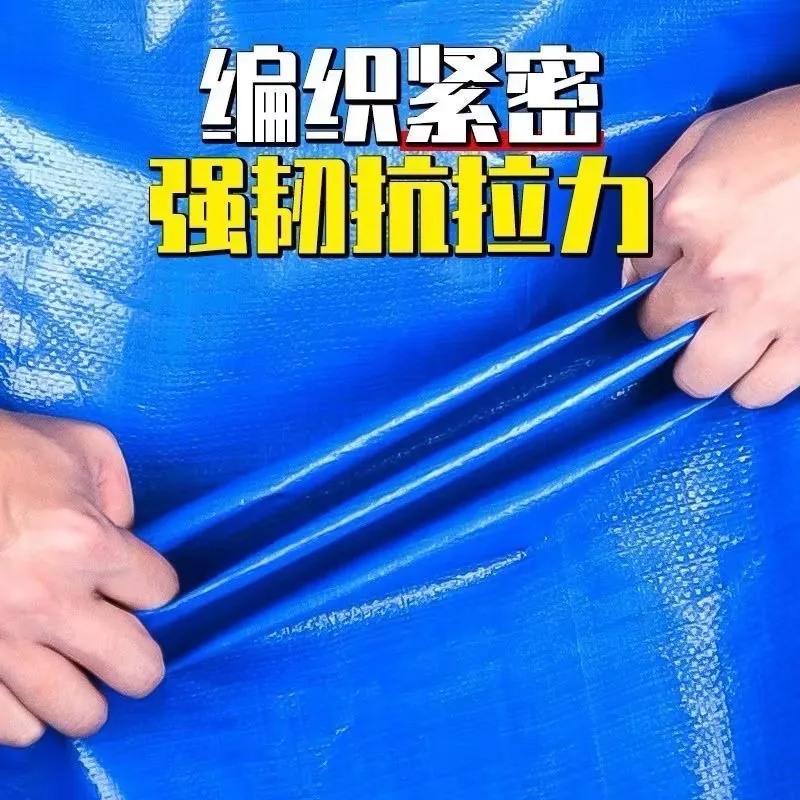
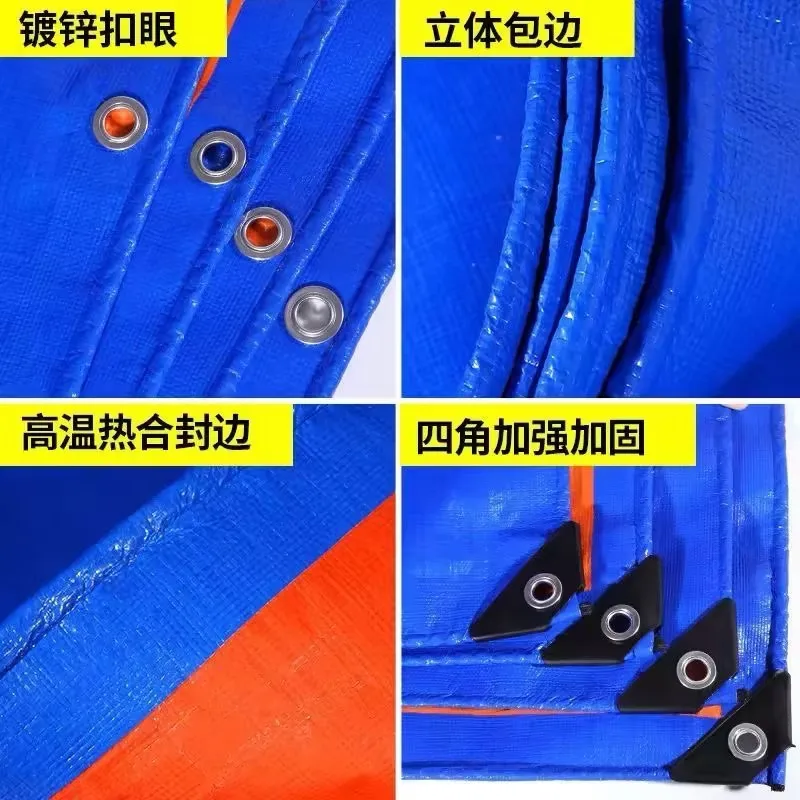
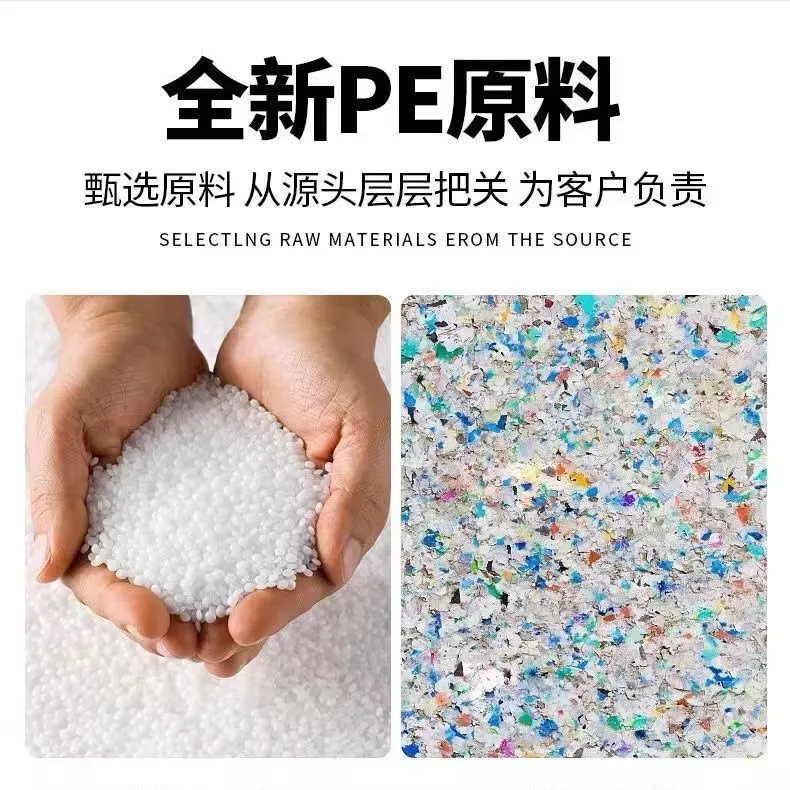

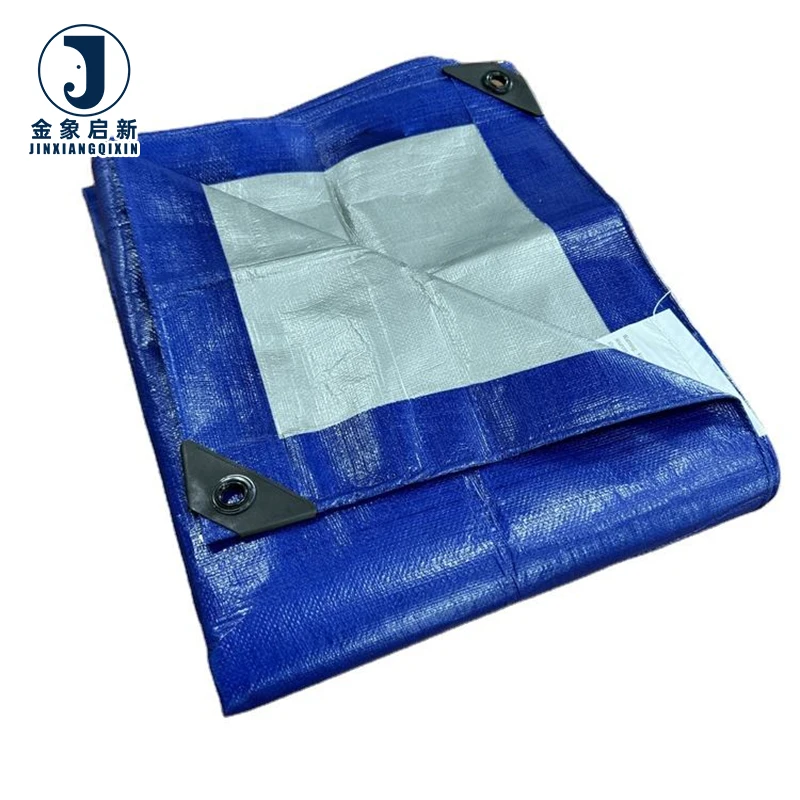
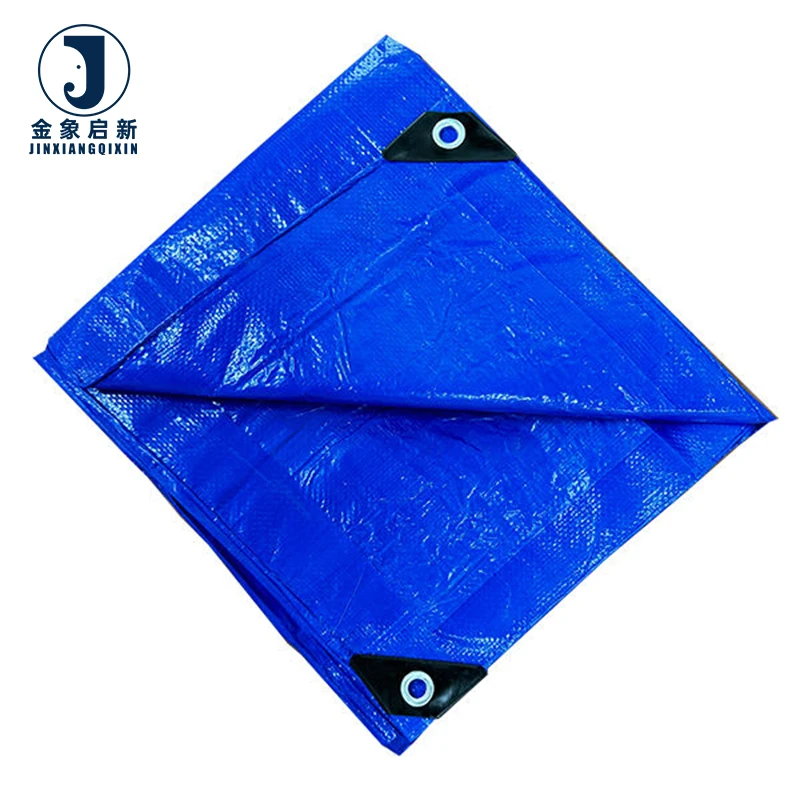
Coated Fabric Process Control — Every roll of PE woven tarpaulin we dispatch carries a pre-shipment inspection record verifying GSM, coating adhesion and colour consistency against your specification sheet.
Technical Specifications
| Parameter | Value |
|---|---|
| Product Type | PE Tarpaulin |
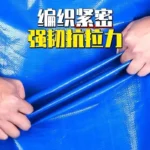
| Base Fabric | PE woven, plain weave construction |
| Coating Material | PE |
| Waterproof Performance | Yes — fully waterproof coated sheet |
| Anti-Mildew Treatment | Yes — mildew-proof formulation |
| UV Resistance | UV resistant (test basis not stated) |
| Construction Class | Heavyweight (GSM not stated in source) |
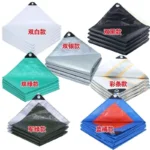
| Colour Options | Customizable (specific colours available on request) |
| Size Options | Customizable (specific dimensions available on request) |
| Certification | ISO and CE certified production facility |
Application Suitability
| Application | Exposure & Requirement |
|---|---|
| Tent and temporary structure | Sustained UV exposure, rain and wind loading, frequent assembly and dismantling cycles |
| Outdoor event and ceremony covering | Direct sunlight, crowd contact, short-term ground moisture, rapid deployment |
| Car cover and vehicle protection | UV degradation risk, dust and moisture ingress, surface abrasion during fitting |
| Pond and aquaculture liner | Continuous water immersion, soil chemistry contact, puncture risk from substrate |
| Roof covering and site shelter | Thermal cycling, rainfall accumulation, wind uplift stress at fixing points |
| Trailer and logistics cover | Road debris impact, flexing at load points, weather exposure during transit |
What "Waterproof" Actually Means When the Seam Fails First
A waterproof PE woven tarpaulin sheet only protects the load if the joined panels and hemmed edges hold as long as the field of the fabric.
Sourcing teams routinely specify a waterproof PE tarpaulin based on the coating claim alone, then discover that water ingress begins at the weld line or stitched hem long before the fabric body shows any sign of failure. The coating itself may be perfectly continuous, but every joint introduces a discontinuity where stress concentrates and water finds a path. [NEED_CITE: tensile and tear test methods for coated fabrics per ISO 1421] When a temporary tent structure is under wind load, the flex points at seams and eyelet rows experience cyclic stress that no static water column test can replicate. The question is never whether the PE coating repels water in a lab sample — it is whether the fabricated panel, with all its seams, hems and fixing points, maintains integrity through an entire season of outdoor use.
Compliance Documentation for Temporary and Permanent Structures
Temporary tent structures and outdoor event canopies increasingly fall under local fire safety and building material regulations, yet the PE woven tarpaulin specified for these applications often arrives with no more than a generic material data sheet. Technical buyers and fabricators need more than a waterproof claim — they need documentation that maps the material to the compliance framework their project sits within. Jinxiang Tech supplies material specification sheets stating base fabric construction, coating type and weight, and where applicable, test results for UV stability and flame retardant grades. When a project demands certified fire performance, confirm the specific grade required for your jurisdiction before placing the order.
UV Stability in Extended Outdoor Deployment
Outdoor structures exposed to direct sunlight for weeks or months face cumulative UV degradation that manifests as colour shift, surface chalking and loss of tensile strength in the base fabric. Our PE woven tarpaulin is formulated with UV resistant treatment to slow this degradation, though the specific test protocol and exposure duration should be confirmed against your project timeline. [NEED_CITE: UV exposure testing standards for polyolefin-based coated fabrics] Colour consistency across rolls in the same order is controlled at the compounding stage — a factor that matters when multiple panels are installed side by side on a ceremonial tent or event canopy and any shade variation becomes immediately visible. Request the UV test basis when specifying for projects exceeding short-term temporary use.
Reading Between the Specs: Weave Density, Coating Weight and Real-World Performance
The plain weave construction of this PE tarpaulin provides a stable base fabric where warp and weft yarns interlace at every crossing, creating a balanced sheet with predictable behaviour in both machine and cross directions. The waterproof PE coating fills the interstices of the woven structure, and it is the combined weight of base fabric plus coating — expressed as GSM — that determines the overall mass and, together with yarn denier and weave density, governs tensile and tear performance. A heavier GSM does not automatically mean a stronger fabric if the base fabric is loosely woven and the extra weight comes entirely from coating thickness; conversely, a tightly woven lighter base with a thinner coating can outperform a heavier loosely woven alternative in tear resistance. The mildew-proof treatment is relevant wherever the fabric remains damp for extended periods — pond liners, ground sheets and low-slung event canopies in humid climates — because trapped moisture between coating and substrate promotes fungal growth that degrades PE yarns over time. Understanding these relationships lets you specify by performance outcome rather than by a single headline number.
The Cost of Specifying on Price Per Kilogram Alone
When procurement teams select PE tarpaulin primarily on cost per kilogram or quoted GSM, the downstream consequences rarely appear until the material is deployed. Rolls that arrive lighter than the quoted GSM represent a direct shortfall in material delivered, but the more expensive failure is the one that surfaces mid-project: a tent canopy that sags under wind load because the base fabric density was insufficient, or a pond liner that punctures during installation because the coating adhesion was marginal. [NEED_CITE: coating adhesion test methods and minimum peel strength for laminated fabrics] Batch colour variation across rolls forces fabricators to sort and match panels before cutting, adding labour and waste. Welded seams that fail before the fabric body indicate a mismatch between the welding temperature profile and the actual coating formulation delivered — a problem that is invisible until the structure is under load. These failures trace back to gaps in pre-production verification that a lower unit price never compensates for.
Why Technical Buyers Source This PE Tarpaulin Here
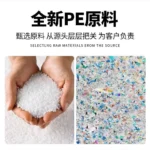
Three full production lines and 36 sets of professional equipment mean that bulk roll orders for PE woven tarpaulin are produced with consistent coating weight and weave tension across the entire run. The 10-person R&D team handles custom sizing, colour matching and sample development, delivering samples within days so that fabricators can validate welding parameters and fabrication methods before committing to production volume. Every roll undergoes dedicated QA at each production stage, with 100% pre-shipment inspection generating a documented record that travels with your consignment. Custom widths and cut sizes are accommodated with practical minimums and lead times, removing the common barrier where specialist dimensions trigger prohibitive order requirements. The coating formulation and base fabric sourcing are controlled in-house, giving traceability from raw material to finished roll.
Documentation & Verification
- Material specification sheet stating GSM, PE base fabric weave and coating type per roll
- UV test report available on request for UV resistant grade verification
- Pre-shipment inspection record covering weight, dimensions and visual quality per roll
- Certificate of origin and customs documentation included with every export shipment
- Roll packing list with individual roll identifiers matching the inspection record
- ISO and CE certificates confirming production facility compliance
Fabrication, Handling & Storage
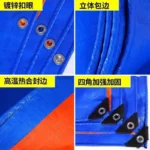
- Heat welding temperature profiles should be matched to the PE coating formulation — request welding parameters with your sample
- Reinforced hems at high-stress edges distribute load across multiple yarns in the plain weave base fabric
- Store rolls horizontally on pallets in a shaded, dry area to prevent compression marks on the PE coating surface
- Allow cold-stored rolls to reach ambient temperature before unrolling to avoid coating cracking at low temperatures
- Clean with mild detergent and soft brush — avoid solvent-based cleaners that may degrade the mildew-proof treatment
- Cut panels with allowance for thermal expansion in hot climates to prevent tension-related seam stress
Preparing Your Enquiry for Technical Review
Provide the application type, expected duration of outdoor exposure and the environmental conditions the PE woven tarpaulin will face — including UV intensity, rainfall, wind loading and any chemical contact. If your project falls under local fire safety or building material regulations, specify the compliance grade your market requires so that the correct flame retardant formulation can be quoted. Confirm whether you need rolls at standard or custom width, finished cut sizes with hems and fixings, and the target colour reference.
Frequently Asked Questions
Q: How is the GSM of the PE tarpaulin verified and what documentation accompanies shipment?
A: Every roll is weighed and measured during the 100% pre-shipment inspection. The recorded GSM is documented on the inspection report and compared against the specification sheet agreed at order confirmation. This report, along with the material specification sheet and roll packing list, is provided before dispatch so you can verify conformity on receipt.
Q: What test basis supports the UV resistance claim for outdoor exposure?
A: The PE woven tarpaulin is formulated with UV resistant additives during the coating compounding stage. The specific test protocol and exposure duration depend on the grade selected. We recommend requesting the test report matched to your expected deployment period and regional UV index to confirm suitability for your project timeline.
Q: What fire-retardant grades are available for tent and event structure applications?
A: Fire retardant formulations are available in multiple grades to meet different jurisdictional requirements. The applicable grade depends on whether your structure is classified as temporary or permanent and the local building or fire code in force. Confirm the specific classification your market demands so we can quote the correct formulation with supporting test documentation.
Q: How are custom sizes and colours handled in terms of lead time and minimum order?
A: Custom cut sizes and colour references are produced on dedicated runs with practical minimums that accommodate project-specific requirements rather than container-scale volumes. Lead times depend on current production scheduling and the complexity of the colour match. Request a quotation with your dimensions and colour reference for a confirmed timeline.
Q: What welding and seaming methods are recommended for PE woven tarpaulin in structural tent use?
A: Hot air welding and thermal impulse welding are the primary joining methods for PE coated woven fabric. The optimal temperature, pressure and dwell time depend on the specific coating weight and formulation. We supply recommended welding parameters with each sample so fabricators can validate joint strength before production, reducing the risk of seam failure under structural load.